Global Economic Currents: Tech Investment Buffers Slowing Job Gains and Energy Headwinds
Recent data reveals a sharp slowdown in U.S. hiring and widening trade imbalances, yet robust enterprise spending on artificial intelligence and coordinated energy interventions offer a fragile buffer against broader stagnation.

A Decelerating Labor Market and Mixed Growth Indicators
International economic markets have entered a delicate phase of recalibration as recent macro indicators paint a complex portrait of cooling expansion, volatile external trade, and sector-specific resilience. Across major economies, the post-pandemic cycle of aggressive monetary tightening has noticeably curbed hiring momentum. Labor statistics reported in early October highlighted a sharp deceleration in employment growth, with U.S. non-farm payroll additions falling to just 29,000 positions in September alongside softening wage trajectory, according to market reports from RTTNews and Bloomberg. While such subdued job figures raise concerns regarding consumer stamina, they simultaneously fueled investor speculation that central banks may ease borrowing benchmarks sooner than anticipated, prompting a brief rally across global equity indices.
Consumer demand continues to show uneven durability. Recent releases from the U.S. Bureau of Economic Analysis (BEA) show that personal consumption expenditures advanced even as personal saving rates stabilized at a conservative 4.1 percent. However, structural headwinds persist. Elevated financing rates and cumulative inflation continue to constrain household budgets, prompting households to become more cautious with discretionary spending. This dichotomy—resilient baseline consumption paired with decelerating headcount additions—indicates that while private balance sheets are not collapsing, the margins for unexpected macroeconomic shocks remain uncomfortably thin.
The Dual Pull of Capital Expenditure and Industrial Modernization
Counterbalancing employment moderation is a sustained surge in private capital allocation toward digital transformation. Economic forecasting by Deloitte Global Economics Research Center reveals that heavy capital outlays by technology hyperscalers and industrial conglomerates are keeping aggregate business investment buoyant. Real business investment projections have been upgraded as enterprises accelerate infrastructure deployments in computing hardware, data processing facilities, and automation.
Corporate leaders increasingly view productivity gains from artificial intelligence and advanced digital equipment as vital hedges against structural wage increases and demographic shifts. In contrast to consumer-facing segments that are reigning in expenses, investments in information-processing assets and software have maintained double-digit growth. Even as hyperscalers adjust annual spending increments from historic peaks toward sustainable expansion rates, cumulative enterprise expenditure on cloud and computational facilities continues to anchor the manufacturing and technical services segments.
Energy Markets, Geopolitical Pressures, and Strategic Interventions
The global economic outlook remains heavily tethered to fluctuations in commodity and energy markets. Persistent geopolitical volatility in major shipping corridors and oil-producing hubs has threatened to reignite headline inflation and drive up operating overhead for transport and manufacturing. In response to elevated fuel prices and tight supplies, the Group of Seven (G7) nations authorized strategic petroleum and diesel reserve releases to ease market pressures, according to reporting by Economies.com.
Coordinated reserve liquidations succeeded in nudging crude futures lower, granting temporary breathing room to import-dependent economies across Europe and Asia. Yet, structural vulnerabilities endure. Emerging economies, while partially insulated by local production and diversified supply channels, confront tightened global credit conditions and fluctuating currency values against the dollar, as noted by financial analysts in The Economic Times. While government interventions can mitigate acute localized spikes, long-term stabilization will depend on sustainable supply balances and the progression of alternative energy infrastructure.
Widening Imbalances and the Monetary Horizon
Underneath aggregate figures, trade discrepancies and balance-of-payments imbalances have widened significantly. External trade metrics published by the BEA show expanding international deficits, driven by fluctuating demand for merchandise and shifting cross-border financial flows. Rising import volumes coupled with shifting industrial demand have accentuated current-account shortfalls, altering currency balances in international foreign exchange markets.
As fiscal authorities and central bankers prepare for the closing quarter of the fiscal year, economic decision-makers face a narrow policy corridor. If corporate investments in technology manage to generate measurable efficiency gains, they could offset labor market cooling without sparking renewed inflationary pressure. However, should geopolitical friction reignite commodity shocks, central banks will find their capacity to ease policy severely constrained. For now, the global economy navigates a fragile state of equilibrium—buoyed by technological transformation, yet restrained by softening labor dynamics and unpredictable external risks.
Recommended for you
Similar to “Global Economy”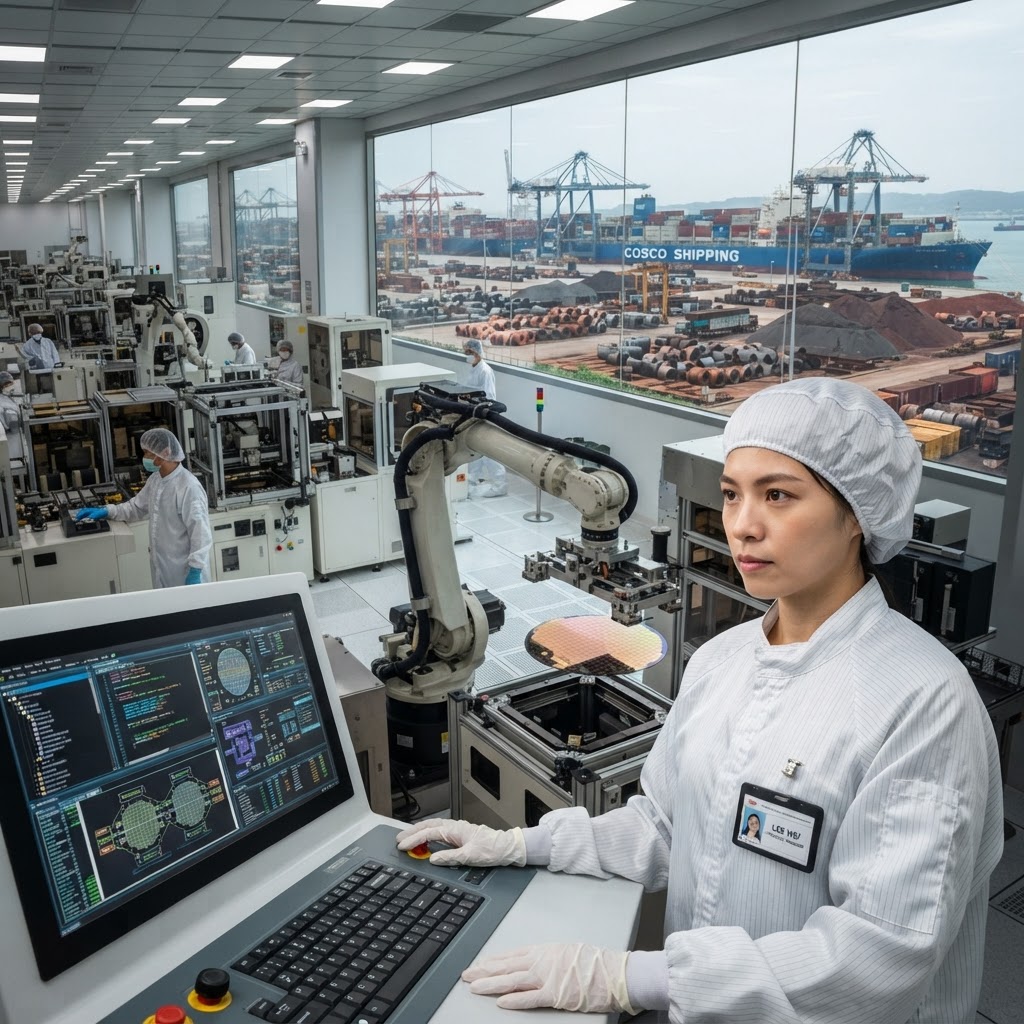
Tech Ambition Confronts Commodity Headwinds: The Fragile Architecture of the Global Economic Outlook
As capital expenditures in artificial intelligence continue to drive regional trade, mounting energy spikes, persistent inflation, and tightening sovereign credit conditions threaten to derail global momentum.

A Fragile Balancing Act: Global Economy Navigates AI Surges, Energy Turbulence, and Shifting Politics
Recent data reveals an uneven global economic recovery supported by heavy artificial intelligence investments, even as persistent energy volatility, high borrowing costs, and shifting political landscapes complicate the outlook.
Uneven Resilience: Tech Investment and Mounting Debt Define a Shifting Global Economy
While robust capital spending on artificial intelligence and broad-based sectoral expansion continue to support global activity, policymakers warn that soaring sovereign debt, renewed energy shocks, and market volatility are straining the world economic outlook.