A Multiplying Global Equilibrium: Summits, Standoffs, and the Fragile Search for Stability
High-stakes diplomacy between major powers, escalating maritime tensions in the Middle East, and fraught multilateral negotiations over technology and climate underscore a deeply fragmented global landscape.
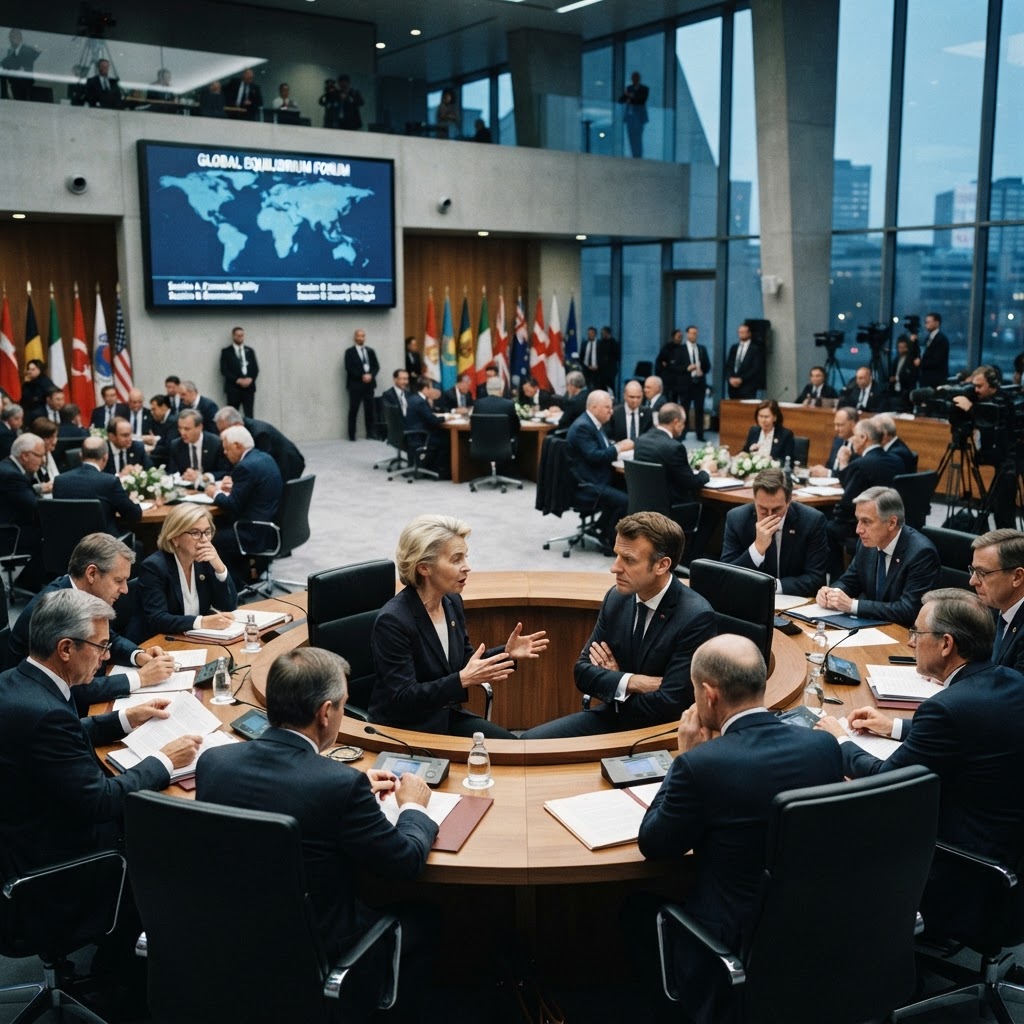
Superpower Realignment on the World Stage
In a week characterized by consequential diplomatic maneuvers and acute geopolitical friction, international relations have entered an unpredictable phase. The gathering of world leaders at recent multilateral summits, notably underscored by high-profile interactions involving the United States, China, and Russia, has highlighted how traditional alliances are transforming into shifting, transactional dynamics. While public rhetoric from major powers frequently touts the necessity of broad peace frameworks and collective stability, bilateral and trilateral engagements have revealed lingering divisions over strategic hegemony, territorial disputes, and nuclear parity.
For Washington, Beijing, and Moscow, these engagements represent an effort to project sovereign authority while testing the limits of strategic deterrence. Concurrently, efforts to construct binding multilateral resolutions—whether on arms control or regional security—continue to encounter obstacles. Smaller and middle-tier nations find themselves navigating the ripple effects of superpower competition, balancing security ties with economic dependencies.
The Standoff in the Middle East and Critical Sea Lanes
Nowhere is this geopolitical volatility more pressing than in the Middle East, where strategic confrontation surrounding Iran and vital maritime choke points remains on a knife-edge. The deployment of reinforced naval assets into the Persian Gulf, alongside an intensified regional security footprint, highlights the persistent threat of broader escalation. Maritime routes, especially the Strait of Hormuz, remain exposed to potential disruption, driving regional actors like the United Arab Emirates to engage in calculated logistical maneuvers to maintain the flow of global crude supplies.
Behind the visible military brinkmanship lies a dual-track strategy combining direct deterrence with clandestine mediation. Backchannel negotiations through regional intermediaries, including ongoing facilitation efforts in European capitals involving Qatari envoys and American representatives, emphasize that neither side has abandoned diplomatic avenues entirely. Despite the push for negotiated settlements or long-term structural understandings, mutual distrust regarding military modernization and rapid weapons development keeps defense forces throughout the region on high alert.
Technological Containment and the Race for Digital Sovereignty
Beyond military friction, the arena of technological innovation has emerged as a central pillar of geopolitical rivalry. New waves of regulatory curbs and export controls—particularly those restricting access to advanced semiconductors and high-performance artificial intelligence computing—continue to roil global markets. Western measures aimed at curtailing rival nations' access to cutting-edge microchips have triggered significant market volatility across major technology exchanges.
Rather than stifling ambitions, these technological barriers are accelerating targeted drives toward self-sufficiency. Domestic firms in targeted markets are heavily investing in indigenous hardware ecosystems and adapting software workloads to run on local alternatives. Meanwhile, at international forums such as the United Nations, diplomatic efforts to establish binding global frameworks governing the weaponization of artificial intelligence and lethal autonomous weapons systems have repeatedly stalled. Major powers continue to prioritize strategic and military primacy over international legal restraints, kicking meaningful accords down the road.
Multilateral Frameworks Under Strain
The strain on international consensus is equally visible in broader humanitarian and environmental diplomacy. From climate talks struggling to secure binding commitments on fossil fuel phase-outs to international bodies grappling with escalating humanitarian crises, the architecture of global governance faces historic headwinds. National interests consistently overshadow collective goals, leaving global compacts frequently weakened or relegated to non-binding declarations.
As these concurrent developments illustrate, the world order is not defined by a neat bipolar division, but rather by fractured, multi-tiered contests spanning security, trade, technology, and energy. The coming months will test whether backchannel diplomacy and economic interdependencies can prevent localized flashpoints from spiraling into broader regional and global instability.
Recommended for you
Similar to “World Affairs”
Global Diplomacy at a Crossroads: High-Stakes Summits, Escalating Middle East Tensions, and Climate Reckonings
As world powers prepare for rare trilateral leadership talks amid continuing regional conflicts in Eastern Europe and the Middle East, international negotiators face mounting geopolitical strain and fractured multilateral consensus.
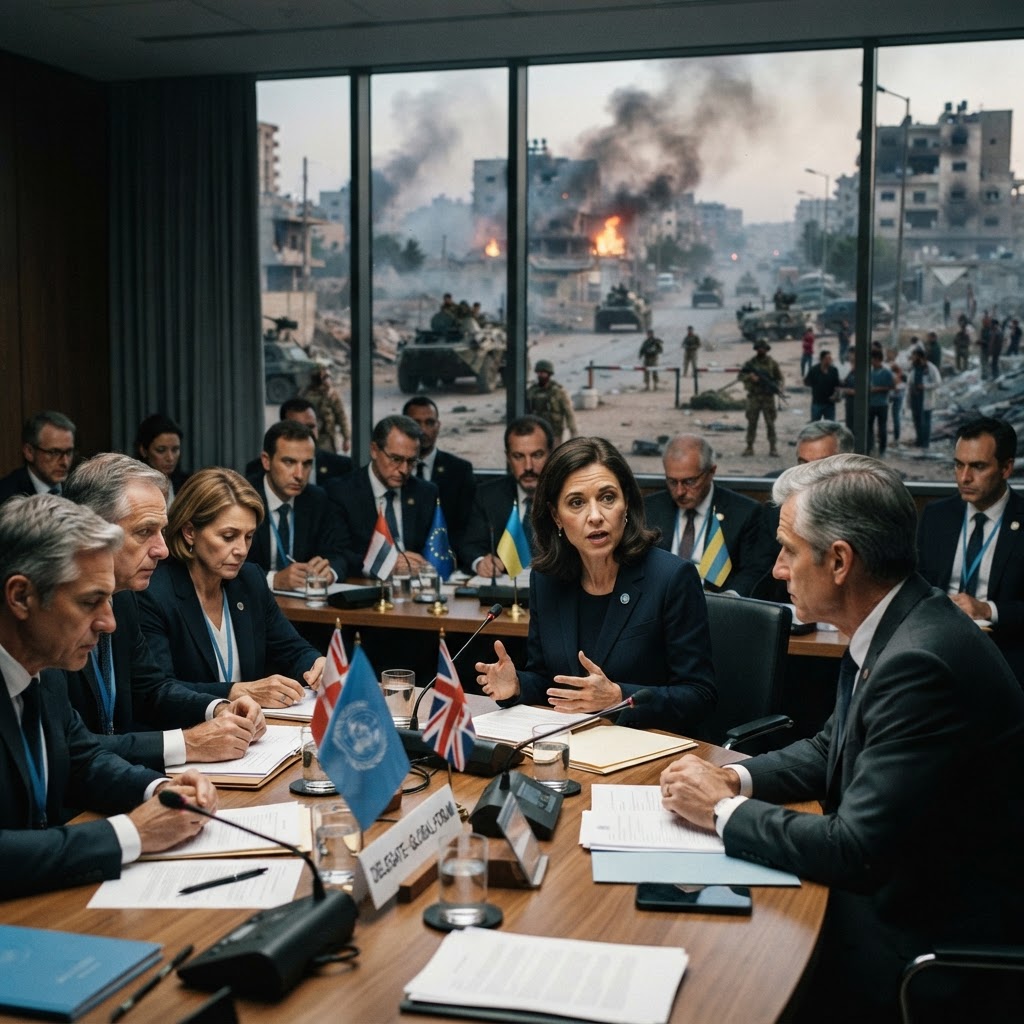
Fragile Diplomacy and Escalating Fronts: Global Tensions Test International Order
High-stakes diplomatic negotiations in the Middle East and Eastern Europe face mounting strain as battlefield strikes, political shakeups, and maritime friction disrupt peace efforts across multiple continents.
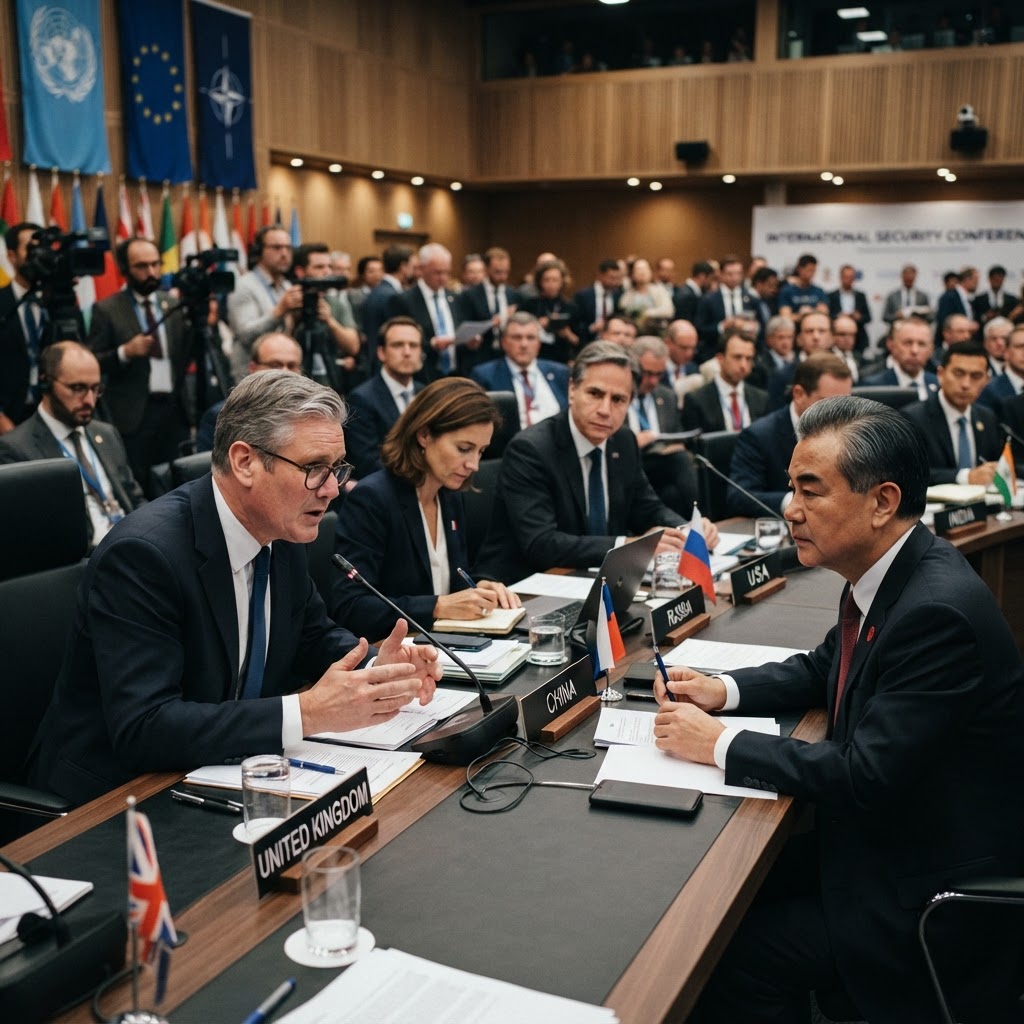
Global Diplomacy at a Crossroads: Security Pacts, Coalition Shifts, and Strained Talks Define International Affairs
High-stakes diplomacy is facing acute friction across Europe and the Middle East as negotiations over continental security collide with major political reorganizations in Israel and intractable standoffs between Washington and Tehran.