Preserving the Past, Navigating the Future: Global Culture Faces a Dual Revolution
Around the world, cultural institutions and artists are navigating unprecedented shifts, balancing the fight to protect tangible heritage against conflict and the challenges posed by artificial intelligence.

A Dual Crossroads for Heritage and Innovation
In recent days, the global cultural landscape has witnessed a remarkable intersection of ancient tradition and rapid modern transformation. Across multiple continents, international organizations, cultural ministries, and creative communities are grappling with two defining realities: an urgent imperative to protect historical identity from conflict and climate disruption, and the rapid assimilation of new technologies into traditional and contemporary artistic forms.
As international organizations emphasize, safeguarding cultural touchstones remains foundational to human dignity. According to reports highlighted by RFI, attacks on cultural sites strike at the core of community identity and collective memory, particularly in conflict zones where historic landmarks risk destruction. Cultural preservationists maintain that erasing cultural continuity is often used as a mechanism to fracture societal bonds, making heritage defense an indispensable element of humanitarian protection worldwide.
Safeguarding Living Memory and Traditional Arts
Efforts to safeguard both tangible and intangible legacy have gathered significant momentum across the Americas, the Middle East, and Asia. Recent international initiatives documented by UNESCO highlight pioneering steps to weave living traditions into contemporary life. In Mexico, for instance, authorities and local communities have introduced dedicated inventories linking intangible cultural practices directly to urban planning, alongside the release of a specialized Textile Art Atlas designed to celebrate and document indigenous artisans. Similar preservation drives have brought renewed focus to ancestral crafts, such as initiatives in Bethlehem to reinterpret endangered Palestinian weaving and embroidery, and workshops safeguarding culinary traditions.
At the same time, regional institutions are taking decisive action against illicit trafficking and the degradation of precious relics. Collaborative forums involving bodies like the Qatar National Library have strengthened multinational strategies to recover stolen artifacts and safeguard underwater and remote archaeological sites. In the Arabian Peninsula and Latin America alike, archeologists and local planners are prioritizing participatory conservation projects to protect sites from both development pressures and climate anomalies such as El Niño.
The AI Horizon and Institutional Reckoning
While ancient artifacts demand physical preservation, modern creative ecosystems are simultaneously undergoing a conceptual transformation driven by synthetic media and artificial intelligence. The question of creative agency—what happens to human expression when algorithms can compose, illustrate, and animate—is moving to the forefront of cultural policy debates. As noted by Aju Press, governments such as South Korea's are actively moving to overhaul longstanding cultural and arts legislation to establish legal frameworks that balance artificial intelligence with creator protections, fair compensation, and regional arts funding.
Similarly, multinational initiatives like the European Union's CULTURAI endeavor seek to define ethical boundaries for computational art while preserving the welfare of working artists. In the creative sphere itself, events such as the Aichi Nagoya International Film Festival in Japan have consciously placed the spotlight on human-made animation, celebrating individual craft even as digital and projection-based media redefine gallery installations globally, as detailed by The Japan Times.
Reimagining Institutions for a Globalized Audience
These dual forces are fundamentally changing how museums, galleries, and festivals engage audiences. Across Europe and the Americas, major institutions are reassessing provenance, accountability, and the representation of historically marginalized communities. Analysis by The Economist underscores that cultural repositories find themselves caught in widespread social debates, prompting deep structural changes in curatorial programming and architectural design.
Furthermore, regional art circuits are increasingly decentralizing, challenging traditional Western dominance in the arts market. Fairs such as Frieze Abu Dhabi and broad collaborative networks like Romanian Art Week reflect a growing appetite for local narratives that speak to global audiences, according to coverage by Arab News and MultiMedia. Whether through the global expansion of pop culture or the quiet restoration of ancient manuscripts, the world's cultural leaders are recognizing that preserving history and embracing technological change are no longer separate endeavors, but two halves of the same cultural future.
Recommended for you
Similar to “Global Culture”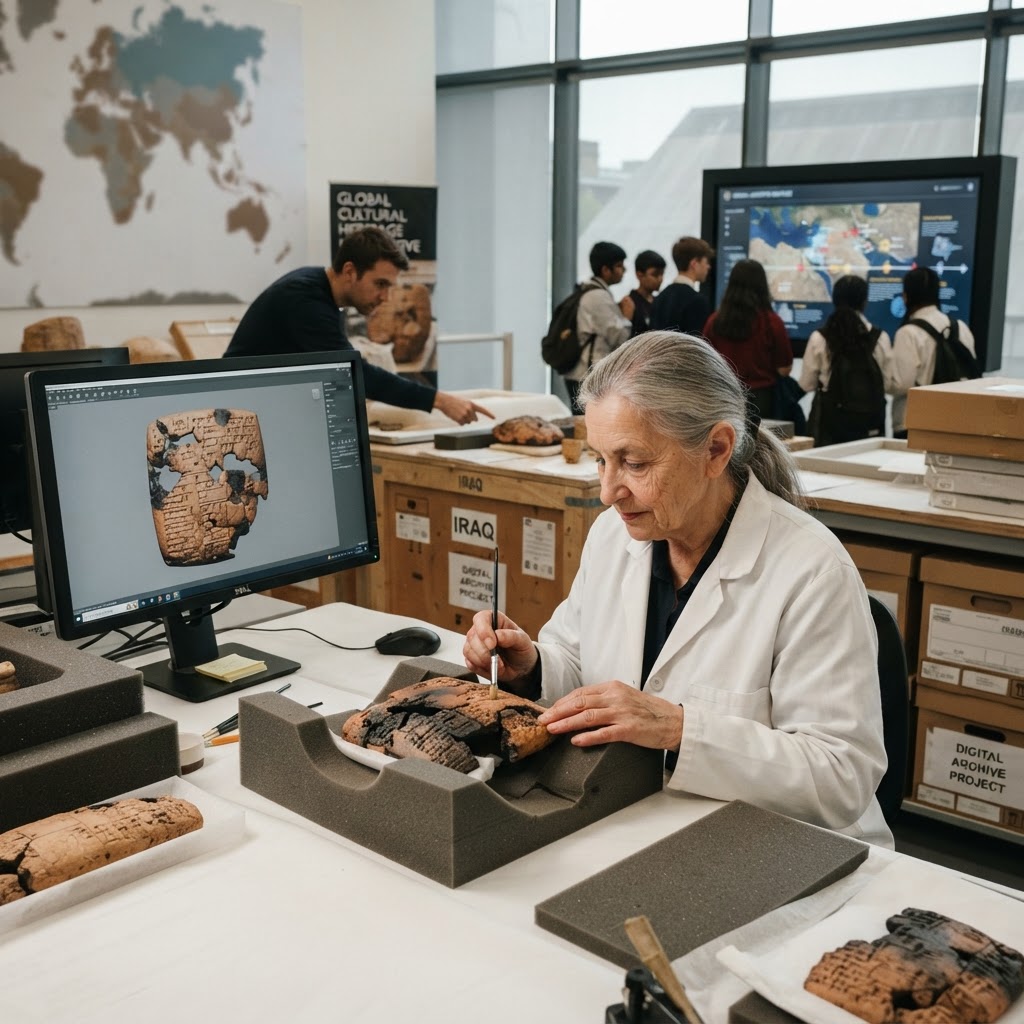
Preserving the Past, Curating the Future: Global Culture Faces Geopolitical Strife and Digital Evolution
From safeguarding heritage amidst active conflict zones to pioneering digital preservation and navigating museum transformation, international cultural institutions confront a rapidly evolving landscape.
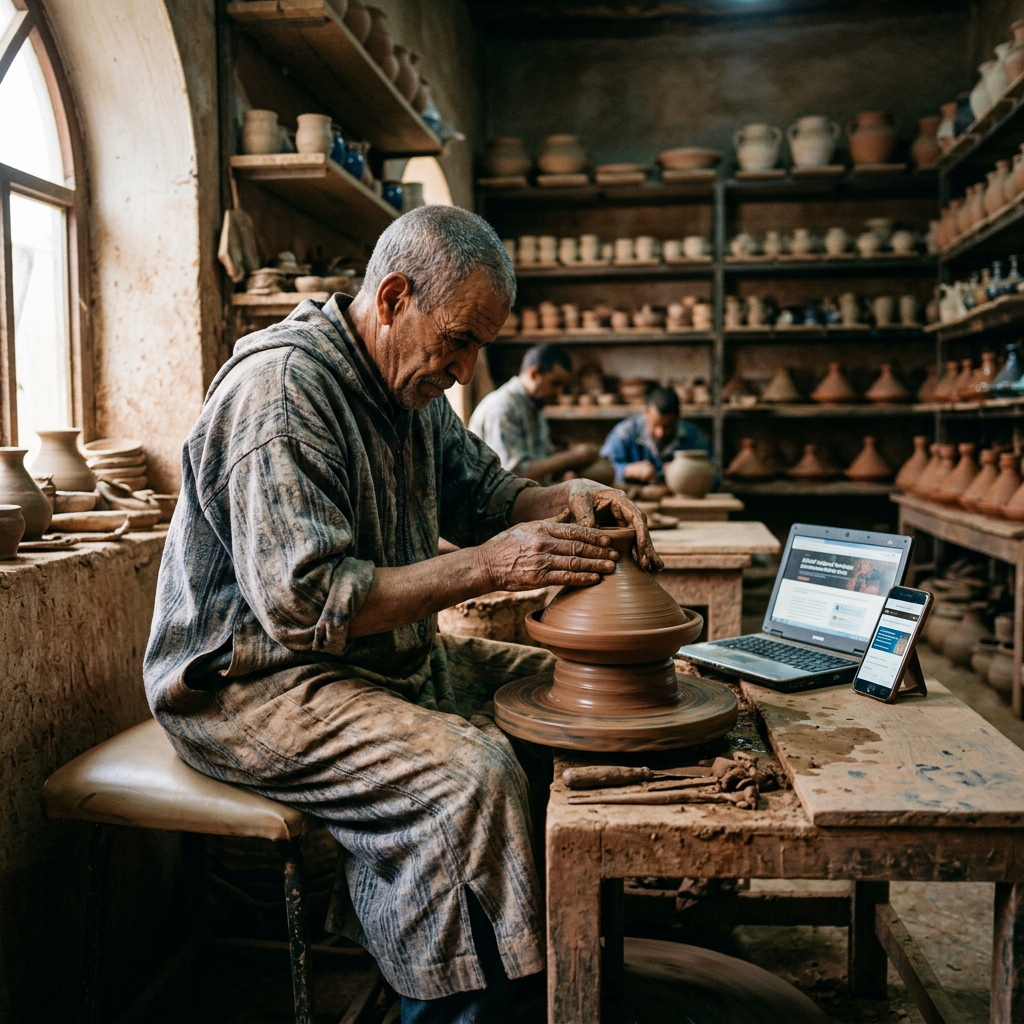
Preserving the Human Touch: Global Culture Confronts Technological Shifts, Economic Realities, and Heritage Diplomacy
Recent developments across the cultural landscape reveal a sector navigating profound dualities, from the complex rise of artificial intelligence in the arts to innovative heritage diplomacy and economic challenges confronting live performance.
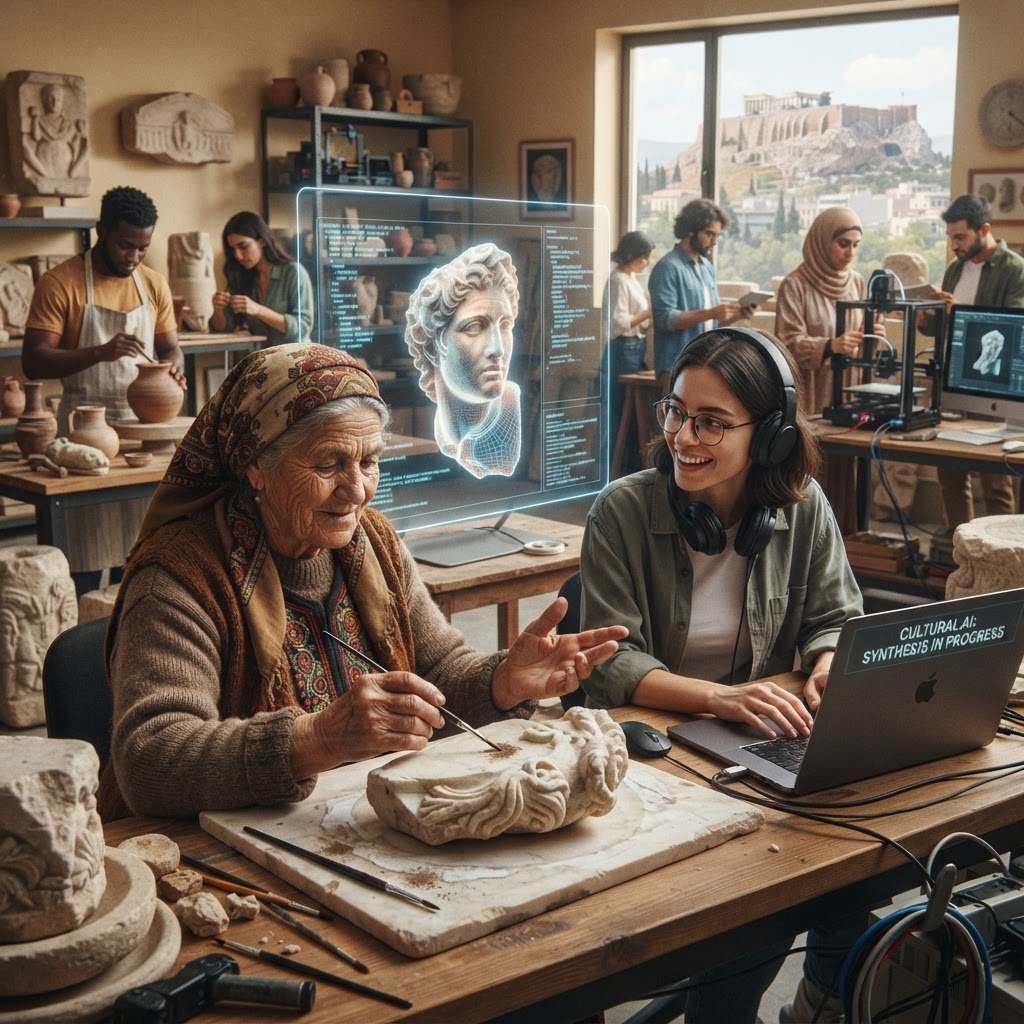
Global Culture at a Crossroads: Heritage Preservation, AI Disruption, and Inclusive Rebirth
Around the world, cultural policymakers, artists, and institutions are navigating shifting paradigms—from international mandates defending creative heritage against technological disruption to boundary-breaking exhibitions and regional performing arts showcases.