Diplomatic Deadlock and Ecological Momentum: Inside the Final Stretch of COP31 in Antalya
As high-level negotiations in Türkiye hit familiar political impasses over fossil fuel phaseouts and climate finance, parallel coalitions are pushing ahead on nature-based solutions, AI decarbonization, and regional resilience.
A Familiar Impasse Over Fossil Fuel Language
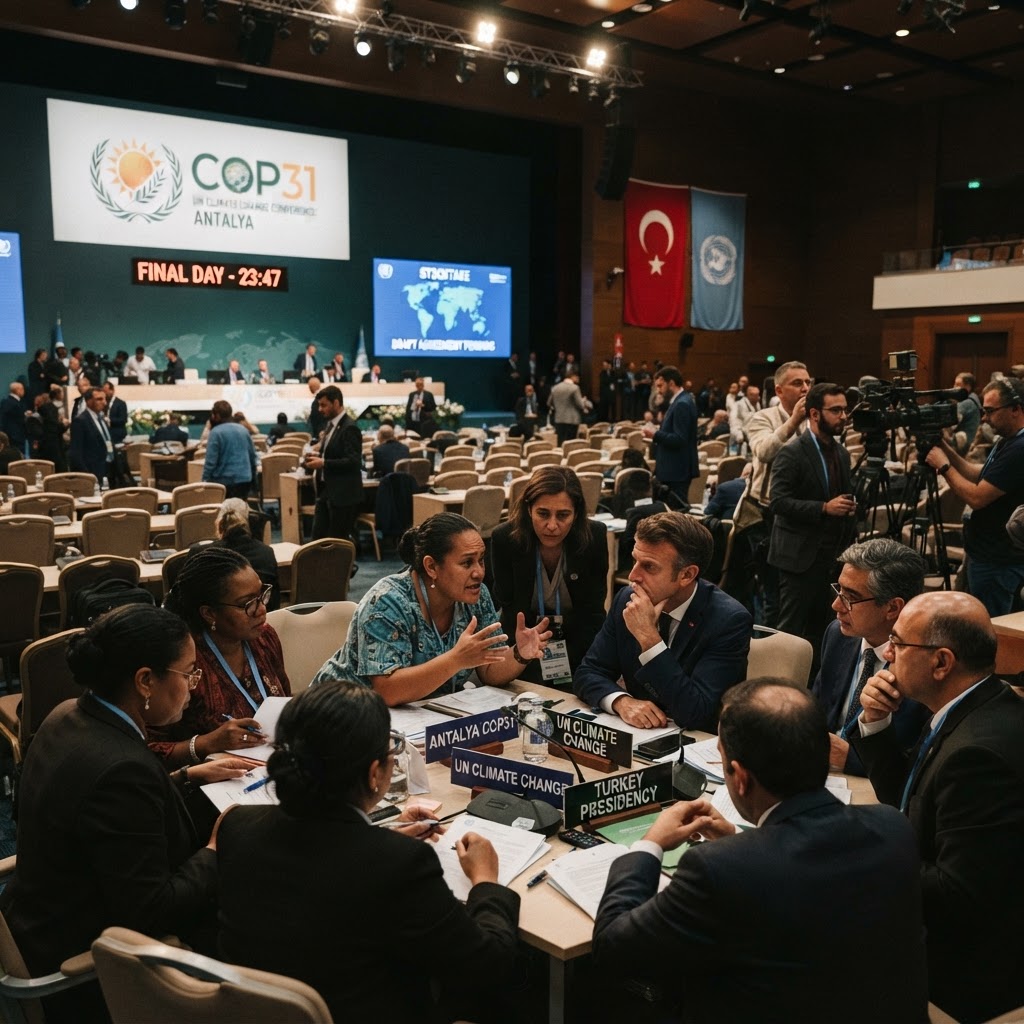
In Antalya, Türkiye, the final scheduled hours of the 31st United Nations Climate Change Conference (COP31) have been defined by tense political standoffs. As reported by CNN and confirmed in dispatch coverage by The Guardian, negotiators found themselves grappling with an all-too-familiar scenario: language mandating an "immediate transition away from fossil fuels in energy systems" was present in the earliest drafts of the overarching cover decision, only to be excised after intense pushback during ministerial sessions. This diplomatic backtrack mirrors the contentious debates from COP30, illustrating how central fossil fuel targets remain both critical to global emissions pledges and combustible at the negotiating table.
With over twenty distinct issues unresolved late in the conference—ranging from adaptation finance metrics to just-transition protections for labor—ministers were called into closed-door political discussions, termed a Turkish-style Divan, in a race to narrow divergences before the clock expired, according to UN News. UN climate leaders, while acknowledging stiff geopolitical headwinds, emphasized that keeping targets within reachable boundaries remains vital, even as negotiators braced for talks to drag well past the official deadline.
The Second Global Stocktake and the Science Mandate
Looming large over the negotiation rooms is the formal launch of the Paris Agreement’s second five-year Global Stocktake. This mechanism functions as a collective audit to determine whether current national climate action plans correspond with the real-world trajectory needed to stave off dangerous warming. Independent climate scientists and international figures—including former Irish President Mary Robinson and IPCC leadership—have urged countries not to weaken or delay forthcoming scientific assessments, noting that accurate tracking of adaptation finance and loss-and-damage mechanisms requires uncompromised data, as noted by UN News.
Discussions around transitional technologies also revealed a widening debate over emerging infrastructure. Türkiye and the UN International Telecommunication Union launched the Antalya Artificial Intelligence Pledge, securing dozens of state endorsements to balance the environmental promise of artificial intelligence against its massive consumption footprint. While algorithmic tools can optimize electrical grids and predict extreme weather patterns, officials warned that power-hungry data centers risk surging global emissions if left unregulated.
Financing Adaptation and Super Pollutant Reductions
Beyond the headline gridlock in the plenary halls, practical financing frameworks saw moderate advances. Early in the conference, coalition partners mobilized over $480 million in funding targeting methane and short-lived climate pollutants across agriculture, waste, and fossil extraction, building on the broader Global Methane Pledge initiative detailed by Earth.Org. Simultaneously, multilateral lenders such as the Asian Development Bank and the Green Climate Fund teamed up with Pacific Island nations to launch a programmatic approach unlocking more than $1 billion to safeguard fragile coastal infrastructure against intensifying sea-level rise.
These funding pledges arrived amid renewed appeals from UN leadership for states to introduce windfall profit taxes on traditional energy companies. Highlighting the stark financial divide between high-earning energy majors and under-resourced developing nations, advocacy groups and vulnerable island states reinforced that financial transfers for adaptation and loss recovery remain non-negotiable pillars of climate justice.
Nature-Based Solutions and Carbon Integrity Move Forward
In parallel to the multilateral track, biodiversity and ecological restoration generated notable cross-border developments. Global market summaries from Carbon Pulse detailed new blue carbon regulations launched by Indonesia to monetize marine ecosystem preservation, alongside multimillion-dollar investments in Colombian agroforestry and EU marine conservation grants. Multilateral coalitions also unveiled the Peatland Breakthrough, seeking to direct significant capital toward the restoration of high-carbon wetland sinks globally.
At the same time, regional conservation pacts expanded. According to the IUCN, Albania formally entered the ENACT Partnership during the Antalya summit, strengthening its policy integration between domestic habitat restoration and climate adaptation. Yet, amid this enthusiasm for nature-based initiatives, market watchdogs and researchers continue to urge caution. Policy debates over jurisdictional carbon registries and the integrity of domestic offset crediting mechanisms highlight a persistent reality: nature-based carbon markets cannot serve as an effective substitute for deep, verifiable structural emissions cuts in the broader economy.
Recommended for you
Similar to “Environment”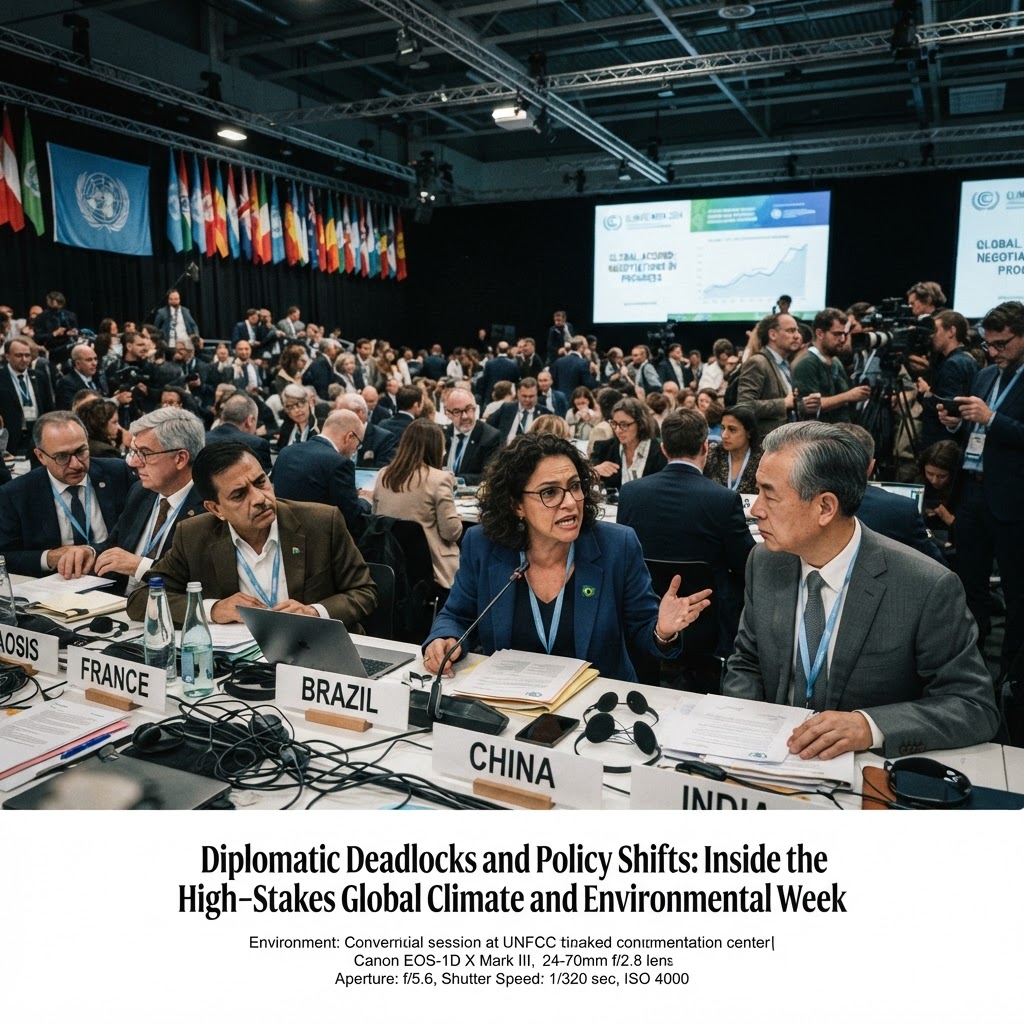
Diplomatic Deadlocks and Policy Shifts: Inside the High-Stakes Global Climate and Environmental Week
As high-stakes COP31 negotiations in Antalya reach a contentious climax over fossil fuels and climate finance, parallel decisions in Europe and fresh scientific assessments underscore the complex balancing act between environmental ambition and political pragmatism.
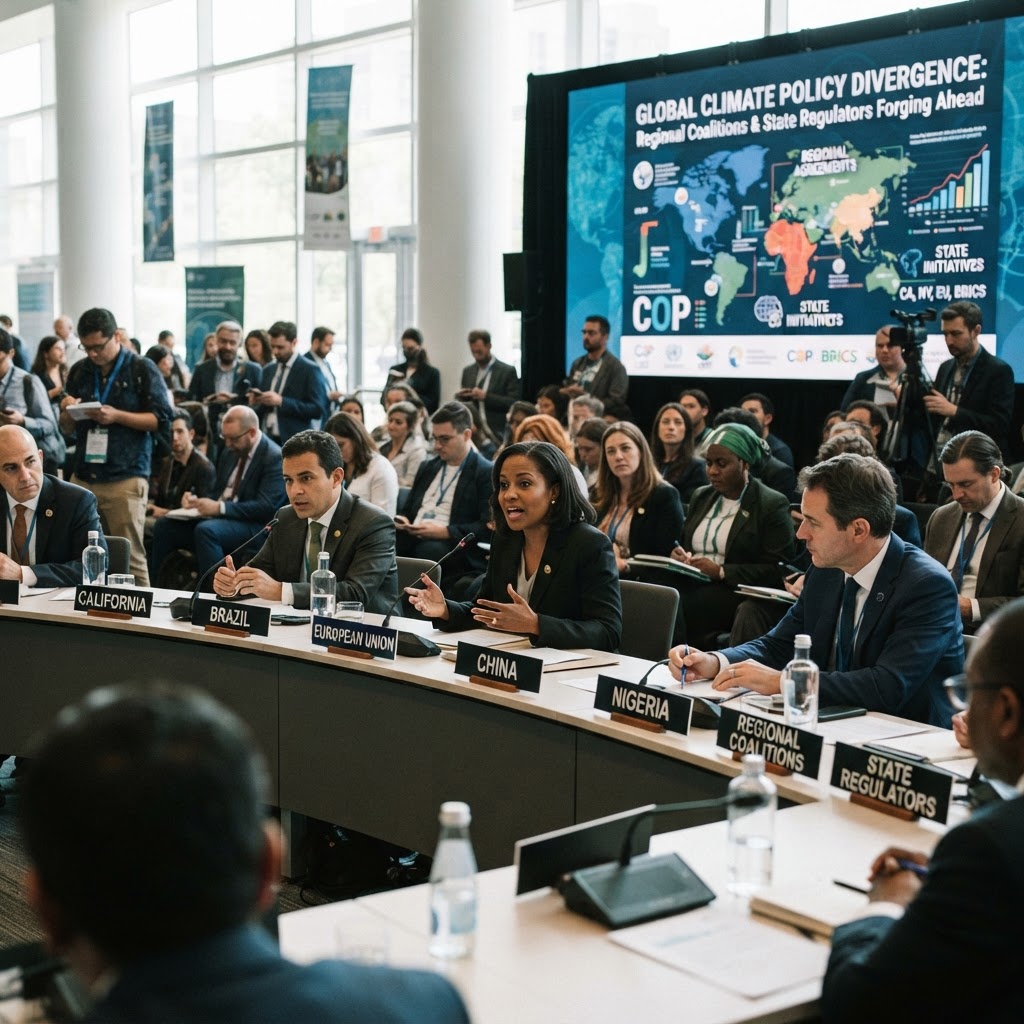
Global Climate Policy Diverges as Regional Coalitions and State Regulators Forge Ahead
While national rollbacks and fossil fuel deregulations face fierce court battles in the United States, subnational actors and developing nations are accelerating carbon architecture and biome protections worldwide.
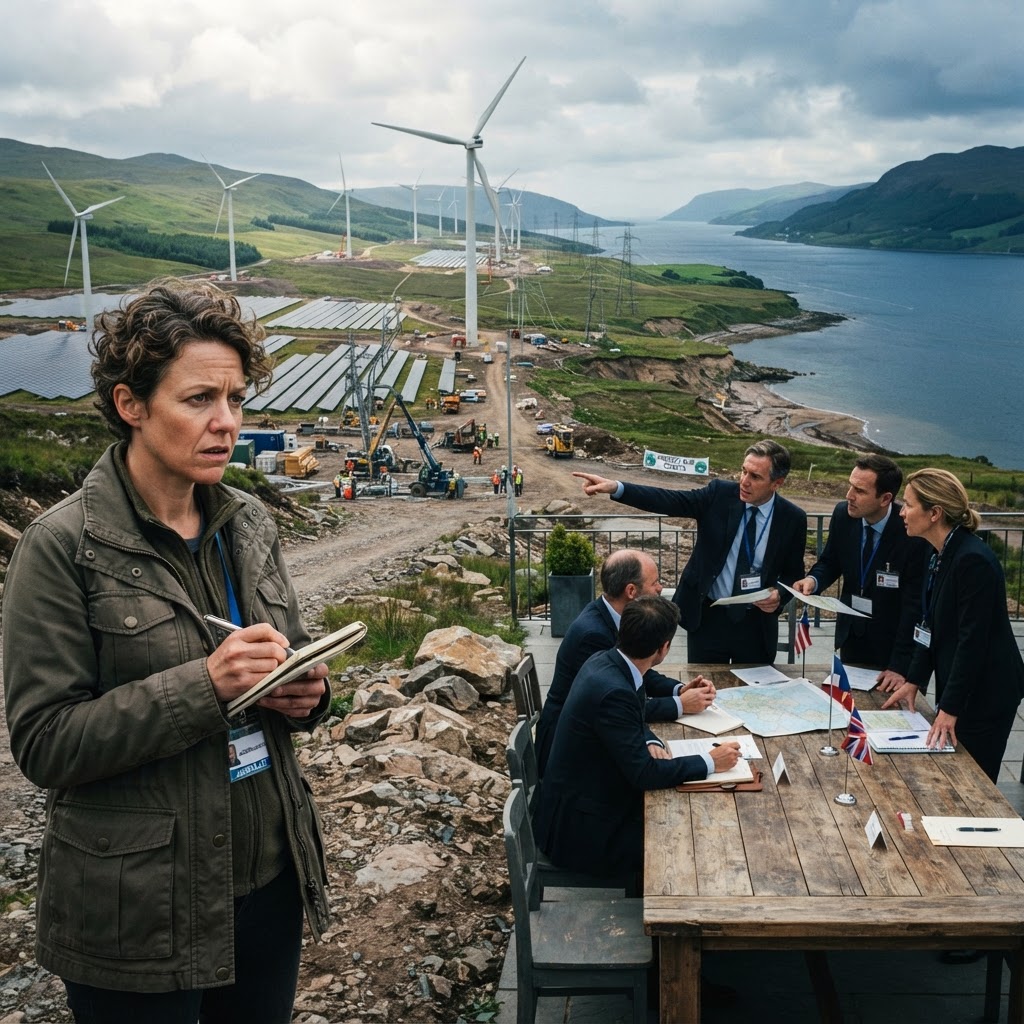
Navigating the Ecological Precipice: Accelerating Clean Energy, Diplomatic Bottlenecks, and the Fight for Earth's Health
As planetary indicators hit historic warning levels, rapid renewable energy deployment and judicial victories contrast sharply with fraught international negotiations over finance, plastics, and emissions targets.