Bridging Lifespan and Healthspan: Global Medicine Confronts Emerging Environmental Threats, Superbugs, and Diagnostic Inequity
Recent high-level global summits, epidemiological reports, and technological rollouts highlight an intensifying push to align biomedical breakthroughs with disease prevention and equitable public health delivery.
The Widening Gap Between Longevity and Quality of Life
In international public health corridors, a decisive consensus is forming: modern medicine can no longer focus solely on prolonging human lifespan without aggressively expanding 'healthspan'—the period of life spent free from debilitating chronic illness. At the inaugural DIA-MHRA Global Summit in London, clinical leaders, regulatory authorities, and industry pioneers convened under the banner of international regulatory cooperation to dissect why scientific innovation is leaving critical preventative gaps. Experts highlighted that while biopharmaceutical therapies have reached unprecedented sophistication, routine health systems continue to manage chronic pathology reactively rather than intercepting disease at its molecular and lifestyle precursors. Regulators and researchers emphasized the need to shorten clinical development pathways, integrate preventative intervention trials before diseases evolve irreversibly, and harness harmonized regulatory frameworks to ensure novel interventions are affordable and scalable across domestic healthcare networks.
Environmental Pathologies and the Escalating Microplastics Crisis
Parallel to systemic debates on healthcare delivery, environmental health has taken center stage as evidence mounts regarding synthetic contaminants infiltrating biological systems. Global attention has sharply pivoted toward microplastics and nanoplastics following recent epidemiological warnings linking microscopic synthetic particles with the puzzling rise of early-onset colorectal cancers among young adults aged 20 to 49. As clinical researchers race to characterize how persistent particles induce gastrointestinal inflammation and disrupt cellular integrity, civic and international bodies are mobilizing. At World Health Organization headquarters in Geneva, youth delegates representing more than 50 nations adopted a landmark youth declaration demanding the formal inclusion of binding human health safeguards within the upcoming global plastics treaty negotiations. The delegates called for enforceable production caps, systematic biomonitoring protocols, and strict phase-outs of endocrine-disrupting chemicals, warning that chronic exposure begins well before adulthood and directly impairs long-term population health.
The Race Against Superbugs and Resistant Pathogens
While environmental hazards present long-term systemic threats, acute microbial resistance continues to exert immense pressure on global healthcare infrastructures. As antimicrobial stewardship organizations caution that national action plans still fail to provide adequate diagnostic testing and frontline treatments, biopharmaceutical initiatives are testing bold new chemical avenues. Recent funding awards, including commitments from CARB-X, have funneled capital into re-engineering novel bacterial cell-wall disruptors such as darobactin, an investigational peptide targeting resistant Gram-negative strains through mechanisms untouched by existing antibiotic classes. Simultaneously, preventive vaccinology is making strides against enteric and pediatric pathogens. Novel multivalent vaccine formulations targeting invasive non-typhoidal Salmonella have advanced into intermediate-stage clinical evaluations, providing a glimmer of hope for vulnerable pediatric populations across low- and middle-income regions where antibiotic-refractory bacterial infections yield devastating mortality rates.
Equitable Diagnostic Delivery and Algorithmic Frontiers
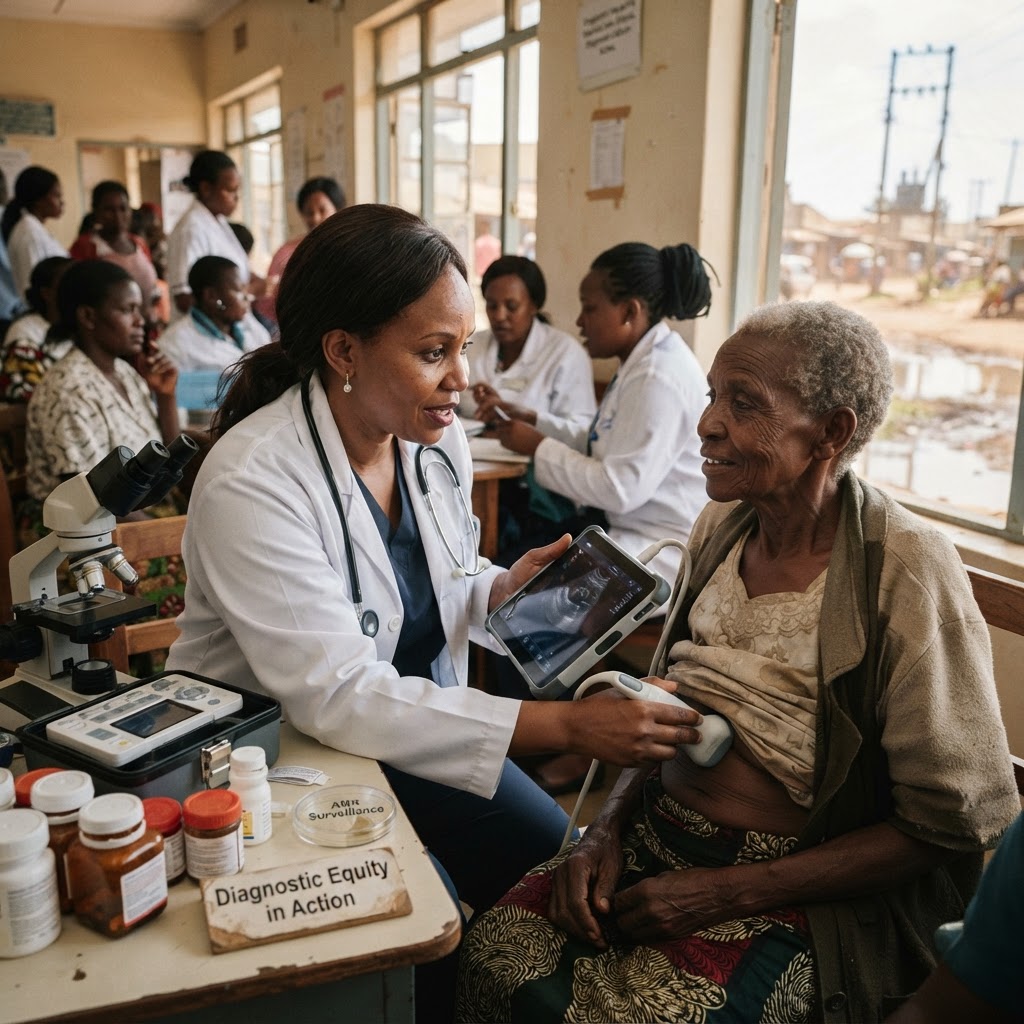
The translation of biomedical progress into tangible patient impact ultimately hinges on diagnostic access at the 'last mile.' Across sub-Saharan Africa and underserved rural regions worldwide, automated intelligence is bridging acute specialist deficits. Frontline tuberculosis screening programs are deploying ultra-portable, artificial-intelligence-assisted radiographic hardware that detects subtle pulmonary lesions on site, bypassing urban hospital bottlenecks and identifying infectious cases before severe community transmission ensues. Coupled with recent international pricing pacts lowering cost barriers for molecular testing—such as subsidized human papillomavirus screening kits aimed at eliminating preventable cervical malignancies—the convergence of decentralized diagnostics and data-driven logistics demonstrates that equitable delivery models are as vital as the laboratory discoveries themselves.
Recommended for you
Similar to “Global Health”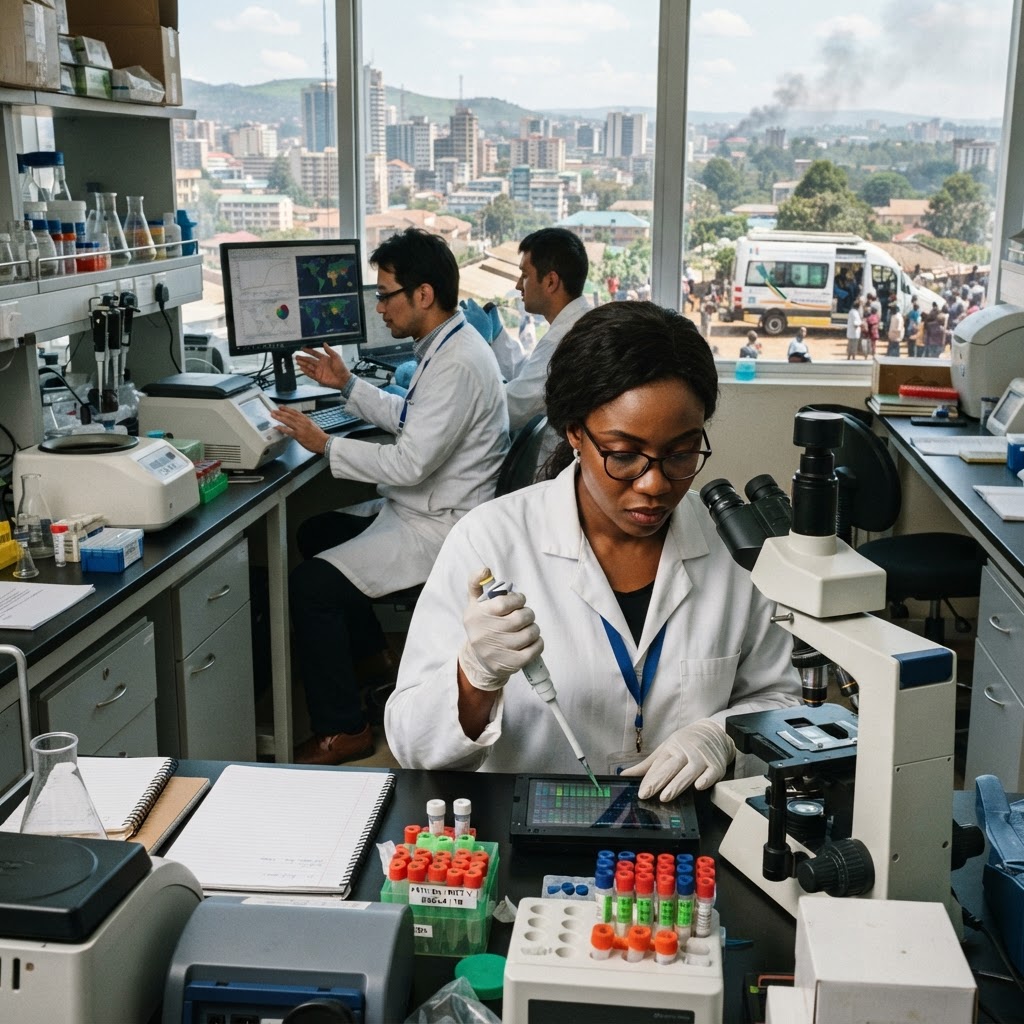
Frontiers in Global Health: Resurgent Pathogens, Breakthrough Diagnostics, and Emerging Environmental Threats
Recent developments across public health reveal a stark contrast between accelerating medical innovations—including blood tests for CTE and shortened tuberculosis regimens—and escalating threats from infectious resurgences, microplastics, and chronic disease.
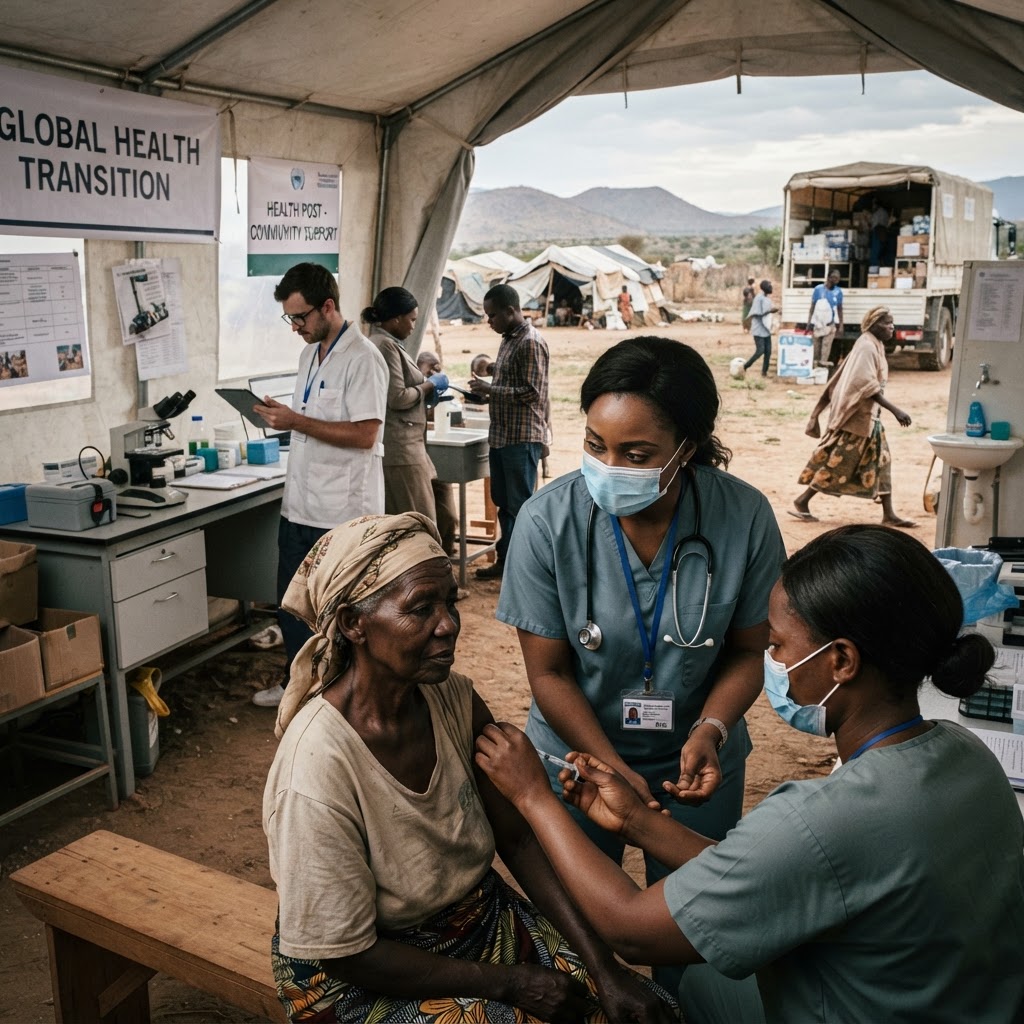
Global Health in Transition: Shifting Guidelines, Environmental Alarms, and Emerging Epidemic Hurdles
Recent major developments across international public health highlight transformative shifts in screening standards, growing alarms over environmental contaminants, and persistent challenges facing disease containment.
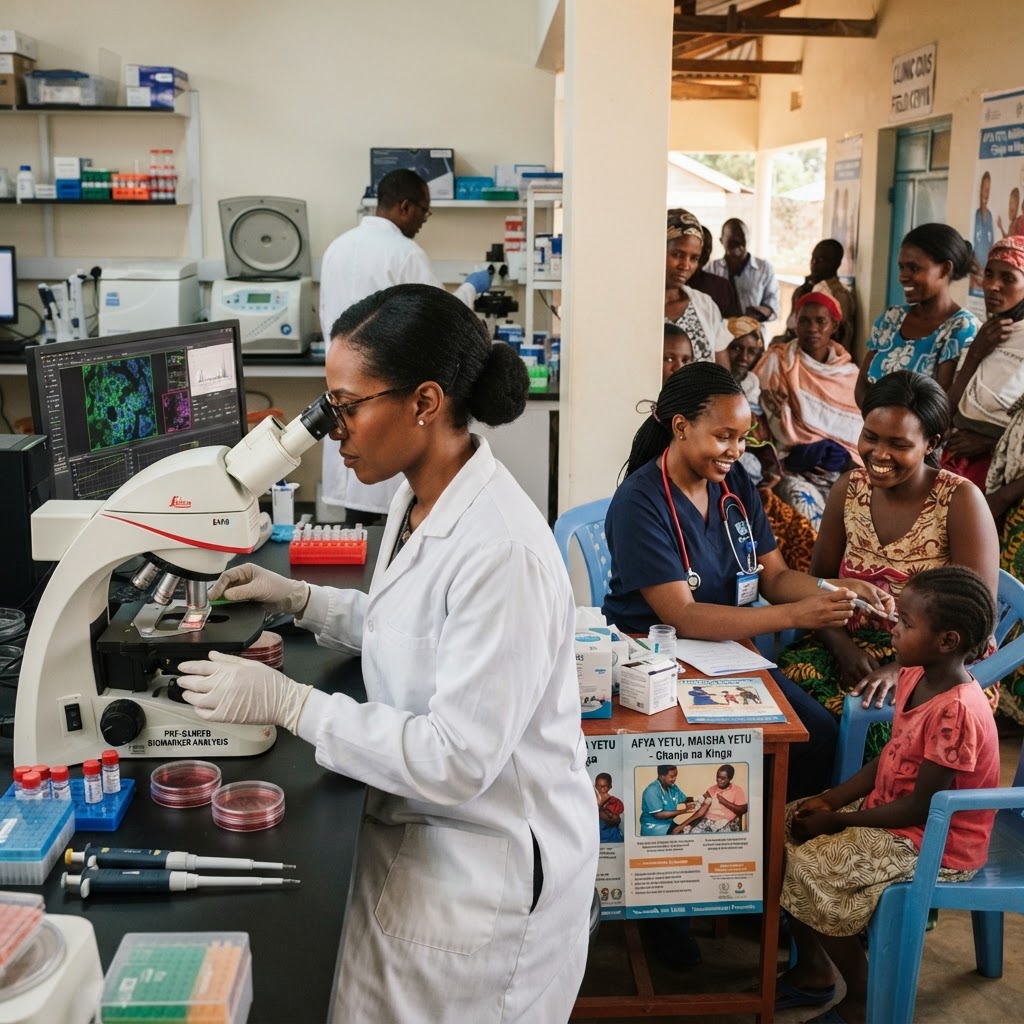
Frontiers in Medicine and Public Health: From Precancerous Biomarkers to Global Preventative Shifts
Recent breakthroughs in non-invasive cancer screening, dietary sodium reduction, and maternal-focused clinical trials are reshaping healthcare delivery even as public health infrastructure confronts funding and epidemic pressures.