A Convergence of Crises: How Global Health is Responding to Superbugs, Environmental Toxins, and Care Gaps
Recent international health milestones showcase a critical turning point as researchers and policymakers tackle antimicrobial resistance, microplastic hazards, and decentralized medical innovation.
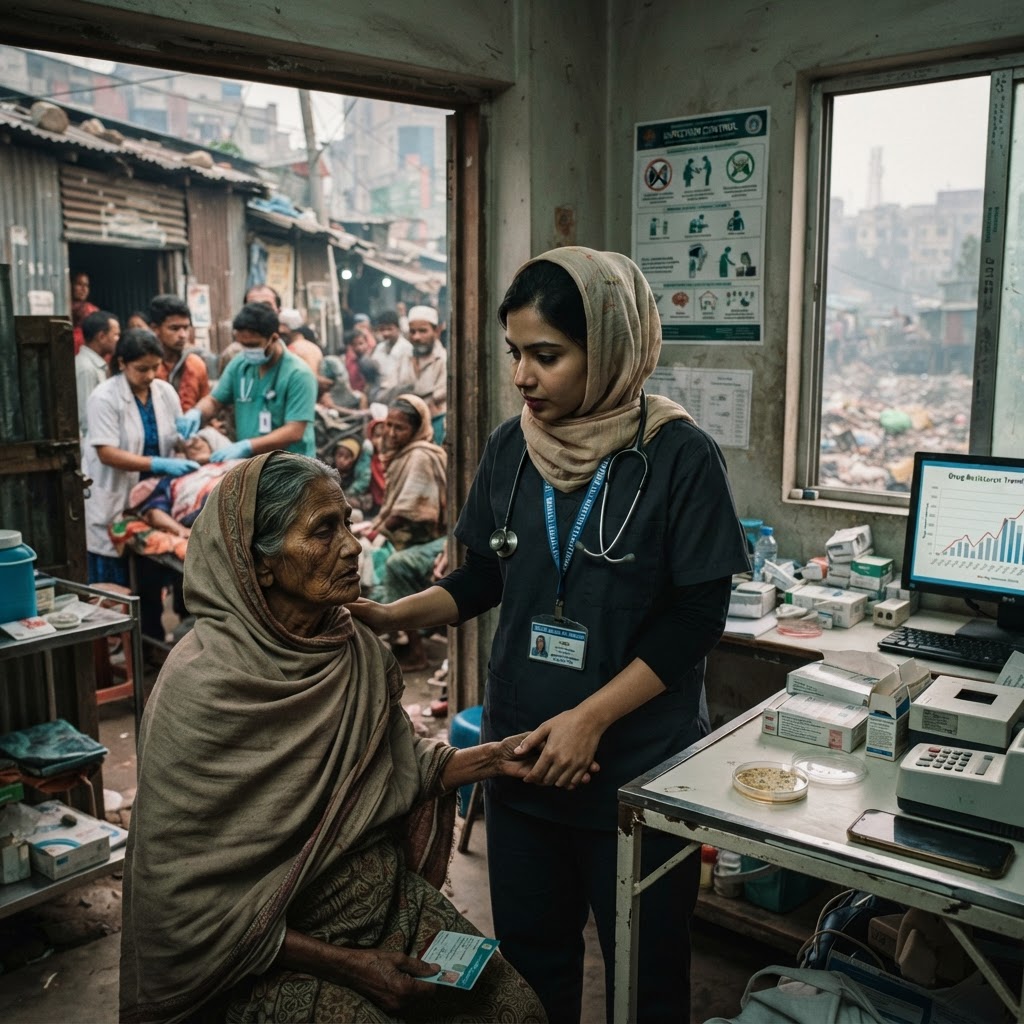
The Urgent Fight Against Antimicrobial Resistance
As the international medical community observes World Antimicrobial Resistance (AMR) Awareness Week, global health leaders and clinicians are redoubling efforts to curb the rising tide of drug-resistant pathogens. The World Health Organization reported that while an increasing number of member states have formulated national action plans against AMR, significant systemic gaps remain in diagnostic testing and access to effective treatments. Misuse and overprescription of broad-spectrum antimicrobials continue to drive resistance, underscoring an urgent need to guide clinical interventions through rapid, precise microbiological evidence.
Addressing this challenge at the clinical frontline, researchers at the University of Leicester recently unveiled an emergency care diagnostic toolkit funded by the National Institute for Health and Care Research. The project focuses on standardizing early blood culture protocols in emergency departments. Studies show that up to half of adults receiving intravenous antibiotics in emergency settings never receive a preceding blood culture, complicating sepsis management and fueling broader resistance. By streamlining timely culture collection, healthcare providers can pinpoint causative bacteria and transition patients to targeted therapy without delay. Concurrently, novel therapeutics are advancing in the pipeline: accelerators such as CARB-X have committed new capital to develop innovative antibiotic classes targeting multidrug-resistant bacteria, offering fresh therapeutic avenues against recalcitrant infections.
Emerging Environmental Contaminants and Human Disease
Beyond infectious threats, the intersection of environmental degradation and chronic illness has taken center stage in public health discourse. Mounting epidemiological data highlighting a concerning rise in colorectal cancers among adults under fifty has spurred scientific investigations into environmental catalysts. Emerging research is pointing toward microplastics and nanoplastics as potential aggravating factors in gut inflammation and oncogenesis, prompting calls to treat plastic pollution not merely as an ecological disaster, but as an immediate human health crisis.
This sentiment resonated forcefully at the fourth Global Model WHO assembly held at the organization's Geneva headquarters. Hundreds of youth delegates representing over fifty nations adopted the landmark Global Model WHO Youth Declaration on Plastics and Health. The declaration calls upon international negotiators drafting the global plastics treaty to formally enshrine legally binding health obligations within the treaty text, arguing that previous informal drafts omitted critical health protections. Delegations advocated for strict caps on virgin plastic manufacturing, rapid phase-outs of high-concern petrochemical additives, and established limits on toxic compounds in medical devices, particularly those serving pediatric and maternal populations.
Reimagining Healthcare Delivery Through Decentralized Tech and Earlier Intervention
Simultaneously, pressure on hospital infrastructure is driving rapid innovation toward home-based management and early preventive diagnostics. At the inaugural DIA-MHRA Global Summit in London, health leaders highlighted a widening disparity between overall human lifespan and healthy healthspan. Industry experts and regulatory bodies emphasized that scientific progress must pivot away from late-stage rescue interventions and toward early disease interception and prevention, utilizing artificial intelligence and standardized data pipelines to hasten safe clinical trial recruitment.
Practical decentralization is already yielding measurable clinical results. In Australia, medical engineers and researchers from Western Sydney University secured dedicated innovation funding to scale a home-based biofeedback device for chronic bowel disorders. Clinical evaluations demonstrated that self-administered, app-guided pelvic floor retraining produces long-term symptom relief comparable to in-hospital continence therapy. Meanwhile, in underserved regions globally, ultra-portable imaging devices paired with diagnostic artificial intelligence are decentralizing infectious disease screening, enabling field workers to detect pulmonary infections like tuberculosis directly within remote communities rather than relying on distant specialist centers.
Equitable Access and Institutional Accountability
Despite these technological strides, the global health architecture continues to confront persistent inequities in access and funding. The COP31 climate negotiations in Türkiye drew sharp rebukes from public health bodies over steep reductions in pledges to international climate adaptation funds. Health advocates underscored that burning fossil fuels accounts for millions of premature deaths each year from ambient particulate pollution, demanding that public health indicators dictate green transition priorities.
Institutional accountability is also under scrutiny within domestic healthcare systems. Regulatory penalties levied against private insurers for denying timely pediatric behavioral healthcare highlight the chronic friction between patient access and bureaucratic administration. Whether closing gaps in specialized therapy, reducing testing disparities for oncogenic viruses in developing nations, or ensuring pathogen benefit-sharing across borders, recent developments signal that modern healthcare's greatest test lies in transforming scientific breakthroughs into equitable, timely public protection.
Recommended for you
Similar to “Global Health”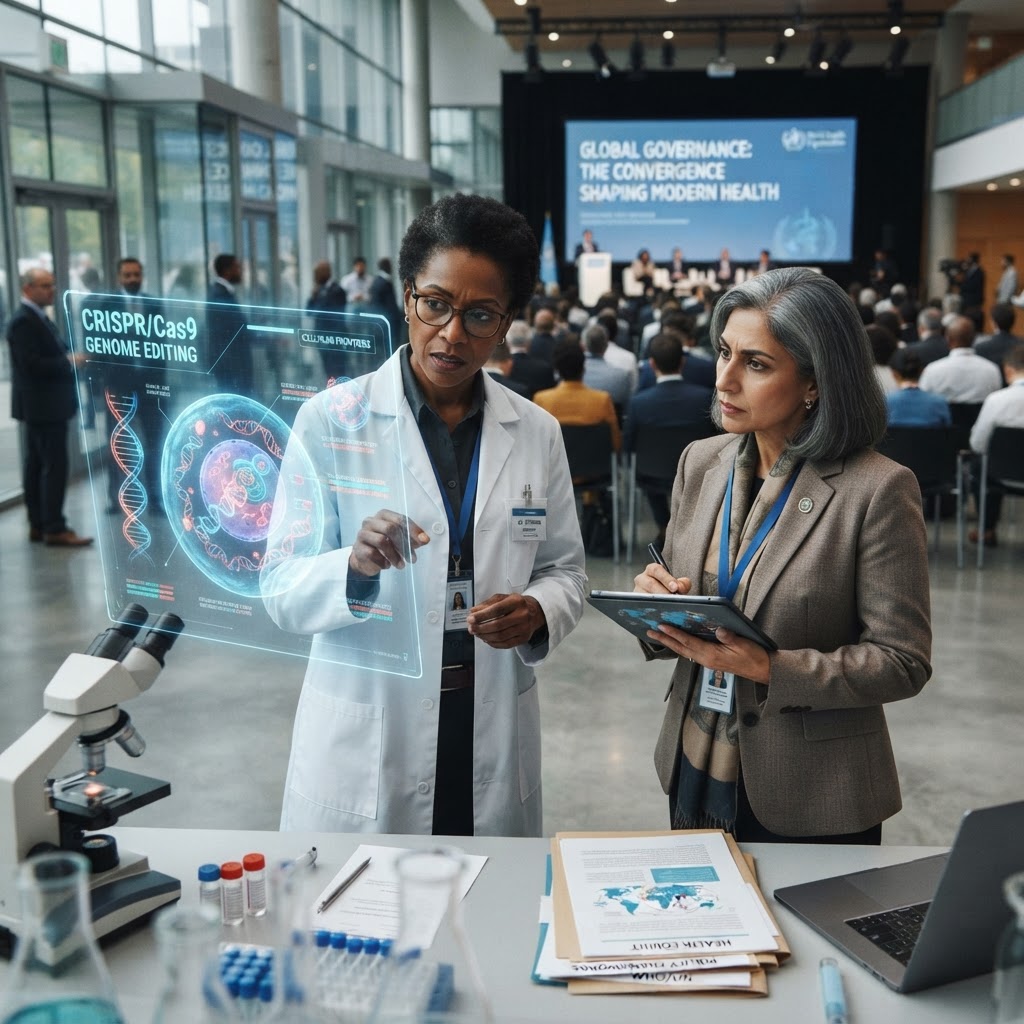
From Cellular Frontiers to Global Governance: The Convergence Shaping Modern Health
Recent clinical milestones and international public health accords are combining advanced molecular medicine with broader multilateral frameworks to address the world's most pressing medical challenges.
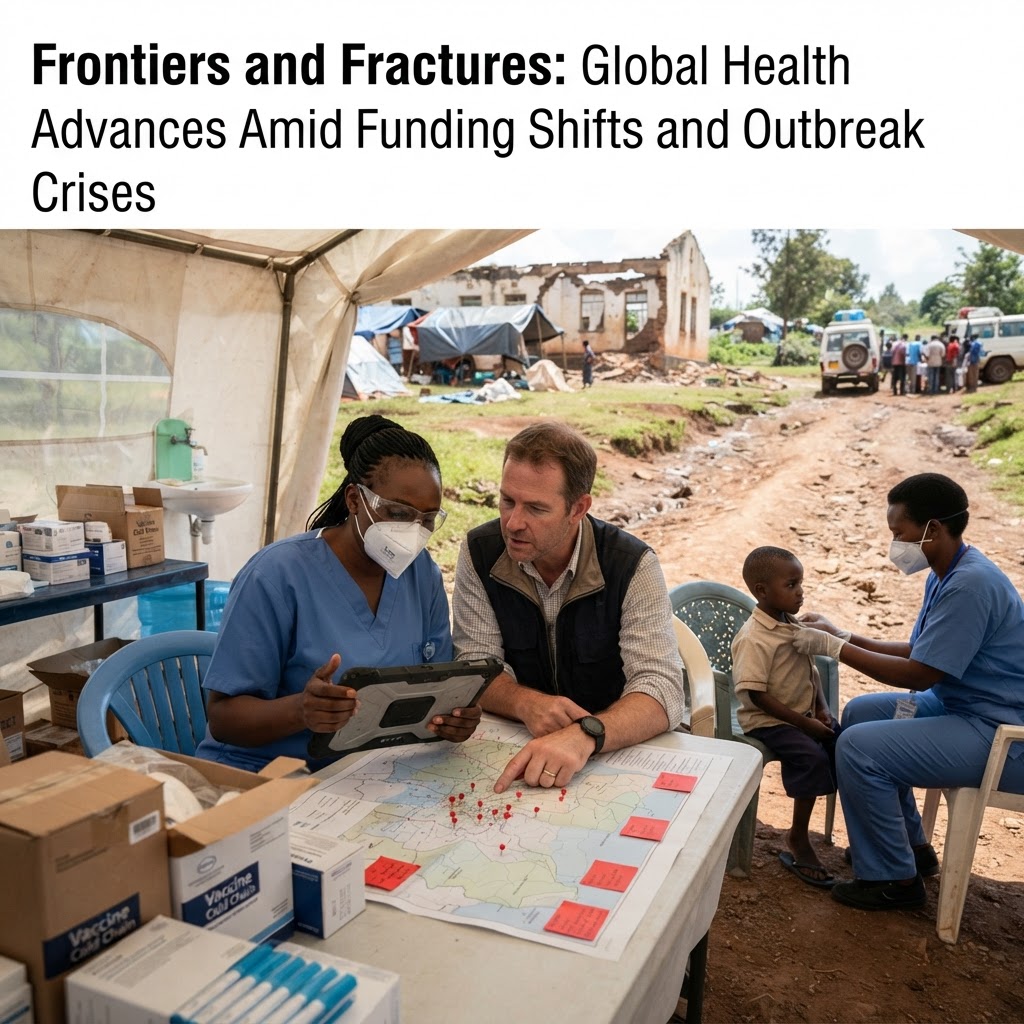
Frontiers and Fractures: Global Health Advances Amid Funding Shifts and Outbreak Crises
Recent breakthroughs in oncology and precision diagnostics are transforming modern medical practice, even as international public health infrastructure grapples with geopolitical funding shifts and persistent infectious disease crises.
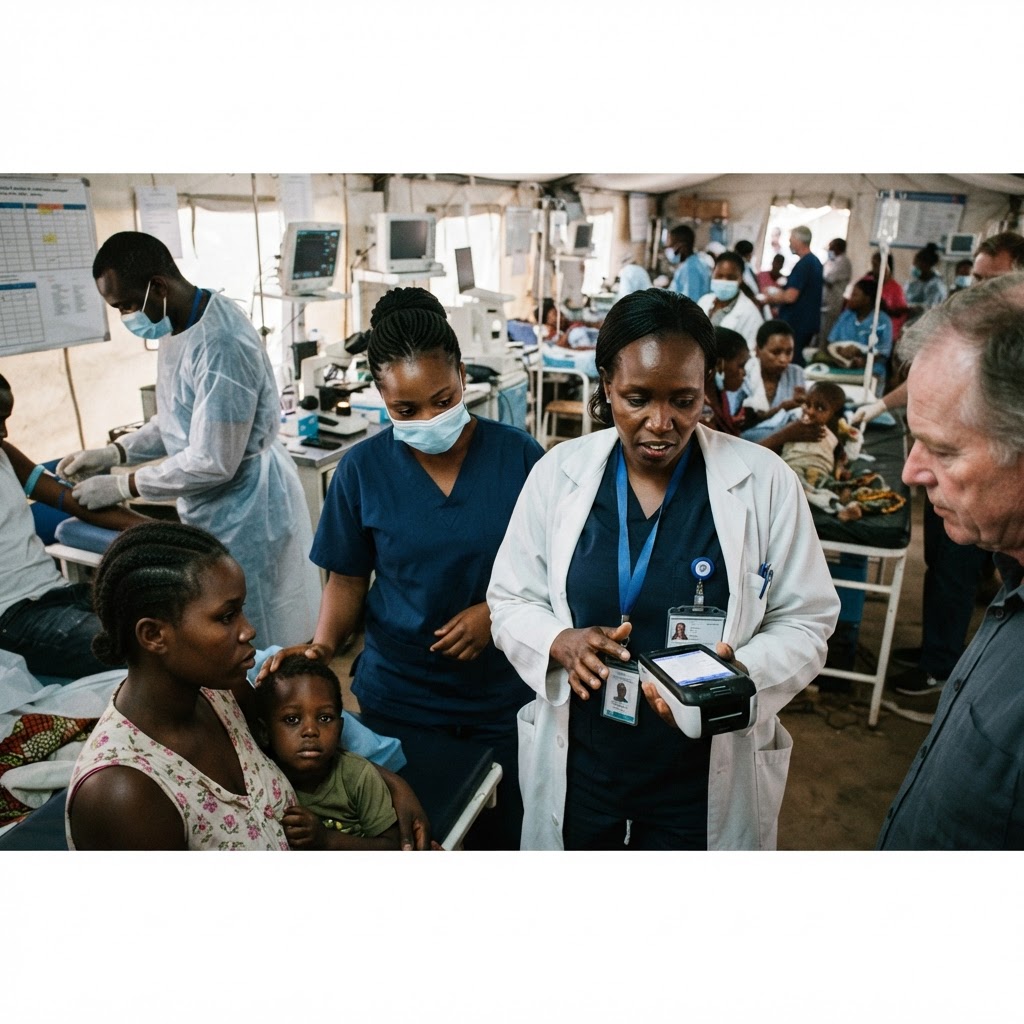
Global Health at a Crossroads: Tackling Chronic Crises, Emerging Pathogens, and Diagnostic Shifts
Recent major announcements across international public health spotlight urgent new clinical guidelines for diabetes and oncology alongside critical discoveries in pathogen transmission and neurodegenerative disease.