A Multipolair World in Flux: Great Power Summits, Shifting Coalitions, and Regional Cracks
Recent high-stakes trilateral diplomacy among global superpowers highlights deep structural shifts, prompting middle powers to adapt their security alliances amid escalating friction in the Middle East and the Horn of Africa.
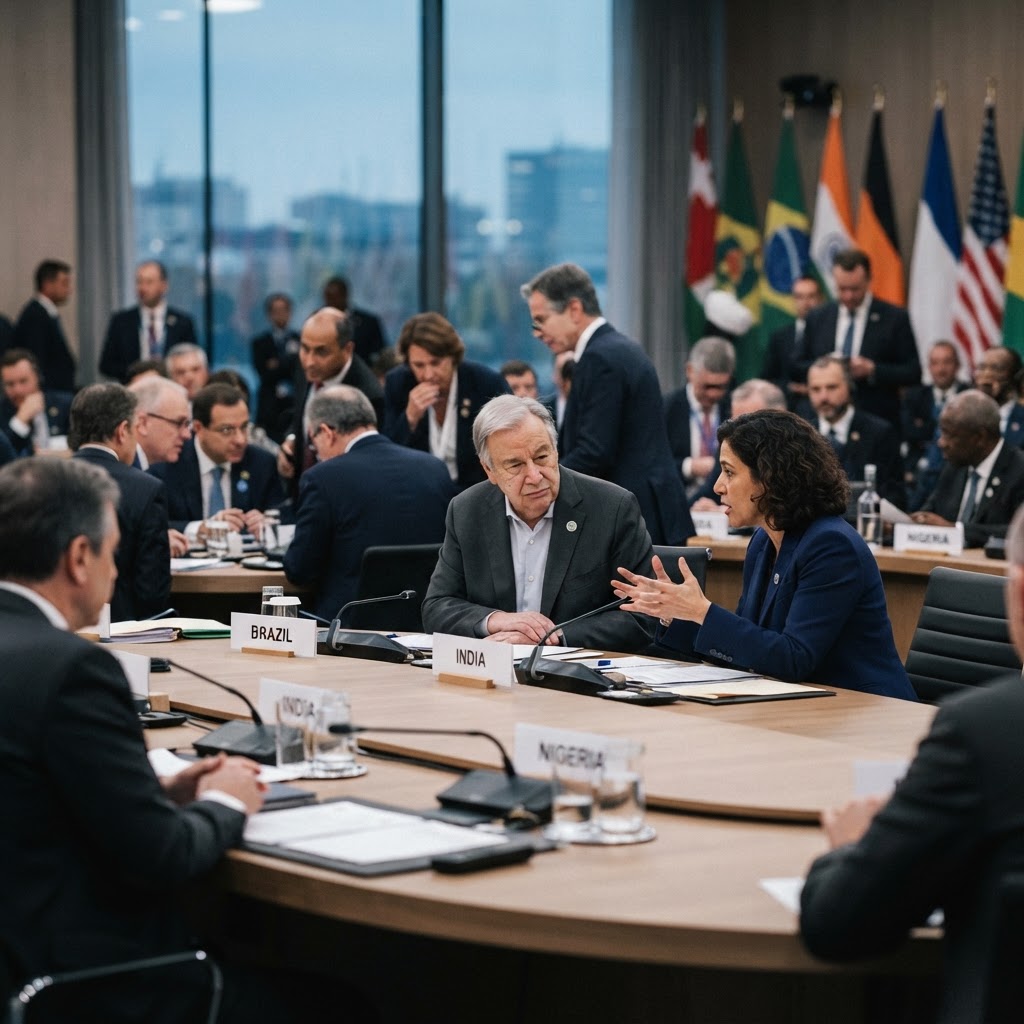
The Superpower Summit and an Evolving Balance of Power
In a diplomatic landscape marked by profound realignments, the global balance of power has entered a delicate phase following high-level trilateral engagements among the leaders of the United States, China, and Russia. Gathering against the backdrop of the Asia-Pacific Economic Cooperation talks in Shenzhen, U.S. President Donald Trump, Chinese President Xi Jinping, and Russian President Vladimir Putin projected an image of great-power engagement aimed at recalibrating trade friction and strategic posture. While the discussions emphasized mutual diplomatic engagement, they drew sharp rebukes from traditional European allies who expressed wariness over unilateral diplomacy and the erosion of multilateral security institutions, as reported by Democracy Now!.
For Beijing, the summit served as an opportunity to position itself as an indispensable arbiter of regional stability while preserving a fragile commercial holding pattern with the United States. Meanwhile, domestic political shifts within the American capital continue to color foreign affairs. Following the recent midterm elections, congressional leadership is facing renewed internal and external debates, underscored by the House Democratic nomination of Representative Hakeem Jeffries amid ongoing progressive discourse over foreign policy mandates and domestic priorities, according to Democracy Now!.
Middle Powers Forge Independent Strategic Paths
As the primary powers manage their shifting dynamics, secondary and middle powers across the Indo-Pacific are aggressively pursuing independent options to protect their sovereignty and economic interests. Rather than tethering their fortunes exclusively to the whims of great-power negotiations, nations like Japan and India are deepening bilateral defense pacts, as analyzed by The Japan Times. Tokyo’s recent security arrangements with New Delhi—including access agreements to test facilities—exemplify how regional actors are seeking strategic hedging against regional volatility.
Concurrently, multilateral forums like the Association of Southeast Asian Nations (ASEAN) have focused their regional meetings on insulating regional economies from broader geopolitical friction. Key agenda items spanning energy resilience, maritime stability, and food supply chains reflect a broader regional determination to build self-reliance in an era when global alliances appear increasingly transactional, detailed by the Ministry of Foreign Affairs.
Simmering Escalations from the Persian Gulf to the Horn of Africa
While leaders meet at diplomatic tables, acute geopolitical flashpoints continue to destabilize key global transit corridors. In the Persian Gulf and the Strait of Hormuz, maritime security remains highly compromised. Regional infrastructure strikes, including reported attacks on air defense assets and oil supply routes, demonstrate the persistent volatility that threatens international energy markets and sea lanes, according to News9live.
The ripples of Gulf competition are also destabilizing politics across the Red Sea and the Horn of Africa. In Somalia, President Hassan Sheikh Mohamud issued a severe rebuke of foreign interference, accusing the United Arab Emirates of undermining national unity by establishing independent security agreements and backing regional port infrastructure outside the authority of the central government, reported by SONNA and Sheba Intelligence. This dispute highlights how competition for ports along the Gulf of Aden can quickly entangle regional governance with broader strategic rivalries.
A Fragmented Landscape of Governance
Together, these disparate developments point to a fracturing international order. Whether navigating summitry in East Asia, parliamentary challenges in Western capitals, or the complex security dynamics of critical maritime choke points, statecraft is becoming markedly decentralized. As multilateral frameworks face structural fatigue, governments large and small are adjusting to an unpredictable world order defined by shifting loyalties and pragmatic, self-interested alliances.
Recommended for you
Similar to “Global Politics”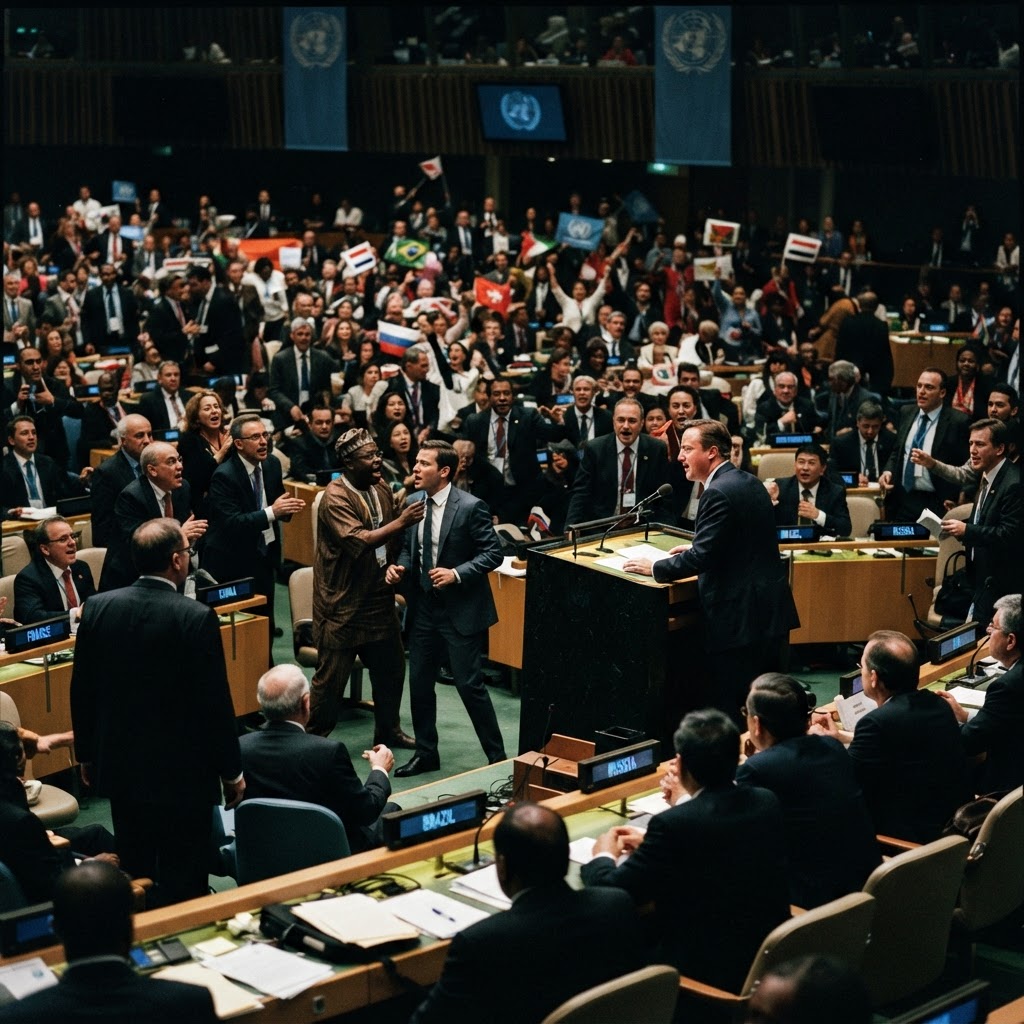
A Fractured World Order: Great Power Theatrics and Multiplying Global Strains
Recent high-stakes diplomacy between major powers has exposed deep global fractures, as landmark summits yield minimal substance amid escalating regional security threats and stalling climate negotiations.
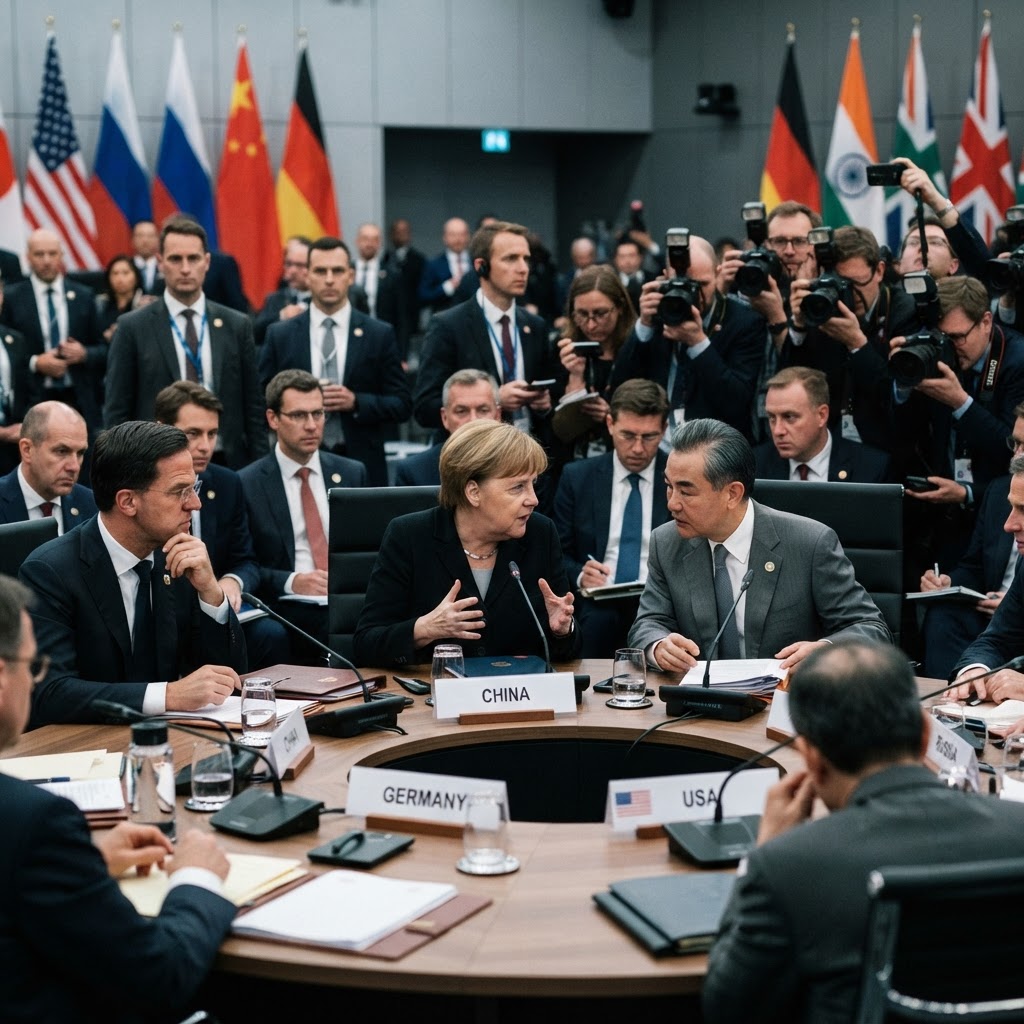
A Volatile Diplomatic Pivot: Great Power Summits, Shifting Coalitions, and Rising Regional Fractures
As high-stakes summits in Asia test alliances and bring global superpowers to Shenzhen and Manila, parallel security crises from Eastern Europe to the Middle East are reshaping international geopolitics.
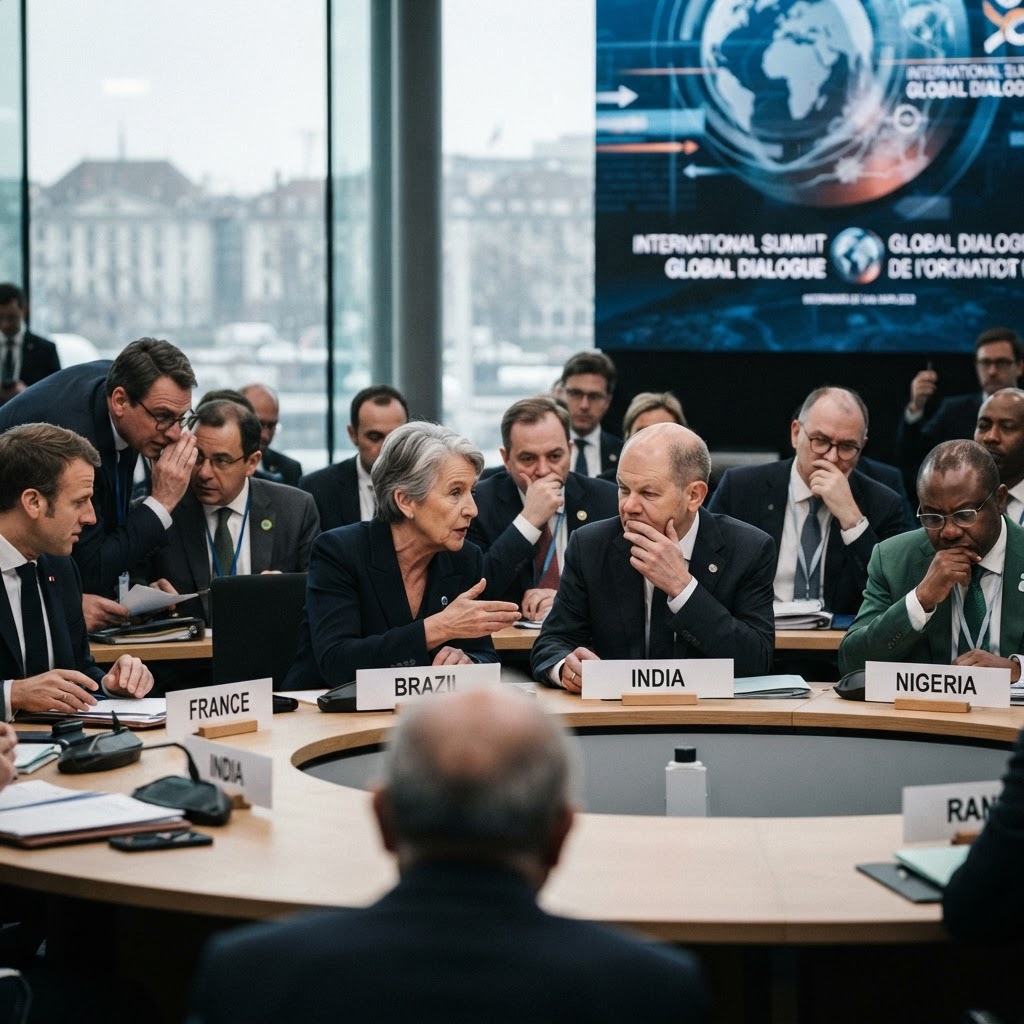
A Fractured World Order: Power Shifts, Diplomatic Realignments, and Crises Reshape Global Politics
Recent high-stakes diplomacy at regional summits, leadership transitions across major capitals, and escalating confrontations from the Middle East to Eastern Europe mark a defining moment of global realignment.