The Mirage of a Modern Yalta: Great-Power Summits and the Rise of Fragmented Sovereignty
Recent trilateral posturing among global superpowers has sparked intense debate over the resurrection of historical spheres of influence, revealing an international order shaped less by territorial pacts and more by geopolitical fragmentation and digital leverage.
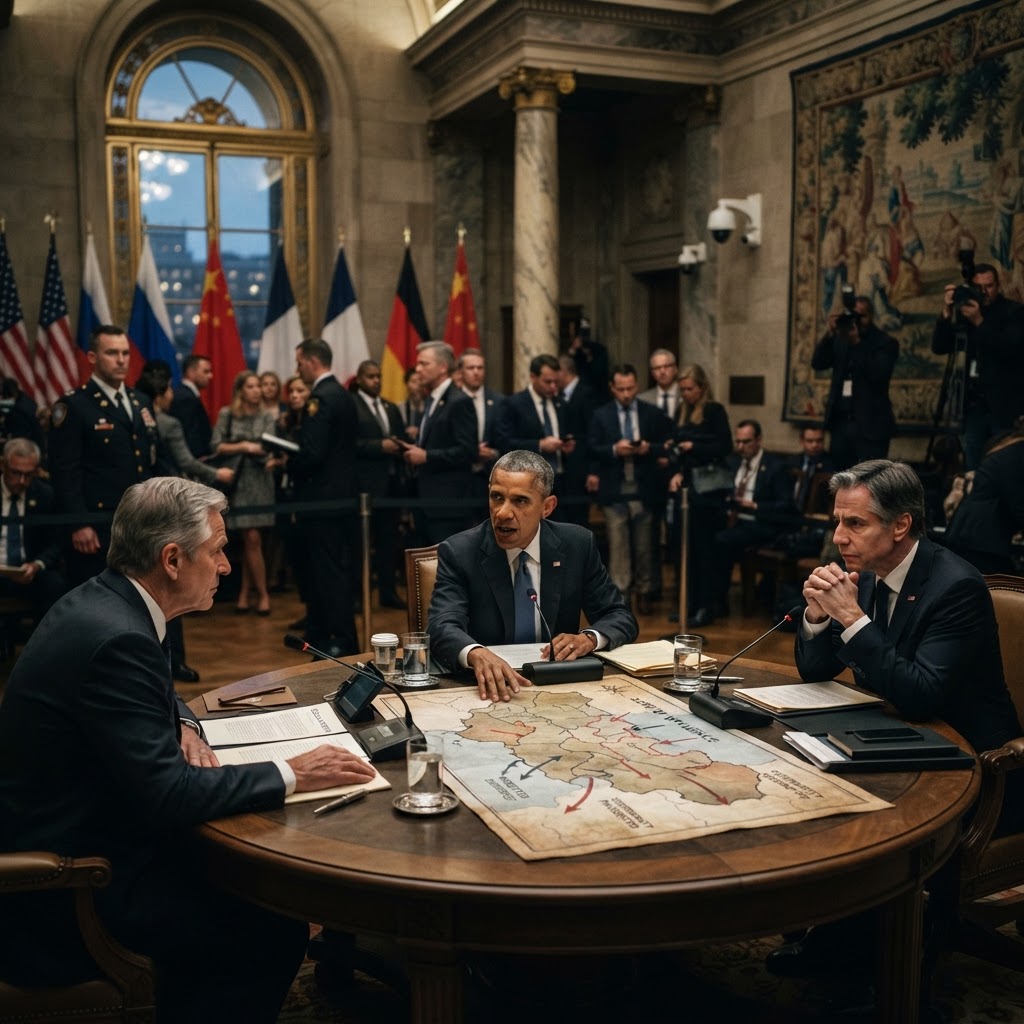
The Echoes of 1945 in a Fractured Age
In recent days, the halls of foreign policy debate have been consumed by a singular, unsettling historical parallel: the 1945 Yalta Conference. As leaders of the United States, China, and Russia engage in high-profile summitry—most notably examined in commentary responding to recent meetings in East Asia—international observers have begun questioning whether the world’s preeminent powers are attempting to carve the globe into new, exclusive spheres of influence once again, as highlighted by analyses in Daily News Egypt and The Japan Times. Yet across regional editorial pages and policy forums, a more complex and sobering consensus is emerging: while major capitals may still yearn for grand bargains, the modern world is far too interdependent and distributed to be partitioned with the stroke of a pen.
Commentators note that historical analogies, while seductive, often obscure more than they illuminate. Unlike the post-World War II landscape, where empires were exhausted and military frontlines delineated rigid borders, today's geopolitical tension operates along cross-cutting vectors. When Washington, Beijing, and Moscow project influence, their power is no longer defined strictly by garrisons and naval deployments. Instead, international standing is mediated through supply chain chokepoints, high-end semiconductor manufacturing, digital standards, and energy corridors.
The Illusion of Trilateral Control
Critical reaction to recent diplomatic maneuvers underscores deep skepticism toward grand pronouncements of peace negotiated over the heads of smaller nations, an anxiety raised across Southeast Asian commentary in Philstar.com and think-tank assessments from the Chicago Council on Global Affairs. Analysts point out that high-level communiqués often function primarily as political stagecraft—mechanisms for entrenched leaders to project domestic strength rather than establish enduring frameworks for international stability. When bilateral or trilateral talks occur behind closed doors, regional neighbors in Europe and the Indo-Pacific find themselves watching with justified alarm, wary that their sovereignty will be treated as secondary bargaining chips.
Nevertheless, foreign policy experts argue that the world has moved beyond an era where three men in a room can dictate global outcomes. Secondary and middle powers now wield asymmetric influence. Countries across the Global South, Southeast Asia, and the Middle East increasingly refuse to align themselves cleanly with any single pole. Rather than submitting to a traditional hegemony, they hedge their bets, balancing infrastructure investments from Beijing against defense assurances from Washington, all while negotiating energy security through regional pacts. This multi-alignment prevents any great power from locking in a durable monopoly over entire geographic blocs.
Technological Entanglement and the New Leverage
Nowhere is this dynamic more evident than in the strategic contest over critical technology, where international commentary has shifted away from conventional battlegrounds toward the architecture of artificial intelligence and advanced computing. Discussions regarding export controls on advanced hardware—amplified by recent corporate controversies and regulatory friction—illustrate how modern warfare and diplomacy are waged at the level of silicon, as reported by CNA and Fox News.
In this arena, traditional territorial conquest provides little security. A nation can control land borders, but remaining dependent on foreign software architectures, proprietary chip foundries, and undersea telecommunications cables leaves it perpetually exposed. Major powers are discovering that efforts to achieve absolute self-reliance are economically punishing, while efforts to coerce neighbors through tech embargoes often accelerate rival innovation and push trading partners to develop alternative, non-Western financial networks.
A Fractured Order Without Fixed Rules
What remains, then, is neither a cohesive multilateral system nor a tidy partition of the globe. Instead, international observers describe an increasingly volatile, ad-hoc order characterized by tactical alliances and constant friction. Major powers will continue to meet, issue joint declarations, and attempt to project an aura of global arbiters. However, their capacity to enforce compliance has noticeably decayed.
For the rest of the world, navigating this climate requires proactive defense of institutional norms rather than passive resignation to great-power bargains. If the legacy of mid-twentieth-century diplomacy taught us anything, it is that agreements made without the consent of affected populations rarely deliver peace. As public opinion across continents grows increasingly wary of external dictates, the future of international governance will likely be defined not in the private conference rooms of superpowers, but in the resilience of regional coalitions determined to defend their autonomy against both military coercion and economic leverage.
Recommended for you
Similar to “Geopolitics”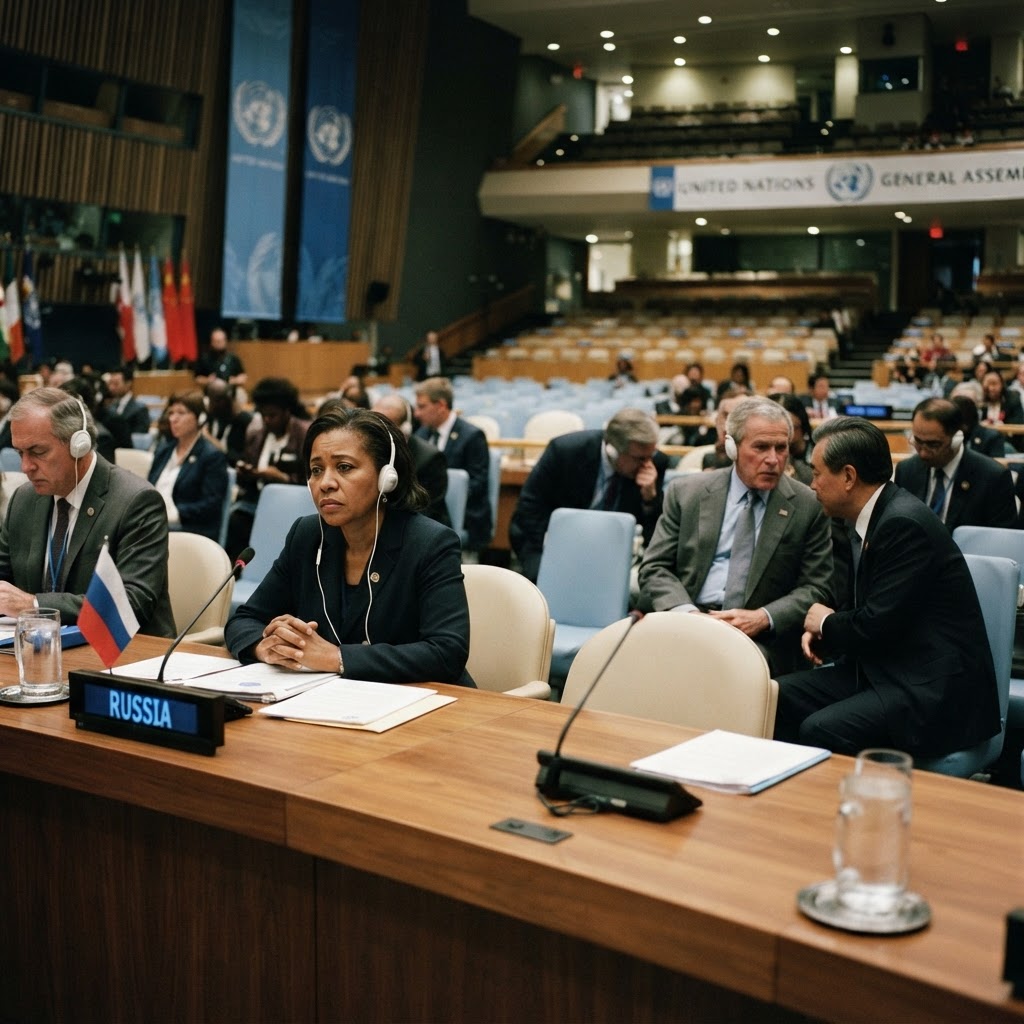
The Fracture of Global Trust: Why Multilateralism Still Matters in an Era of Great Power Rivalry
As public faith in global superpowers wavers amid escalating geopolitical friction, international commentary and polling reveal a decisive turn toward collective security institutions over unilateral hegemony.
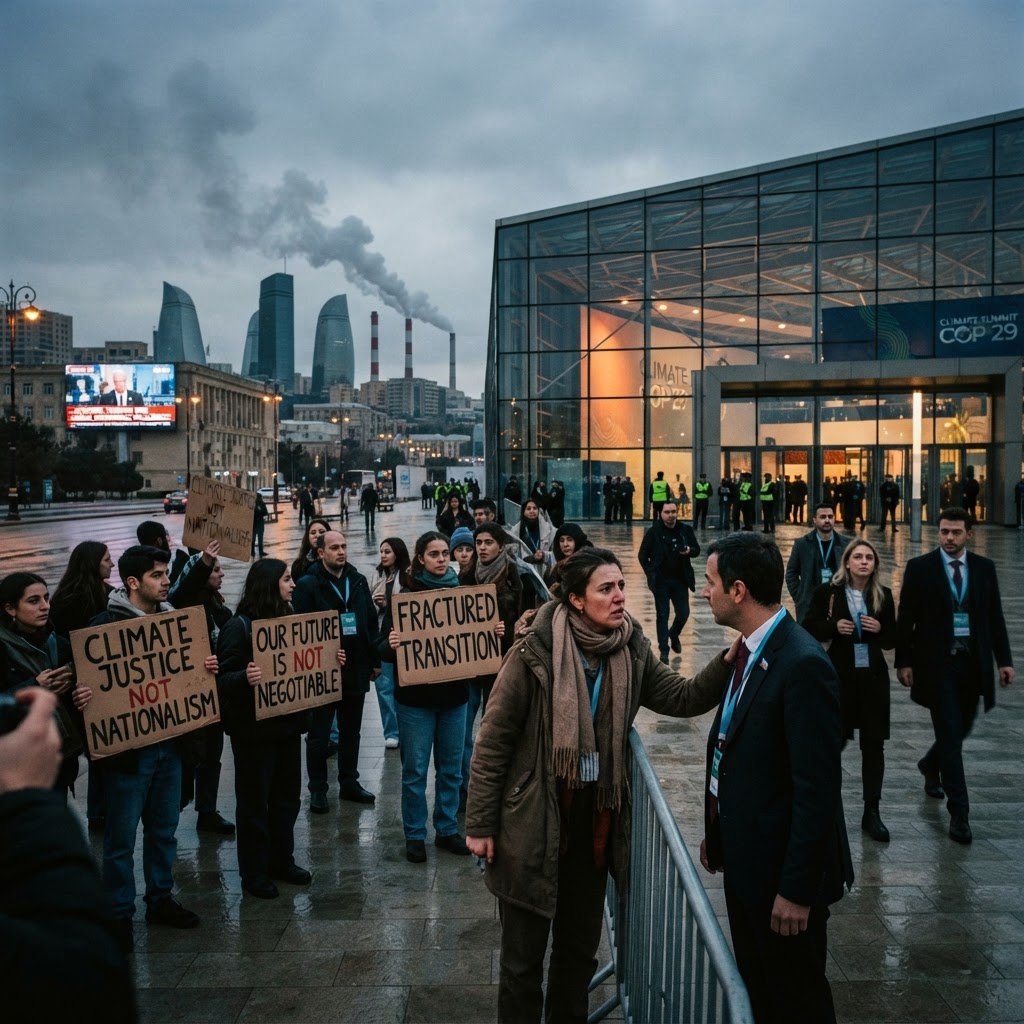
A Fractured Transition: Climate summits, economic nationalism, and the reordering of global governance
As global commentators reflect on recent political shifts and diplomatic summits, international opinion reveals an overarching convergence: the old frameworks of global governance and climate cooperation are buckling under the weight of geopolitical fragmentation.

A World in Flux: How Geopolitics, AI Disruptions, and Climate Realism Are Reshaping Global Opinion
Recent commentary across major international publications reveals a shared reckoning over shifting electoral dynamics, the unvarnished realities of the global climate crisis, and the unchecked footprint of modern technology.