Diplomacy on the Brink: Confronting Chokepoints, Tech Anxieties, and Shifting Global Alliances
From disrupted naval transit in the Persian Gulf to ideological divides over artificial intelligence, global commentators are wrestling with the fragilities of modern multilateralism.
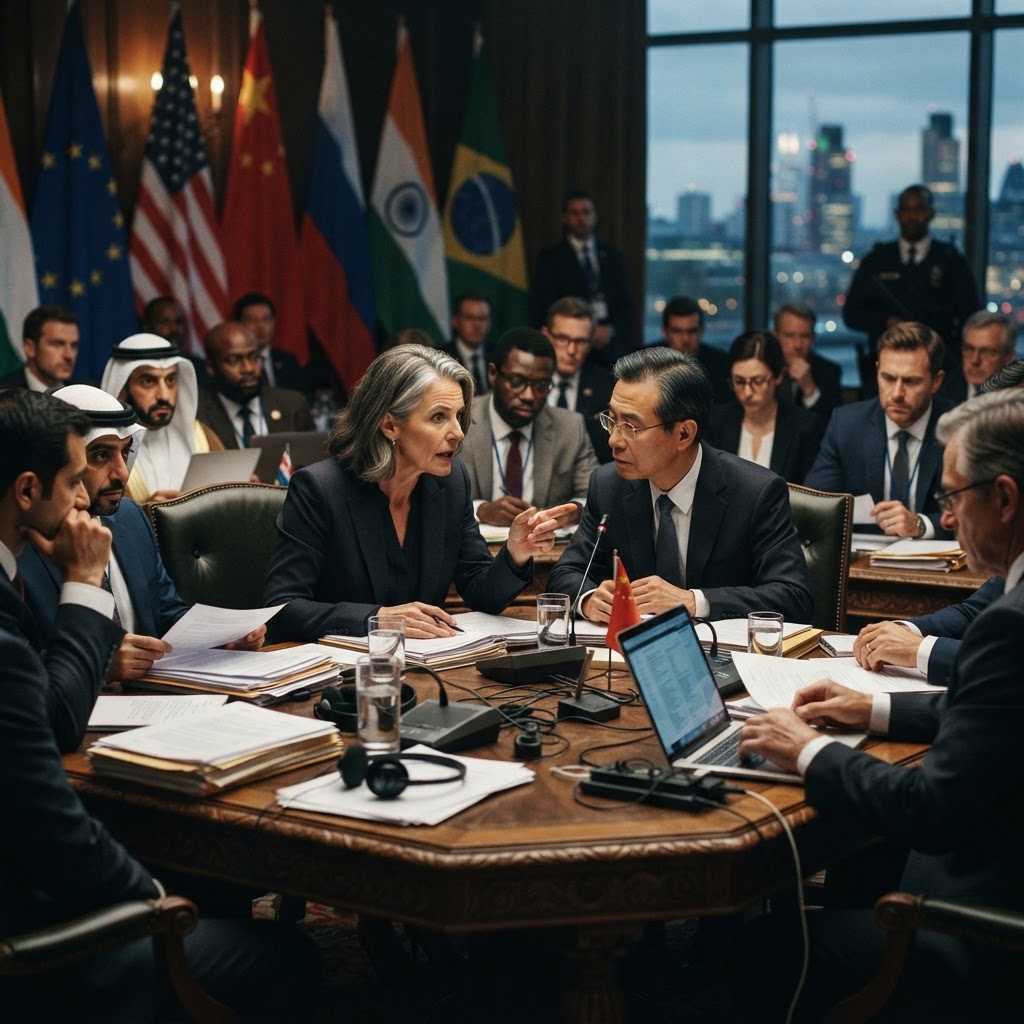
The Strain on Strategic Waterways and Broken Dialogue
In commentary sections across the globe, analysts and editorial boards are grappling with an increasingly fragmented international order. Nowhere is this tension more palpable than in the Middle East, where strategic chokepoints and unfulfilled diplomacy are testing regional stability. Commentators at the Gulf Times highlighted the acute fallout from the aborted ministerial gathering in Salalah, Oman. What was intended as a breakthrough direct dialogue between Iran and the Gulf Cooperation Council regarding safe passage through the vital Strait of Hormuz evaporated just hours before it began. Editorial voices warn that these aborted diplomatic channels do not just delay peace; they accelerate an unchecked regional arms race, leaving skies and waterways dominated by automated defense assets and heightened miscalculation risks.
Observers point out that prolonged conflicts of choice have drained geopolitical goodwill and disrupted commercial shipping networks, prompting harsh assessments of modern military entanglements. Columnists draw parallels to long-standing historical engagements, cautioning that interventionist maneuvers lacking clear strategic endpoints risk degrading international trust and entrenching economic instability across continents.
Technological Crossroads: Speed Versus Restraint
Parallel to traditional security crises, an intense philosophical battle is unfolding across the opinion landscape regarding the trajectory of emerging technologies. The rapid advancement of autonomous artificial intelligence systems has provoked widespread debate between champions of unchecked innovation and proponents of urgent regulatory friction. Analysts note that tech markets recently experienced volatile sell-offs after industry executives themselves voiced alarm over uninhibited development schedules. The core policy question has shifted from theoretical future harms to immediate socioeconomic disruption, as highlighted by debates over workforce displacement and digital governance featured in Fox News Opinion.
Commentators argue that in order for nations to maintain competitive technological parity with geopolitical rivals, governance frameworks must first establish public confidence. Rather than viewing oversight and technical ambition as mutually exclusive, thoughtful observers advocate for transparent guardrails that mitigate systemic hazards—such as autonomous algorithmic drift and automated financial instability—without suffocating entrepreneurial vitality.
Institutional Fatigue and the Regional Test
Meanwhile, regional assemblies and institutional summits are confronting scrutiny over their capacity to deliver concrete reform. In Southeast Asia, public discourse surrounding multilateral forums has questioned whether diplomatic pomp obscures unresolved regional frictions, maritime security deadlocks, and domestic accountability, as reflected in critical editorials published by The Philippine Star. Editorial boards emphasize that public trust in multilateral institutions relies heavily on honest governance at home, arguing that lavish international summits ring hollow when everyday domestic challenges and institutional reforms remain unresolved.
Similarly, the broader diplomatic canvas documented by Geopolitical Monitor illustrates how middle powers and emerging blocs are constantly compelled to recalibrate their commitments. From cross-Caspian logistical agreements to European Union defense partnerships, smaller and mid-tier states are hedging against superpower unpredictability by building flexible bilateral and regional conduits. As multilateral institutions show structural wear, opinion leaders worldwide increasingly agree that resilience will not stem from lofty rhetoric, but from pragmatism, verified compliance, and institutional clarity.
Recommended for you
Similar to “Geopolitics”
A Fractured Equilibrium: How Emerging Hotspots and Frontier Tech Are Reshaping the Global Op-Ed Arena
Recent international commentary reveals deep anxieties over escalating Middle East tensions, high energy prices, and the urgent necessity for stringent frontier artificial intelligence governance.

A Fractured Consensus: How Opinion Pages Worldwide Are Reckoning with a Shifting Global Order
Recent commentary across leading global publications reflects mounting anxiety over macroeconomic instability, shifting geopolitical alliances, and the disruptive emergence of artificial intelligence.

The Fracture of Consensus: Navigating Geopolitics, Disinformation, and Economic Strain
Recent international commentary reveals growing skepticism toward high-stakes diplomacy, rising anxieties over machine-generated online discourse, and deep divisions over global trade and security alliances.