Diplomatic Deadlocks and Ecological Breakthroughs: Global Environmental Policy at a Crossroad
As high-stakes negotiations stall over climate finance and fossil fuels at international summits, regional coalitions and conservation funds are pivoting toward innovative nature-based solutions and market integrity.
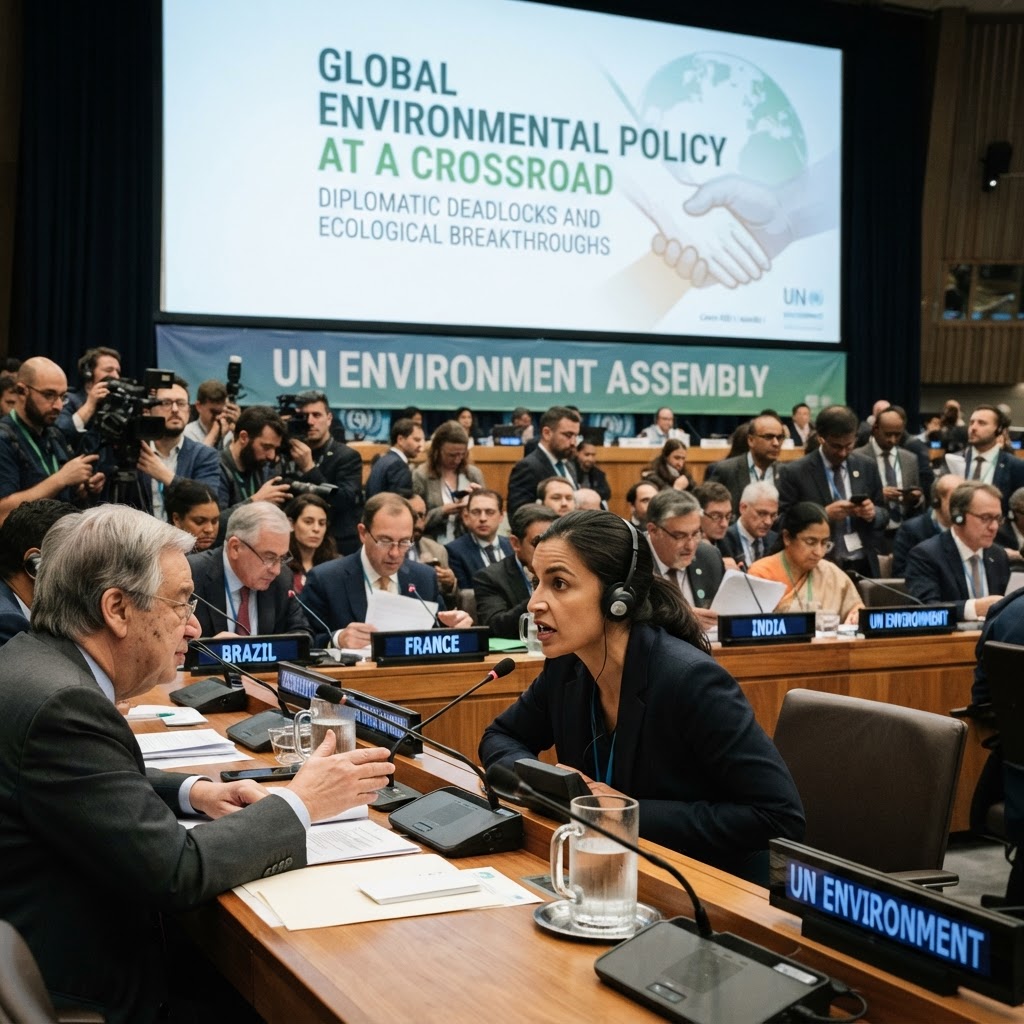
The Strain of Global Climate Diplomacy
International environmental governance is facing an acute test of endurance as delegates and ministers grapple with the final stages of the COP31 summit in Antalya, Türkiye. Negotiators representing nearly two hundred nations have found themselves deeply divided over foundational questions concerning climate adaptation finance, emissions mitigation benchmarks, and carbon removal mechanisms. Draft declarations reveal sharp divisions, with contentious debates centering on whether clear fossil fuel phaseout timelines will be replaced entirely by narrower targets focusing on national grid electrification and green industrial technology.
The procedural atmosphere has been further strained by friction surrounding carbon market rulebooks under Article 6 of the Paris Agreement. While bare-bones technical frameworks for bilateral and centralized credit trading mechanisms have moved forward, observers warn that minimal consensus and a sour negotiating mood threaten to complicate the long-term credibility of international emissions trading. Compounding these policy rifts are mounting scientific anxieties: leading voices, including former United Nations and Intergovernmental Panel on Climate Change (IPCC) figures, have expressed grave concern that political delays in processing scientific assessments could obscure critical data on temperature overshoots just as vulnerable nations face escalating climate impacts.
Rallying Capital for Earth's Critical Biomes
In contrast to the friction characterizing top-level treaty rooms, multilateral bodies and conservation coalitions are aggressively constructing tangible, landscape-scale financial mechanisms. A prominent milestone in recent days is the formal unveiling of the Peatland Breakthrough, a multi-nation partnership targeting the mobilization of $100 billion by 2030 to protect and restore critical wetlands worldwide. Because peatlands store disproportionately massive amounts of carbon compared to their terrestrial footprint, their protection is increasingly recognized as an essential, non-negotiable safeguard against runaway warming.
Similarly, targeted forest funding has gained concrete traction. Canada recently committed up to 560 million Canadian dollars to the Tropical Forest Forever Facility, reinforcing efforts to halt tropical canopy loss. Meanwhile, the newly launched Rio Changemakers platform—pioneered through a collaboration between European environmental ministries and international forestry platforms—aims to leverage artificial intelligence to link impact investors directly with locally directed conservation and regenerative agriculture programs.
Ocean Protection and the Blue Economy
Marine systems have also taken center stage, defying negotiating setbacks where individual state delegations have stalled broader ocean-focused consensus. In Southeast Asia, Indonesia established a pioneering regulatory framework governing economic valuation instruments within marine and fisheries sectors, marking a vital transition from theoretical blue carbon pledges to enforceable, standardized implementation. Concurrently, regional institutions across the Pacific have mobilized resources, with new contributions bolstering the Pacific Resilience Facility to assist vulnerable island states in buffering against sea-level rise and catastrophic tropical storms.
Europe has mirrored this maritime prioritization. The European Union Blue Economy Observatory announced 119 million euros in directed funding to advance seventeen marine projects, spanning biodiversity recovery, barrier reef support, and resilient waterfront infrastructure. These steps coincide with fresh warnings from international conservation bodies indicating that while coastal nations frequently highlight ocean priorities, their long-term strategies must ensure genuine financial feasibility to turn policy pledges into measurable marine regeneration.
Corporate Accountability and Anti-Greenwashing Scrutiny
Beyond sovereign pledges, the integrity of commercial environmental claims is entering an era of heightened regulatory enforcement. Across global supply chains, satellite monitors and civil society coalitions have spotlighted how agricultural commodity production—predominantly beef and soy—continues to accelerate deforestation in vulnerable biomes despite high-profile corporate net-zero targets. The gap between corporate rhetoric and ground-level environmental impacts is increasingly resulting in direct legal and financial consequences.
In Central Europe, national consumer protection watchdogs recently levied significant multi-million-dollar penalties against commercial enterprises for deceptive tree-planting schemes, establishing a strict precedent against unsubstantiated carbon neutrality assertions. As regulatory frameworks tighten from Europe to the Americas, national regulators and international credit buyers are emphasizing high-integrity certification. Whether through rigorous soil carbon verification, protected habitat enforcement, or enforceable biodiversity metrics, the global environmental community is demonstrating that genuine conservation requires measurable, verifiable accountability over superficial marketing.
Recommended for you
Similar to “Environment”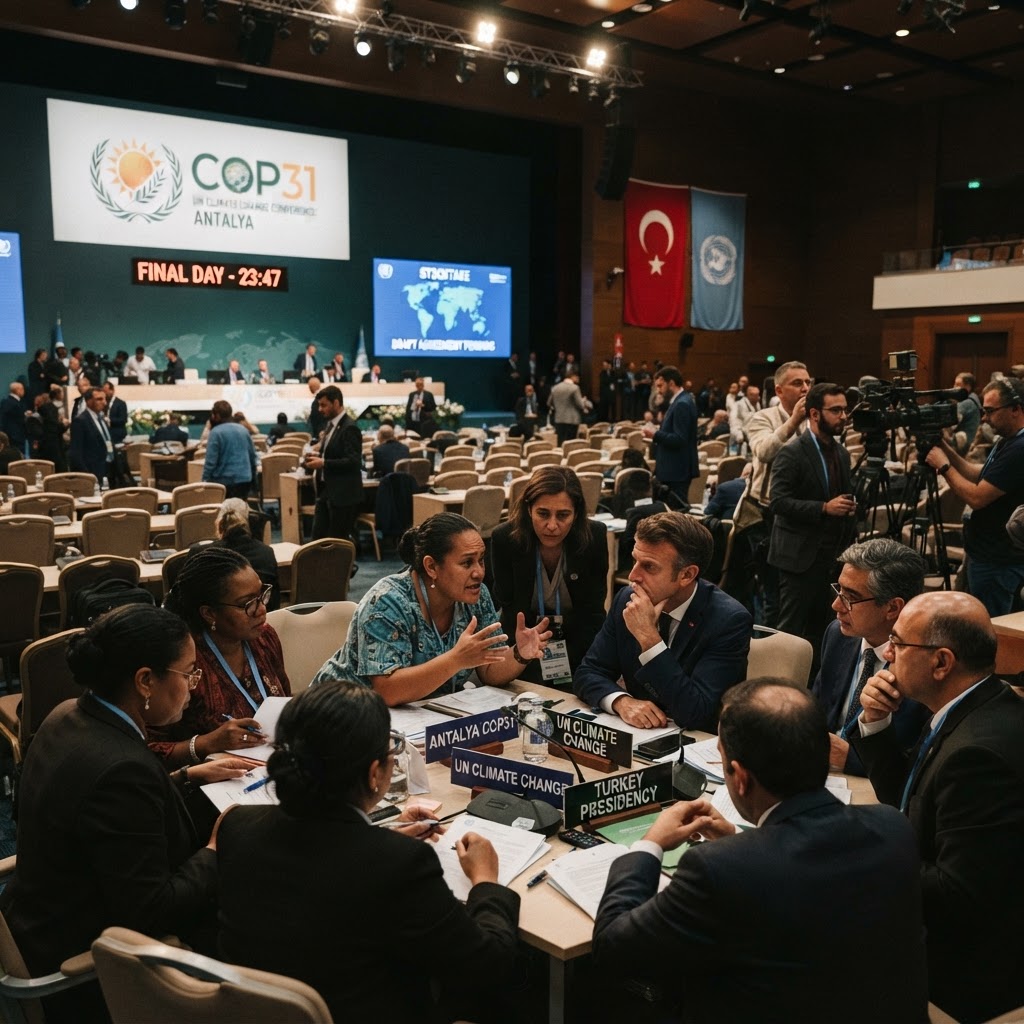
Diplomatic Deadlock and Ecological Momentum: Inside the Final Stretch of COP31 in Antalya
As high-level negotiations in Türkiye hit familiar political impasses over fossil fuel phaseouts and climate finance, parallel coalitions are pushing ahead on nature-based solutions, AI decarbonization, and regional resilience.
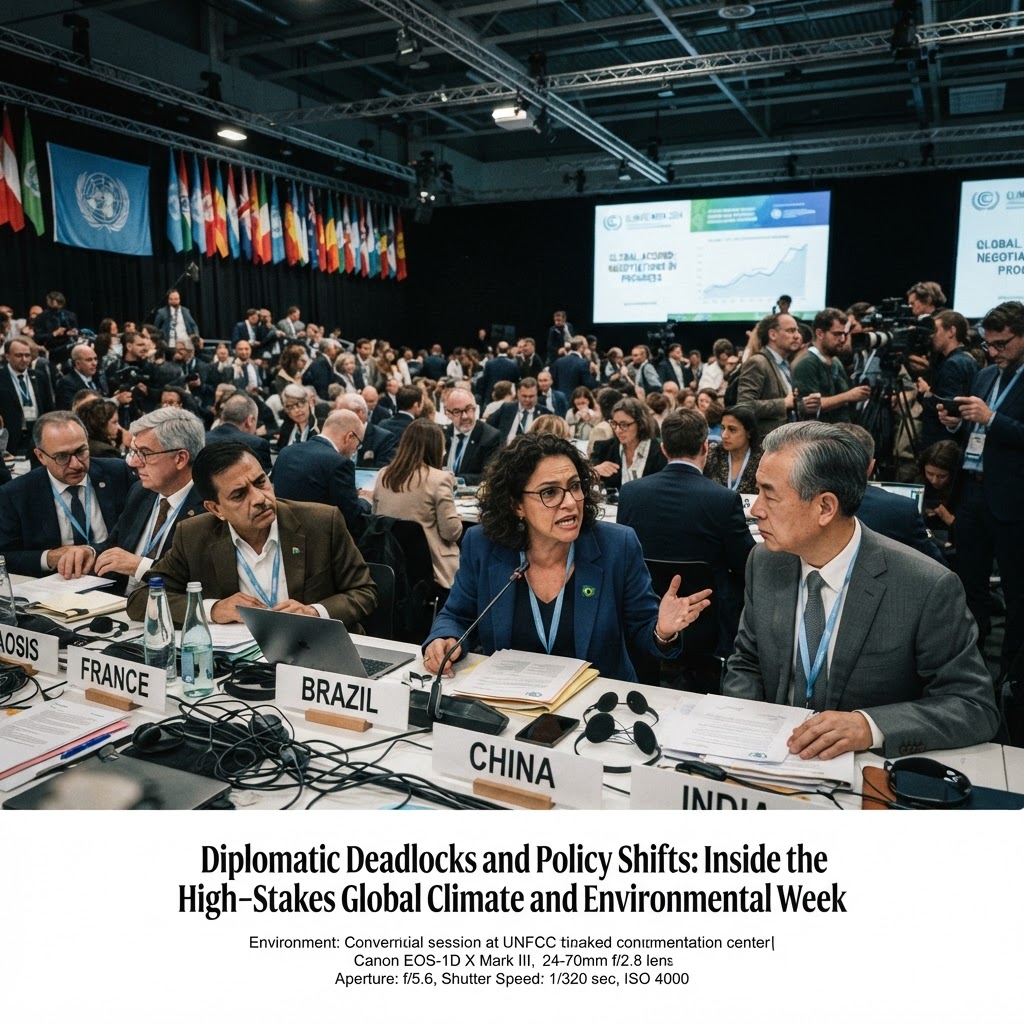
Diplomatic Deadlocks and Policy Shifts: Inside the High-Stakes Global Climate and Environmental Week
As high-stakes COP31 negotiations in Antalya reach a contentious climax over fossil fuels and climate finance, parallel decisions in Europe and fresh scientific assessments underscore the complex balancing act between environmental ambition and political pragmatism.
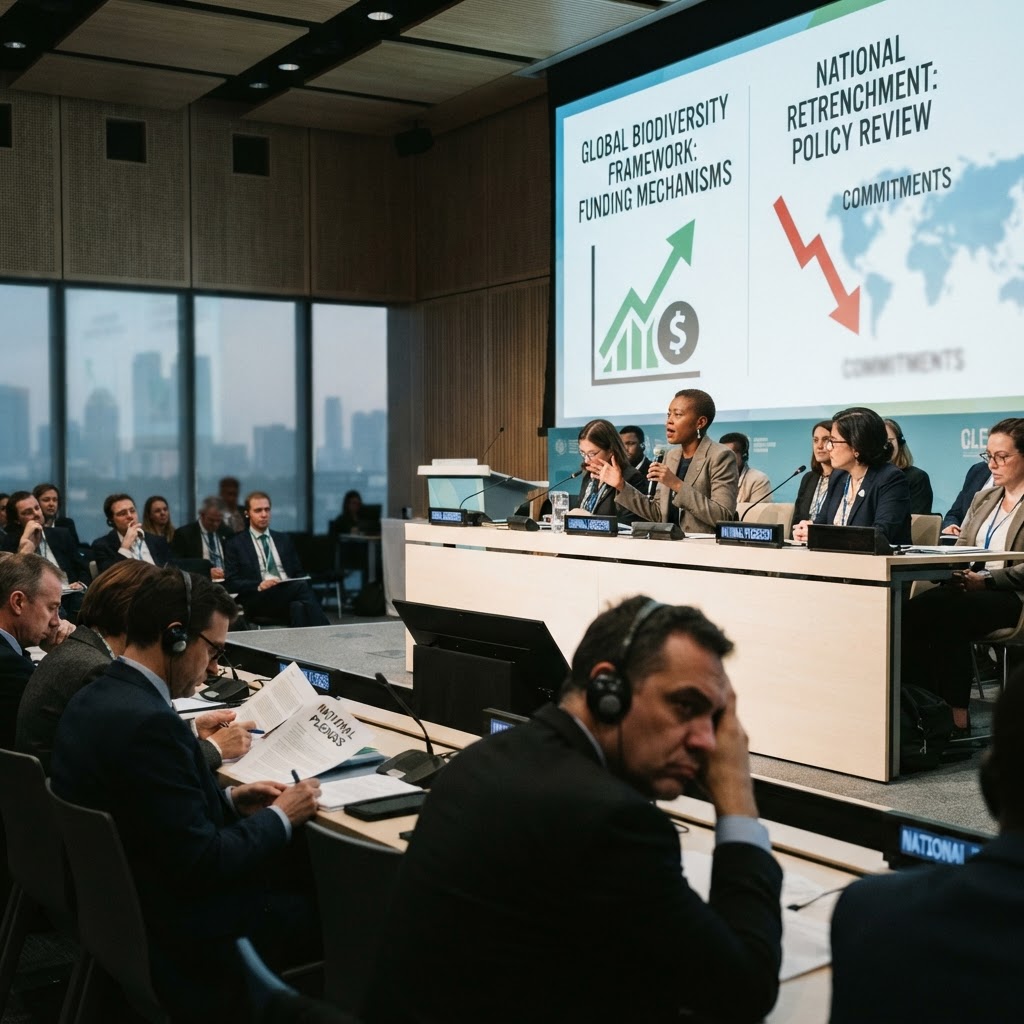
Global Biodiversity and Climate Policy at a Crossroads: Breakthroughs in Finance Clash with National Retrenchment
As international delegates mobilize landmark conservation capital and demand robust nature protections, widening regulatory rollbacks and legislative friction across major economies threaten the coherence of global environmental governance.