Frontiers in Global Health: Resurgent Pathogens, Breakthrough Diagnostics, and Emerging Environmental Threats
Recent developments across public health reveal a stark contrast between accelerating medical innovations—including blood tests for CTE and shortened tuberculosis regimens—and escalating threats from infectious resurgences, microplastics, and chronic disease.
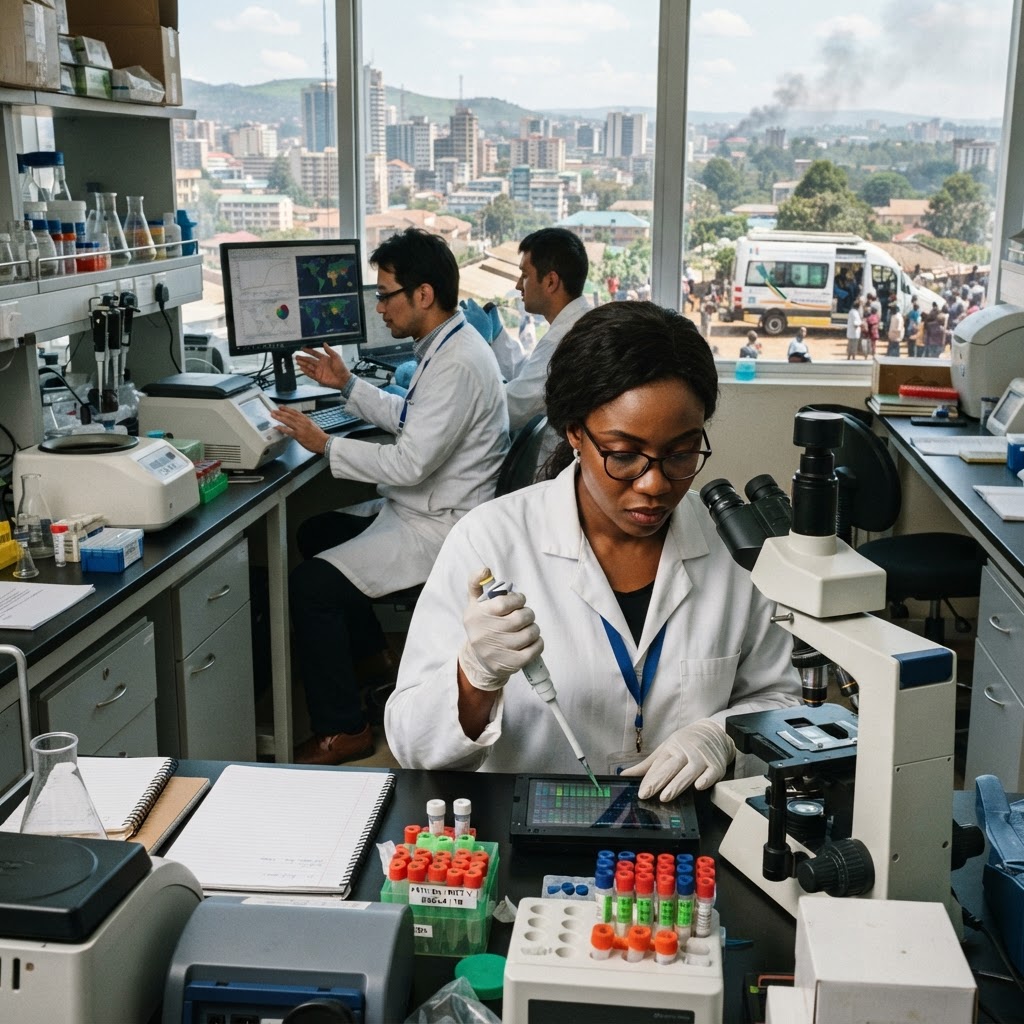
A Complex Landscape: High-Tech Leaps Amid Public Health Crises
The global public health arena is experiencing a profound tension between remarkable medical innovation and the resurgence of preventable disease threats. While international scientists and pharmaceutical developers report watershed milestones in neurological diagnostics, cancer therapeutics, and shortened antimicrobial courses, health authorities are simultaneously grappling with spreading infectious outbreaks and emerging environmental hazards. As highlighted during discussions at the DIA-MHRA Global Summit, medical leaders emphasize that while the world has entered a unprecedented era of biomedical discovery, bridging the gap between extended lifespan and healthy life expectancy requires addressing systemic care gaps and preventative intervention long before chronic conditions advance.
Neurological and Oncological Breakthroughs Reshape Early Detection
Among the most significant diagnostic milestones in recent days is the unveiling of promising blood-based biomarkers capable of detecting Chronic Traumatic Encephalopathy (CTE) in living individuals according to scientific coverage highlighted on Google News Health. Historically, CTE—a degenerative brain disorder tied to repeated head trauma in athletes and military personnel—could only be definitively confirmed post-mortem through brain tissue examination. A minimally invasive blood test presents a potential paradigm shift for sports medicine and neurology, opening the door to early clinical tracking, tailored rehabilitative strategies, and potential targeted therapeutics prior to irreversible neurological deterioration.
Simultaneously, oncology has witnessed important strides in both therapeutic precision and updated preventative guidance. Regulatory bodies approved targeted therapies such as giredestrant for patients dealing with advanced hormone-receptor-positive breast cancers that have acquired resistant mutations, reported in KFF Health News. In screening protocols, updated recommendations emphasizing earlier routine prostate cancer screenings for eligible populations seek to recalibrate risk detection balance, while global public health platforms highlight novel agreements reducing the cost of molecular human papillomavirus (HPV) tests to expand cervical cancer screening equity in vulnerable populations.
The Resurgence of Preventable Outbreaks
Despite these clinical achievements, fundamental public health infrastructure is facing acute challenges. In North America, health departments are actively combating sprawling measles outbreaks, driven by eroding vaccine coverage and waning public trust. Surging case numbers across Pennsylvania, Indiana, and Kentucky have led to tragic fatalities and prompted international bodies, including the Pan American Health Organization, to call on member nations to reinforce routine immunization campaigns to prevent the permanent loss of measles elimination milestones.
Infectious disease specialists also warn that geopolitical instability and conflicts continue to undermine vital disease suppression. International agencies report that armed violence in Central Africa severely restricts humanitarian access to contain acute viral hemorrhagic fevers, reiterating that state-of-the-art medicines remain ineffective if delivery channels are crippled by insecurity and systemic health inequities.
Antimicrobial Resistance and Streamlined Regimens
Combating drug-resistant pathogens remains high on the international agenda. In a major milestone against one of humanity's oldest contagions, researchers assessing new therapeutic protocols have published clinical trial findings validating condensed 16-week tuberculosis regimens according to reporting by UNITE4TB’s PARADIGM4TB trial in the New England Journal of Medicine. Shortening the duration of tuberculosis therapy significantly boosts patient compliance, reduces toxicity, and curbs the emergence of multi-drug resistance.
In parallel, global antibiotic development incubators such as the Combating Antibiotic-Resistant Bacteria Biopharmaceutical Accelerator (CARB-X) continue to funnel resources toward novel antibacterial molecules designed to conquer drug-resistant bacterial strains, as covered by the GHTC Breakthroughs Blog. These achievements coincide with calls from the World Health Organization highlighting that while nations are formalizing surveillance strategies against antimicrobial resistance, clinical access to adequate point-of-care diagnostics and modern antimicrobials remains deeply uneven.
Emerging Environmental Contaminants and Chronic Metabolic Shifts
Environmental determinants of health are increasingly taking center stage in medical discourse. Emerging clinical inquiries featured in a recent briefing by KFF Health News point toward microplastics and nanoplastics as potential co-factors behind the baffling multi-year surge in early-onset colorectal cancers among adults younger than 50. The physiological burden of plastics has sparked international mobilization; youth delegates representing more than 50 countries met at the Global Model WHO to formally urge treaty negotiators to incorporate binding health safeguards, particle testing benchmarks, and chemical phase-outs into the upcoming global plastics treaty.
At the same time, metabolic health strategies are undergoing an intellectual reckoning. While GLP-1 receptor agonists continue to gain widespread adoption, comprehensive analyses from the Journal of the American Medical Association (JAMA) caution that prescription pharmaceutical therapies cannot serve as a lone silver bullet against obesity. Experts emphasize that long-term metabolic health necessitates multi-sectoral lifestyle interventions, dietary reform, and equitable preventative infrastructure alongside pharmacological advances.
Looking Ahead: The Interconnected Future of Care
From artificial intelligence-driven diagnostic tools expanding into underserved remote settings to grassroots campaigns tackling social stigma around psychiatric conditions, the modern health landscape reveals that progress is fundamentally interconnected. Advancements in biotechnology offer unprecedented opportunities to intercept disease early, but realization of these benefits hinges on whether public health institutions can preserve baseline immunization, navigate environmental exposures, and ensure that cutting-edge therapies reach communities worldwide.
Recommended for you
Similar to “Global Health”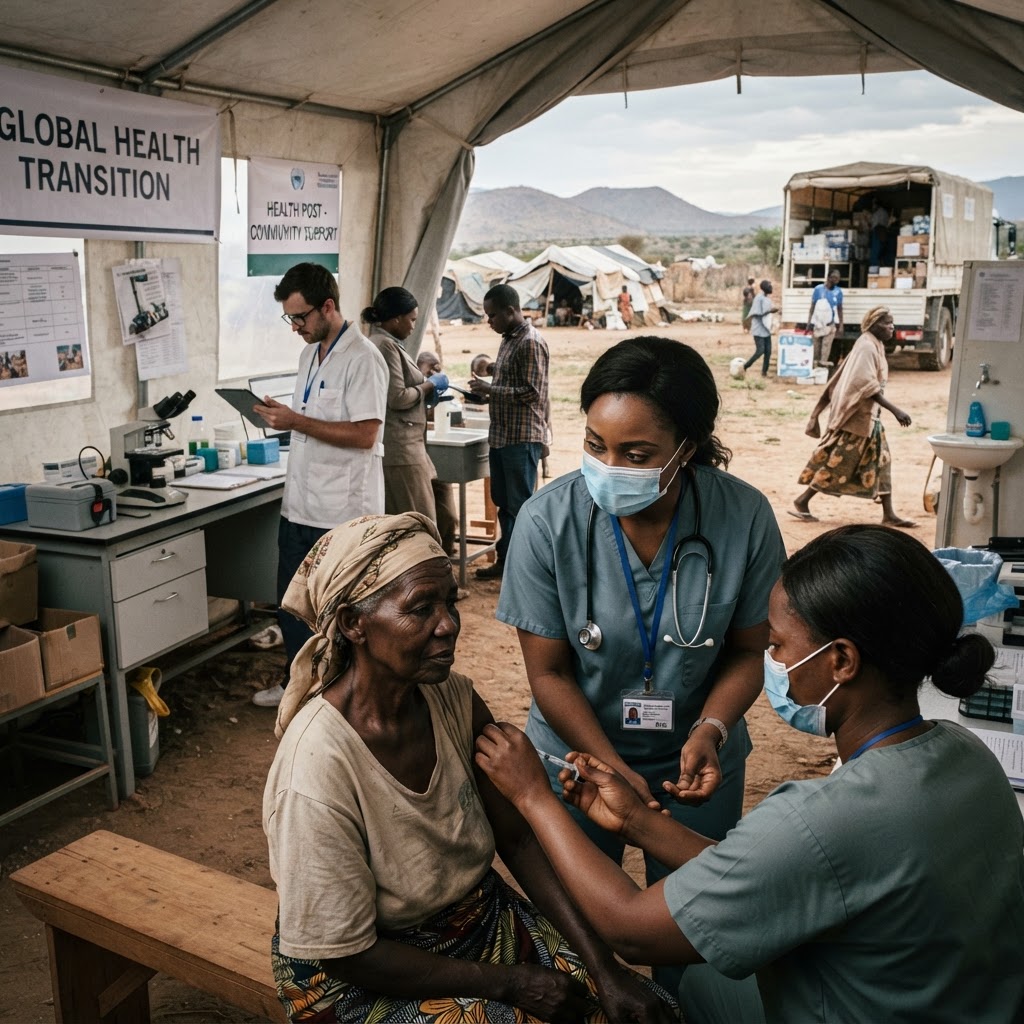
Global Health in Transition: Shifting Guidelines, Environmental Alarms, and Emerging Epidemic Hurdles
Recent major developments across international public health highlight transformative shifts in screening standards, growing alarms over environmental contaminants, and persistent challenges facing disease containment.
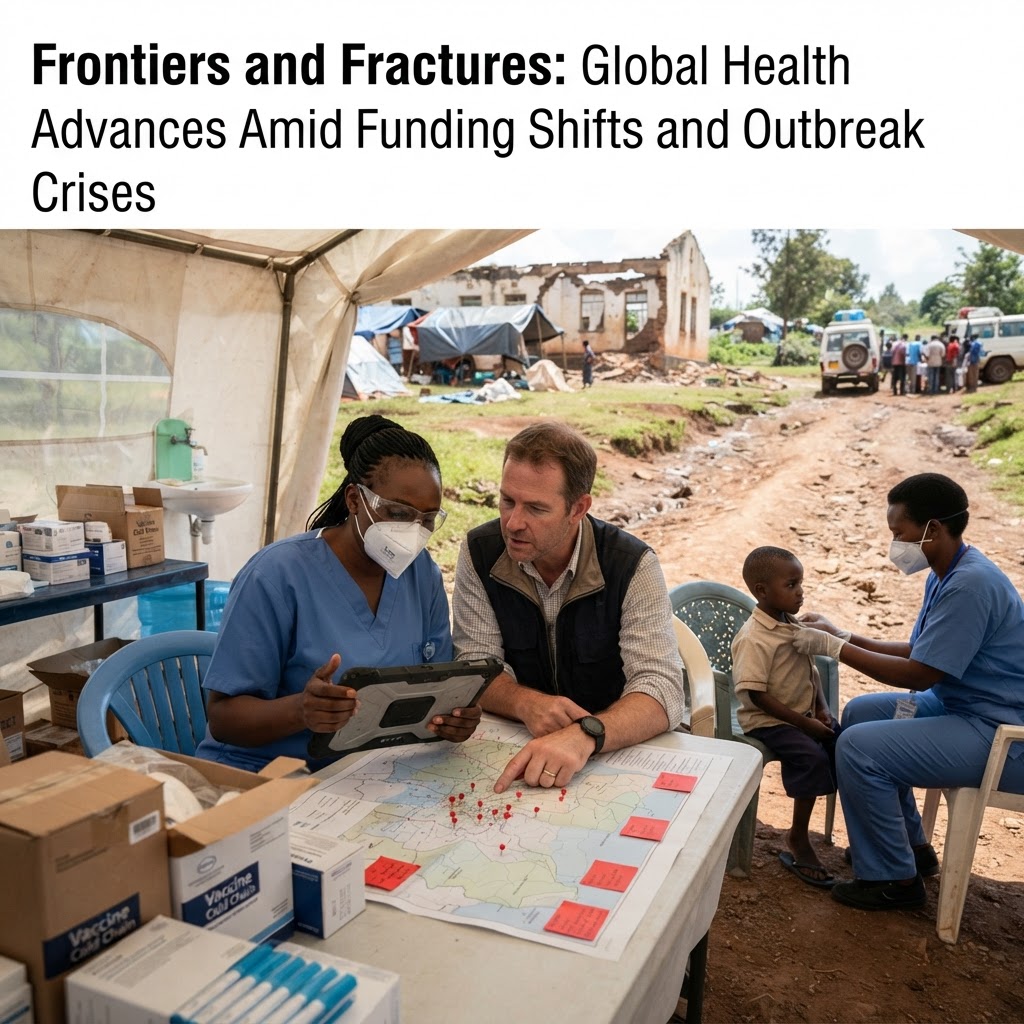
Frontiers and Fractures: Global Health Advances Amid Funding Shifts and Outbreak Crises
Recent breakthroughs in oncology and precision diagnostics are transforming modern medical practice, even as international public health infrastructure grapples with geopolitical funding shifts and persistent infectious disease crises.
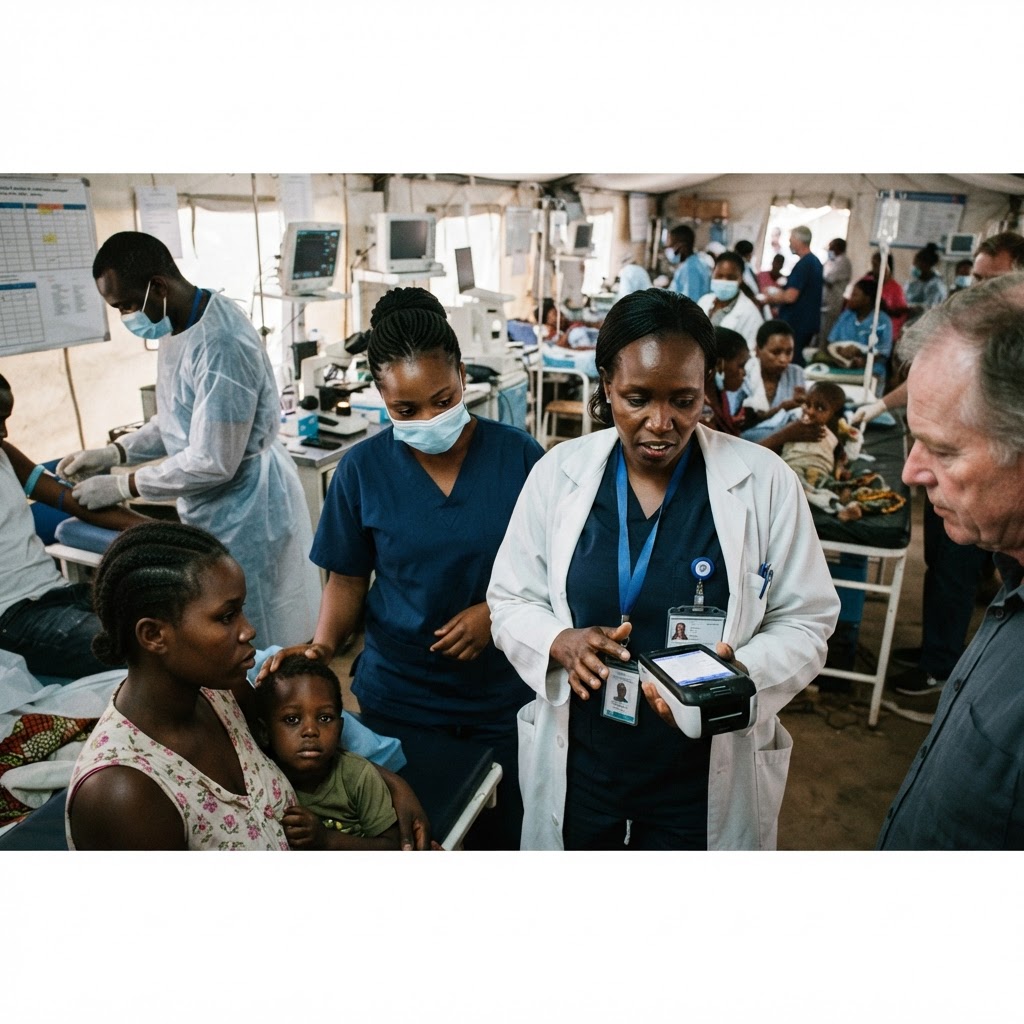
Global Health at a Crossroads: Tackling Chronic Crises, Emerging Pathogens, and Diagnostic Shifts
Recent major announcements across international public health spotlight urgent new clinical guidelines for diabetes and oncology alongside critical discoveries in pathogen transmission and neurodegenerative disease.