Global Diplomacy at a Crossroads: High-Stakes Summits, Regional Escalations, and Persistent Frontlines
Recent high-level diplomacy in Asia failed to yield concrete breakthroughs as major geopolitical flashpoints intensify across the Middle East, Eastern Europe, and global climate forums.
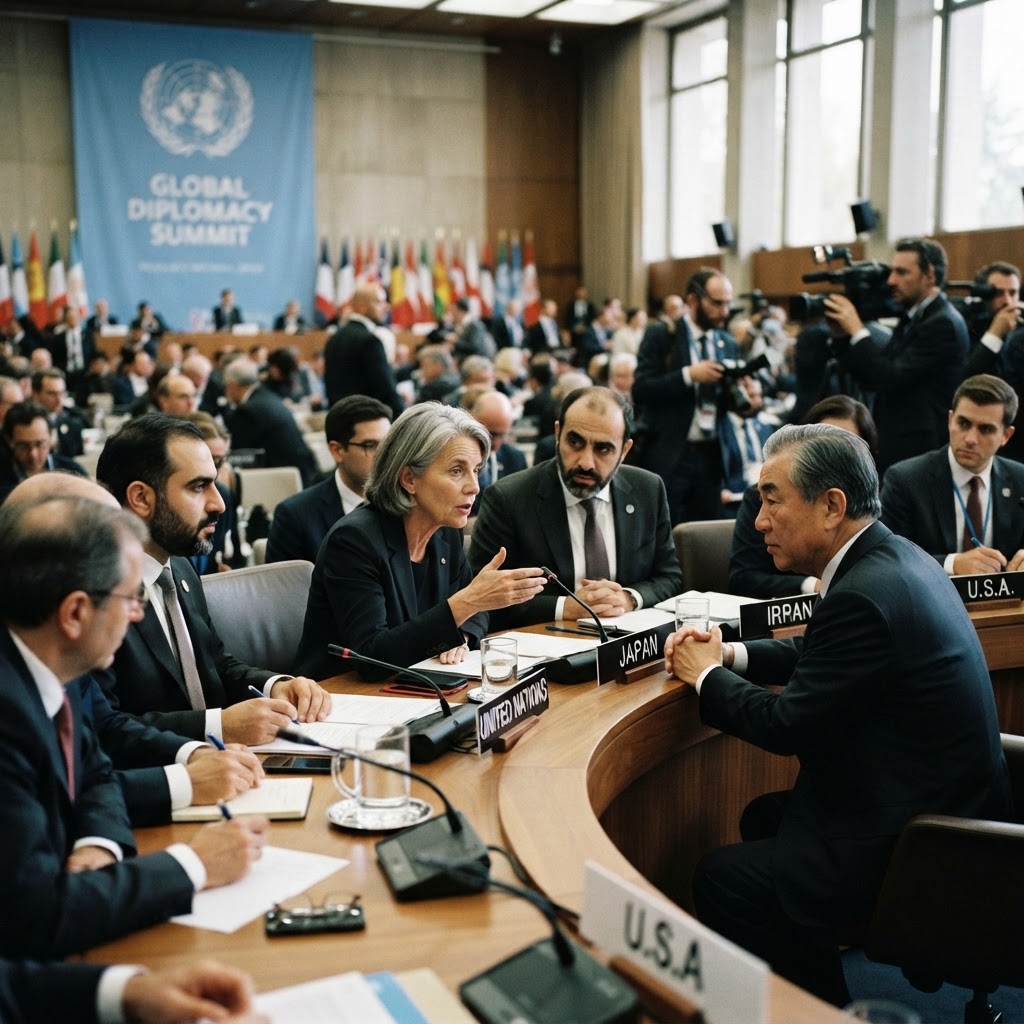
A Trilateral Gathering Without a Breakthrough
In what marked an extraordinary diplomatic milestone, the heads of state of the United States, China, and Russia convened in Shenzhen for rare trilateral discussions aimed at managing growing geopolitical friction. Despite extensive preparation and an initial bilateral meeting between Washington and Moscow, the concluding joint communique offered broad principles rather than concrete resolutions on pressing security disputes, nuclear arms management, or regional conflicts. The absence of actionable compromises highlighted the deepening entrenchment of great-power rivalries, leaving observers uncertain whether high-level dialogue can temper accelerating global flashpoints.
Expanding Tensions and Strains Across the Middle East
Concurrently, the Middle East faces an escalating spiral of instability. Hostilities surrounding the broader confrontation between regional actors and Western forces have intensified, particularly across maritime chokepoints and key military outposts. Recent drone incursions targeting defense installations in the Persian Gulf have heightened fears of wider direct confrontations, even as naval assets enforce strict maritime monitoring near the Strait of Hormuz. Meanwhile, strikes reported across Yemen have compounded civilian suffering, triggering new rounds of recriminations and destabilizing internal troop redeployments along the Red Sea corridor.
In Israel, deep domestic political fragmentation intersects directly with mounting security crises. Following tightly contested parliamentary elections, political leaders remain locked in a bitter impasse over coalition building. Even as caretaker officials argue for emergency national unity, rival factions have firmly rebuffed joint governance initiatives amid contentious controversies surrounding state intelligence conduct during recent balloting. On the ground, severe humanitarian conditions in the Gaza Strip are deteriorating further under harsh winter weather, prompting European and Commonwealth allies to urgently demand unhindered aid access to stave off catastrophic displacement and disease.
Infrastructure Strikes and Shifting Postures in Eastern Europe
In Eastern Europe, the conflict between Russia and Ukraine has seen rapid tactical escalations alongside diplomatic maneuvers. Ukrainian forces carried out targeted deep-strike operations that inflicted severe damage on the Kerch Strait bridge linking mainland Russia to occupied Crimea. The strikes prompted vows of swift repairs and retaliation from Moscow, which reiterated its refusal to consider immediate ceasefire frameworks. Parallel to the battlefield developments, European leaders assembled in Berlin to reaffirm their coordinated defense commitments to Kyiv, seeking to maintain a unified diplomatic posture before any future multilateral negotiations take shape.
Planetary Urgency at Global Multilateral Forums
Beyond traditional conflict theaters, international institutions grappled with sweeping human security and environmental challenges. At the COP31 climate conference, delegates wrestled with sharp divisions over fossil fuel phase-outs, financing mechanisms for developing economies, and marine conservation. United Nations officials warned that persistent international paralysis threatens irreversible ecological disruption, urging nations to align their security priorities with long-term climate targets. Combined with severe disease outbreaks and food instability reported in Central Africa and the Horn of Africa, the global landscape remains strained under compound geopolitical, humanitarian, and institutional pressures.
Recommended for you
Similar to “World Affairs”
Global Diplomacy at a Crossroads: High-Stakes Summits, Escalating Middle East Tensions, and Climate Reckonings
As world powers prepare for rare trilateral leadership talks amid continuing regional conflicts in Eastern Europe and the Middle East, international negotiators face mounting geopolitical strain and fractured multilateral consensus.
Diplomacy on Edge: Summits, Sanctions, and Escalating Flashpoints Redraw Global Geopolitics
High-stakes summits across the Asia-Pacific collide with intensifying strikes in Eastern Europe and escalating unrest in the Middle East, testing the limits of international diplomacy.
Global Diplomacy Strained as Energy Pacts, Weapon Shortages, and Political Fractures Reshape World Order
Recent diplomatic realignments, shifting energy agreements between major powers, and escalating regional tensions across Eastern Europe, the Middle East, and Asia are testing long-standing geopolitical alliances.