A Fractured World Order: Great Power Theatrics and Multiplying Global Strains
Recent high-stakes diplomacy between major powers has exposed deep global fractures, as landmark summits yield minimal substance amid escalating regional security threats and stalling climate negotiations.
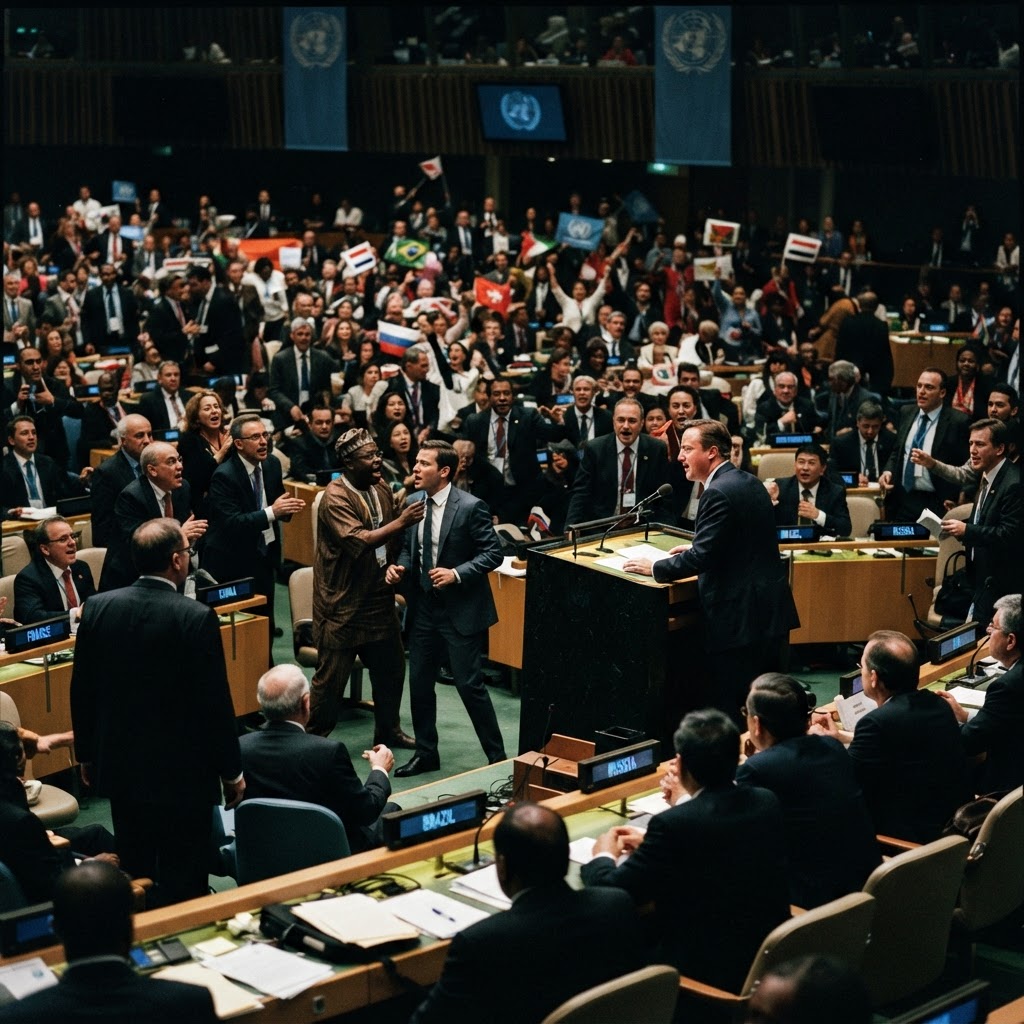
The Illusion of Trilateral Consensus
In a week characterized by extraordinary diplomatic choreography, the world's most powerful leaders converged on Chinese soil for a sequence of meetings that laid bare the evolving contours of international politics. During the Asia-Pacific Economic Cooperation (APEC) engagements in Shenzhen, Chinese President Xi Jinping hosted an unprecedented trilateral session with U.S. President Donald Trump and Russian President Vladimir Putin, as reported by CNBC. While the imagery of the summit was meticulously crafted to project authority and a collective willingness to manage global affairs, seasoned analysts and observers quickly highlighted the absence of tangible outcomes on core security dilemmas.
The summit generated a generalized declaration that touched upon broad commitments to energy supplies, potential United Nations reforms, and curbing the jurisdiction of international legal bodies like the International Criminal Court. Yet, as noted in assessments by the Taipei Times, the encounter ended without meaningful strategic breakthroughs regarding the ongoing war in Eastern Europe, Taiwan Strait tensions, or renewed arms control frameworks. Instead of reordering global power balances, the high-profile gathering emphasized how narrow the common ground remains among Washington, Beijing, and Moscow.
Pushback from Middle Powers and Regional Allies
While the summit offered Moscow a platform to reassert its standing on par with the United States and China, the event sparked notable pushback from middle powers who view great-power maneuvering with increasing skepticism. Regional leaders expressed open concern over unilateral decision-making that ignores broader multilateral security frameworks. Criticisms were aired directly in the broader plenum, where officials highlighted how escalating confrontations involving major states continue to disrupt global trade and maritime stability.
Compounding regional anxieties, military maneuvers around the summit added an undercurrent of friction. Surveillance incursions and assertive aerial deployments near key Pacific corridors—such as Russian aircraft movements detected in Taiwanese and Japanese defense identification zones—served as a stark reminder of persistent flashpoints. Concurrently, regional players sought to harden their own security postures; Tokyo and New Delhi advanced bilateral defense arrangements, allowing Japanese forces access to test ranges in India, underscoring the drive among Indo-Pacific nations to hedge against shifting regional dynamics.
Escalating Tensions in the Middle East
Far from the conference halls of East Asia, geopolitical instability in the Middle East continues to pose an acute threat to international stability. High-stakes rhetoric between Washington and Tehran has intensified, with the U.S. administration issuing stern warnings over alleged asymmetric threats and retaliatory actions in the Persian Gulf, according to the Anadolu Agency. The regional security environment remains fraught following recurring exchanges involving shipping routes in the Strait of Hormuz, radar facilities across Gulf partners, and strikes by regional proxies.
Faced with the prospect of wider military escalation, European and Gulf states are recalibrating their diplomatic and economic strategies. In Berlin, German Chancellor Friedrich Merz welcomed Qatari Emir Sheikh Tamim bin Hamad Al Thani to inaugurate an expanded multi-sector partnership encompassing defense, energy, and advanced technology. Qatar's role as a primary mediator between Western capitals and Middle Eastern actors has emerged as a crucial channel for attempting to de-escalate hostilities and avert supply shocks that threaten energy-dependent economies.
Diplomatic Expulsions and Espionage in Europe
In Europe, security concerns have pivoted toward counterintelligence and sovereignty integrity. Denmark announced the expulsion of the Russian defense attaché and suspended non-essential visas for Russian nationals, citing national security threats linked to covert intelligence operations on its territory. Danish officials emphasized that the measures were vital to signaling an intolerance for foreign interference while coordinating stricter border measures within the broader Schengen Area.
Simultaneously, Copenhagen took decisive steps to bolster territorial and alliance security elsewhere. The Danish parliament overwhelmingly approved a strategic trilateral security framework alongside Greenland and the United States, cementing defensive cooperation in the Arctic and North Atlantic and resolving prolonged diplomatic frictions regarding base access and sovereignty in the far north.
Climate Stalemate Amid Geopolitical Volatility
The geopolitical frictions reverberating through international security have decisively spilled over into multilateral forums. At the COP31 climate conference in Antalya, negotiations stretched deep into overtime as delegates reached an impasse over emissions targets and energy transitions. According to reporting from DAWN.COM, disputes erupted when updated draft agreements minimized or omitted explicit language requiring a formal phase-down of fossil fuels, prompting sharp resistance from European delegates and vulnerable developing island states.
The compounding pressures of regional conflicts and volatile energy markets have curtailed the political leeway for major powers to enact ambitious climate pacts. As world leaders return from photo opportunities to grapple with fractured alliances, regional escalations, and domestic economic challenges, the recent wave of diplomatic activity underscores a global architecture increasingly defined by strategic competition and transactional realism rather than collaborative solutions.
Recommended for you
Similar to “Global Politics”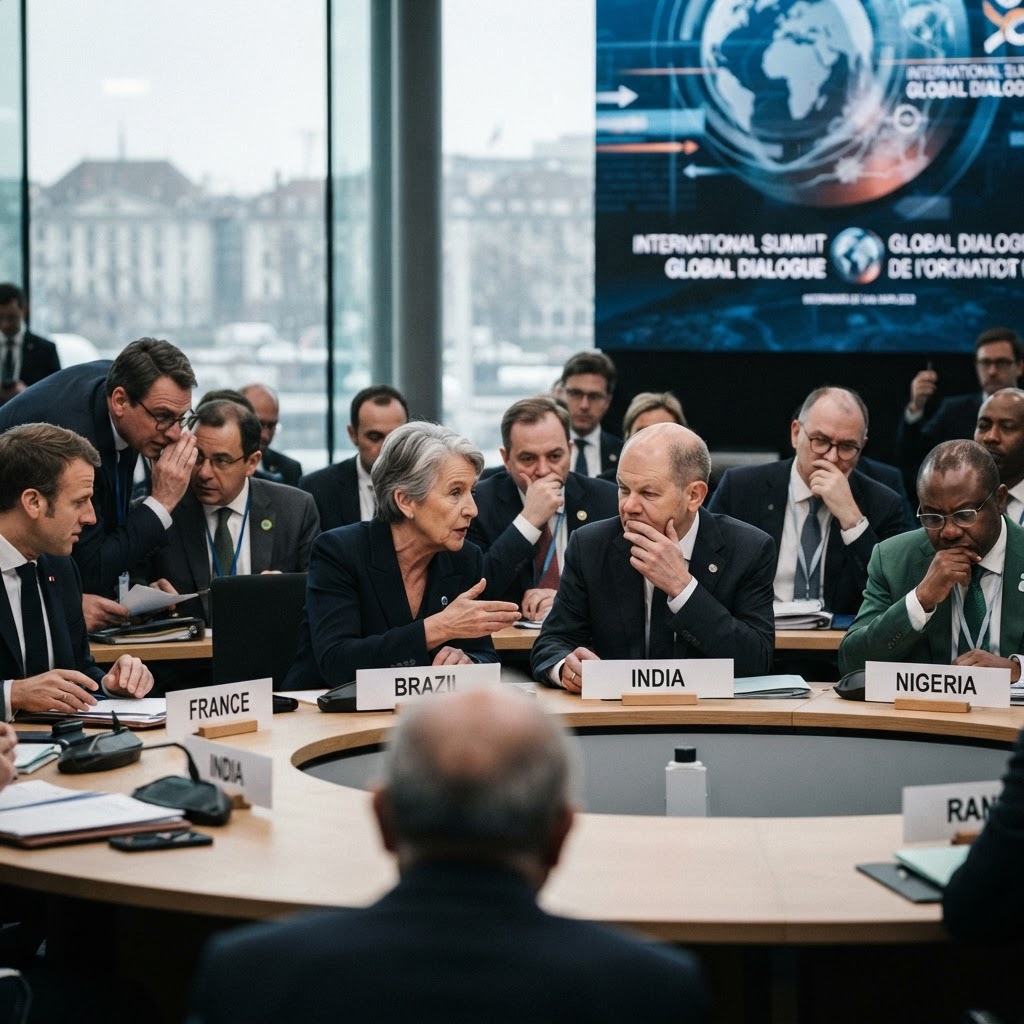
A Fractured World Order: Power Shifts, Diplomatic Realignments, and Crises Reshape Global Politics
Recent high-stakes diplomacy at regional summits, leadership transitions across major capitals, and escalating confrontations from the Middle East to Eastern Europe mark a defining moment of global realignment.
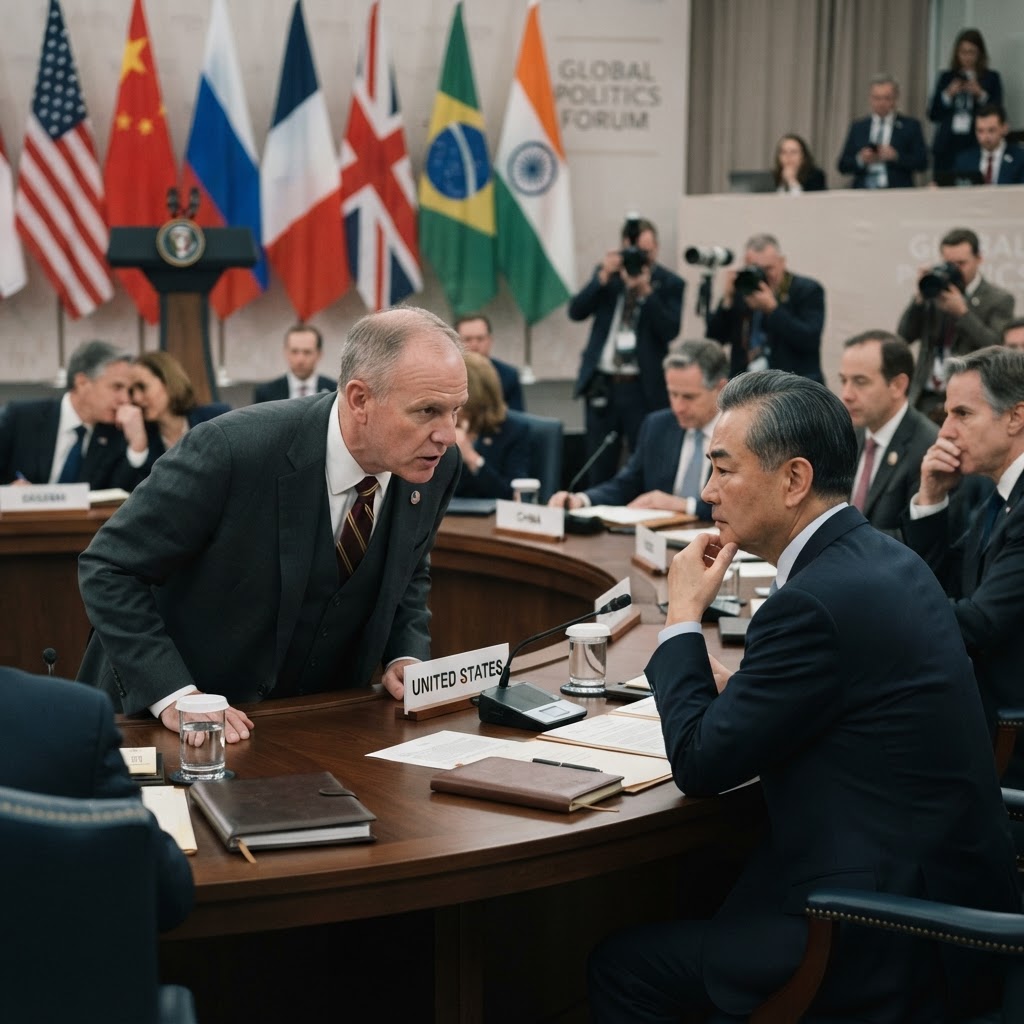
Diplomatic High Stakes and Shifting Power: Great Power Bargaining Dominates Global Politics
Intensive multilateral negotiations, potential trilateral superpower summits, and escalating security anxieties across Europe and Asia mark a volatile new chapter in international diplomacy.
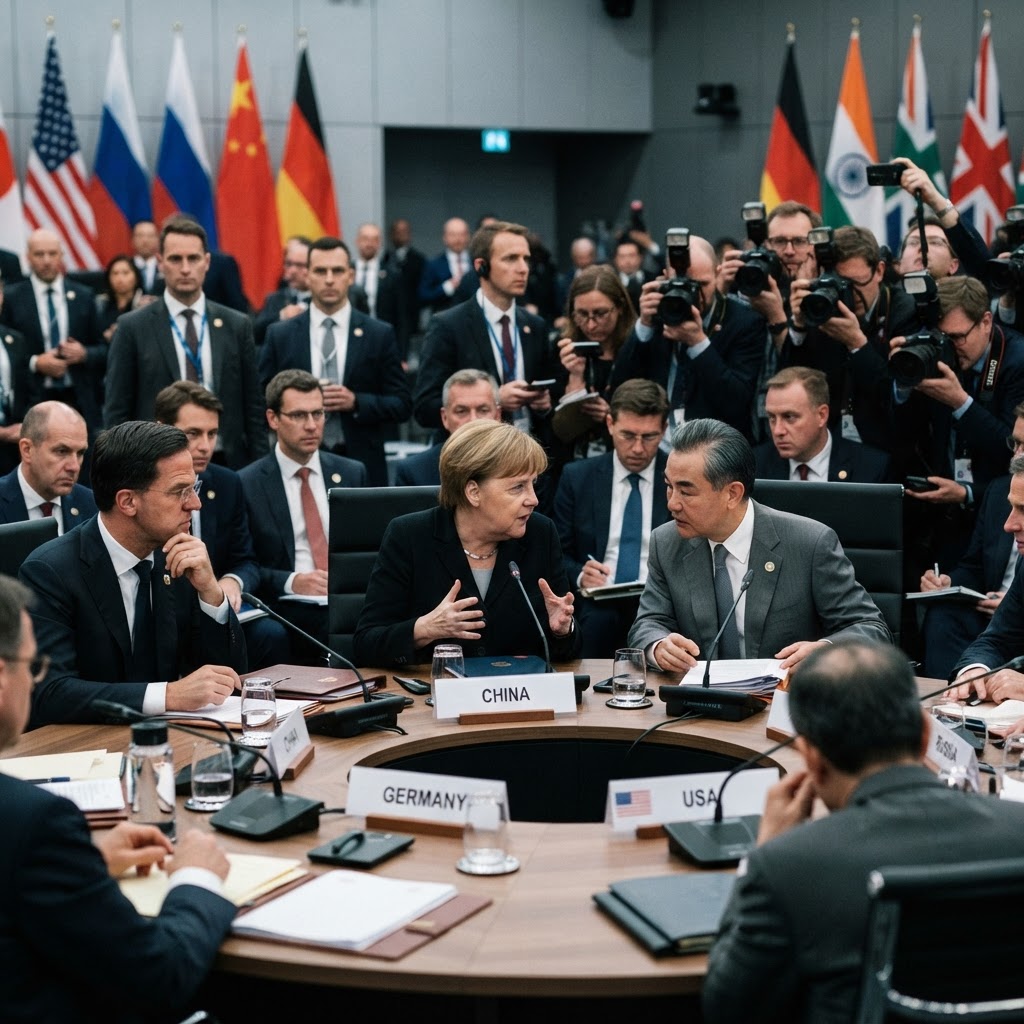
A Volatile Diplomatic Pivot: Great Power Summits, Shifting Coalitions, and Rising Regional Fractures
As high-stakes summits in Asia test alliances and bring global superpowers to Shenzhen and Manila, parallel security crises from Eastern Europe to the Middle East are reshaping international geopolitics.