A Fast-Moving Horizon: How Shifting Fan Demographics, Artificial Intelligence, and On-Field Drama Are Reshaping Global Sport
From high-stakes clashes across elite leagues to a profound transformation in media rights and fan engagement, the sporting landscape is navigating an era defined by tech integration, changing generational habits, and relentless competition.
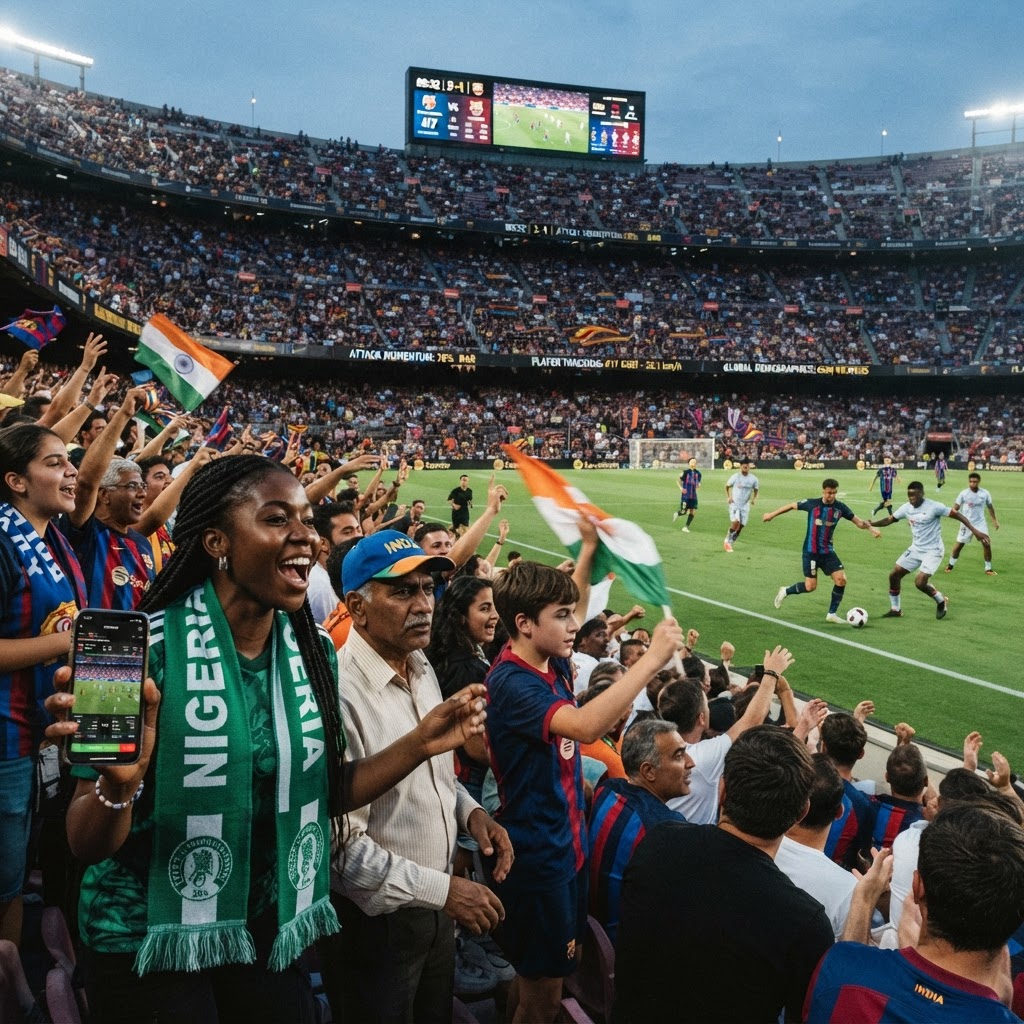
The Shifting Foundation of Modern Fandom
The sports universe is navigating an unprecedented convergence of traditional athletic competition and rapid cultural evolution. Across stadiums, digital feeds, and corporate boardrooms, the very nature of how sports are produced, monetized, and consumed is undergoing radical change. Where once fans were tethered entirely to live linear television broadcasts, industry observers note an accelerating transition toward mobile-first, modular content. For younger demographics—notably Generation Z and the emerging Generation Alpha—fandom is no longer purely defined by watching full matches from the opening whistle to the final horn. Instead, following sports has evolved into a continuous interaction with algorithmic social feeds, viral highlights, and creator-led commentary, according to industry analyses in GWI's Global Sports Trends Report.
This ongoing evolution has fundamentally shaken standard broadcast models. Media rights holders, traditional networks, and global federations are retooling their offerings to avoid alienating a digitally native audience. The conventional multi-billion-dollar carriage packages that once guaranteed dominant broadcast viewership are now competing directly against bite-sized formats, behind-the-scenes athlete channels, and interactive viewing environments. Organizations that once treated digital platforms as mere marketing funnels are now forced to treat them as primary venues for relationship-building and community engagement, as highlighted by sports marketing strategists at Infront Sports.
The Dual Role of Artificial Intelligence on and off the Field
Simultaneously, artificial intelligence has moved from a theoretical novelty to an operational necessity throughout elite sports ecosystems. Inside modern broadcast facilities, automated production workflows and computer-vision algorithms now dynamically cut custom highlight reels, localize audio commentary, and generate statistical overlays in real time. Rather than replacing the human element of athletic drama, successful tech implementations are specifically designed to amplify personal storytelling, letting audiences tailor their own camera angles and data metrics without ballooning operational overhead.
Behind closed facility doors, the impact of AI is equally profound. Modern coaching staffs and front offices rely increasingly on predictive modeling, biometric wearables, and automated tactical simulation to plan training regimens, evaluate prospective talent, and prevent player fatigue. As the calendar for competitive professional sports expands with new domestic tournaments and expanded international cups, training departments face immense pressure to keep star performers healthy. Predictive health metrics and load-monitoring software have become front-line defenses against devastating soft-tissue injuries, granting coaching staffs scientific justification for managing player minutes during grueling autumn schedules.
Intensifying Gridiron and Pitch Battles
Despite seismic shifts in production technology, the raw unpredictability of live competition remains the beating heart of sports culture. In American football, mid-autumn action has plunged collegiate and professional teams into critical pressure cookers. On the gridiron, divisional parity and sudden upsets continue to scramble early-season projections. Sideline tensions have erupted across marquee franchises as inconsistent offensive units struggle against increasingly sophisticated defensive fronts, documented in recent game coverage by CBS Sports. Meanwhile, high-profile collegiate programs continue to confront tactical growing pains and roster turnover driven by extensive transfer portals and high performance expectations reported by USA Today.
Across the Atlantic, European domestic football has witnessed its own intense drama. Top-flight European leagues are seeing title races tighten dramatically, with perennial powerhouses dropping points away from home while emerging challengers capitalize on congested match schedules, as noted in international football recaps by Reuters. Team managers have grown increasingly outspoken regarding the physical toll placed upon world-class footballers, advocating for deeper roster rotations and squad protection amid the simultaneous demands of domestic fixtures, domestic cup ties, and revamped continental tournaments.
The Ascendance of Athletic Identity and Experiential Tourism
Beyond traditional team rivalries, the broader concept of athleticism is expanding into personal identity and international tourism. Mass participation sports, hybrid fitness competitions, and endurance races are experiencing a sustained global surge in registration and corporate backing. Everyday spectators increasingly view their own recreational fitness routines as core facets of personal lifestyle and communal identity, turning fitness brands and endurance circuits into major commercial properties alongside conventional team sports.
At the highest level of international competition, preparations for mega-tournaments—such as upcoming multi-national iterations of the FIFA World Cup—are proving that modern sports travel has transformed into experiential tourism. Spectators are booking multi-city itineraries that fuse matchday loyalty with culinary exploration, cultural adventure, and digital community building. Today's global supporter expects sports to be an immersive festival rather than an isolated two-hour stadium visit.
A Dynamic Horizon
As the international sporting landscape charges deeper into the decade, the boundary lines separating elite athletic achievement, community entertainment, and cutting-edge digital technology will continue to blur. Whether navigating the volatile pressures of high-stakes divisional football, adjusting to algorithmic distribution, or embracing new paradigms of wellness and fan experience, the sports industry remains defined by one central truth: those who adapt swiftly to evolving cultural and technological rhythms will endure, while those clinging to rigid, outdated playbooks risk being left in the rearview mirror.
Recommended for you
Similar to “Sports”
A Seismic Week in Global Sports: From Premier League Legal Shockwaves to Postseason Drama and the Modern Fan Shift
Recent days have reshaped the international sporting landscape, defined by blockbuster financial findings in English football, high-stakes playoff clashes across North America, and evolving fan cultures worldwide.

High Stakes and Roster Shakeups: A Multi-Front Evolution Across the Global Sports Landscape
From critical roster movements and injury fallout across elite American leagues to European football clashes and ongoing collegiate legal shifts, modern athletics is navigating a pivotal period of transition.

High-Stakes Clashes and Postseason Drama Reshape Global Sports Landscape
From pivotal postseason baseball series and high-scoring NFL showdowns to monumental football fixtures across Europe, high-intensity competition and off-field intrigue are capturing international sports attention.