Preservation and Disruption: The Fragile State of Global Cultural Heritage
From high-stakes museum thefts and modern conflict zones to the rise of synthetic media, the cultural landscape faces unprecedented challenges to historical authenticity and memory.
A Vulnerable Legacy: Theft and the Erosion of History
In recent days, the vulnerability of historical memory has once again captured global attention. When four Renaissance masterpieces by Antonello da Messina were illicitly stripped from the walls of a Sicilian museum over a national holiday, the incident sent shockwaves far beyond the Italian art world, as documented by The Guardian. Local authorities and international observers lamented the theft not simply as an economic loss, but as a deliberate tear in the fabric of regional identity. The targeted heist underscores an uncomfortable reality for regional institutions: despite centuries of preservation, irreplaceable physical heritage remains startlingly fragile.
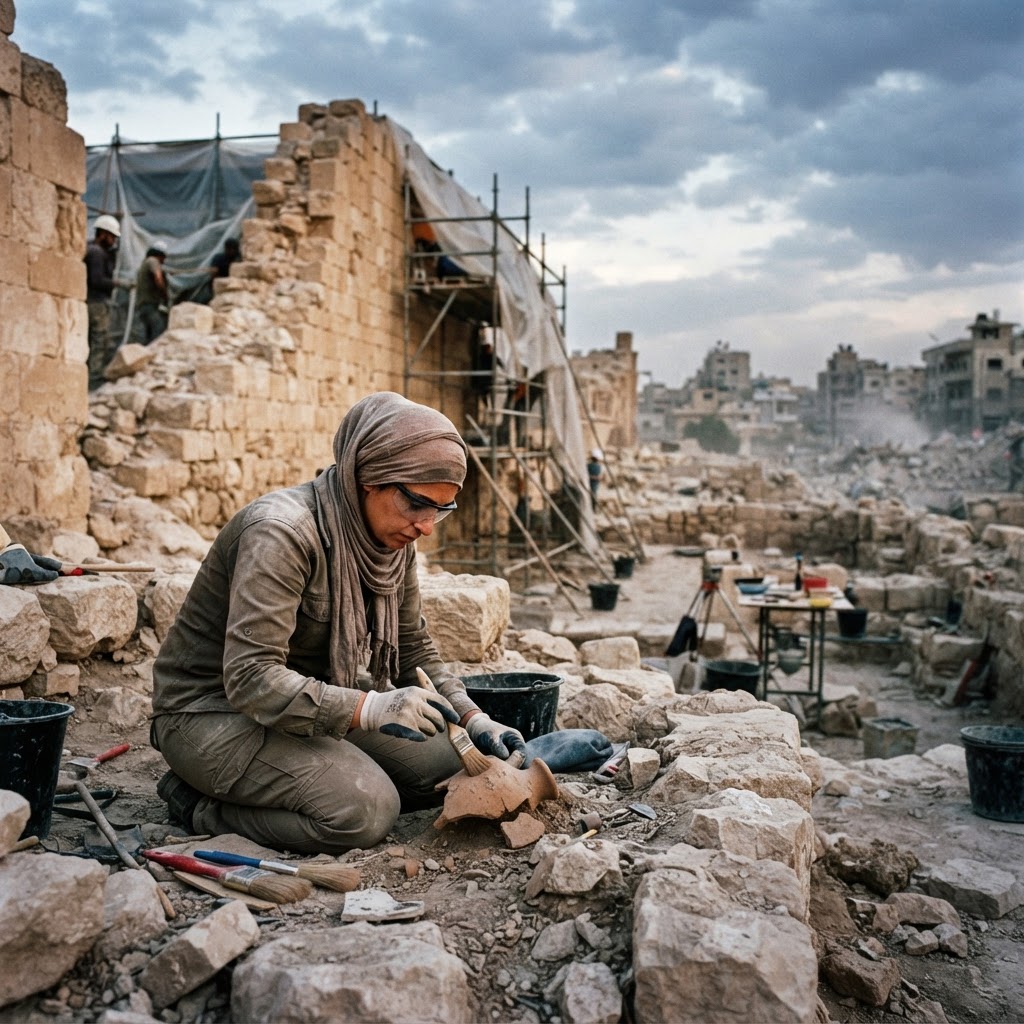
This vulnerability is amplified on a catastrophic scale across modern conflict zones. From historic cathedrals in Eastern Europe to ancestral archives and civic landmarks in the Middle East, the deliberate or collateral destruction of cultural sites has ignited urgent global debate. Cultural theorists and historians warn that modern warfare has evolved into an instrument of systemic erasure. When physical monuments, libraries, and ancient squares are destroyed, the collective memories of entire populations risk disappearing with them, leaving gaps in human history that cannot be reconstructed.
The Battle for Authenticity in the Age of Synthetic Media
While stone monuments and oil paintings face physical perils, the intangible arts are confronting an existential crisis born of technological acceleration. The creative industries are currently grappling with the unchecked expansion of generative artificial intelligence, particularly within music and the visual arts. Creators worldwide have voiced an escalating sense of alarm over synthetic, machine-generated tracks saturating streaming catalogs and algorithmic feeds. For many artists, the rise of algorithmic content feels less like an artistic evolution and more like a destabilizing war of attrition against human expression.
The dilemma is not merely technical, but philosophical. As computational models mimic human composition with increasing fidelity, the line separating authentic human vulnerability from synthesized pastiche has blurred. Ethicists, musicians, and industry leaders are now pressing for robust provenance standards and legal guardrails to ensure that human creativity is neither overshadowed nor uncredited in digital marketplaces.
Cinema, Nostalgia, and the Quest for Shared Identity
Against this backdrop of rapid technological shifts and global turbulence, audiences appear to be turning to cinema and historical narratives to anchor their cultural sensibilities. In European cinema, unexpected box-office milestones, such as biographical portraits of historical figures like Charles de Gaulle, have resonated profoundly with younger audiences looking for models of resilience and civic unity, as noted by The Guardian. Observers trace this generational appetite to a broader desire for authenticity amid an era marked by geopolitical ambiguity and digital saturation.
At the same time, international cinema is re-evaluating its conventions, experimenting with counter-intuitive relationship tropes and genre subversions that mirror shifting generational attitudes toward age, social dynamics, and existential unease. Contemporary films and streaming productions increasingly reflect deep-seated social anxieties, engaging with digital liminal spaces and dystopian scenarios that resonate strongly with younger viewers grappling with a volatile future.
Reconciling the Old and the New
The cultural currents of today reveal a civilization caught between preservation and upheaval. On one front stands the imperative to protect irreplaceable material artifacts and vulnerable landmarks from crime and war. On the other lies the cultural struggle to maintain human dignity and creative sovereignty in an algorithmic media landscape. As societies navigate these intertwined challenges, the value placed on shared memory—whether embodied in an Italian canvas, a restored archive, or a human melody—remains the fundamental compass of our collective life.
Recommended for you
Similar to “Culture”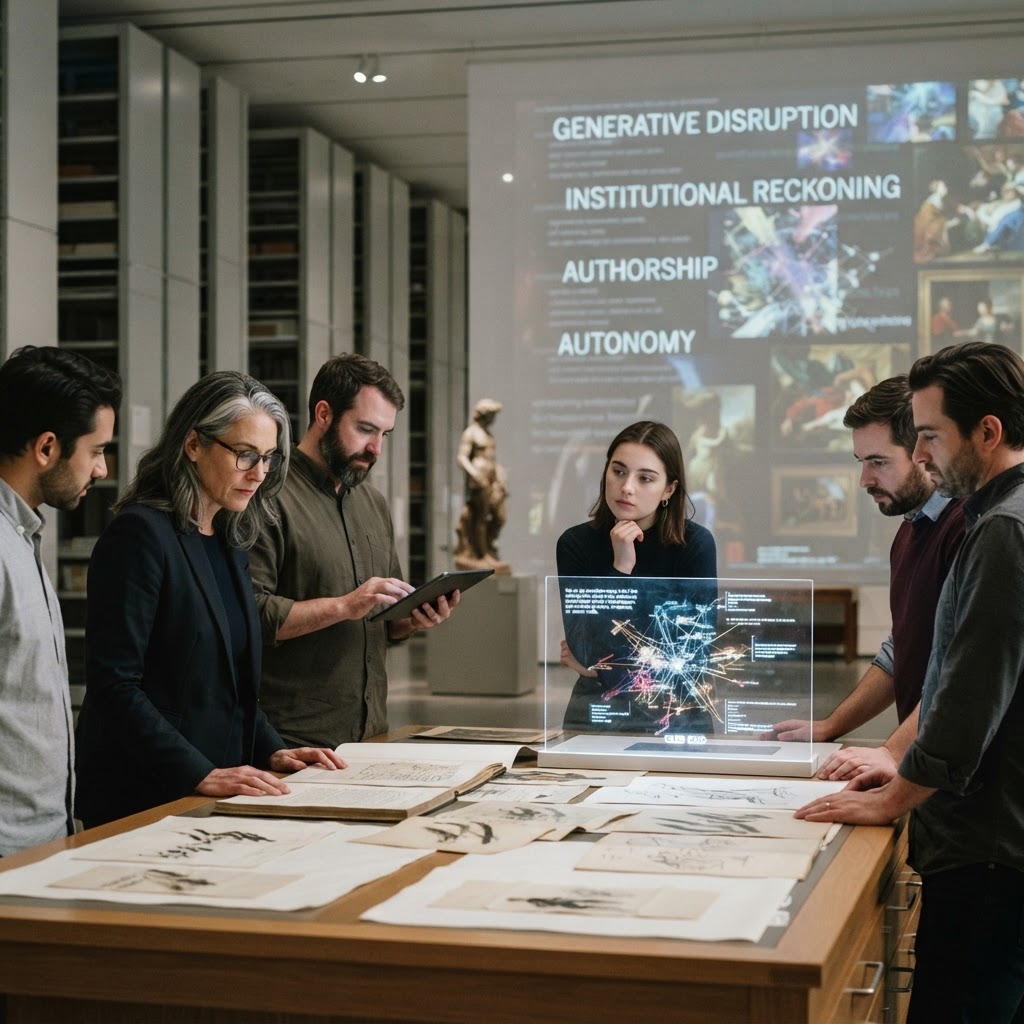
Generative Disruption and Institutional Reckoning: The Cultural Landscape Confronts Authorship and Autonomy
As international bodies codify culture's role in global development, the creative industries are grappling with unprecedented debates surrounding artificial intelligence, copyright authenticity, and heritage protection.

Between Heritage and Innovation: How Global Culture Navigates Technological Disruption and Shifting Frontiers
From generative artificial intelligence scandals in literature to the diplomatic restitution of antiquities, recent events highlight a dynamic cultural landscape balancing heritage preservation with modern technology.
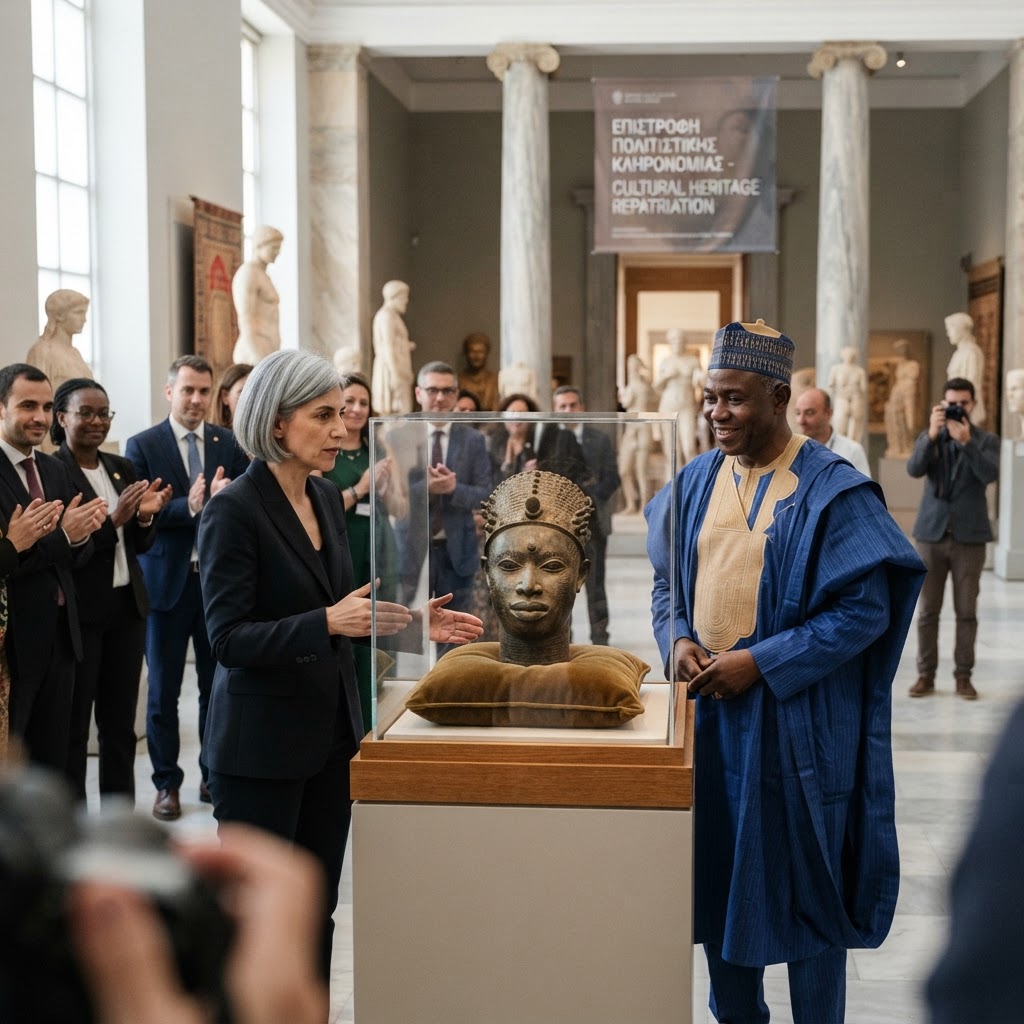
Culture at the Crossroads: How Heritage Repatriation, International Diplomacy, and Creative Industries Are Reshaping the Global Landscape
From high-stakes diplomatic restitutions in Southeastern Europe to UNESCO's newly framed sustainable development mandates and the rise of slow-heritage tourism, cultural identity is taking center stage in international affairs.