Global Politics in Flux: Domestic Leadership Clashes and Geopolitical Fractures Reshape the World Stage
From high-stakes legislative shakeups in Washington to deepening security debates in Europe and political crises in Southeast Asia, recent days have intensified global political realignments.
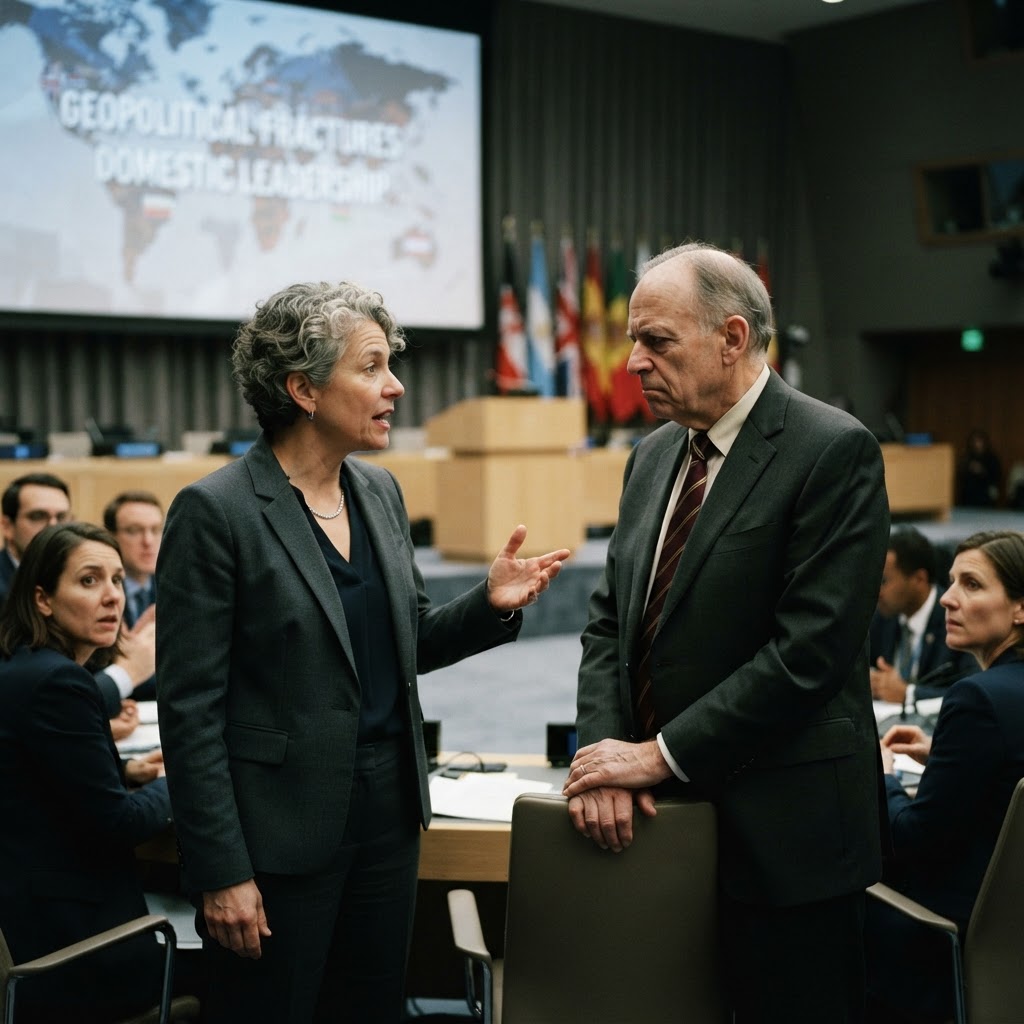
Turbulence in Washington Following Defining Elections
In the wake of major midterm election contests, political dynamics across Capitol Hill are shifting rapidly, unleashing friction within both major American parties. President Donald Trump publicly voiced disappointment with voters who turned against the Republican platform amid mounting economic costs tied to prolonged overseas conflicts, even as the administration maintained that national security priorities necessitated such measures. The broader fallout has handed decisive victories to Democrats across several high-profile congressional races, triggering an immediate recalculation of governing strategies ahead of the next legislative term.
Yet victory has not shielded the Democratic caucus from internal tension. In the Senate, a contest over future majority leadership has come into sharp relief, highlighted by a notable showdown between long-standing leader Chuck Schumer and challenger Chris Van Hollen as reported by CNN Politics. The brewing leadership fight underscores deeper structural divisions between the party's establishment hierarchy and progressive or reform-minded factions looking ahead to the 2028 presidential campaign. Meanwhile, lawmakers on both sides of the aisle are also grappling with urgent domestic policy demands, including rising pressure on congressional leadership to formulate a unified legislative approach toward artificial intelligence governance and address oversight of key national security agencies.
European Security Architectures Face Unprecedented Strain
Across the Atlantic, European leaders gathered for high-level summits to confront the escalating war in Ukraine and its permanent structural impact on continental stability. Meeting in Dublin under the auspices of the rotating presidency of the European Union, leaders including Irish Taoiseach Micheál Martin, European Commission President Ursula von der Leyen, and NATO Secretary General Mark Rutte underscored that the conflict has fundamentally reshaped Europe's security posture, according to coverage from the BBC. European officials used the platform to declare firmly that the design of the continent's defensive framework must remain strictly within European hands, rejecting external pressures to compromise on sovereign alignment.
These diplomatic assemblies coincided with intense military engagements on the ground. A wave of overnight cross-border strikes illuminated the ongoing volatility, with Ukrainian forces executing drone strikes against key energy infrastructure in Russia’s Volgograd region while Russian bombardments continued across civilian and logistical sectors in Ukraine, as detailed by POLITICO. Despite sporadic diplomatic contact and limited agreements over humanitarian prisoner swaps, European foreign policy officials remain skeptical of lasting peace initiatives, warning that ongoing offensives belie any genuine push for a negotiated settlement.
Southeast Asia Confronts Institutional Crises
In the Asia-Pacific region, political stability faced severe tests as unexpected governing fractures surfaced. In Indonesia, the sudden resignation of Vice President Gibran Rakabuming Raka plunged the administration of President Prabowo Subianto into immediate crisis, an event reported by The Japan Times and The New York Times. The departure marked the unraveling of the delicate power-sharing coalition between Subianto and former President Joko Widodo's political dynasty, driven by contentious controversies surrounding executive credentials and growing legislative scrutiny. Analysts warn that the vice president's exit creates an institutional vacuum in Jakarta that could jeopardize key developmental priorities and investor confidence across Southeast Asia's largest economy.
Concurrently, other regional powers navigated their own political tightropes. In New Zealand, Prime Minister Christopher Luxon concluded tense post-election negotiations to establish a functioning governing coalition, navigating a significantly narrowed parliamentary majority that complicates future legislative agendas. Across the wider region, diplomatic representatives gathered at international economic and multilateral forums, such as APEC, while sounding alarms over the fragmentation of rules-based multilateralism and the growing dominance of unilateral geopolitical maneuvering.
The Reordering of the Global Order
Taken together, recent events reflect an increasingly decentralized and contested political environment. The simultaneous pressures of domestic electoral revolts, persistent armed conflict in Eastern Europe, and coalition collapses in key emerging democracies demonstrate that domestic political grievances and global security crises are inexorably tied. As institutions grapple with shifting public mandates and heightened geopolitical competition, governing coalitions worldwide are finding their room for error narrowing significantly.
Recommended for you
Similar to “World Politics”
Diplomacy Amid Division: Global Politics Tested by Fragile Talks and Domestic Upheaval
High-stakes diplomacy in Abu Dhabi yields a major prisoner swap between Moscow and Kyiv but leaves core territorial questions unresolved, while legislative battles and coalition fractures reshape political landscapes across Washington, Europe, and Asia.
A Fractured World Order: Power Shifts, Diplomatic Realignments, and Crises Reshape Global Politics
Recent high-stakes diplomacy at regional summits, leadership transitions across major capitals, and escalating confrontations from the Middle East to Eastern Europe mark a defining moment of global realignment.
Diplomatic Alignments and Domestic Fractures Reshape the Global Arena
High-stakes diplomacy and major domestic political shifts are colliding worldwide, highlighted by planning for a trilateral great-power summit, evolving peace proposals in Eastern Europe, and significant internal friction within Southeast Asian and Western governments.