A Fractured Mandate: Global Commentators Grapple with the Post-Election Reckoning
Opinion pages across the world reflect a tense mixture of relief and deep-seated skepticism following a dramatic political shift in Washington. Analysts argue that while electoral repudiation reshapes domestic power, it does little to repair international trust or resolve escalating global friction.
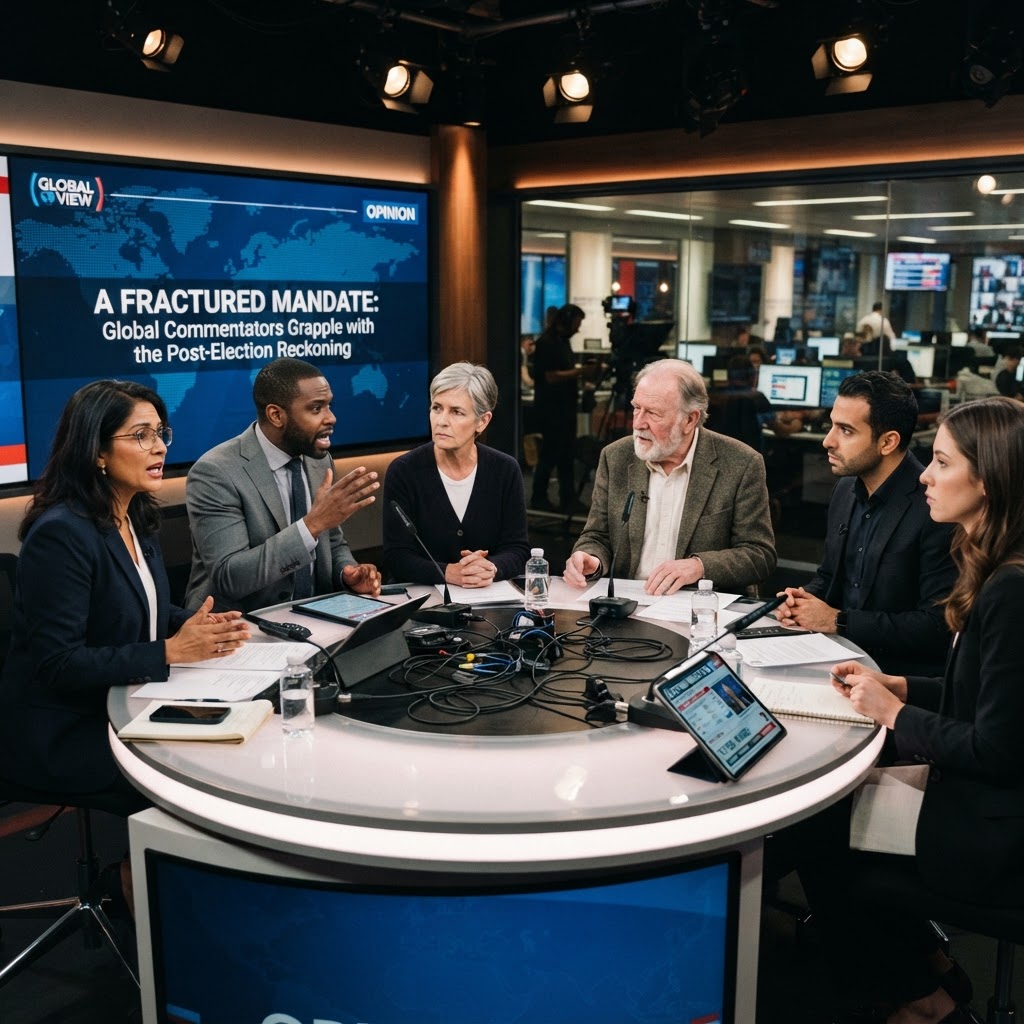
The Anatomy of an Electoral Wave
In the immediate aftermath of sweeping midterm elections that saw the Democratic Party recapture both chambers of the United States Congress, opinion columns and editorial desks worldwide have erupted in vigorous debate. Pundits and political scientists alike are characterizing the outcome not merely as an ordinary cyclical correction, but as an acute repudiation of aggressive executive policymaking, runaway living costs, and foreign policy overreach. Commentators across legacy outlets note that the so-called 'blue wave' reflects a decisive public mandate against prolonged domestic disruption and an unchecked administrative branch.
However, within the analytical commentary, the celebratory rhetoric of a democratic restoration is tempered by severe pragmatic cautions. Conservative commentators suggest that the incoming legislative majority faces an impending collision with fiscal realities, warning that lofty promises must contend with entrenched federal spending pressures and economic sluggishness. Meanwhile, progressive columnists point out that achieving a parliamentary majority is only the first step; delivering tangible socioeconomic relief to a weary electorate will test the coalition’s institutional resolve, particularly in an era marked by executive veto threats and deepening partisan polarization.
Global Relief Meets Deep-Seated Distrust
Beyond the borders of North America, the international commentariat has reacted with a nuanced blend of momentary relief and enduring wariness. Editorials from Europe to East Asia emphasize that a single legislative election cannot easily reverse the systemic volatility that has come to define contemporary geopolitics. Observers note that while traditional allies welcome the restoration of institutional checks and balances in Washington, international partners harbor no illusions that structural unpredictability has vanished overnight.
Diplomatic essayists argue that international relations operate on consistency, an asset that has grown scarce in recent years. Analysts point to trade disputes, fractured multilateral accords, and military posturing that have forced regional powers to seek alternative security frameworks and economic self-reliance. In the eyes of many foreign observers, the electoral result offers a temporary pause rather than a fundamental guarantee of stability, prompting sovereign nations to maintain hedging strategies rather than betting unreservedly on a permanent geopolitical turnaround.
The Middle East and the Perils of Miscalculation
The opinion pages of Middle Eastern publications present perhaps the sharpest divergence in perspectives, centering on how shifting power dynamics will influence persistent regional conflicts. Columnists writing across regional platforms warn that adversarial regimes and non-state actors risk catastrophic miscalculation if they interpret electoral swings in Washington as an indicator of absolute paralysis or strategic withdrawal. While congressional scrutiny over foreign engagements and weapons sales is widely expected to intensify, strategic deterrence commitments retain considerable institutional momentum.
Simultaneously, humanitarian commentators continue to direct fierce scrutiny toward the catastrophic human cost of unresolved crises across the Levant and the Arabian Peninsula. Editorial boards increasingly stress that electoral accountability must translate into immediate, unrestricted humanitarian aid deliveries and a genuine re-evaluation of unconditional diplomatic backing. For these writers, political rhetoric in foreign capitals means little if it does not alleviate acute famine, restore battered civilian infrastructure, and compel regional belligerents to halt asymmetric strikes on vital supply routes.
The Shifting Battlegrounds of Governance
Looking ahead, essayists are focusing their attention on the turbulent horizon of divided governance. With the executive branch signaling an unwillingness to moderate its agenda and instead doubling down on core populist themes, political analysts anticipate unprecedented institutional conflict. Proposals for legislative oversight, aggressive committee probes, and contentious budgetary battles are expected to dominate legislative agendas, creating an atmosphere ripe for prolonged gridlock.
Ultimately, the synthesized consensus running through contemporary opinion pages is one of guarded anticipation. The electorate may have delivered a resounding rebuke to an era of unchecked dominance, but the structural fissures within modern governance—both domestically and across the international order—remain wide open. Whether newly empowered lawmakers can translate an electoral rebuke into lasting stability, or whether the victory merely sets the stage for more trenchant institutional warfare, remains the defining question facing contemporary democracy.
Recommended for you
Similar to “Political Opinion”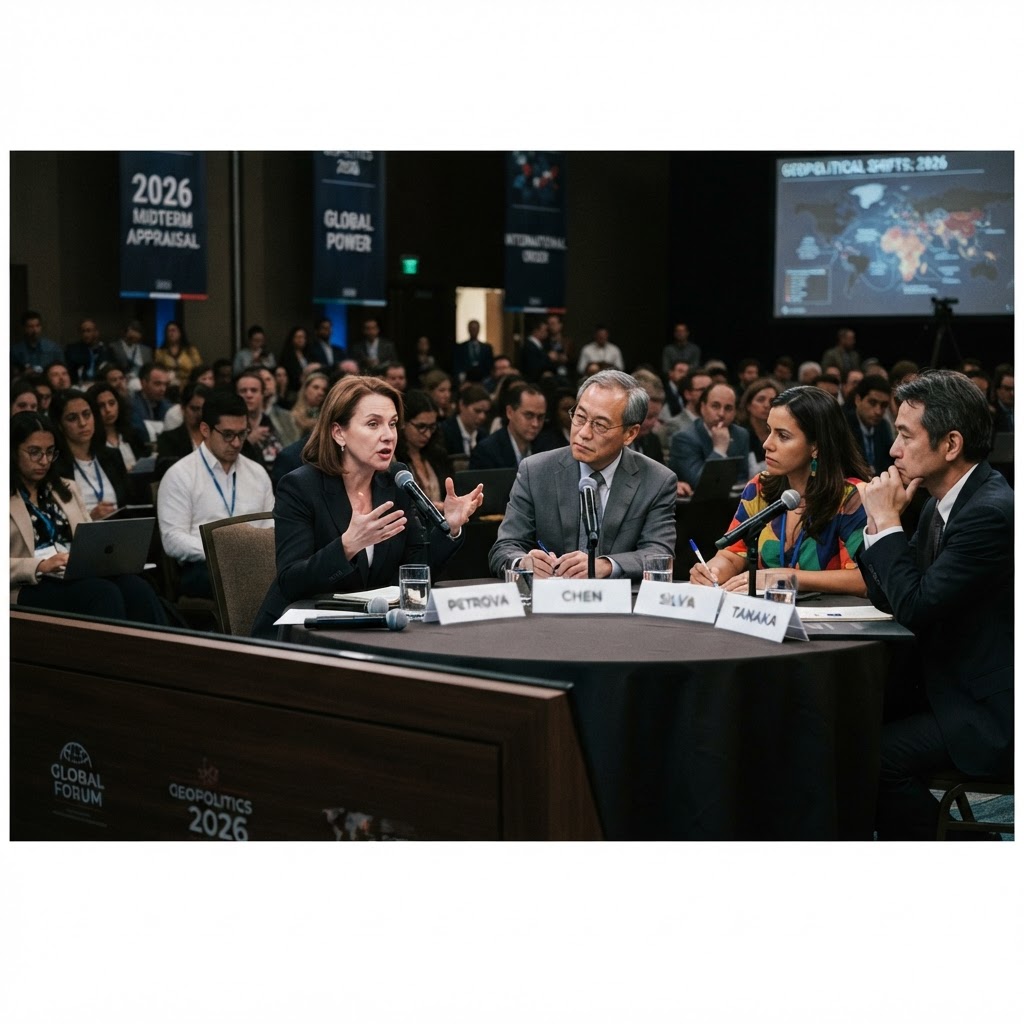
A Global Reset of Power: Commentators Appraise the 2026 Midterm Backlash and the Fragility of International Order
Opinion writers and geopolitical analysts across the world are dissecting the dramatic 2026 U.S. midterm turnover, probing whether a sweeping democratic verdict can truly mend fractured alliances and domestic governance.
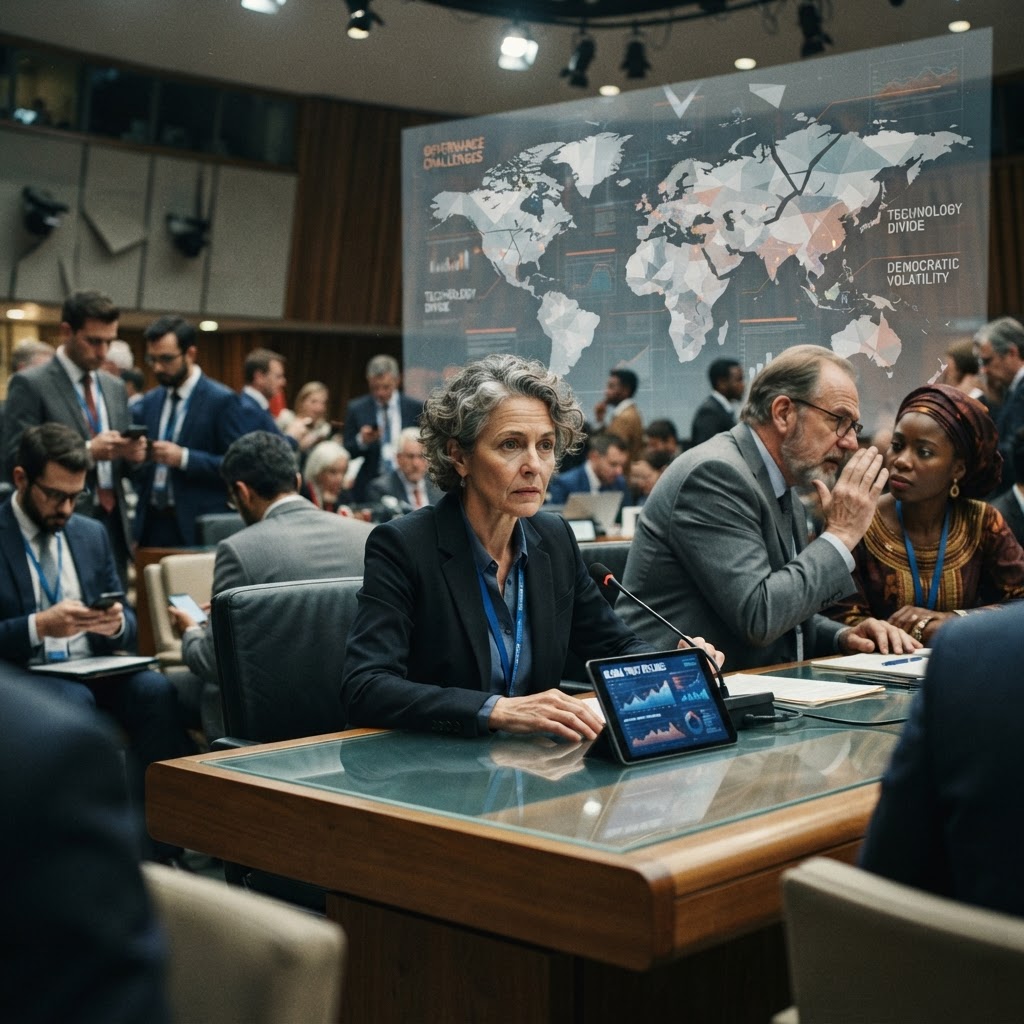
A Fractured World Weighs Governance, Technology, and Democratic Volatility
Across international editorial boards and opinion columns, commentators are grappling with mounting electoral unease in Western democracies, escalating regulatory debates over artificial intelligence, and deep geopolitical fractures.

A Fractured Consensus: How Opinion Pages Around the World Reflect an Era of Distrust and Disruption
From growing scrutiny of multilateral institutions to domestic political friction and artificial intelligence debates, international opinion pages highlight a fractured global order navigating rapid technological and geopolitical transitions.