Generative Disruption and Institutional Reckoning: The Cultural Landscape Confronts Authorship and Autonomy
As international bodies codify culture's role in global development, the creative industries are grappling with unprecedented debates surrounding artificial intelligence, copyright authenticity, and heritage protection.
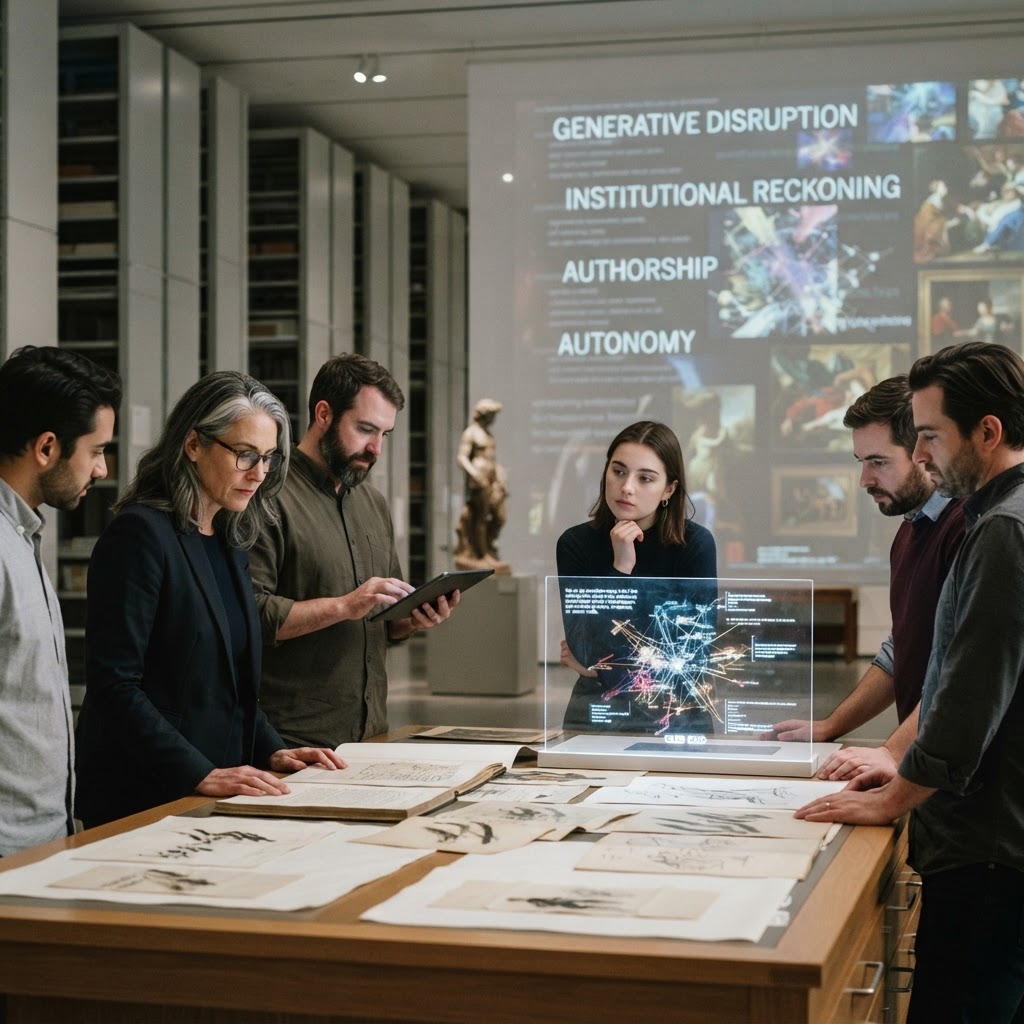
A Watershed Moment for the Global Cultural Economy
In international forums and independent creative hubs alike, cultural production is experiencing a profound institutional re-evaluation. Long treated as soft policy or peripheral recreation, creative industries are increasingly recognized as vital pillars of macroeconomic resilience and social cohesion. Recent international assessments emphasize that cultural and creative sectors generate nearly 3.4 percent of global GDP and represent over 3.5 percent of worldwide employment. However, this growing formal recognition arrives precisely as the mechanics of artistic creation, ownership, and dissemination are undergoing their most turbulent structural disruption in decades.
Governments, intergovernmental agencies, and cultural ministries are racing to build governance frameworks robust enough to support contemporary practitioners without smothering local traditions. From national parliamentary assemblies updating cultural preservation statutes to worldwide developmental initiatives preparing ten-year operational roadmaps, the underlying consensus is clear: artistic expression is not merely decorative, but an indispensable engine for sustainable societal progress that requires immediate legislative safeguarding against rapid digital exploitation.
The Collision of Authorship and Artificial Intelligence
Nowhere is the cultural friction more palpable than in the battle lines being drawn across literary publishing and fine art galleries over artificial intelligence. What began as speculative discourse has transformed into concrete legal and economic standoffs. Visual art markets are fracturing in real time as high-profile copyright rulings and regulatory standards on 'substantial human authorship' force galleries, auction houses, and insurers to demand provenance audits. A distinct pricing divide has emerged between certified human-crafted works and speculative algorithmic generations, unsettling collectors and institutions who fear acquiring assets that lack legal intellectual property protections.
The literary world has experienced its own parallel tremors. Scandals over undeclared algorithmic assistance in award-winning fiction have rippled through European and North American publishing circles, culminating in publisher admissions and intense soul-searching over narrative integrity. When algorithmic prompts produce prose capable of winning major prizes, the definition of literary craftsmanship itself is contested. Creative unions and independent authors increasingly insist on transparent contractual barriers to ensure that original voices are not quietly substituted with composite synthetic models.
Sovereignty, Data Rights, and Global South Heritage
Beyond individual market transactions, these technological shifts have triggered urgent questions regarding cultural sovereignty and data extraction. Multilateral discussions, such as parliamentary debates on national cultural policies in the Caribbean, have raised pointed warnings about the uncompensated ingestion of distinctive local rhythms, linguistic idioms, and folklore by overseas machine-learning models. Without regulatory firewalls, regional creative ecosystems risk having their collective heritage harvested to train commercial tools that return zero economic benefit to the originating communities.
Cultural policymakers are emphasizing that indigenous knowledge, traditional storytelling, and vernacular performance traditions require protective frameworks akin to environmental stewardship. The priority is shifting from passive preservation to proactive empowerment: constructing regulatory systems where artists retain intellectual property ownership, fair compensation mechanisms are enforced, and young practitioners are equipped to command new digital media without surrendering their narrative agency to foreign platform monopolies.
Cross-Pollination and Live Connection in a Virtual Age
Curiously, the encroachment of algorithmic homogeneity has catalyzed a fierce counter-appetite for unvarnished human presence. Major international performing arts circuits are witnessing record-shattering box-office responses, from historic museum inaugurations and massive stadium spectacles to sold-out theatrical revivals that emphasize physical assembly. Whether through immersive international stage productions or the global diaspora of distinct local music genres, audiences are demonstrating an unmistakable hunger for visceral, shared emotion that cannot be replicated by synthetic simulations.
Archaeological and historic heritage sites are reporting similar surges in public fascination. Discoveries that illuminate intimate everyday domestic life—from unearthed personal adornments in Pompeian villas to newly interpreted ancient textiles—continue to capture international imaginations far more compellingly than high-tech novelty spectacles. The contrast highlights a fundamental cultural paradox: while digital infrastructure facilitates immediate global access to creative content, it has simultaneously magnified the irreplaceable value of authentic, physically grounded heritage.
Navigating the Next Decade of Cultural Policy
As the international community moves toward establishing long-term cultural frameworks, the dual imperatives of preservation and technological adaptation must find an equilibrium. Culture cannot remain an afterthought in urban planning, international trade negotiations, or technological regulation. Safeguarding creators' livelihoods, insulating indigenous heritage against unregulated digital extraction, and fostering spaces for communal storytelling will dictate whether the creative sector flourishes or atrophies over the coming decade.
Culture remains the primary mirror through which societies process loss, articulate collective ambition, and define their humanity. In an era increasingly governed by automated efficiency and algorithmic mimicry, safeguarding the rights of living artists and honoring their ancestral lineage is no longer just an aesthetic concern—it has become a foundational test of global civil society.
Recommended for you
Similar to “Culture”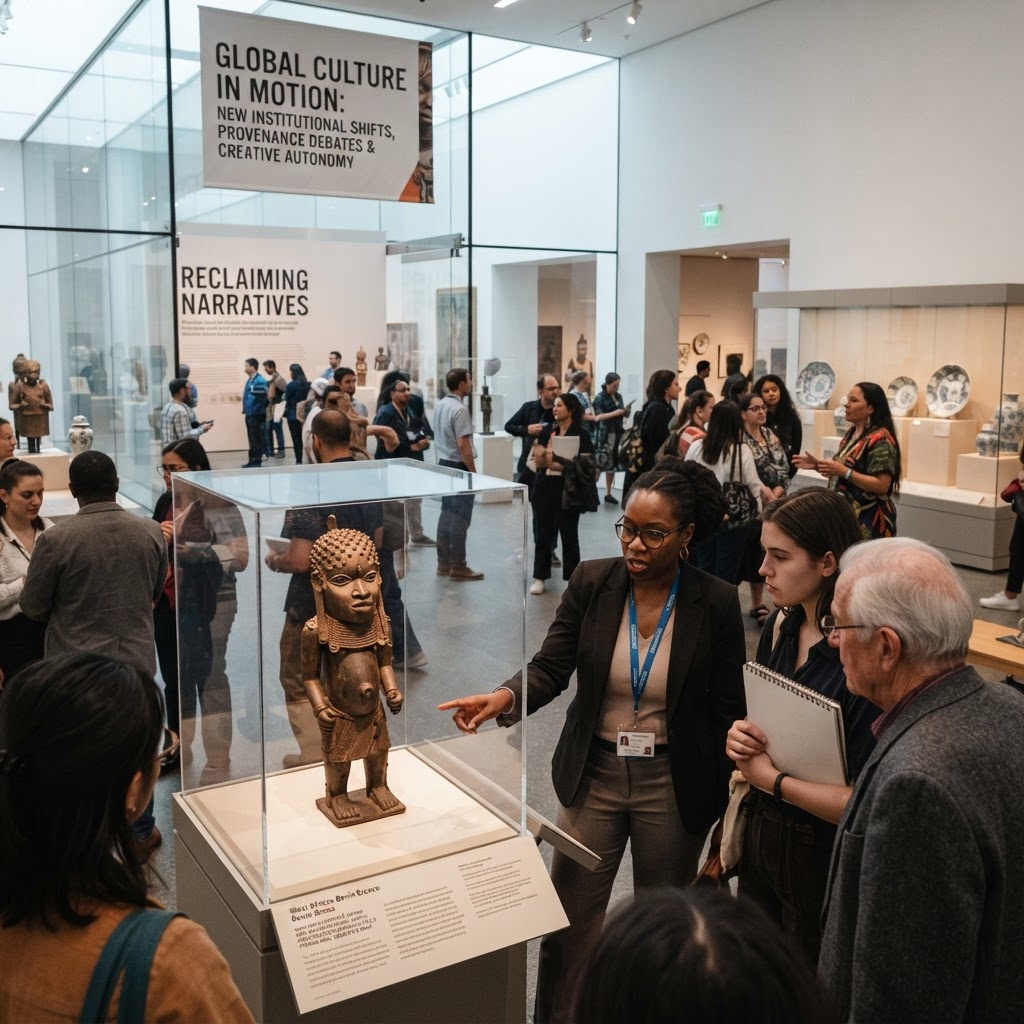
Global Culture in Motion: New Institutional Shifts, Provenance Debates, and Shifting Creative Autonomy
Recent developments across international museums, policy frameworks, and popular music reflect a cultural landscape grappling with transparency, creative independence, and heritage preservation.
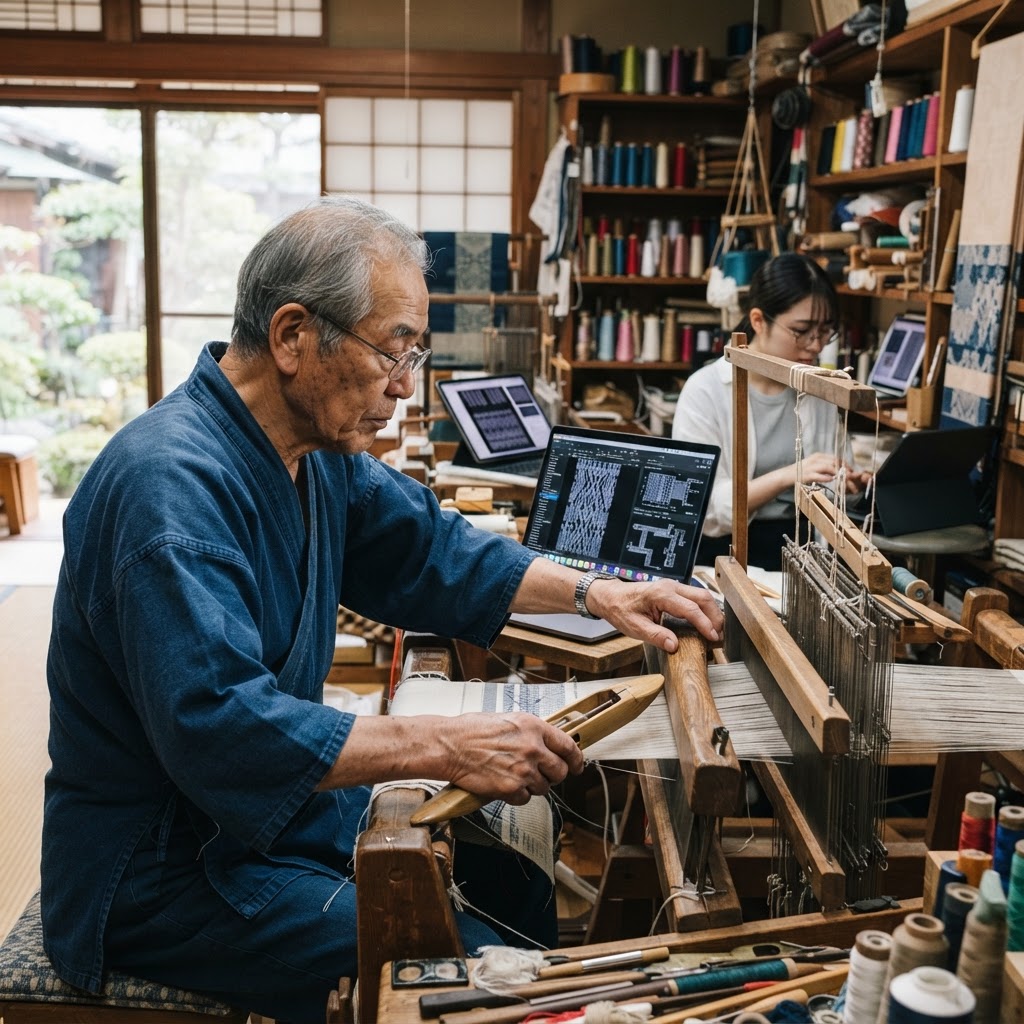
Between Heritage and Innovation: How Global Culture Navigates Technological Disruption and Shifting Frontiers
From generative artificial intelligence scandals in literature to the diplomatic restitution of antiquities, recent events highlight a dynamic cultural landscape balancing heritage preservation with modern technology.
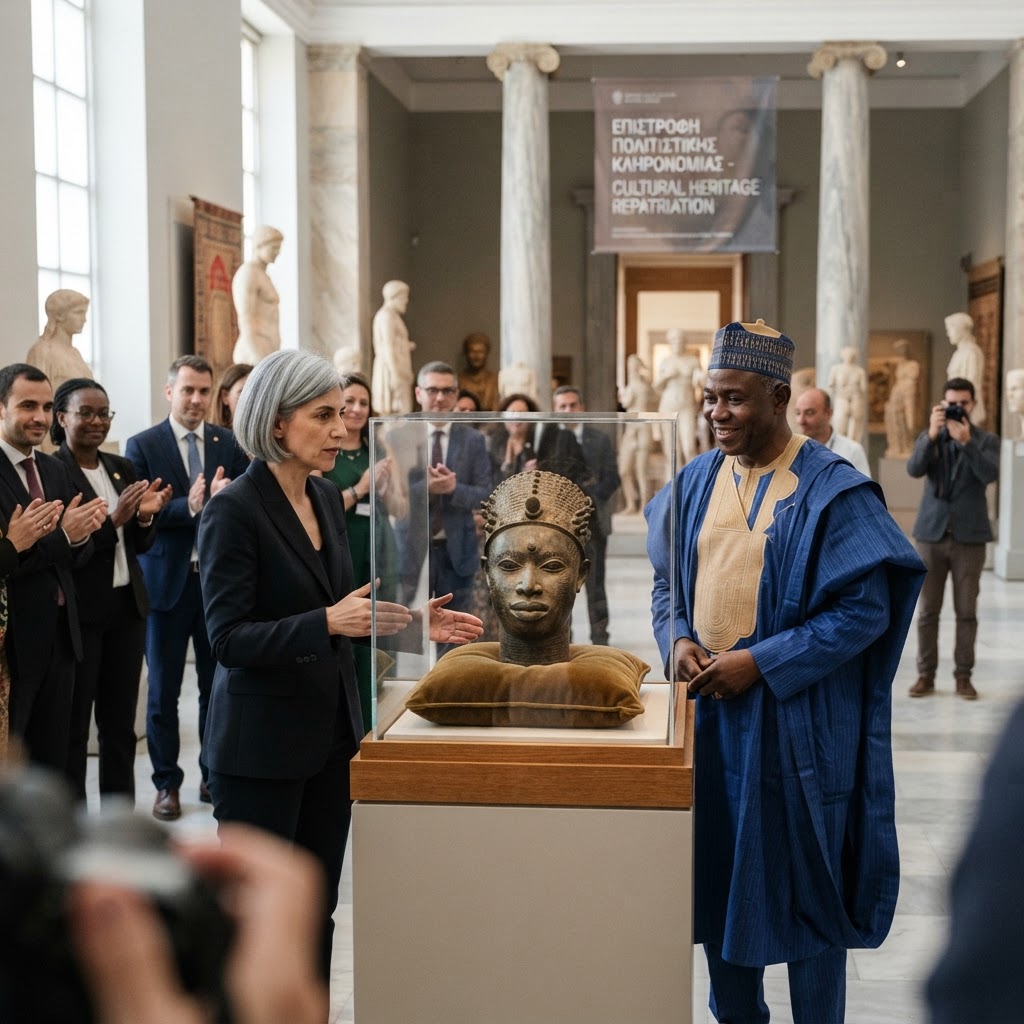
Culture at the Crossroads: How Heritage Repatriation, International Diplomacy, and Creative Industries Are Reshaping the Global Landscape
From high-stakes diplomatic restitutions in Southeastern Europe to UNESCO's newly framed sustainable development mandates and the rise of slow-heritage tourism, cultural identity is taking center stage in international affairs.