Diplomacy Amid Fracture: Shifting Coalitions and Tense Negotiations Redraw the Geopolitical Map
From historic political realignments in Israel and exploratory peace discussions for Ukraine to escalating friction across the Middle East, international affairs are navigating a perilous and fast-moving transitional phase.
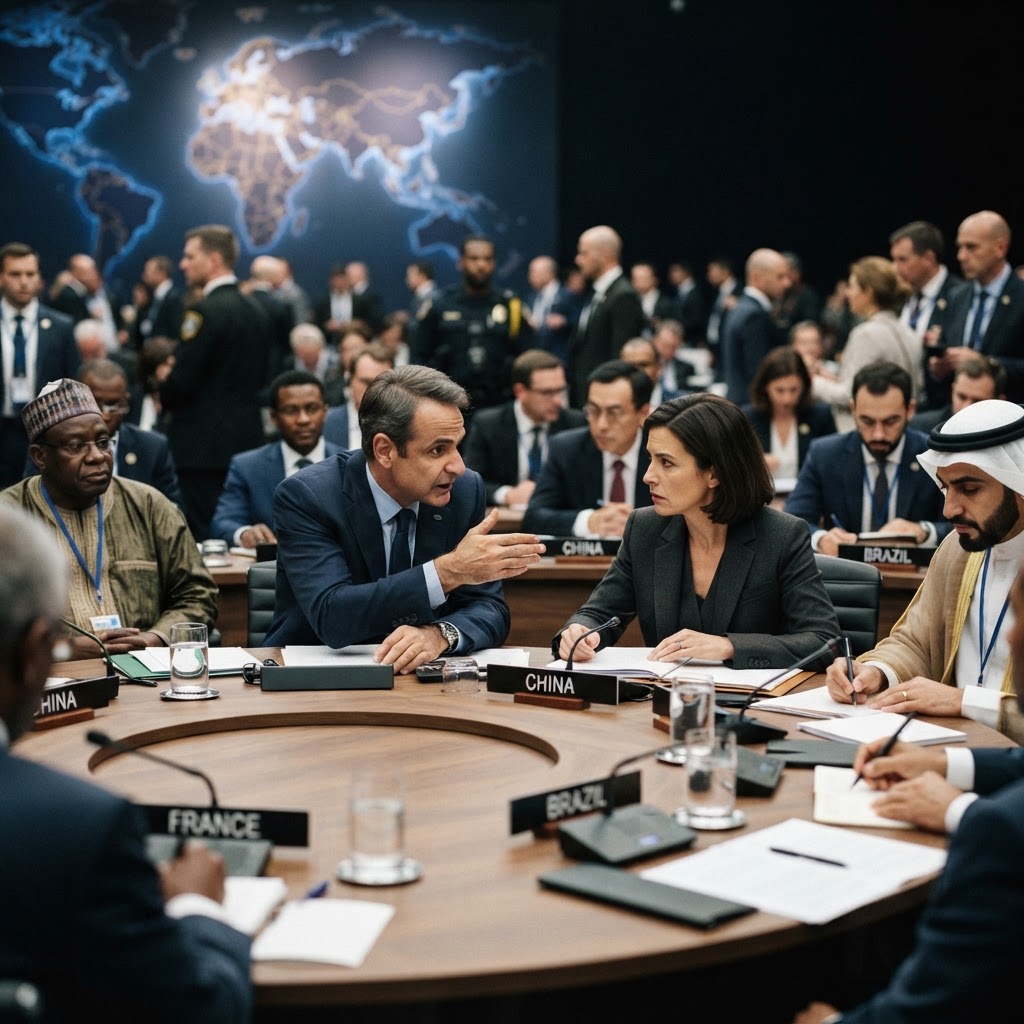
A Watershed Realignment in Israeli Governance
In what marks one of the most consequential domestic political shifts in decades, Israel stands on the precipice of a post-Netanyahu era. Following a contentious general election in which the traditional right-wing bloc lost its majority, President Isaac Herzog formally tasked Gadi Eisenkot, leader of the centrist Yashar party and former military chief of staff, with forming the nation's next governing coalition. While opposition factions secured a narrow combined majority of 67 seats in the 120-member Knesset, Eisenkot faces an arduous 28-day window to assemble an ideologically fractured alliance ranging from conservative secularists to Arab and left-leaning factions.
The transition is unfolding against a backdrop of acute regional peril. Benjamin Netanyahu and his defense brass have continued to argue that military objectives regarding regional adversaries remain unfinished, warning of ongoing threats from Tehran. In response, Eisenkot has publicly challenged Netanyahu's rhetoric, arguing that internal stability and diplomatic composure are imperative to preventing wider escalation. The domestic power struggle threatens to fundamentally alter how Jerusalem coordinates its regional security umbrella and approaches long-standing friction points across the Middle East.
Tentative Diplomatic Channels Emerge in the Gulf
Concurrent with shifting dynamics in Jerusalem, discreet yet pivotal diplomatic maneuvering is underway regarding the conflict in Eastern Europe. Delegations representing Ukraine, the United States, and Russia recently convened in Abu Dhabi to initiate preliminary trilateral discussions regarding framework parameters for a ceasefire. Ukrainian President Volodymyr Zelensky described the inaugural sessions as constructive, signaling a modest opening for formal diplomacy despite profound foundational differences over territorial integrity and security guarantees.
Nevertheless, the pathway to de-escalation remains beset by severe obstacles. In the days surrounding the talks, heavy strikes continued to target vital infrastructure around Kyiv, underscoring the gap between diplomatic discourse and ground realities. European capitals, meanwhile, are expressing growing apprehension over their representation in emergent peace frameworks, urging Washington to ensure that continental security interests are not sidelined in bilateral or narrow trilateral arrangements.
Persisting Brinkmanship Around Tehran
Any hopes for a broader relaxation of international tensions remain clouded by expanding confrontation between Iran and an array of international actors. Rhetoric from Washington and Jerusalem has grown increasingly bellicose, with U.S. officials declaring readiness to enforce sweeping restrictions on Iranian commercial and energy exports should current standoffs persist. Tehran has responded with characteristic defiance, expanding its list of designated hostile entities to include military components of South American nations like Argentina, whose air force and navy were branded as terrorist organizations amid longstanding diplomatic grievances.
Regional observers caution that despite mediation efforts by Gulf states eager to forestall economic disruption, the margin for error remains razor-thin. Hardline elements across multiple capitals continue to frame the dispute in existential terms, heightening the risk that a miscalculation in the maritime corridors of the Persian Gulf or along border skirmish lines could ignite a wider confrontation.
Global Rebalancing and Strategic Multipolarity
These regional flashpoints reflect a broader structural transformation in world affairs. In Washington, domestic political friction—including legislative challenges to executive trade and tariff policies following shifting majorities in Congress—is reshaping the foreign policy tools available to the United States. Concurrently, developing states and regional mid-powers are demonstrating increased autonomy, forging independent energy pacts across the Black Sea and the Caucasus and asserting leadership at international climate summits like COP31.
Whether in the fragile coalition negotiations in Jerusalem, the closed-door discussions in the Gulf, or the maneuvering over global energy supply lines, the contemporary international order is defined by decentralization. As legacy alliances adapt to internal fissures and emerging powers test their diplomatic leverage, global leaders face the precarious challenge of constructing new guardrails to manage conflict before localized flashpoints metastasize into global instability.
Recommended for you
Similar to “World Affairs”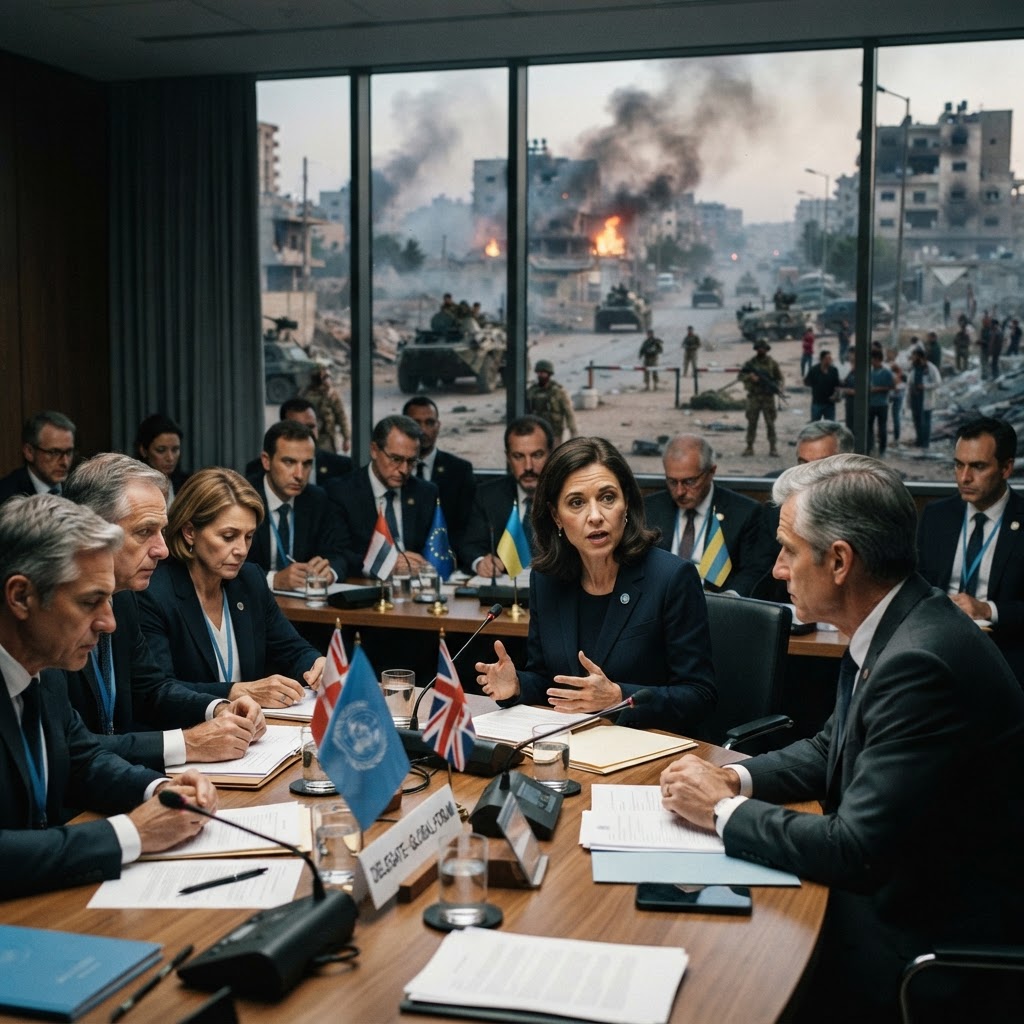
Fragile Diplomacy and Escalating Fronts: Global Tensions Test International Order
High-stakes diplomatic negotiations in the Middle East and Eastern Europe face mounting strain as battlefield strikes, political shakeups, and maritime friction disrupt peace efforts across multiple continents.
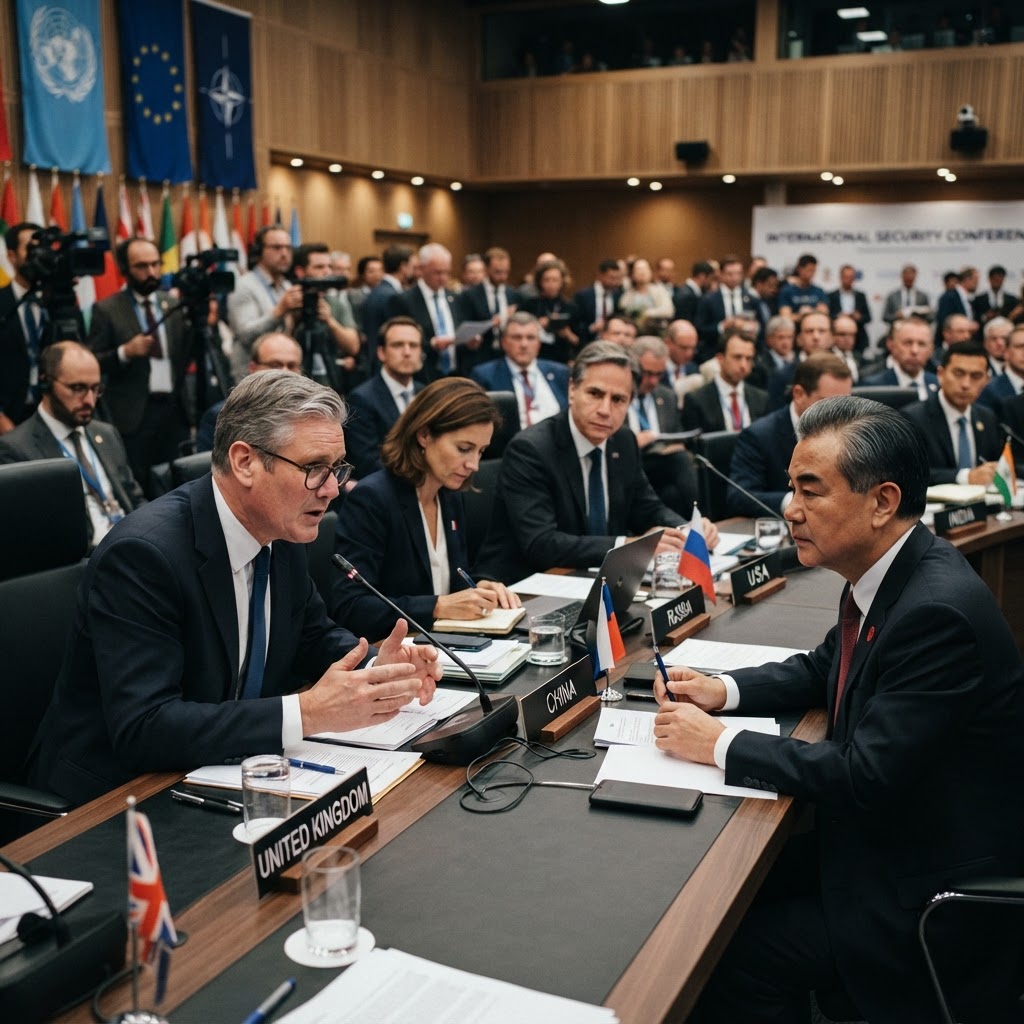
Global Diplomacy at a Crossroads: Security Pacts, Coalition Shifts, and Strained Talks Define International Affairs
High-stakes diplomacy is facing acute friction across Europe and the Middle East as negotiations over continental security collide with major political reorganizations in Israel and intractable standoffs between Washington and Tehran.
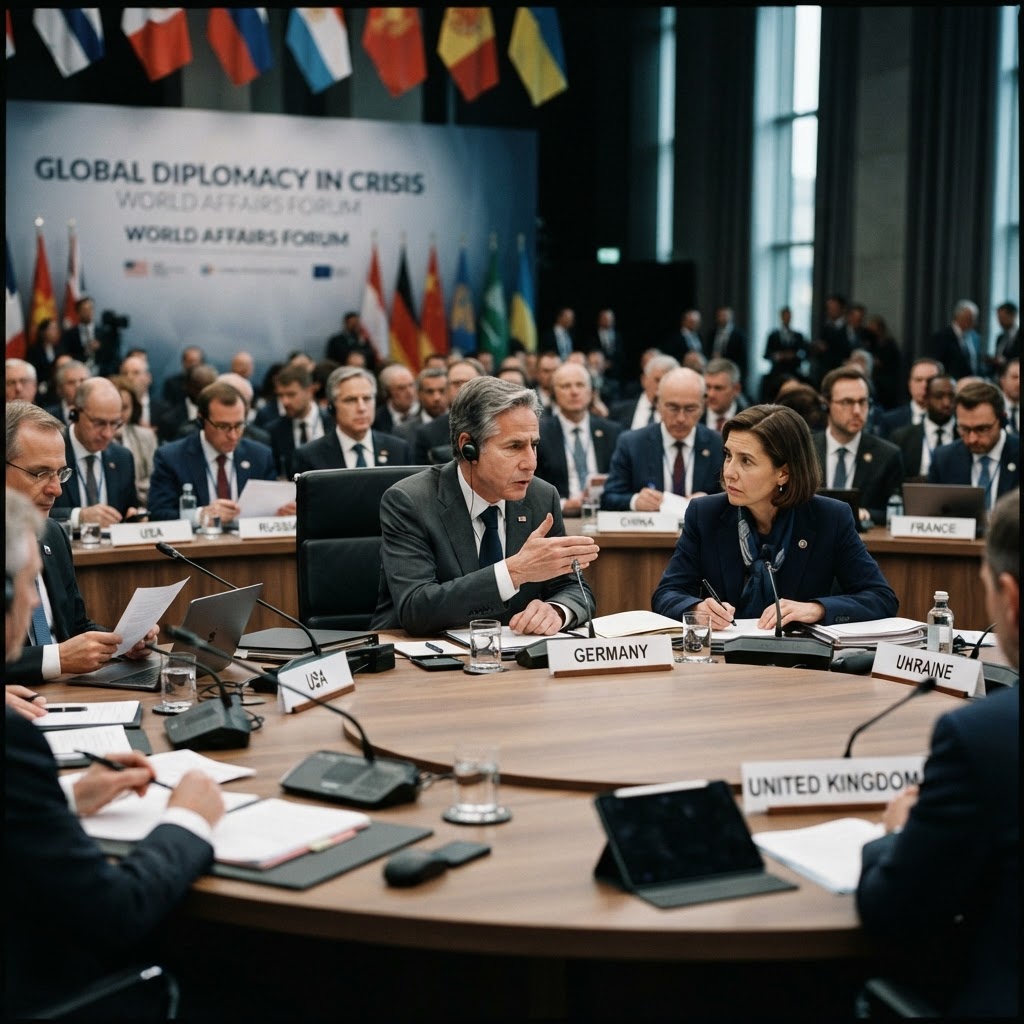
Global Diplomacy Strained as Energy Pacts, Weapon Shortages, and Political Fractures Reshape World Order
Recent diplomatic realignments, shifting energy agreements between major powers, and escalating regional tensions across Eastern Europe, the Middle East, and Asia are testing long-standing geopolitical alliances.