Global Cultural Shifts: Heritage Revival, Modern Art Markets, and the New Era of Cross-Border Expression
Recent cultural developments across East Asia, the Middle East, and the West highlight an era marked by the commercial evolution of modern art, historical preservation, and the friction of international cross-border creative industries.
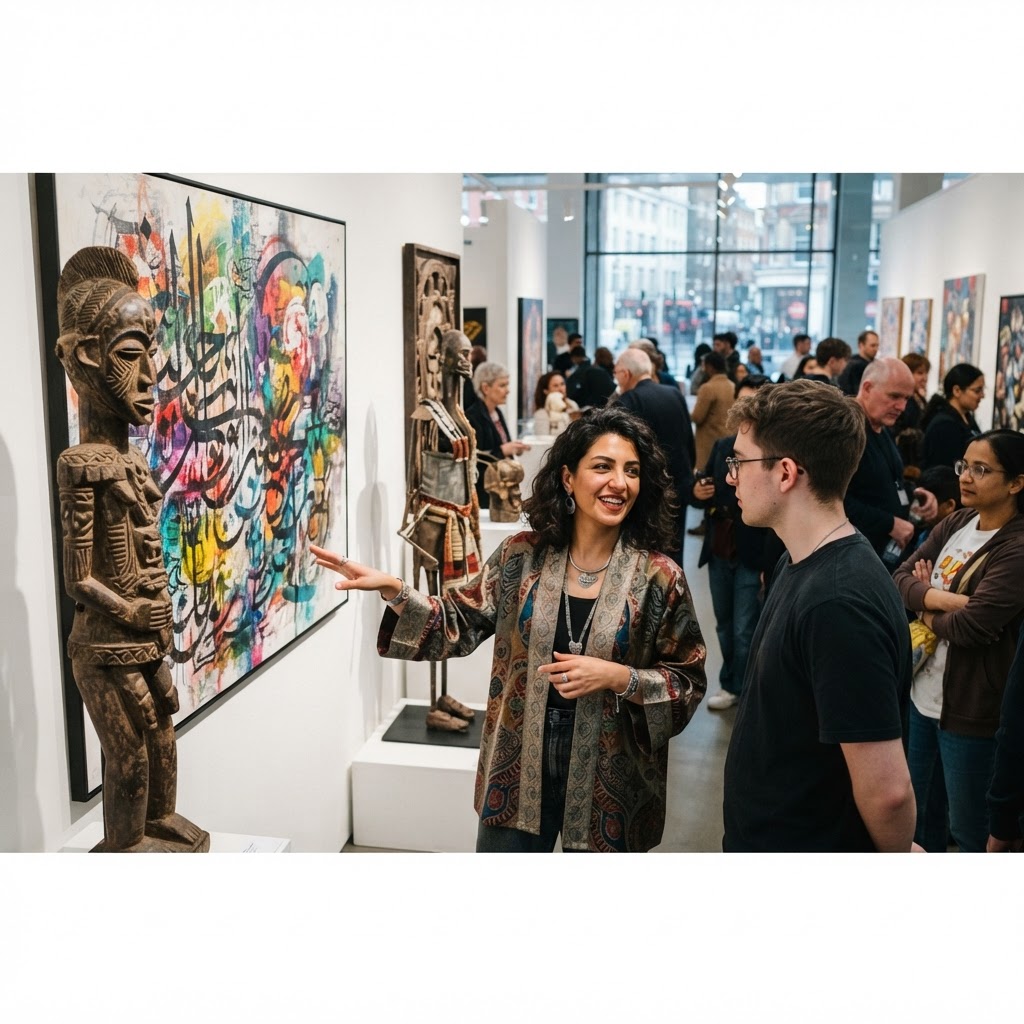
A Dynamic Evolution in Global Fine Art and Public Institutions
The global cultural sphere is witnessing a pronounced period of reassessment, driven by landmark exhibitions, shifts in regional art markets, and structural questions facing major creative institutions. In East Asia, Japan's contemporary landscape has entered a reflective chapter. The legacy of avant-garde pioneer Yayoi Kusama continues to dominate market discussions regarding rarity and preservation following recent milestone exhibitions, including the debut of previously unseen motifs that explore themes of transcendence, as noted by The Japan Times. Concurrently, institutional initiatives such as Art Week Tokyo have mobilized dozens of regional spaces to unify distributed visual arts scenes, while retrospectives honoring seminal figures like Mariko Mori highlight how technology and spiritual iconography continue to intersect in contemporary discourse.
Yet institutional health remains a subject of intense scrutiny worldwide. Major Western and Pacific cultural hubs face compounding economic and operational pressures. Curatorial and gallery networks have been navigating volatile attendance and unexpected event disruptions, while cultural workers at major university and regional museums—such as Sydney's Chau Chak Wing Museum—have actively organized against structural reorganizations and staff downsizing that could compromise preservation capabilities, according to reportage from The Art Newspaper. Across leading exhibition circuits from Paris to Shanghai, fairs and galleries are recalibrating their public strategies, balancing the fiscal demands of large commercial events against the necessity of stable, long-term artistic stewardship.
The Middle Eastern Renaissance: Tradition Confronts Modern Design
In the Middle East, cultural investment continues to yield expansive public programming and high-profile international market sales. The region's growing stature as an art capital was underscored by Christie’s ‘Mawasim’ showcase in Abu Dhabi, celebrating two decades of formal commercial operations in the region with an auction of influential contemporary and modern Middle Eastern works, as highlighted by Arab News. At the same time, regional institutions are championing localized traditional crafts alongside modern initiatives. In Saudi Arabia, state-backed urban initiatives in historic Jeddah have focused on training a new generation in ancestral woodworking, masonry, and architectural crafts to protect living cultural memory amidst rapid urban modernization.
Regional design has also gained global validation through events such as the Design Doha Prize, which recently honored innovators who blend regional materials with sustainable engineering. Middle Eastern performing artists are simultaneously commanding wider international stages, with contemporary musical figures from Egypt, Palestine, and the Levant securing prominent festival bookings across Europe and North America. This expansion demonstrates how modern regional storytelling is finding traction on global platforms while remaining anchored in regional narratives.
Cross-Border Performance, Heritage Diplomacy, and Emerging Complexities
International performing arts and popular culture continue to wrestle with geopolitical and administrative frictions. The global entertainment sector is experiencing robust transnational demand, evidenced by stadium-scale international world tours from prominent K-pop acts like Stray Kids, as reported by Yonhap News Agency. However, creative mobility is increasingly tested by bureaucratic logjams. Routine visa delays and immigration obstacles have complicated foreign appearances for overseas ensembles and multimedia productions, exposing the logistical vulnerabilities that performers navigate when operating internationally.
Concurrently, traditional performing arts forms are actively reimagining their presentation for international audiences. In Tokyo and Kyoto, classical theater troupes have pioneered experimental productions that translate ancient Noh conventions into English-language tributes focusing on Western historical and musical legends, bridging medieval ritual with contemporary pop icons. On a civic level, heritage diplomacy is gaining renewed governmental backing; Japan’s foreign service has formally introduced immersive museum curriculums at the Tokyo National Museum to equip diplomatic corps members with traditional artistic knowledge as a cornerstone of soft-power strategy, as reported by The Japan News.
Digital Frontiers and the Integrity of Creative Value
Underpinning many of these regional shifts is an escalating debate over technology, creative rights, and cultural sovereignty. Global cultural agencies, led by UNESCO, have increasingly focused on assisting developing cultural powerhouses—such as Jamaica and other Caribbean nations—in updating legislative frameworks for their creative economies, as detailed by UNESCO. At the forefront of these discussions is the rapid proliferation of generative artificial intelligence and synthetic media.
Cultural ministers and artistic unions are sounding alarms over the uncredited harvesting of traditional languages, indigenous patterns, and regional musical rhythms to train machine-learning algorithms. As cultural commerce shifts irreversibly toward digital and automated distribution models, policy analysts emphasize that protecting creator compensation and preserving the authenticity of communal heritage will determine whether technological modernization enriches living artistic cultures or hollows them out. The coming years will demand not only aesthetic invention from artists, but robust structural frameworks that safeguard human expression on the global stage.
Recommended for you
Similar to “Culture”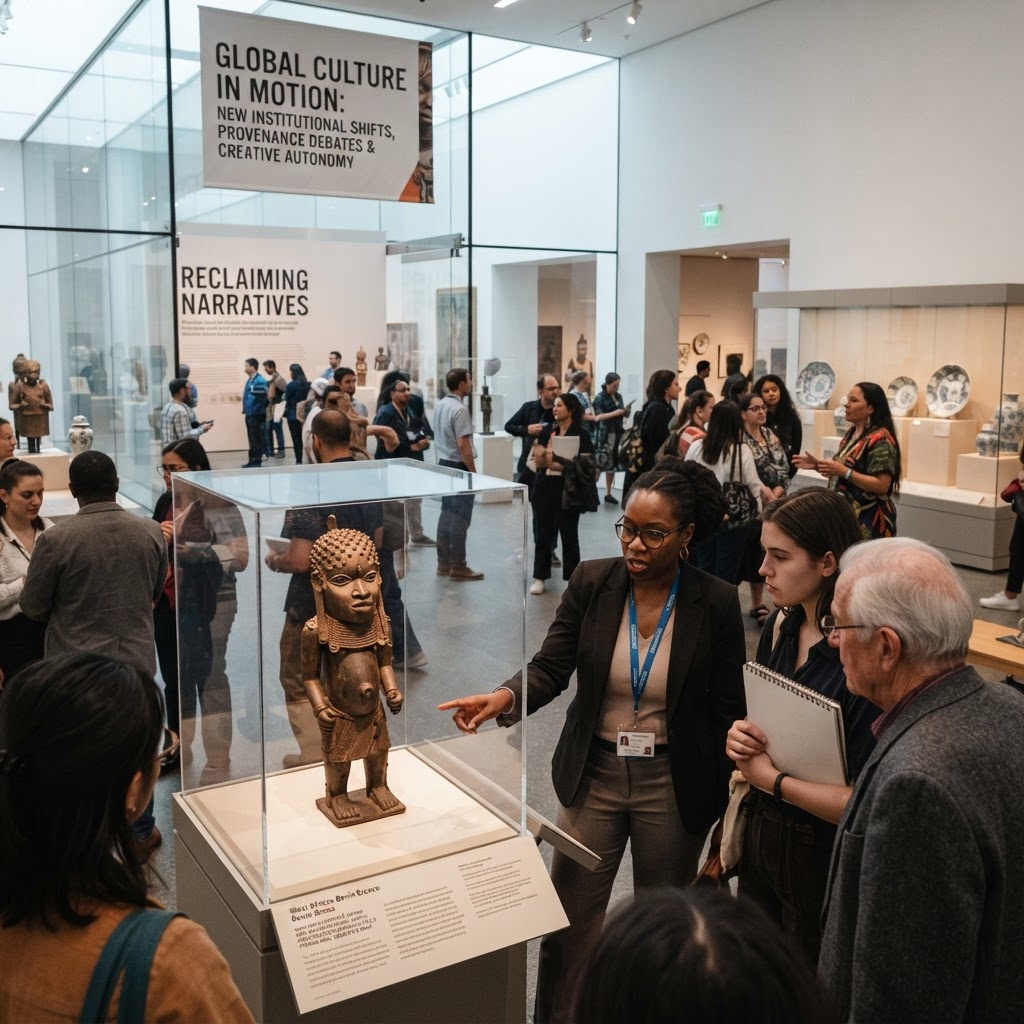
Global Culture in Motion: New Institutional Shifts, Provenance Debates, and Shifting Creative Autonomy
Recent developments across international museums, policy frameworks, and popular music reflect a cultural landscape grappling with transparency, creative independence, and heritage preservation.
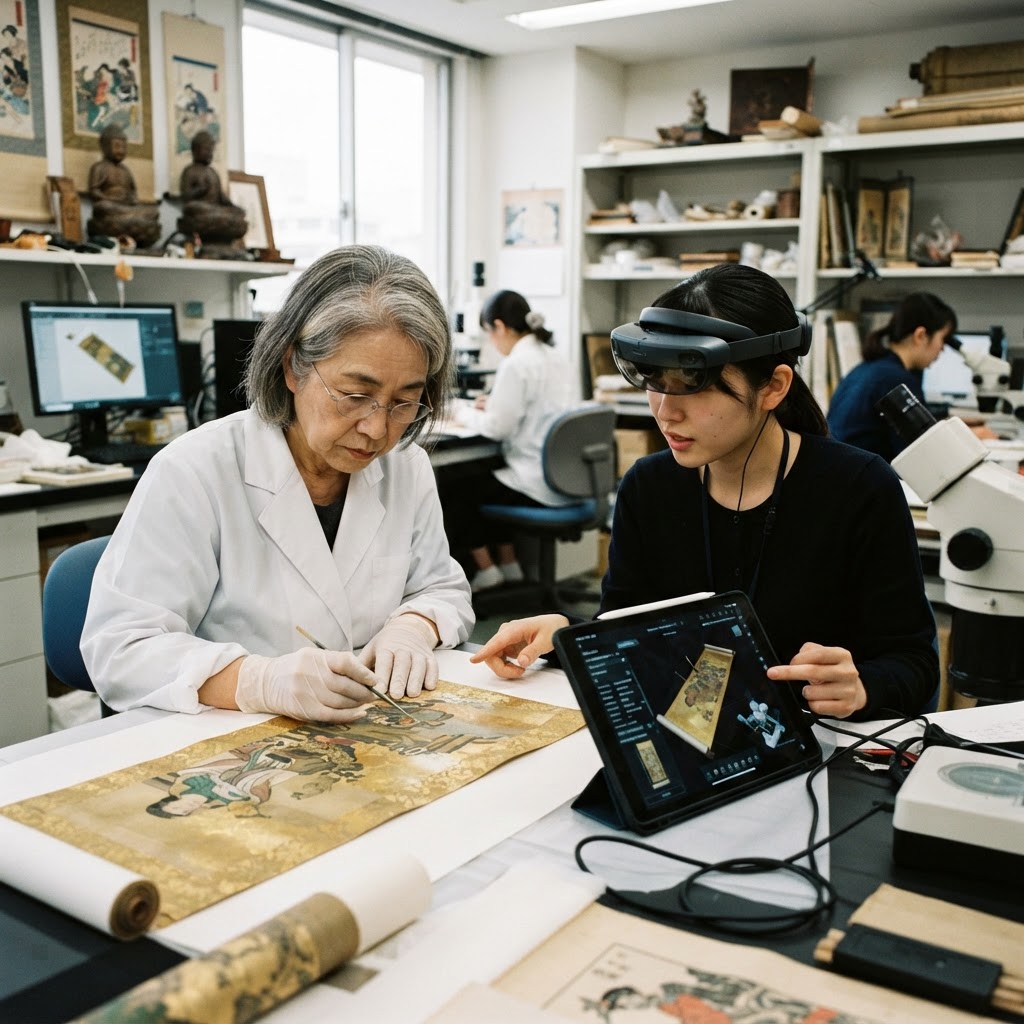
Between Preservation and Innovation: Global Culture Navigates Heritage Safeguards and the AI Frontier
Recent cultural developments across Europe, the Middle East, and Asia spotlight a delicate balance between conserving historical heritage, safeguarding public access, and confronting the disruption of generative artificial intelligence in the arts.
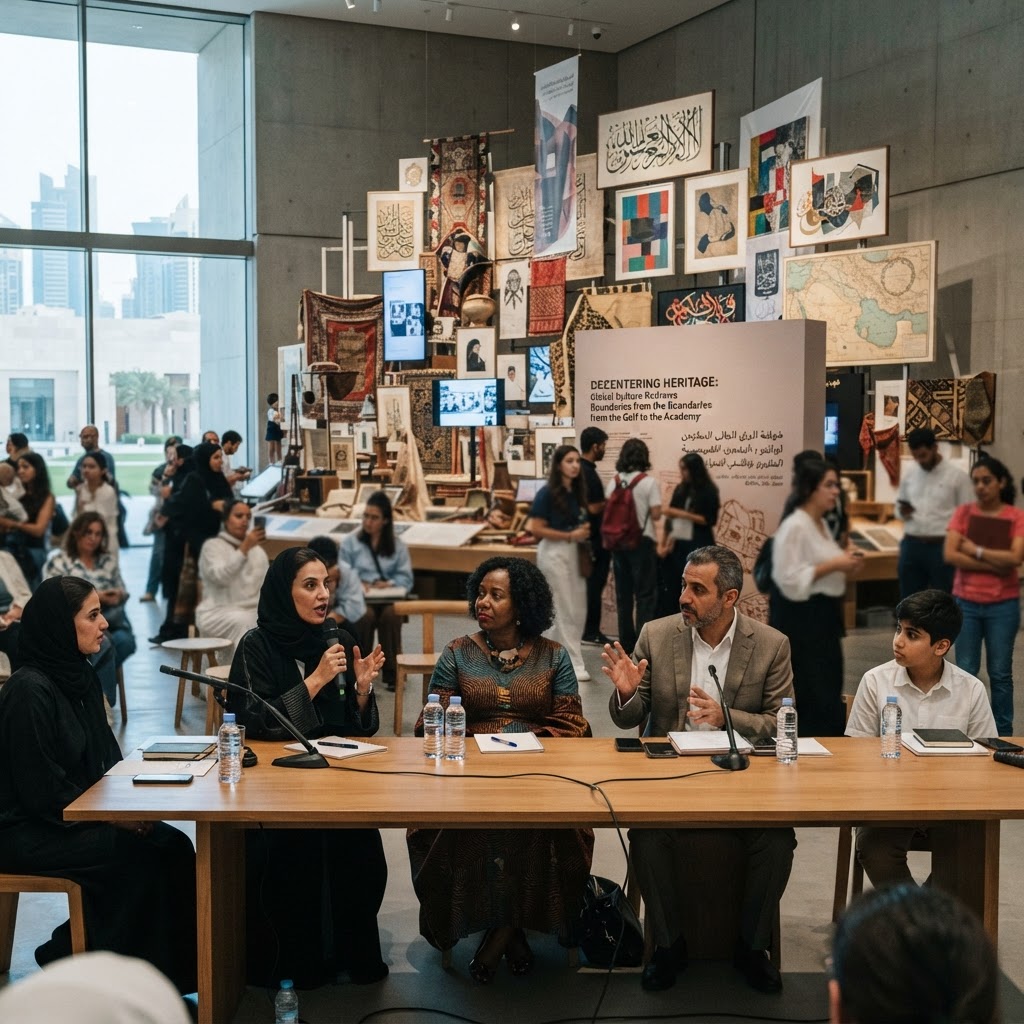
Decentering Heritage: Global Culture Redraws Boundaries from the Gulf to the Academy
Recent cultural developments highlight a major shift toward decentralized artistic narratives, spanning significant new museum initiatives in the Middle East to debates surrounding cultural democracy across institutions worldwide.