Diplomacy, Climate Standoffs, and Health Crises: Global Order Tested on Multiple Fronts
High-stakes peace negotiations in Abu Dhabi secure a breakthrough prisoner exchange amidst deep divisions, while international leaders confront urgent stalemates at COP31 and an escalating public health emergency in Central Africa.
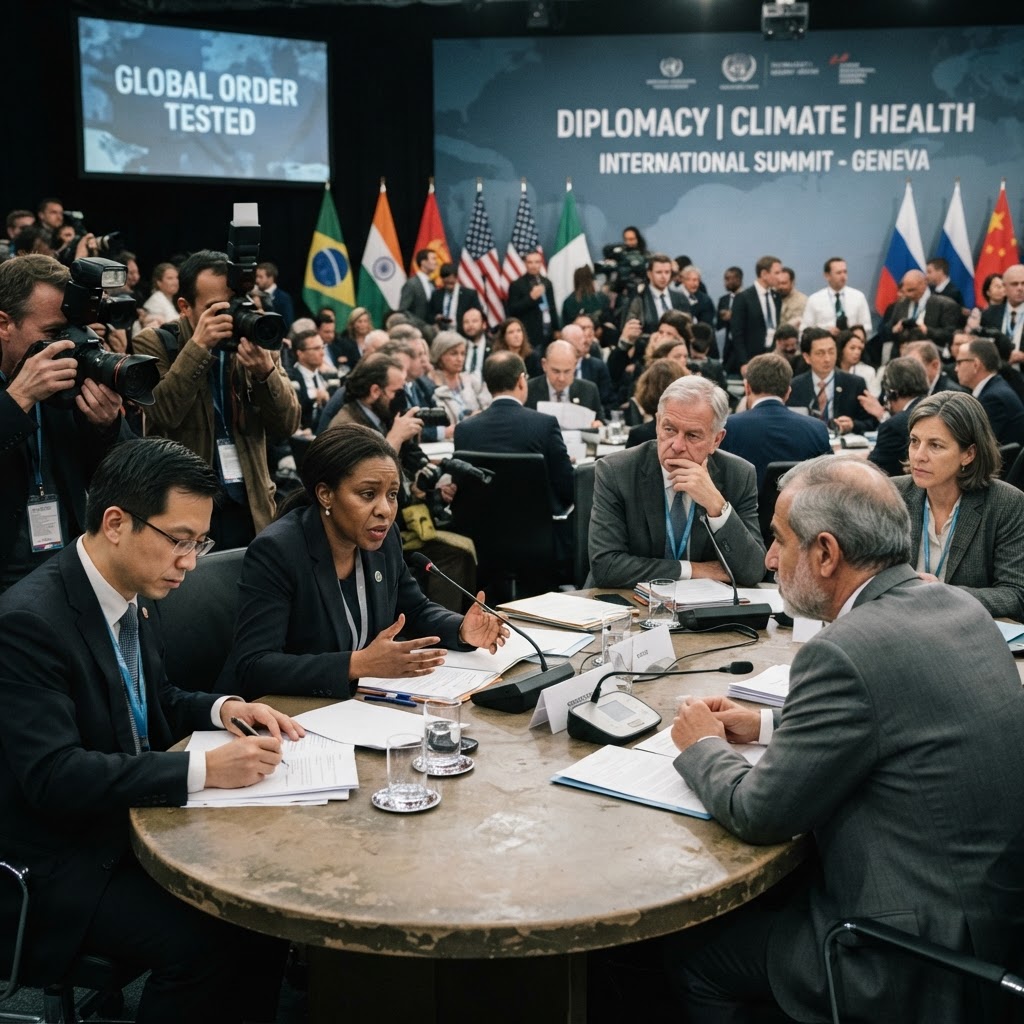
Incremental Breakthroughs Amid Deepening Distrust in Abu Dhabi
In what diplomatic envoys described as the most intensive direct engagement between Russia and Ukraine in over nine months, two days of negotiations held in Abu Dhabi yielded a major humanitarian breakthrough: an agreement to execute the largest prisoner-of-war exchange since the conflict began. Negotiators reached an understanding in principle on the swap, with Ukrainian President Volodymyr Zelenskyy characterizing the scope of the operation as deeply significant.
Despite the positive humanitarian progress brokered under American and Gulf mediation, chief intermediaries conceded that core geopolitical disagreements remain essentially unresolved. Discussions surrounding sovereignty, territorial concessions, and future European security arrangements hit familiar impasses. American envoys noted that an overarching deficit of mutual trust continues to hinder broader political solutions, leaving both nations entrenched along defensive lines even as lines of communication remain tentatively open.
COP31 Confronts Deepening Divides Over Transition and Finance
Concurrent with diplomatic maneuvers in the Middle East, international delegations gathered in Antalya for the COP31 climate summit under rising pressure to deliver structural progress on climate justice and global decarbonization. Addressing delegates, United Nations Secretary-General António Guterres cautioned that the international community has reached a critical juncture, demanding binding agreements that mandate fossil fuel industry contributions to assist vulnerable developing nations.
Discussions at the summit highlighted emerging fault lines between competing approaches to the energy transition. Developing-world coalitions and multilateral development banks advanced major joint financing initiatives aimed at accelerating global electrification and modernizing power grids across emerging markets. However, high-level talks on phasing out fossil fuels remained contentious, with major oil and gas producers pushing back against mandatory transition timelines in favor of voluntary frameworks and infrastructure modernization.
Central Africa Faces an Intensifying Health Catastrophe
Compounding the array of global crises, the World Health Organization and regional medical authorities raised alarms over an escalating outbreak of Ebola in the Democratic Republic of the Congo. Official figures recorded more than 11,000 cases and over 5,300 deaths, making it one of the deadliest epidemics documented in the region's history.
Humanitarian agencies have repeatedly warned that localized containment efforts are severely constrained by limited resources, logistics bottlenecks in remote provinces, and regional security deficits. International health bodies have intensified appeals to foreign donors for coordinated logistical support, medical reserves, and vaccine distribution to prevent further cross-border transmission into neighboring Central and East African nations.
A Fractured International Landscape
Across multiple continents, the week's events illustrate an increasingly splintered multilateral order grappling with overlapping strains. From precarious bilateral talks seeking off-ramps to military conflict, to deadlocked debates on ecological governance, to overburdened public health frameworks, global governance structures are being pushed to their operating limits. While discrete compromises such as humanitarian exchanges provide localized relief, establishing cohesive and lasting international consensus remains one of the era's most elusive objectives.
Recommended for you
Similar to “World Affairs”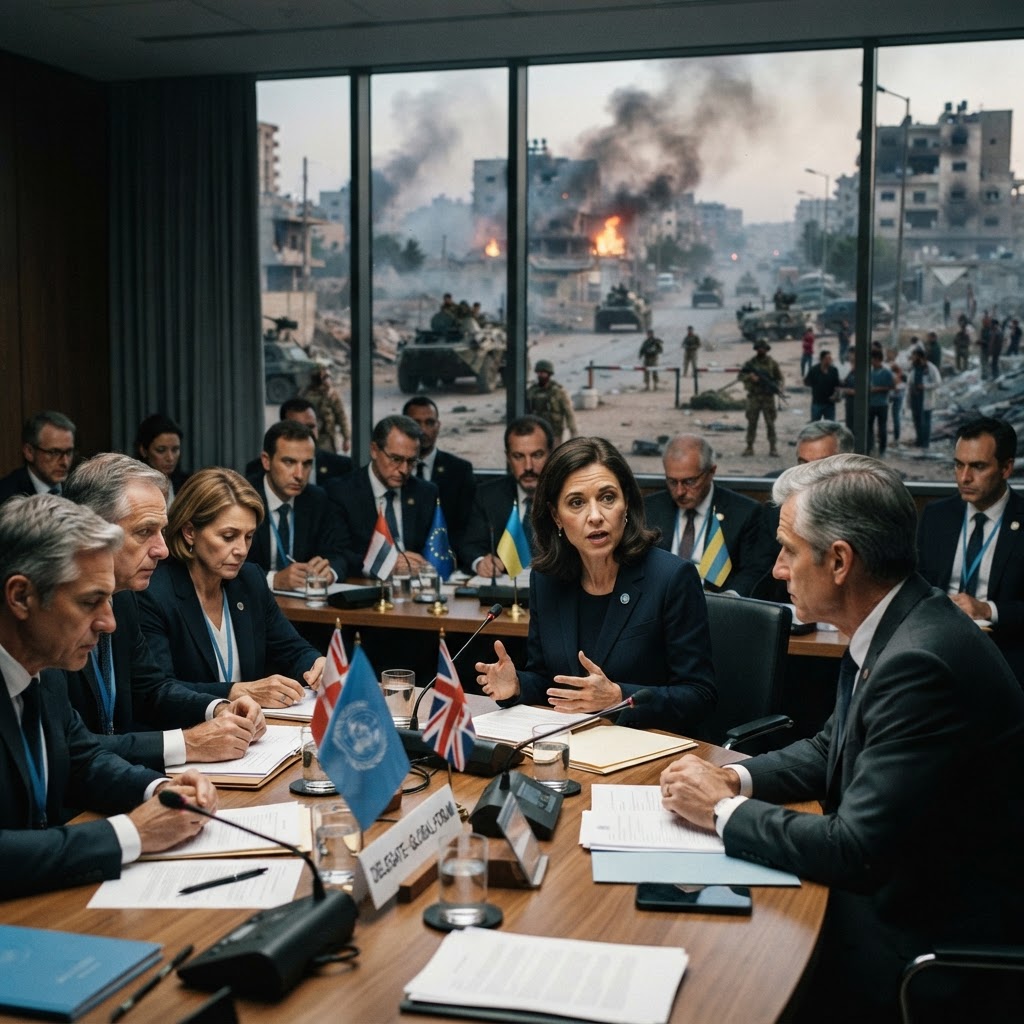
Fragile Diplomacy and Escalating Fronts: Global Tensions Test International Order
High-stakes diplomatic negotiations in the Middle East and Eastern Europe face mounting strain as battlefield strikes, political shakeups, and maritime friction disrupt peace efforts across multiple continents.
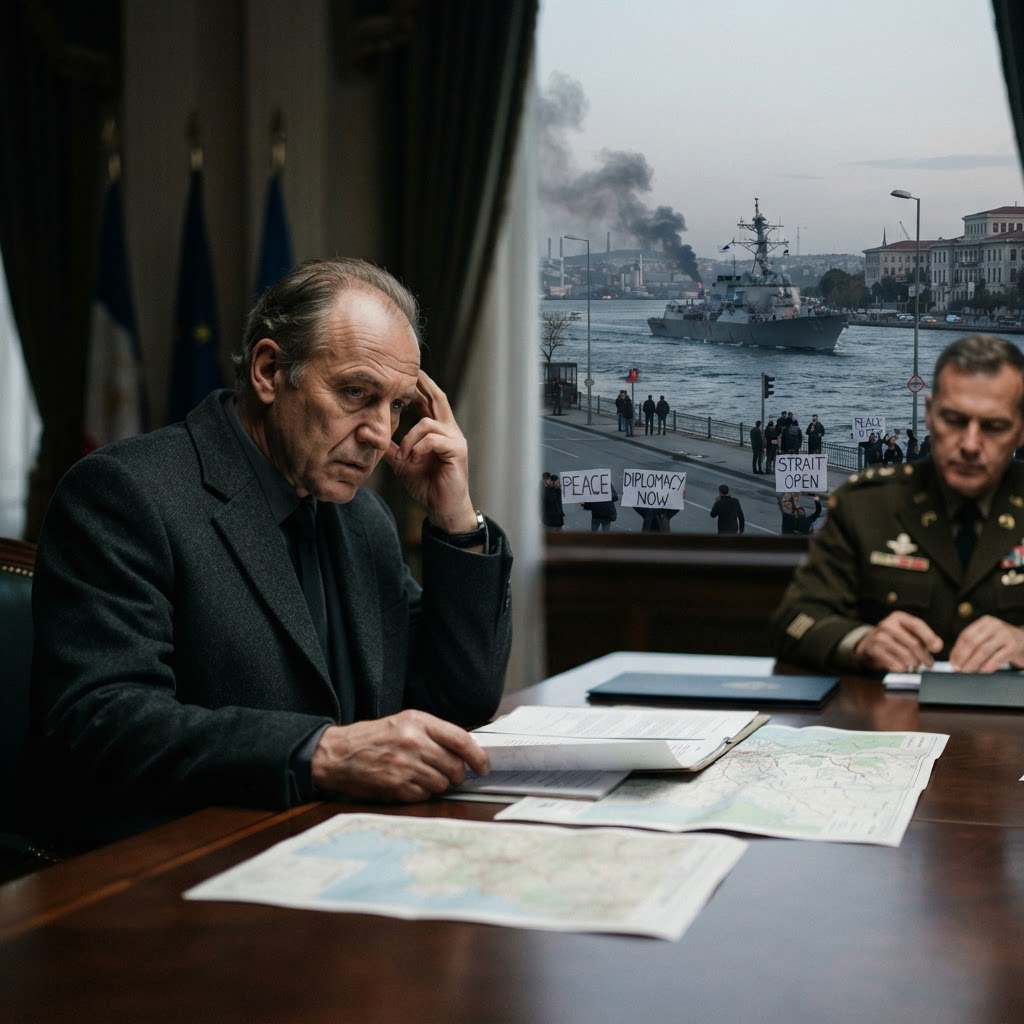
Fragile Fronts and Choked Straits: Global Diplomacy Tested Amid Escalating Regional Crises
Strained shipping routes in the Persian Gulf, mounting friction over climate finance at COP31, and incremental humanitarian breakthroughs in Ukraine highlight a fractured international order navigating concurrent geopolitical shocks.
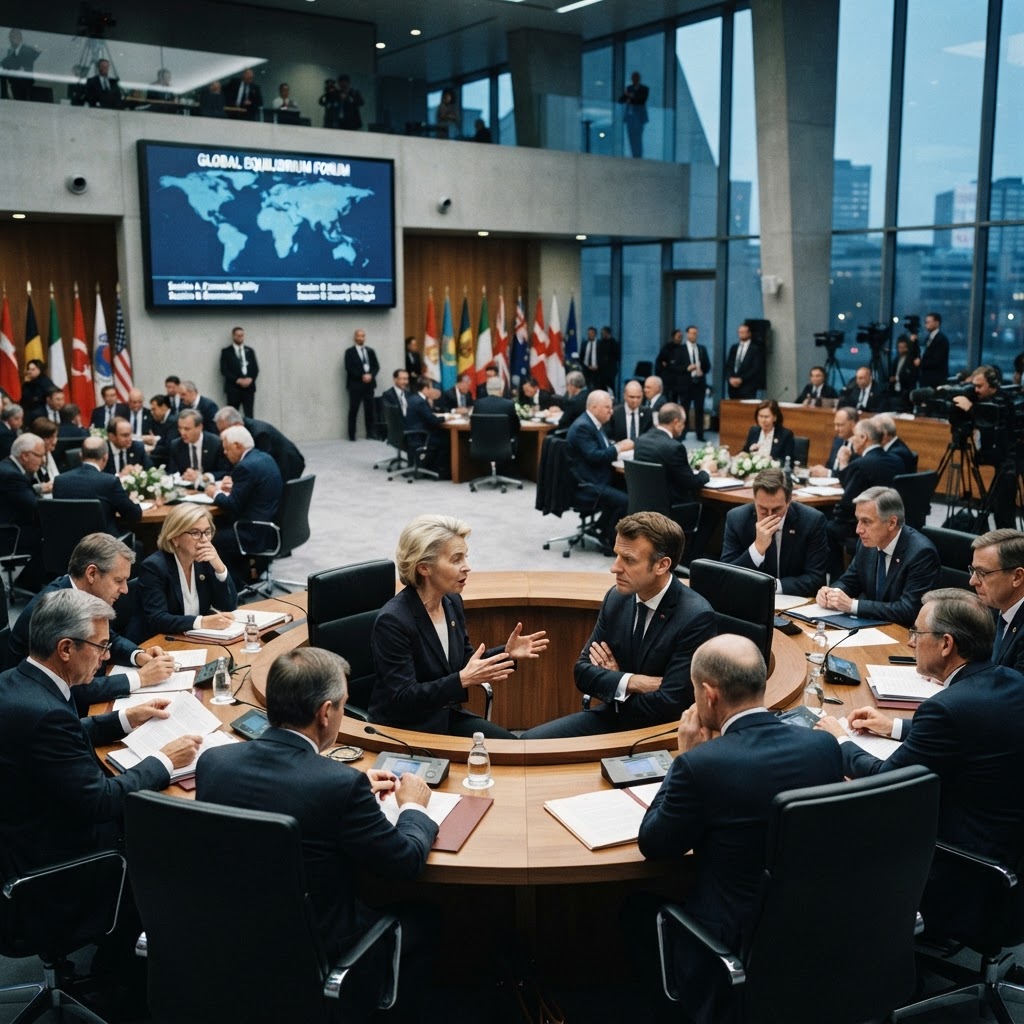
A Multiplying Global Equilibrium: Summits, Standoffs, and the Fragile Search for Stability
High-stakes diplomacy between major powers, escalating maritime tensions in the Middle East, and fraught multilateral negotiations over technology and climate underscore a deeply fragmented global landscape.