A Planetary Crossroad: Global Climate Talks Confront Inevitable Warming Overshoot and Biodiversity Deficits
As negotiators assemble in Antalya for COP31 amid warnings that a temporary breach of the 1.5°C threshold is now unavoidable, new findings reveal deepening pressures on ecosystems, climate financing deficits, and urban vulnerability.
The Reckoning in Antalya
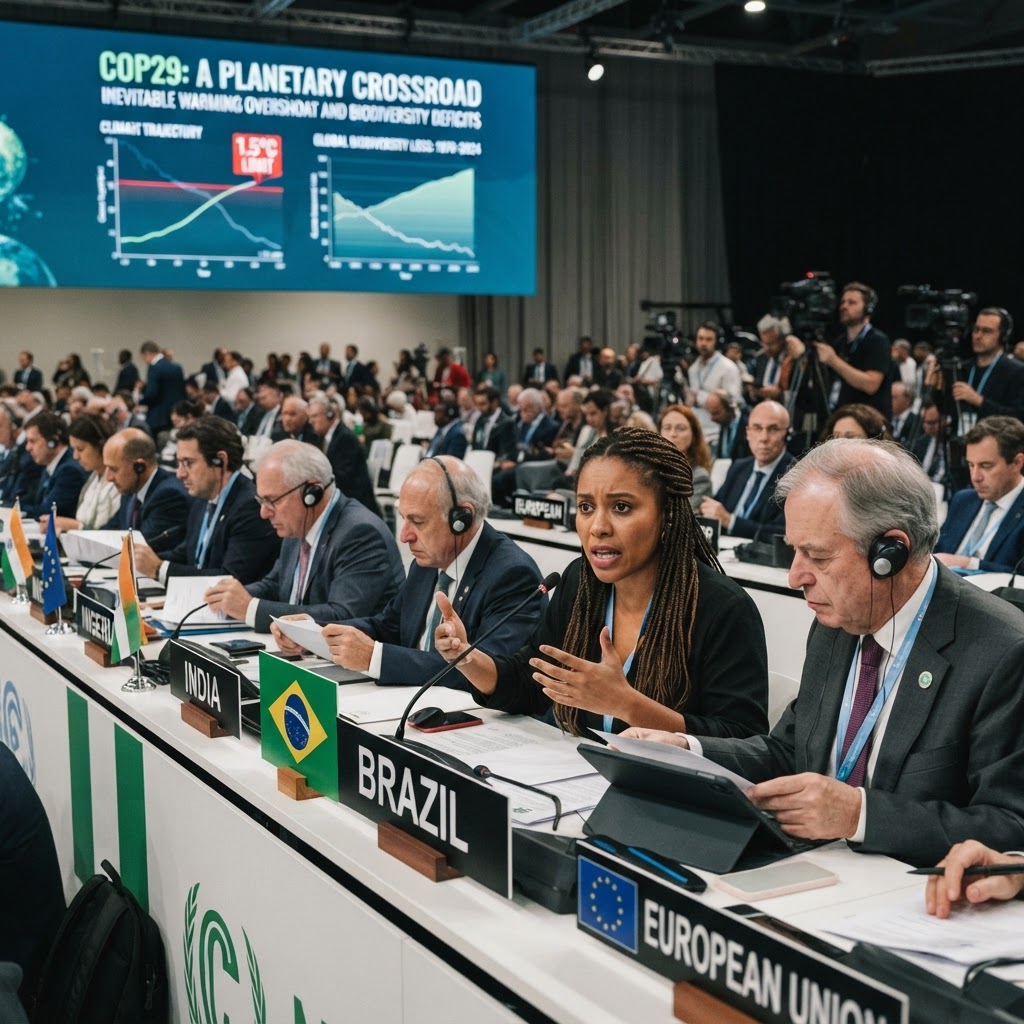
In November 2026, international delegates gathered in Antalya, Türkiye, for the 31st United Nations Climate Change Conference (COP31), marking what many observers consider a critical test of multilateral credibility. Convened against a backdrop of escalating ecological disruptions and heightened geopolitical tensions, the conference opened under the stewardship of Turkish Environment Minister Murat Kurum as COP president and Australian Climate Change Minister Chris Bowen driving key negotiations. The summit comes at a precarious moment: scientific bodies are sounding alarms that the world is running out of diplomatic runway to stave off irreversible global warming impacts.
Discussions at the summit are heavily informed by the sobering conclusions of the United Nations Environment Programme's latest Emissions Gap findings, which acknowledge that a temporary overshoot beyond the Paris Agreement's 1.5°C warming ceiling is now statistically unavoidable. According to UN analysts, global greenhouse gas emissions have hovered stubbornly near historical peaks, reaching an estimated 58.4 billion tonnes of carbon dioxide equivalent. Projections suggest that even the most optimistic low-overshoot scenarios will see temperatures climb to between 1.7°C and 1.8°C above pre-industrial averages before potentially stabilizing by the end of the century. Achieving even that trajectory demands an immediate 18 percent cut in emissions by 2030 and a 45 percent reduction by 2035—goals that stand in stark contrast to existing national commitments, which project a modest decrease of only 5 to 8 percent over the same timeframe.
Fragile Fluctuations and Policy Retreats
While the Global Carbon Project reported a projected minor dip of approximately 0.4 percent in worldwide fossil-fuel emissions in 2026, climate scientists stress that this decline is both inadequate and precarious. Rather than reflecting comprehensive structural decarbonization across major economies, much of the short-term drop has been linked to regional geopolitical conflicts, economic frictions, and energy market disruptions. Though clean energy expansion continues to establish capacity records, the structural decline necessary to reverse atmospheric accumulation has yet to materialize.
Compounding the diplomatic challenge is an increasingly fragmented international policy landscape. Weakened pledges among several major emitters and political reversals in key industrial economies have widened the implementation gap. As domestic mandates experience deregulation in select regions, international observers emphasize that current national pathways track toward global warming of between 2.1°C and 3.2°C by 2100. The divergence between scientific necessity and political delivery remains the central friction point within the negotiation halls, where vulnerable communities—notably low-lying Pacific Island nations—continue to demand enforceable accountability and rapid phase-outs of traditional fossil fuel infrastructure.
The Adaptation Finance Void
Running alongside emissions debates is an intensifying conflict over climate finance and adaptation preparedness. Assessments published in tandem with the UN proceedings underscore that funding for climate resilience in developing nations remains drastically deficient. Recent financial audits reveal that even if international adaptation capital were tripled, more than 70 percent of developing countries' acute resilience requirements would remain unfunded. This financial deficit severely undermines low-income regions' capacity to construct seawalls, upgrade municipal storm systems, manage water resources, or insulate agricultural supply chains from volatile monsoon cycles and aridification.
The human cost of lagging resilience was highlighted by newly published epidemiological data assessing European metropolitan regions. A comprehensive study of over 850 European urban centers estimated that heat-related mortality claimed more than 50,000 lives during the summer of 2026 alone. Researchers attributed roughly two-thirds of those fatalities directly to human-amplified climate change. The figures illustrate that the physical perils of global warming are no longer distant projections or confined exclusively to developing regions; high-income urban centers are actively experiencing structural failures under compounding heat stress.
Parallel Pressures on Earth's Ecological Buffer
The climate negotiations in Antalya follow closely on the heels of the UN Biodiversity Summit in Yerevan, where governments recommitted to the Kunming-Montreal Global Biodiversity Framework, striving to conserve 30 percent of the planet's terrestrial and marine ecosystems by 2030. Yet, like climate adaptation, global conservation efforts face massive funding roadblocks. The target of mobilizing at least $200 billion annually by decade's end—including $30 billion in cross-border ecological funding—remains stalled by disputes between wealthier donor nations and developing countries over distribution mechanisms and oversight.
Simultaneously, regional assessments highlight how industrial development and infrastructure expansion continue to degrade natural carbon sinks. In Europe, monitoring from the European Environment Agency utilizing satellite datasets demonstrated that pervasive "land-take"—the conversion of natural habitats, wetlands, and arable soil into artificial surfaces, roadways, and urban sprawling networks—is systematically eroding ecological resilience. Because natural landscapes mitigate flash flooding, modulate urban heat islands, and sequester atmospheric carbon, the ongoing fragmentation of native ecosystems strips human societies of their most cost-effective defenses against accelerating extreme weather events.
A Fractured Framework Demanding Cohesion
As deliberations continue through the final days of COP31, delegates face an ultimatum defined by physics rather than politics. The scientific consensus leaves little ambiguity: avoiding catastrophic long-term heating requires treating climate adaptation, emission drawdowns, and biodiversity restoration as an indivisible triad. Whether multilateral diplomacy can bridge the widening divide between scientific warnings and tangible financial commitments remains the defining question of the summit, with the stability of natural systems hanging in the balance.
Recommended for you
Similar to “Environment”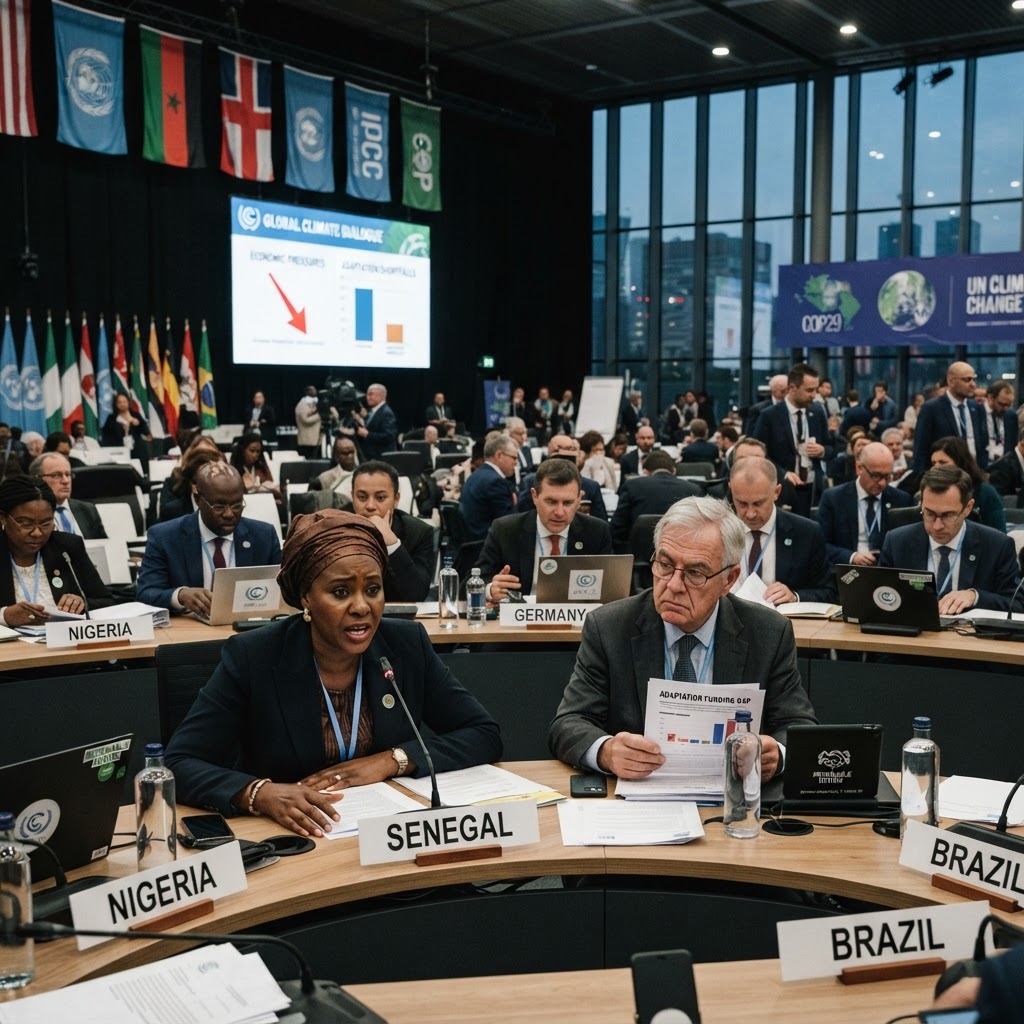
Global Climate Diplomacy Confronts Economic Pressures, Adaptation Shortfalls, and Technological Dilemmas
As negotiators assemble in Antalya for COP31 amidst warnings that global warming will overshoot vital thresholds, international environmental policy faces severe tests ranging from national vehicle policy rollbacks to the ecological burdens of the artificial intelligence boom.
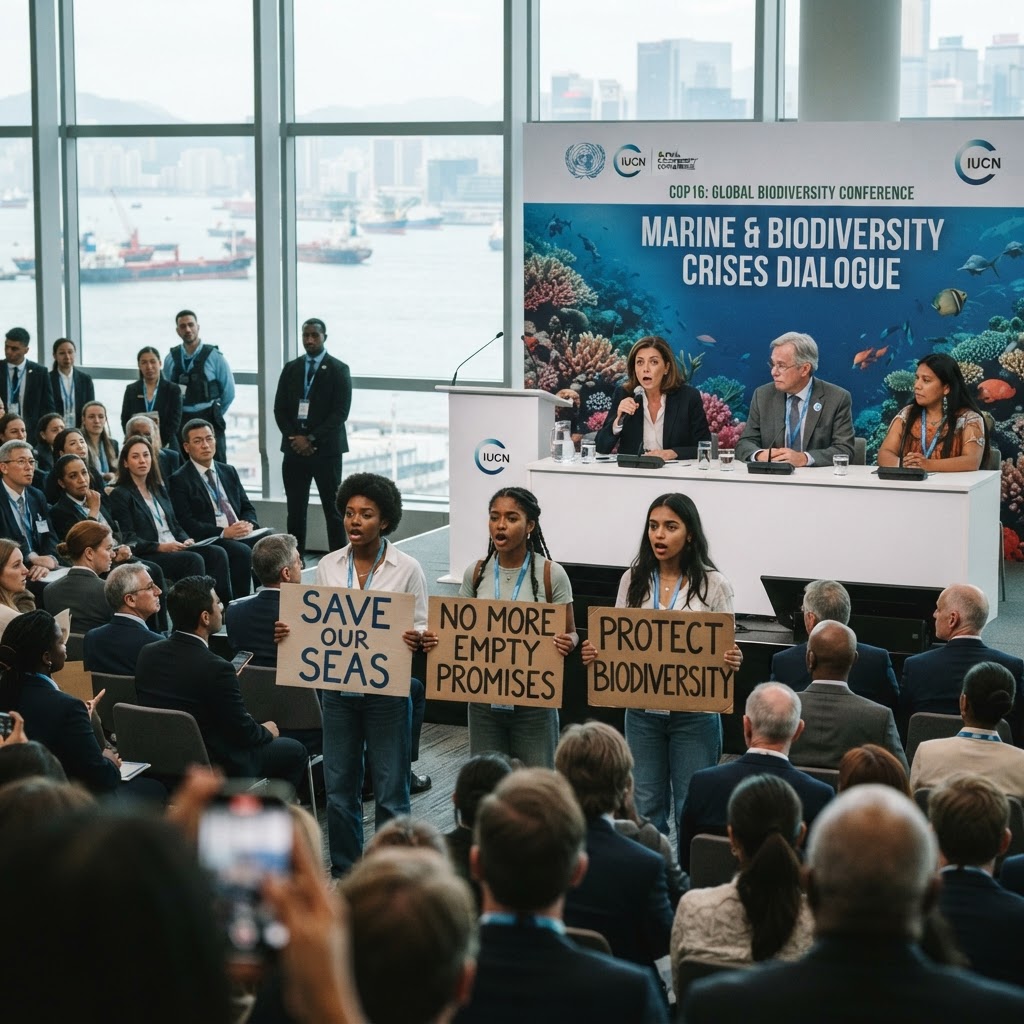
Diplomacy Meets Disruption: Global Summits Confront Deepening Marine and Biodiversity Crises
As negotiators at COP17 in Yerevan advance new frameworks to protect natural habitats, emerging oceanographic findings and lingering financing deficits highlight the escalating scale of planetary disruption.
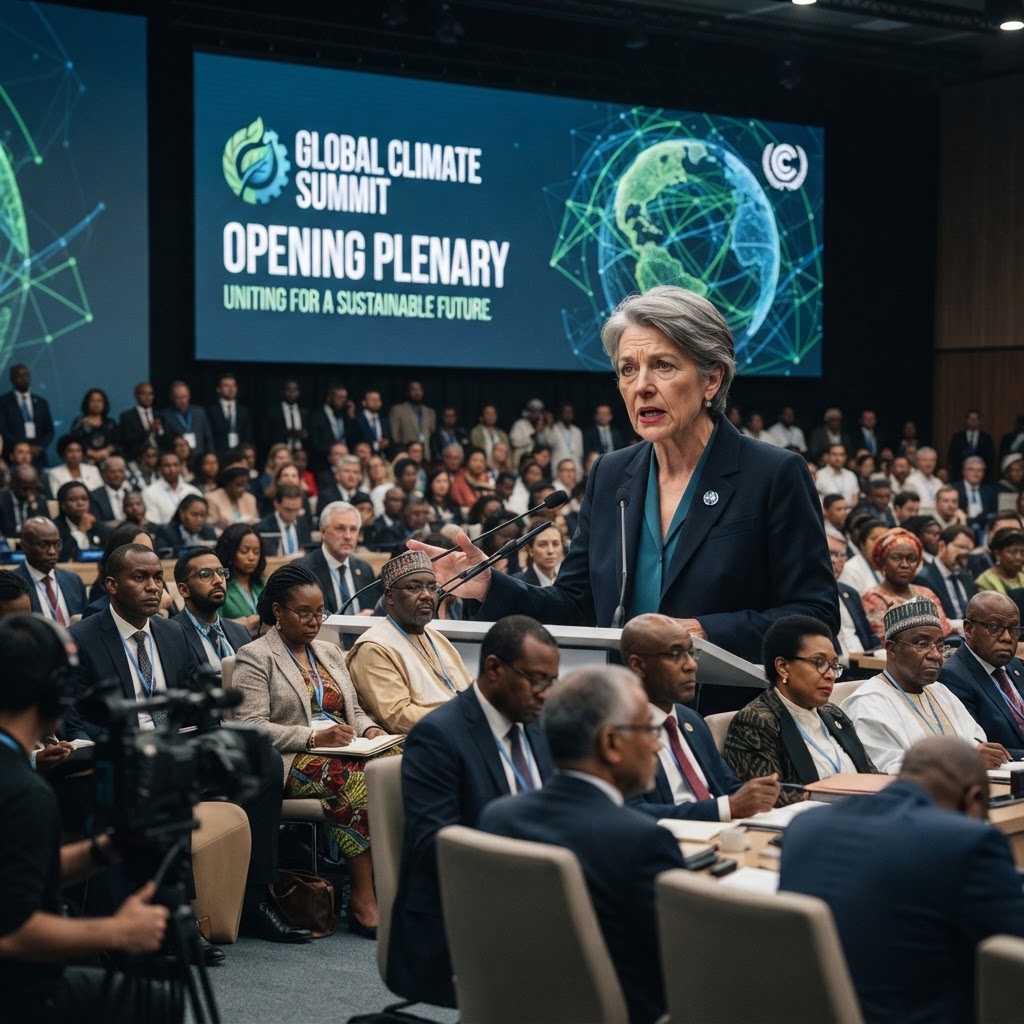
A World Under Compounding Pressures: Global Climate Summit Opens Amid Mounting Ecological and Meteorological Crises
As negotiators assemble at COP31 under warnings from the United Nations regarding sluggish adaptation and fossil fuel expansion, newly released research reveals how climate change is creating dangerous compound feedback loops in global weather systems.