Diplomacy Amid Division: Global Politics Tested by Fragile Talks and Domestic Upheaval
High-stakes diplomacy in Abu Dhabi yields a major prisoner swap between Moscow and Kyiv but leaves core territorial questions unresolved, while legislative battles and coalition fractures reshape political landscapes across Washington, Europe, and Asia.
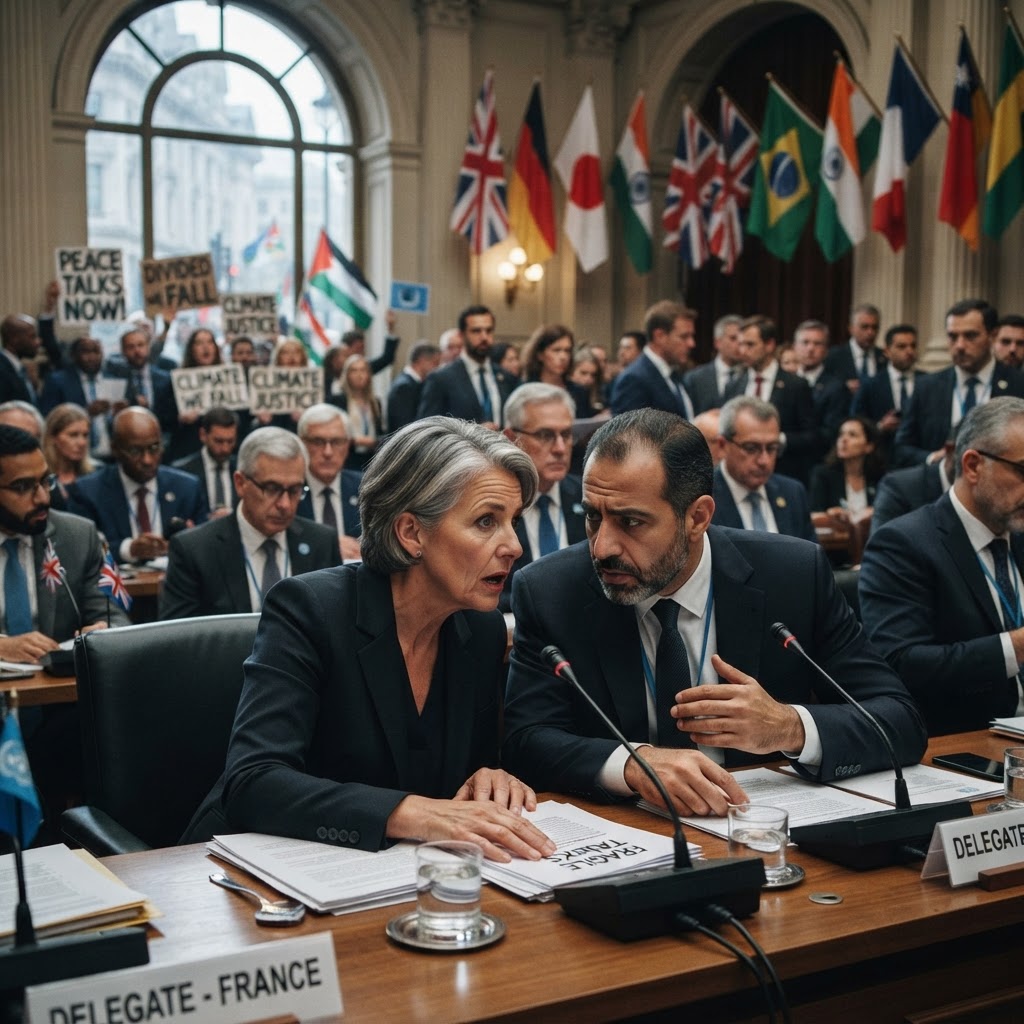
Fragile Diplomatic Openings in the Gulf
In Abu Dhabi, negotiators from Moscow and Kyiv concluded two days of intensive, United States-mediated diplomatic discussions that delivered the largest single prisoner-of-war exchange since hostilities commenced, yet highlighted the stark gulf separating both nations on broader security guarantees. According to reporting from NPR, while the humanitarian release offered a rare constructive breakthrough, American facilitators underscored that an acute deficit of trust continues to stall comprehensive negotiations over long-term armistice terms, border monitoring, and occupied territories.
European capitals have watched the Gulf summits with growing apprehension, wary of being sidelined in security architecture discussions determining the continent's future. European Union leaders, including foreign policy chief Kaja Kallas, pointedly warned that diplomatic posturing in neutral venues must not obscure sustained aerial bombardment on civilian infrastructure, as covered by The Japan Times. Concurrently, debates have intensified across Brussels regarding European representation at future peace tables. Envoys representing Western alliances have pressed to ensure continental powers retain a permanent seat in any systemic European security framework, rather than delegating final determinations entirely to bilateral exchanges between global superpowers.
Capitol Hill Clashes Over Foreign Entanglements
Across the Atlantic, the diplomatic maneuvering abroad has coincided with fierce legislative confrontations in Washington. The United States Congress experienced intense partisan friction over executive authority and defense stewardship. A high-profile push within the House of Representatives to advance impeachment articles against Defense Secretary Pete Hegseth faltered on the legislative floor after party leadership moved to block proceedings, as reported by The Japan Times. The measures had targeted military actions conducted abroad, drawing sharp condemnation from administration figures who defended executive prerogative in global operations.
These confrontations mirror broader national friction regarding American international commitments and economic governance. With domestic voters consistently voicing acute concerns over cost-of-living pressures and prolonged regional conflicts, lawmakers face heightened scrutiny from constituencies demanding tangible domestic relief rather than open-ended foreign defense expenditures. Intra-party negotiations have further signaled internal fissures, with shifting legislative alignments challenging veteran committee leaders and reshaping caucus agendas ahead of upcoming budget and policy deadlocks.
European Fractures and Geopolitical Strain
Within the European Union, external pressures are catalyzing internal political fractures. In Berlin and Bratislava, fiscal policy has emerged as a bitter ideological battleground. German Chancellor Friedrich Merz faced fiery opposition from Slovak Prime Minister Robert Fico over initiatives linking broader EU budget mechanisms directly to joint defense and reconstruction loans for Ukraine, a dispute chronicled by POLITICO. Critics branded the linkage coercive, while proponents insisted that fiscal integration and regional collective security can no longer be compartmentalized.
Hybrid security threats have further compounded the sense of vulnerability across Western Europe. French investigators recently implicated foreign state-backed actors in disruptive cyber operations targeting commercial retail infrastructure, an episode that prompted immediate diplomatic summonses and drew sharp condemnation from transatlantic partners. The compounding friction between energy stability, technological vulnerability, and defense expenditures has emboldened nationalist and populist factions across several member states, complicating upcoming multilateral climate and trade negotiations.
Shifting Alliances Across Asia-Pacific and the Middle East
The tremor of political volatility has not been confined to Western institutions. In Southeast Asia, regional markets and regional partners were unsettled by sudden instability in Jakarta, where the resignation of Indonesia’s vice president exposed deep-seated fractures within the governing coalition of President Prabowo Subianto, as detailed in reports by The Japan Times. The departure of key allies has triggered legislative inquiries and cast uncertainty over planned institutional and economic reforms in Southeast Asia's largest democracy.
Simultaneously, the parliamentary landscape in Jerusalem has entered an uncertain phase following recent balloting, where opposition figures led by Gadi Eisenkot moved swiftly to challenge the long-standing political establishment of Benjamin Netanyahu. While negotiations over viable coalition thresholds remain fluid, efforts by centrist and cross-spectrum factions to recalibrate national priorities highlight an overarching global trend: governments across regions are struggling to sustain fragile domestic governing alliances while navigating complex regional flashpoints.
The Trajectory of Global Governance
As winter approaches, international statecraft finds itself suspended between procedural diplomacy and persistent geopolitical deadlock. The incremental progress demonstrated by prisoner repatriations in the Middle East provides concrete evidence that transactional negotiations remain viable even between bitter adversaries. Yet, without structural solutions to sovereign disputes, fiscal sustainability, and electoral polarization, the prevailing political order remains fragile, vulnerable to sudden reversals from both external clashes and domestic political realignments.
Recommended for you
Similar to “Global Politics”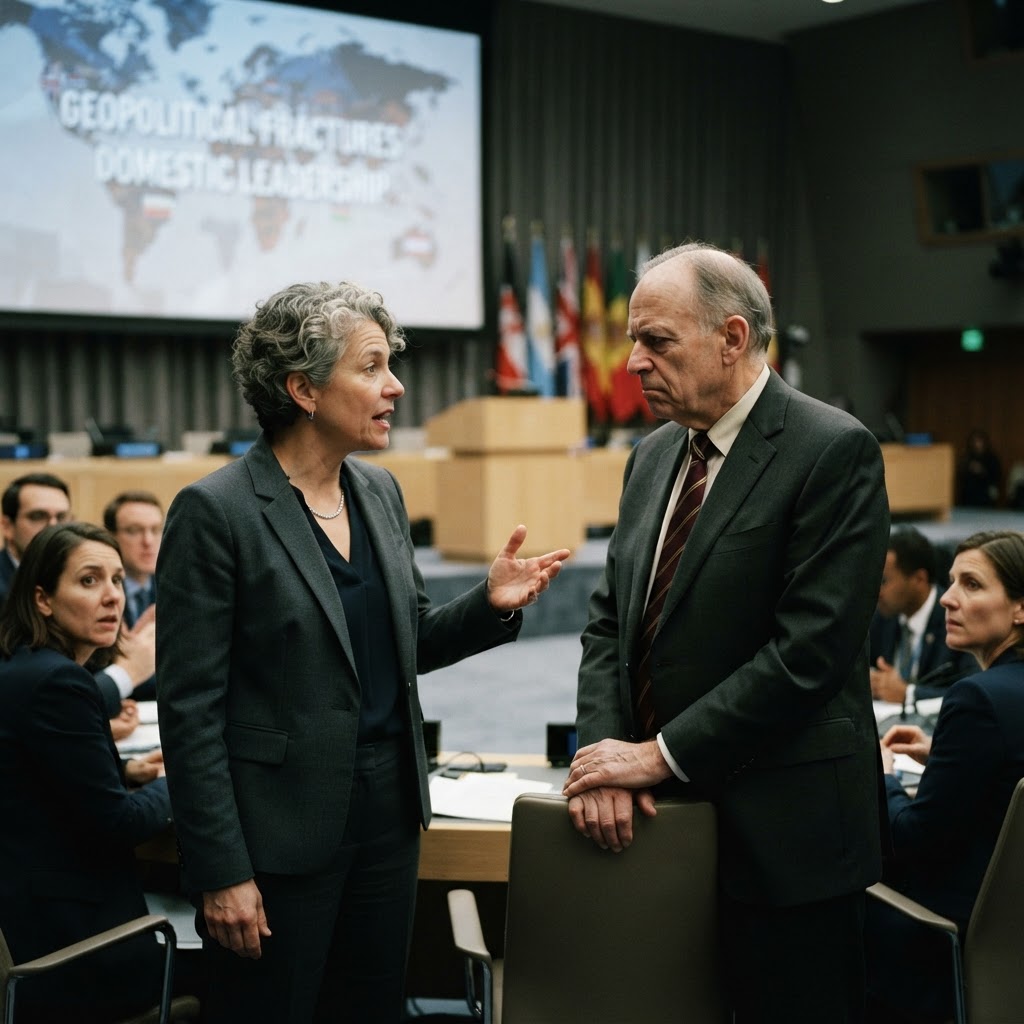
Global Politics in Flux: Domestic Leadership Clashes and Geopolitical Fractures Reshape the World Stage
From high-stakes legislative shakeups in Washington to deepening security debates in Europe and political crises in Southeast Asia, recent days have intensified global political realignments.
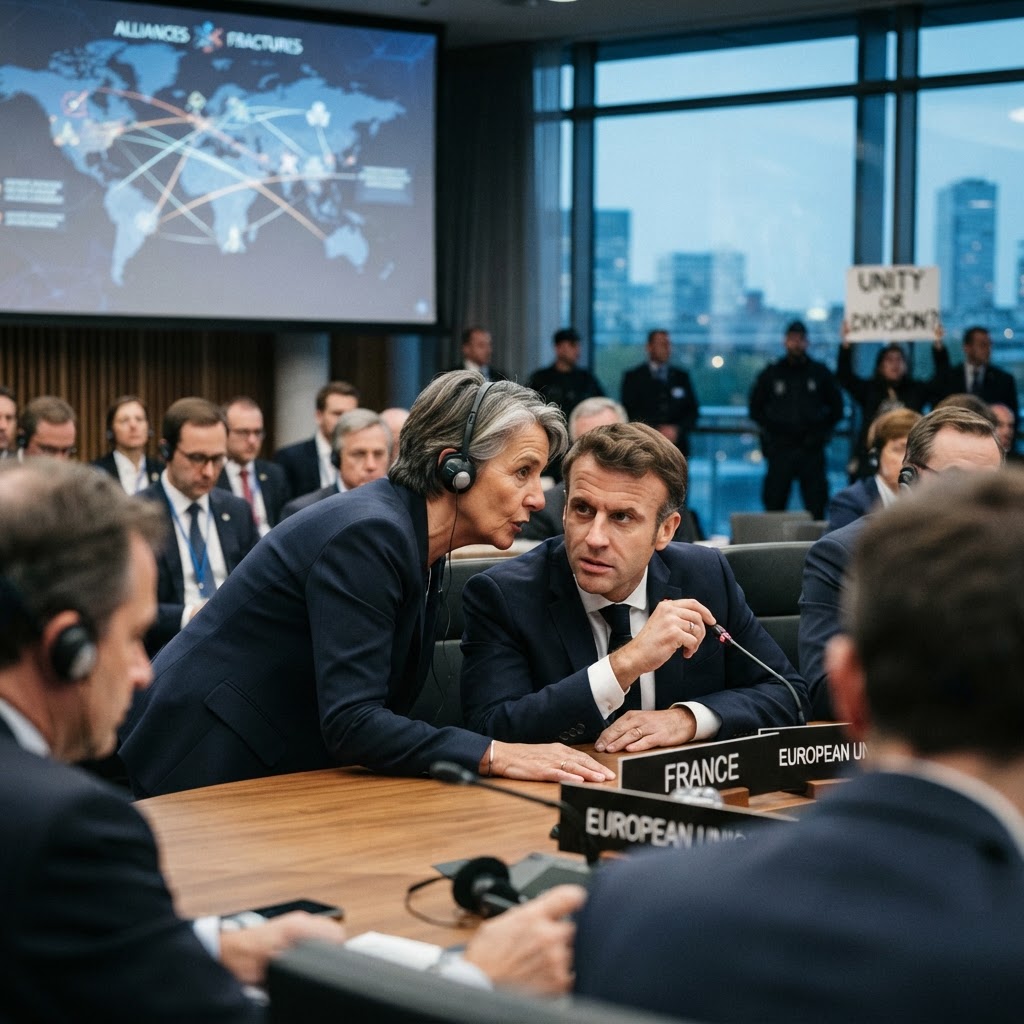
Diplomatic Alignments and Domestic Fractures Reshape the Global Arena
High-stakes diplomacy and major domestic political shifts are colliding worldwide, highlighted by planning for a trilateral great-power summit, evolving peace proposals in Eastern Europe, and significant internal friction within Southeast Asian and Western governments.
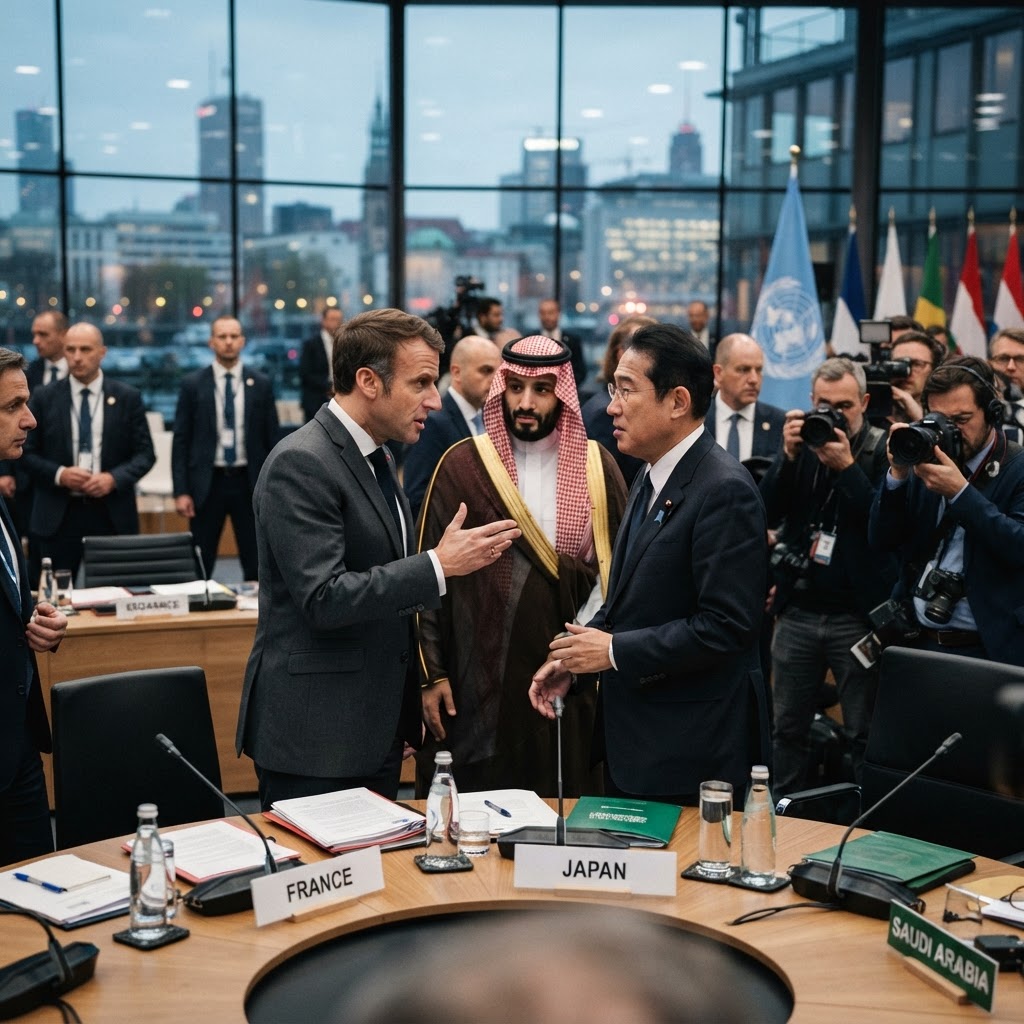
Diplomatic Realignments and Security Fractures: Global Politics Navigates High-Stakes Summits and Geopolitical Friction
As international leaders reconvene for vital summits amid shifting security alliances and economic strain, high-stakes diplomacy tests transatlantic ties and domestic political stability across major capitals.