Global Health at a Crossroads: Breakthrough Trials, Emerging Drug Warnings, and the Quest for Institutional Trust
Recent days have marked pivotal milestones across public health, including groundbreaking clinical trials against rare viral strains, newly enforced safety regulations on blockbuster metabolic drugs, and international campaigns addressing systemic inequities.
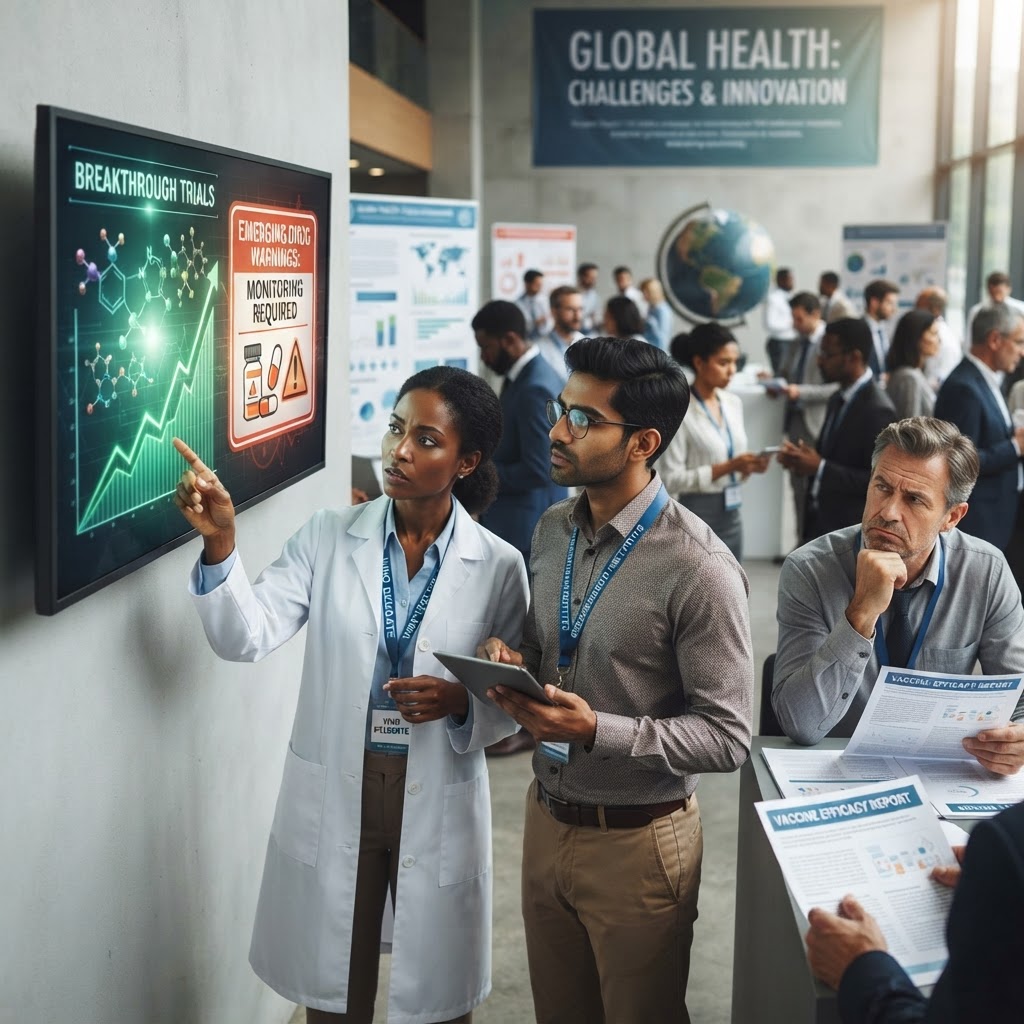
A Watershed Moment in Filovirus Research
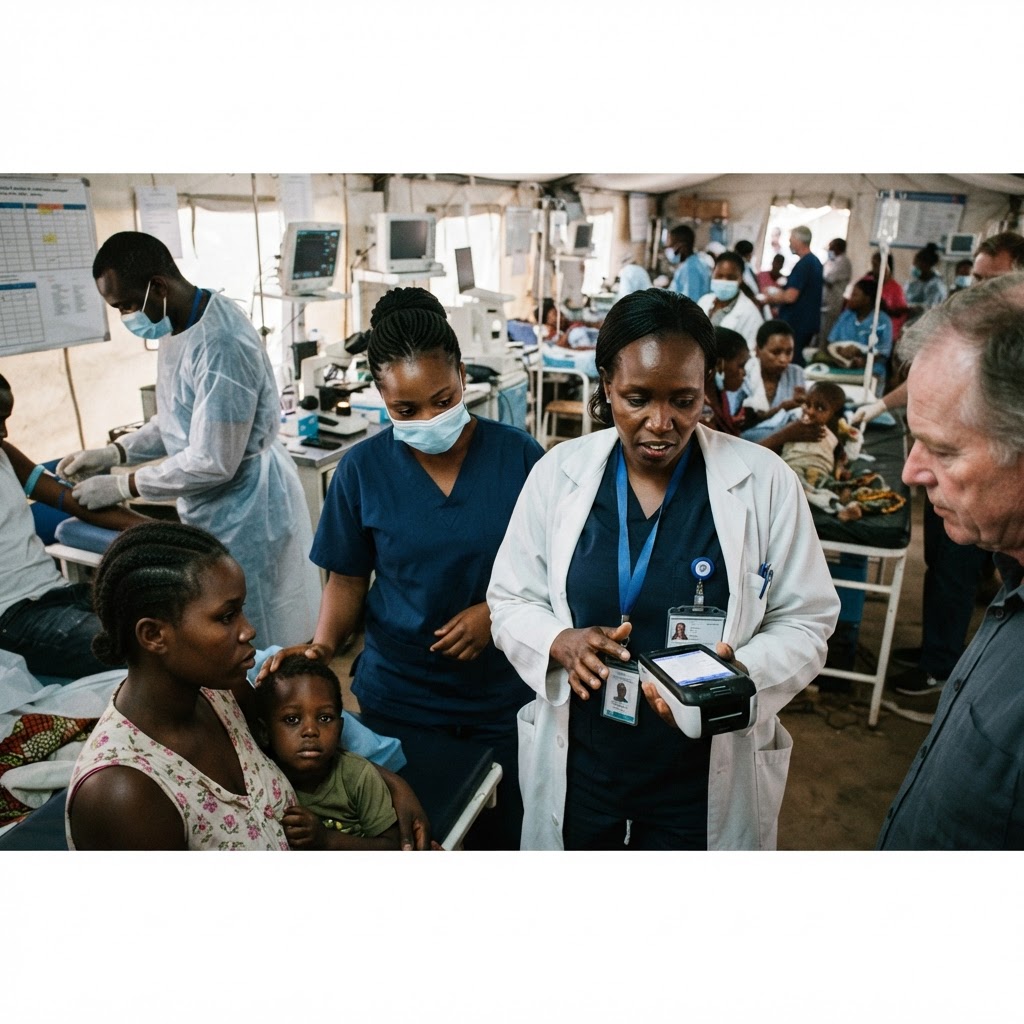
In the field of infectious disease control, public health agencies and humanitarian bodies have crossed a major scientific threshold in Equatorial Africa. Médecins Sans Frontières (MSF) and Epicentre, in close collaboration with the World Health Organization, initiated human clinical trials evaluating candidate vaccines against the Bundibugyo Ebola virus in the Democratic Republic of the Congo. While effective vaccines exist for the Zaire strain of Ebola, the Bundibugyo species has historically lacked approved preventative therapies, leaving vulnerable communities exposed during sudden outbreaks. The first participant vaccinations, accompanied by the introduction of additional candidate biologics into concurrent clinical protocols, reflect an aggressive shift toward proactive outbreak preparedness rather than reactive crisis containment.
Regulatory Reassessments and Pharmacovigilance
Parallel to breakthroughs in viral countermeasures, pharmacovigilance authorities in major global jurisdictions are recalibrating guidelines around widely prescribed therapeutics. In the United States, drug regulators have moved to mandate formal warning labels on popular GLP-1 receptor agonists used for type 2 diabetes management and clinical weight loss. The directives follow epidemiological investigations highlighting rare instances of non-arteritic anterior ischemic optic neuropathy (NAION), a form of localized optic nerve stroke capable of causing sudden vision impairment. The new warnings emphasize that despite the transformative metabolic benefits offered by these drugs, systematic oversight and heightened post-marketing surveillance remain imperative as uptake continues to surge across diverse patient demographics.
Environmental Hazards and Chronic Illness Pathways
Beyond clinical interventions, recent research spotlighted by international health institutes has brought renewed urgency to the nexus between environmental contaminants and long-term disease etiology. A comprehensive cohort investigation revealed statistically significant links between elevated circulating levels of per- and polyfluoroalkyl substances (PFAS)—frequently referred to as 'forever chemicals'—and an increased incidence of aggressive, estrogen receptor-negative breast malignancies. The findings reinforce growing epidemiological consensus that daily low-dose exposure to persistent industrial compounds contributes materially to tumor microenvironments and hormonal dysregulation, strengthening calls among public health advocates for accelerated chemical regulation and targeted biomonitoring.
Rebuilding Public Trust and Bridging Technological Gaps
Scientific advancement, however, relies heavily on community acceptance and equitable delivery infrastructure to achieve tangible outcomes. Acknowledging growing friction between clinical evidence and public sentiment, the World Health Organization recently unveiled its international 'Together for Science and Health' campaign. This initiative aims to address widespread health misinformation, demystify clinical research, and promote transparent communication between health authorities and the populations they serve.
Simultaneously, discussions during Global Health Equity Week brought health informatics, artificial intelligence, and telemedicine to the forefront of the equity agenda. Analysts and practitioners highlighted the risk that advanced digital health platforms, while capable of modernizing diagnostics and streamlining workflows, may inadvertently exacerbate health disparities if rural, marginalized, and Indigenous communities lack sovereign data governance or foundational digital connectivity. As public health institutions navigate overlapping biological threats, regulatory vigilance, and environmental hazards, the broader imperative remains clear: cutting-edge medicine must be paired with equitable access and durable institutional trust.
Recommended for you
Similar to “Global Health”
Frontiers of Modern Medicine: Emerging Therapies, Regulatory Milestones, and Shifting Global Priorities
Recent advances across biotechnology, drug safety investigations, and public health infrastructure are reshaping both clinical practice and global healthcare delivery.
Global Health at a Crossroads: Tackling Chronic Crises, Emerging Pathogens, and Diagnostic Shifts
Recent major announcements across international public health spotlight urgent new clinical guidelines for diabetes and oncology alongside critical discoveries in pathogen transmission and neurodegenerative disease.

Frontiers and Friction: Navigating a Global Wave of Biomedical Innovation, Safety Warnings, and Chronic Illness
From breakthrough therapies and AI-driven clinical tools to heightened regulatory vigilance over blockbuster drugs and rising noncommunicable diseases, global healthcare faces a defining tension between rapid innovation and foundational public health needs.