Echoes of a Realignment: How Midterm Shakeups and Global Exhaustion Are Reshaping Political Commentary
In the wake of decisive electoral rejections and shifting foreign policy calculations, opinion columnists worldwide are wrestling with institutional decline, domestic economic fatigue, and the limits of executive power.
The Anatomy of an Electoral Rebuke
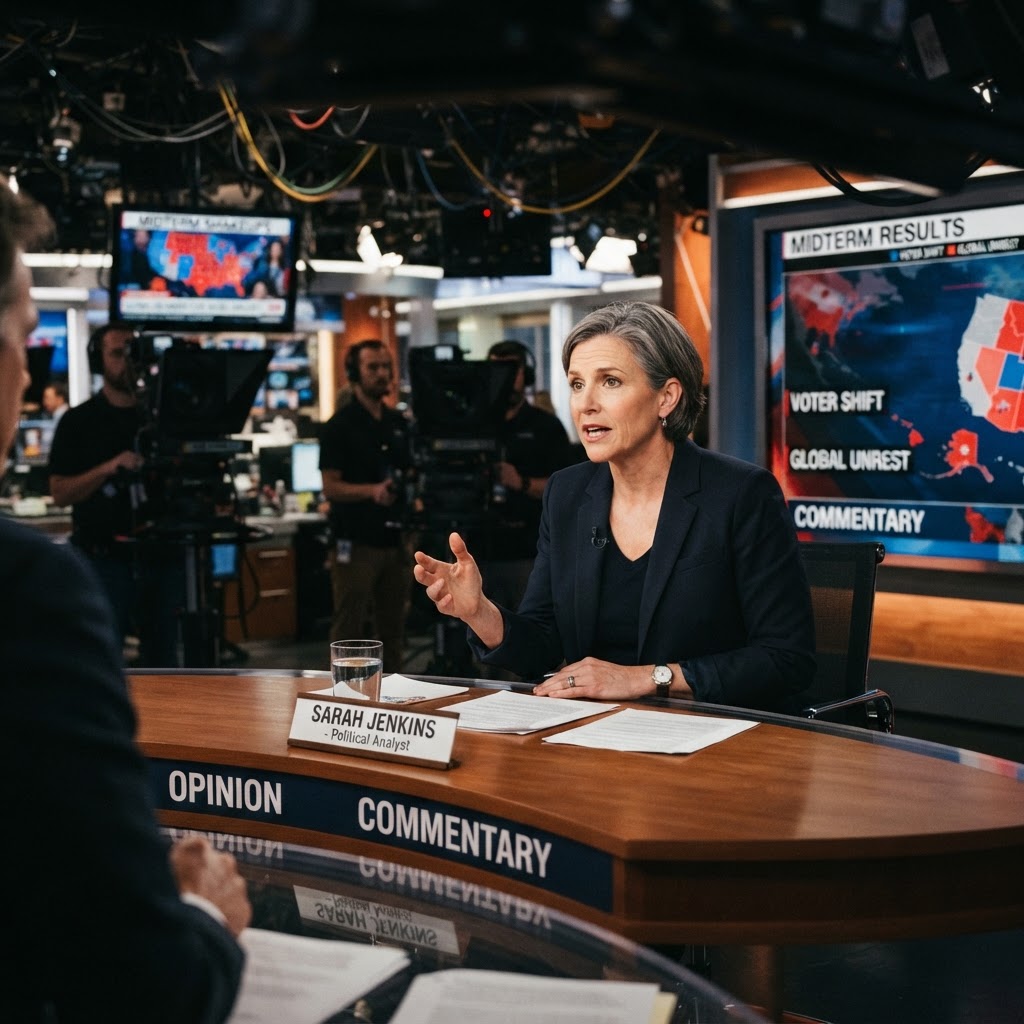
In global editorial pages and political analysis columns over the past week, a singular motif has emerged: the fragility of established power when confronting an exhausted electorate. Analysts across the ideological spectrum have spent recent days dissecting sweeping changes in public sentiment, most visibly highlighted by the November midterm cycle in the United States and concurrent voter realignments abroad. What commentary has underscored above all is not merely party competition, but a widespread institutional pushback against ruling mandates that failed to address foundational domestic stress points.
Commentators writing for platforms like Rasmussen Reports note that presidential coalition losses have crossed the threshold from routine midterm corrections into potential systemic realignments. Rather than attributing shifts purely to political messaging or cultural polarization, columnists consistently emphasize pocketbook friction. As opinion editors observe, voter calculations were dictated less by geopolitical grandstanding and more by persistent cost-of-living crises, housing pressures, and compounding inflation. When everyday essentials become unaffordable, voters routinely penalize whoever sits in the executive branch, delivering comprehensive blows across legislative branches.
Global Repercussions and Diplomatic Calculations
The reverberations of domestic political shakeups extend far beyond national borders. As noted in international roundtables from Project Syndicate and regional commentaries published in Caribbean News Global, allies and adversaries alike are recalibrating their expectations for foreign policy continuity. When a sitting administration faces a divided or opposition-held legislature, its capacity to unilaterally sustain long-term international aid commitments, trade posture, or military deterrence is cast into immediate doubt.
This dynamic is especially acute across the Middle East. Editorial pages such as Arab News and regional viewpoints in the Gulf Times have drawn direct parallels between legislative shifts in Washington and the political precarity of regional leaders like Benjamin Netanyahu. With governing coalitions narrowing and voter patience fraying over prolonged conflict and humanitarian crises, commentators argue that unilateral hardline approaches are running up against hard limits. The emerging consensus across international columns suggests that escalating cross-border tensions without sustainable exit strategies has become politically untenable at home, forcing sudden, awkward pivots toward negotiations and ceasefire diplomacy.
The Dilemma of the Victors
Yet, if commentary has been unsparing toward incumbent administrations, it has been equally skeptical of incoming majorities. Across intellectual journals and independent commentary desks, writers warn that electoral victories born of protest rarely translate into coherent governing mandates. Writing for Project Syndicate, cultural theorists and political analysts caution against assuming that defeating an unpopular administration automatically cures underlying structural decay.
A newly empowered opposition frequently inherits the exact institutional gridlock it campaigned against. As observed by columnists in outlets like Al Jazeera, legislative majorities often find themselves constrained by internal ideological divides, resistant executive branches, and the procedural inertia of modern governance. When an electorate votes out of dissatisfaction rather than positive endorsement of a specific policy platform, the victors operate on borrowed time. Failure to deliver tangible relief on wages, healthcare access, and energy costs threatens to turn voter anger against them in subsequent electoral cycles.
The Institutional Trust Deficit
Underpinning all of these electoral and diplomatic debates is a broader, more existential crisis documented in public thought: the erosion of trust in foundational institutions. Thinkers writing for theoretical forums such as Global Panorama highlight how traditional checks and balances are straining under the weight of hyper-partisanship and concentrated executive agency. When the mechanics of governance are perceived as self-serving or punitive, the public increasingly detaches from conventional democratic norms.
This cynicism is not confined to ballot boxes. Public opinion data from institutions like Ipsos and cultural commentaries from Telangana Today suggest that public skepticism now encompasses everything from rapid technological disruptions like autonomous transport and artificial intelligence to state-level environmental resource planning. Citizens are increasingly demanding that authority figures demonstrate tangible stewardship rather than abstract promises, whether managing local water sustainability around energy-hungry data infrastructure or preventing recurring climate emergencies.
A World in Search of Equilibrium
The collective trajectory of contemporary opinion writing reflects a world undergoing a turbulent transition. The era of unchecked political mandates and unquestioned diplomatic leverage appears to be closing, replaced by fragmented coalitions, hyper-vigilant electorates, and persistent economic anxiety. Whether in the halls of Congress, the ministries of the Levant, or regional forums across the Global South, leaders are being forced to recognize that governance cannot survive solely on ideological fervor. As columnists continue to remind readers, political resilience ultimately depends on delivering stability, securing social contracts, and respecting the basic material needs of the governed.
Recommended for you
Similar to “Global Politics”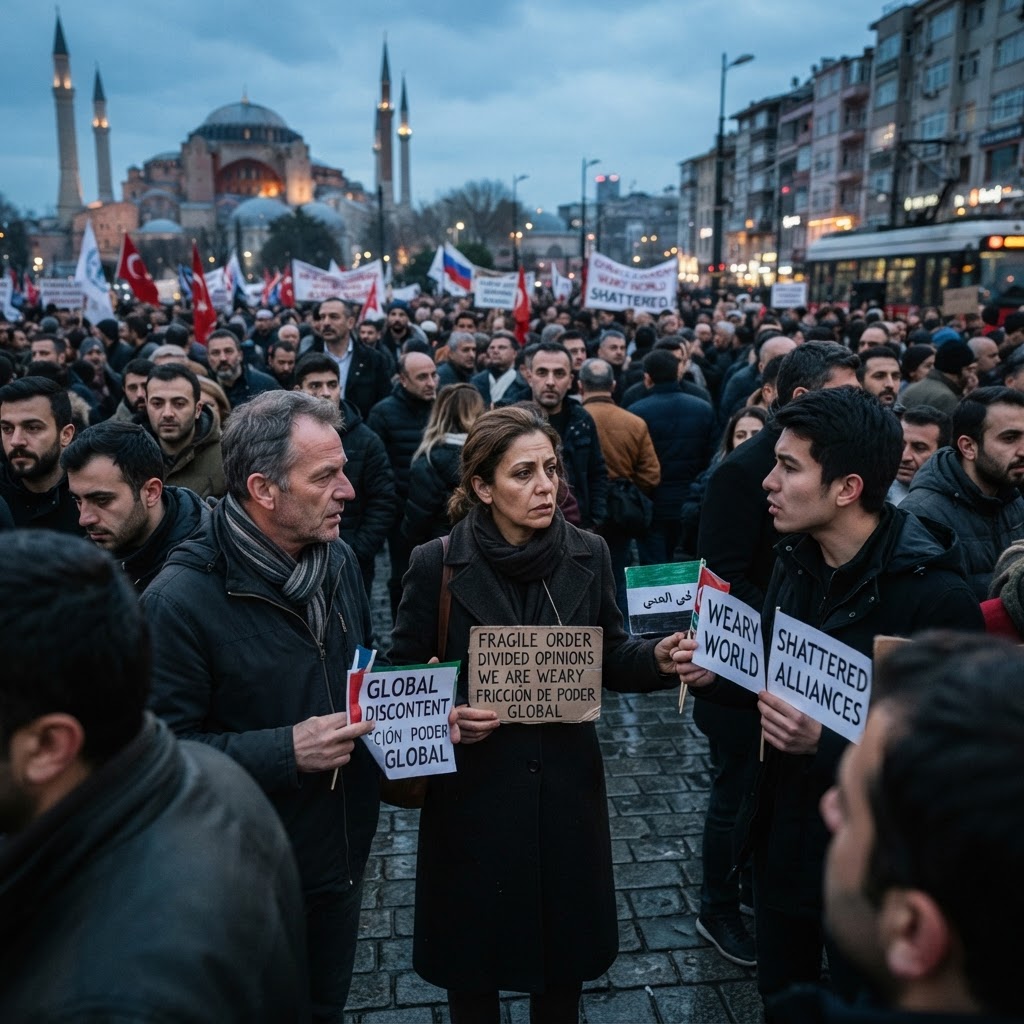
The Friction of Fragmented Power: How Global Opinion Reflects a Weary Order
Across political commentary and strategic analyses worldwide, columnists and policy observers are converging on a shared theme: the breakdown of institutional coherence under the weight of geopolitical rivalries and civic disaffection.

A World in Flux: How Geopolitics, AI Disruptions, and Climate Realism Are Reshaping Global Opinion
Recent commentary across major international publications reveals a shared reckoning over shifting electoral dynamics, the unvarnished realities of the global climate crisis, and the unchecked footprint of modern technology.
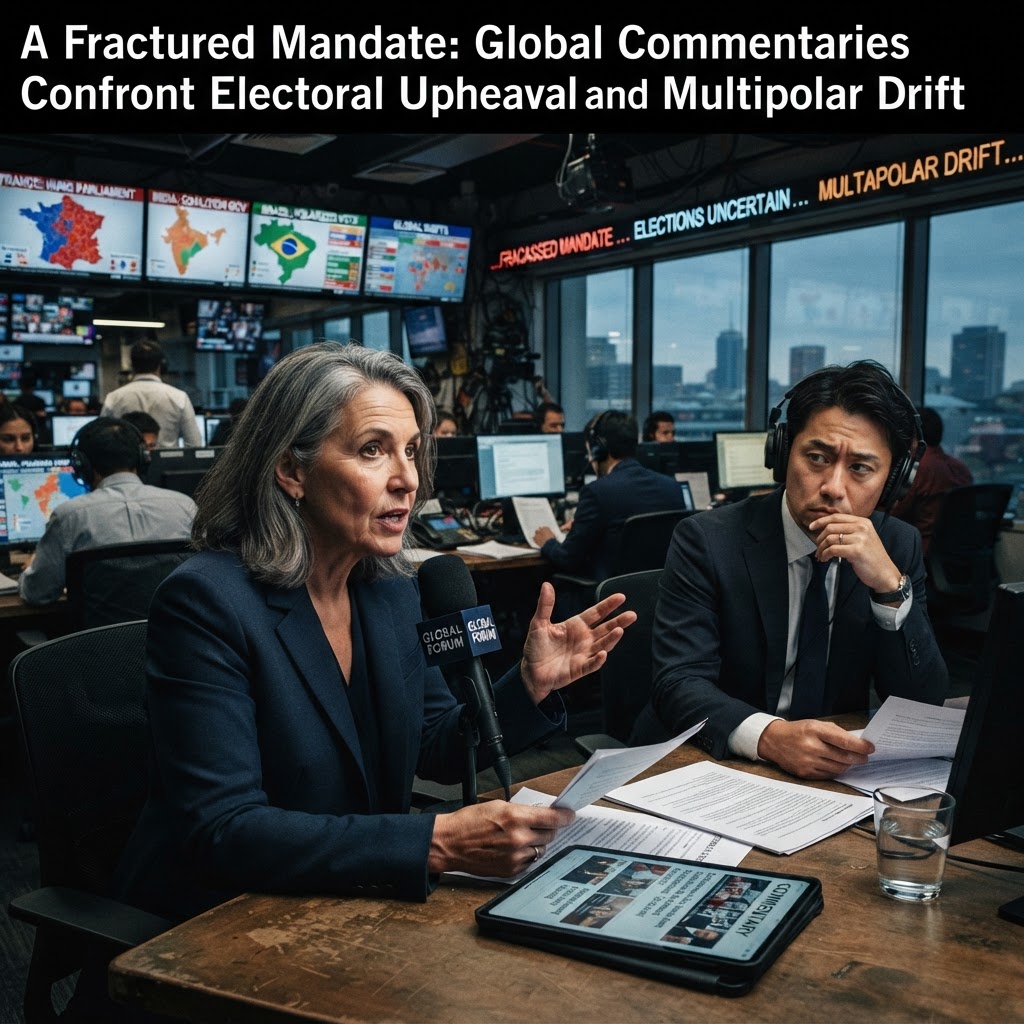
A Fractured Mandate: Global Commentaries Confront Electoral Upheaval and Multipolar Drift
Recent opinion columns and editorial boards worldwide reflect a shifting geopolitical and domestic landscape, as commentators digest consequential legislative midterms and grapple with the decline of multilateral rules.