Culture at the Crossroads: How Heritage Repatriation, International Diplomacy, and Creative Industries Are Reshaping the Global Landscape
From high-stakes diplomatic restitutions in Southeastern Europe to UNESCO's newly framed sustainable development mandates and the rise of slow-heritage tourism, cultural identity is taking center stage in international affairs.
A New Frontier for Cultural Sovereignty and Memory
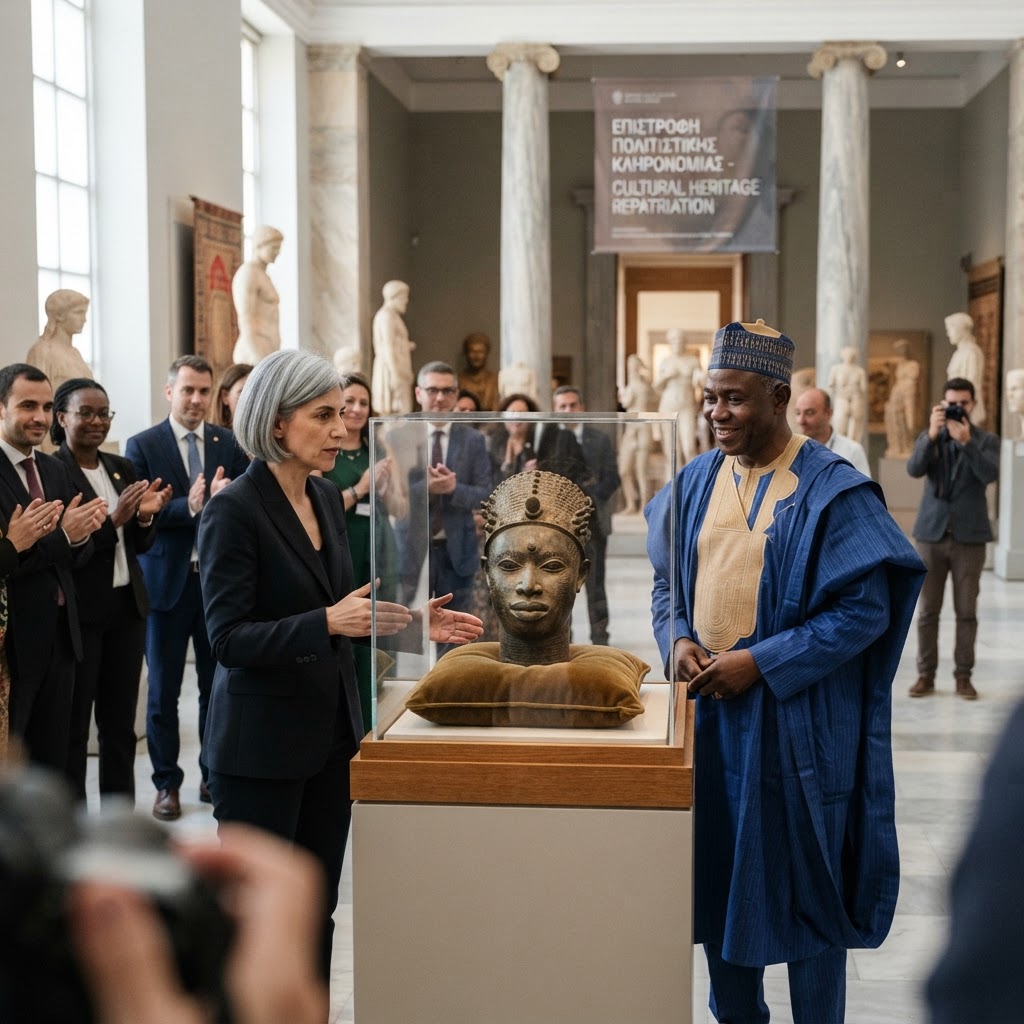
In recent days, the intersection of history, geopolitics, and national heritage has moved to the forefront of international discourse. Cultural identity is no longer treated merely as aesthetic preservation or localized folklore; instead, it has emerged as a cornerstone of state sovereignty, diplomatic negotiation, and global identity. A vivid illustration of this shifting dynamic occurred in Southeastern Europe, where the formal restitution and memorialization of Bulgarian Czar Samuel's remains reignited deep debates on historical legacy and regional reconciliation, as reported by Al Jazeera. Centuries-old historical figures often function as emotional touchstones for modern societies, demonstrating how archaeological and ancestral repatriation remains both an opportunity for cultural healing and a catalyst for diplomatic friction.
Parallel to regional restitution debates, the institutional mechanisms guiding global heritage are experiencing a marked elevation. The United Nations and international bodies have begun positioning creative and cultural sectors not as secondary byproducts of economic life, but as fundamental engines of modern development. According to UNESCO, preparations for the upcoming International Decade of Culture for Sustainable Development signal a broad consensus that cultural participation, living traditions, and the creative economy contribute directly to societal resilience and social cohesion. Cultural and creative industries now represent a significant share of global employment and economic innovation, providing an adaptive framework through which communities address rapid modernization and environmental challenges.
The Shifting Geography of the Creative Economy
Beyond statecraft and international policy, localized arts ecosystems are facing a parallel transformation. Across urban centers, creative quarters that once weathered recurring cycles of urban expansion and economic turbulence are renegotiating their identity. Long-term studies of municipal artistic landscapes, such as analyses of Denver’s half-century evolution in Westword, underscore a recurring pattern: independent creative hubs thrive on collaborative networks, yet constantly struggle against commercialization, rising infrastructure costs, and shifting public funding models. When municipal planners integrate grassroots creative communities directly into long-term civic planning, cities retain their cultural vitality; when neglected, those ecosystems risk artistic homogenization.
This rebalancing between community authenticity and commercial sustainability is also transforming international tourism. As highlighted by Business Traveller, the era of rapid, surface-level sightseeing is increasingly giving way to experiential 'slow travel' rooted in deep cultural immersion. Travelers are increasingly prioritizing regional heritage trails, community-led cultural initiatives, and institutional collaborations over generic leisure destinations. High-profile museums, historic renovations, and heritage preservation programs across the Middle East, Europe, and the Americas are demonstrating that cultural authenticity serves as a powerful economic differentiator, driving sustained engagement and fostering inter-communal dialogue.
Artistic Expression in an Era of Scrutiny
Simultaneously, the global community of creators finds itself navigating an increasingly polarized public square. Around the world, prominent filmmakers, dramatists, and authors face growing scrutiny from administrative and political apparatuses, with independent storytellers subjected to legal designations and restrictions designed to curtail dissent. The recent labeling of acclaimed auteurs such as Andrey Zvyagintsev as foreign agents highlights the persistent precarity facing international cinema and creative criticism. At major gatherings such as the Lumière Festival in Lyon, highlighted by Euronews, creators continue to celebrate the power of storytelling while confronting the commercial and ideological pressures exerted on artistic autonomy.
Ultimately, these intersecting currents demonstrate that contemporary culture is far from static. Whether manifested through the return of ancestral relics, the diplomatic elevation of heritage on the world stage, or the persistent struggle of artists to protect free expression, cultural identity remains one of humanity's most active and contested arenas. As the creative economy continues to weave itself into broader frameworks of economic and civic life, safeguarding cultural diversity and historical memory will prove crucial for global understanding in the decade ahead.
Recommended for you
Similar to “Culture & Heritage”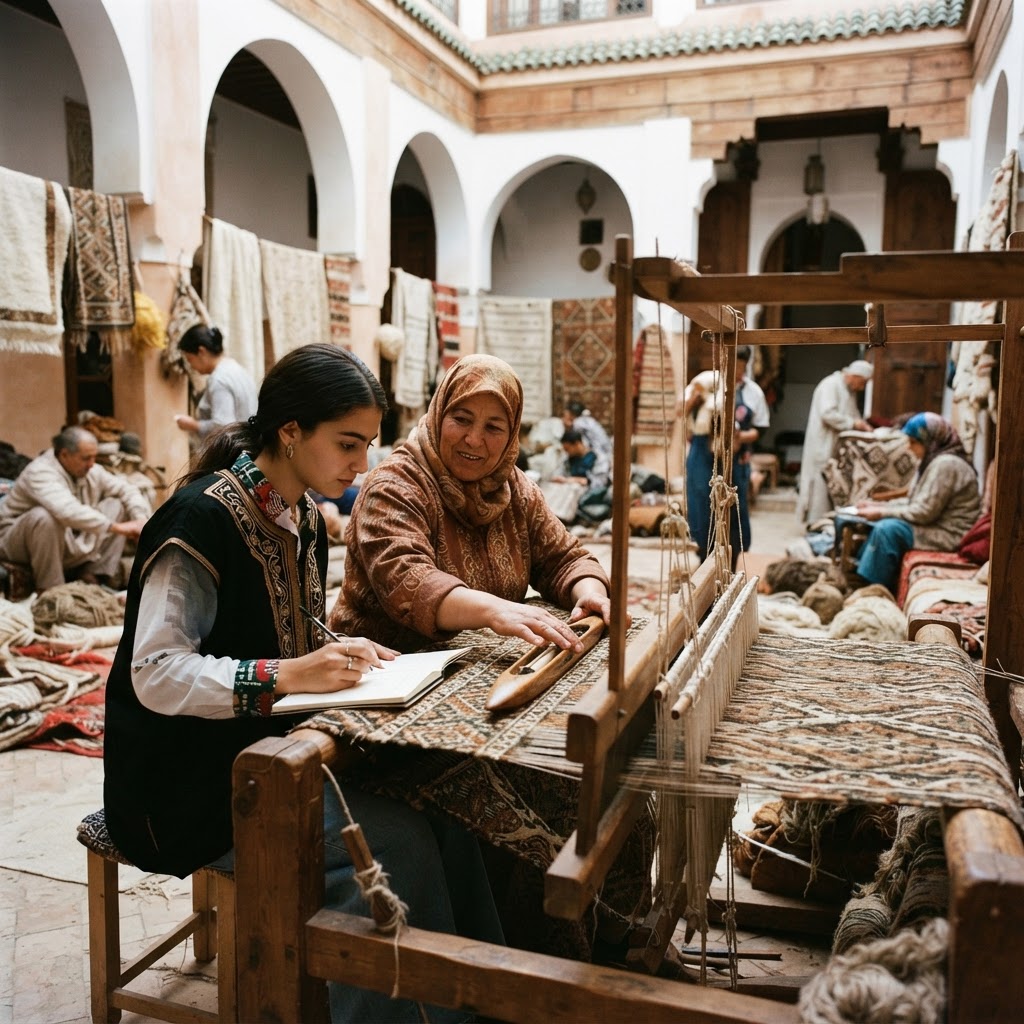
A Global Renaissance of Purpose: How Culture Is Redefining Sustainability, Heritage, and Creative Patronage
From landmark UNESCO frameworks connecting climate resilience to traditional craft and international art fairs, the global cultural sector is asserting itself as an essential engine of sustainable progress and shared identity.
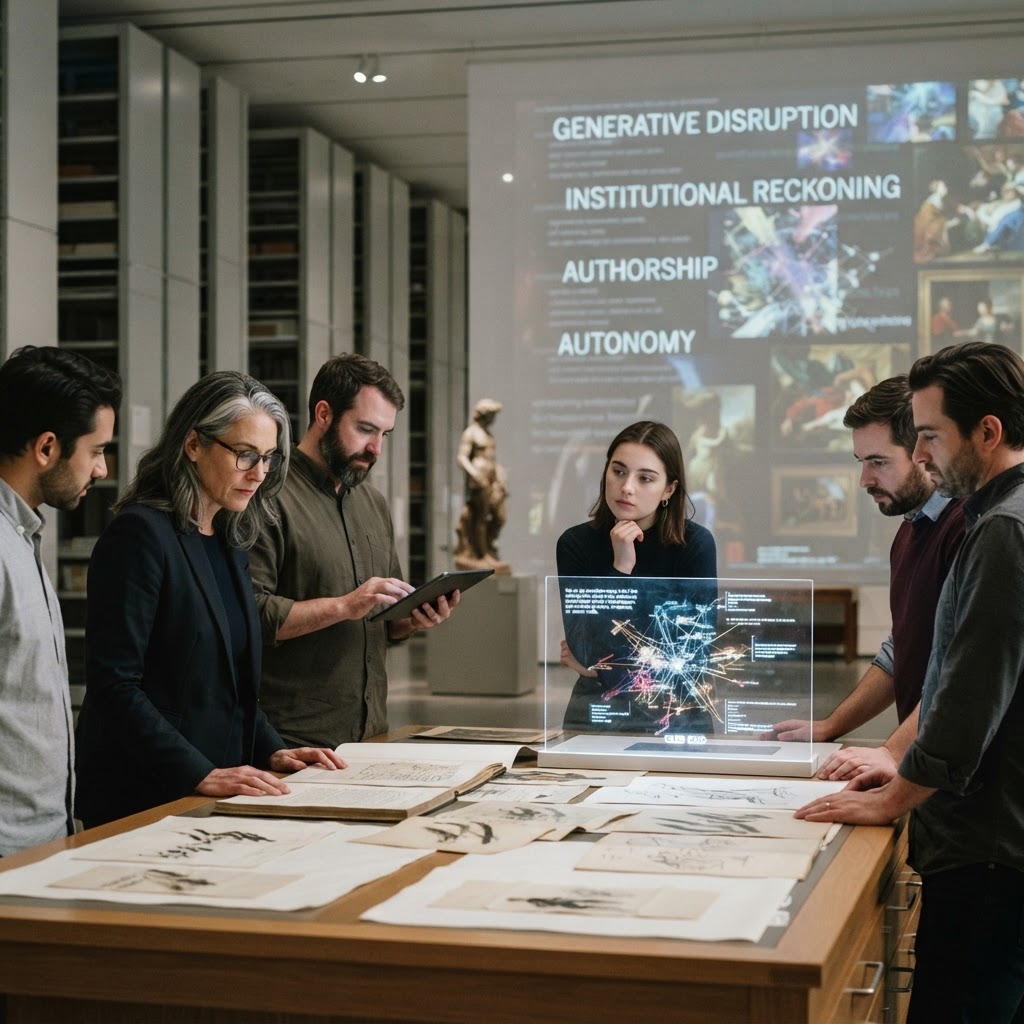
Generative Disruption and Institutional Reckoning: The Cultural Landscape Confronts Authorship and Autonomy
As international bodies codify culture's role in global development, the creative industries are grappling with unprecedented debates surrounding artificial intelligence, copyright authenticity, and heritage protection.
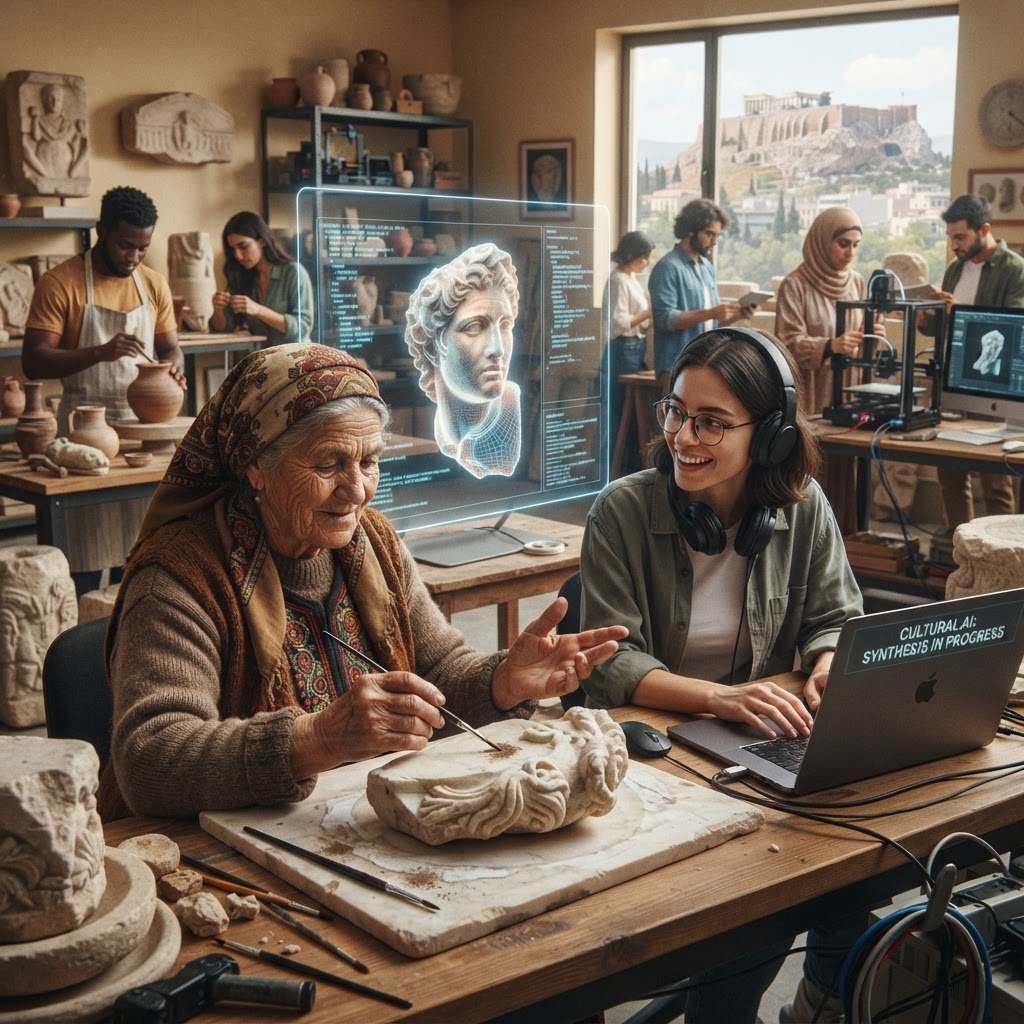
Global Culture at a Crossroads: Heritage Preservation, AI Disruption, and Inclusive Rebirth
Around the world, cultural policymakers, artists, and institutions are navigating shifting paradigms—from international mandates defending creative heritage against technological disruption to boundary-breaking exhibitions and regional performing arts showcases.