Global Culture Navigates Legacy, Innovation, and Digital Upheaval
From groundbreaking cinematic milestones and reimagined stage traditions in East Asia to intense debates over technological disruption and international heritage policy, the global cultural sphere is confronting a dynamic era of reinvention.
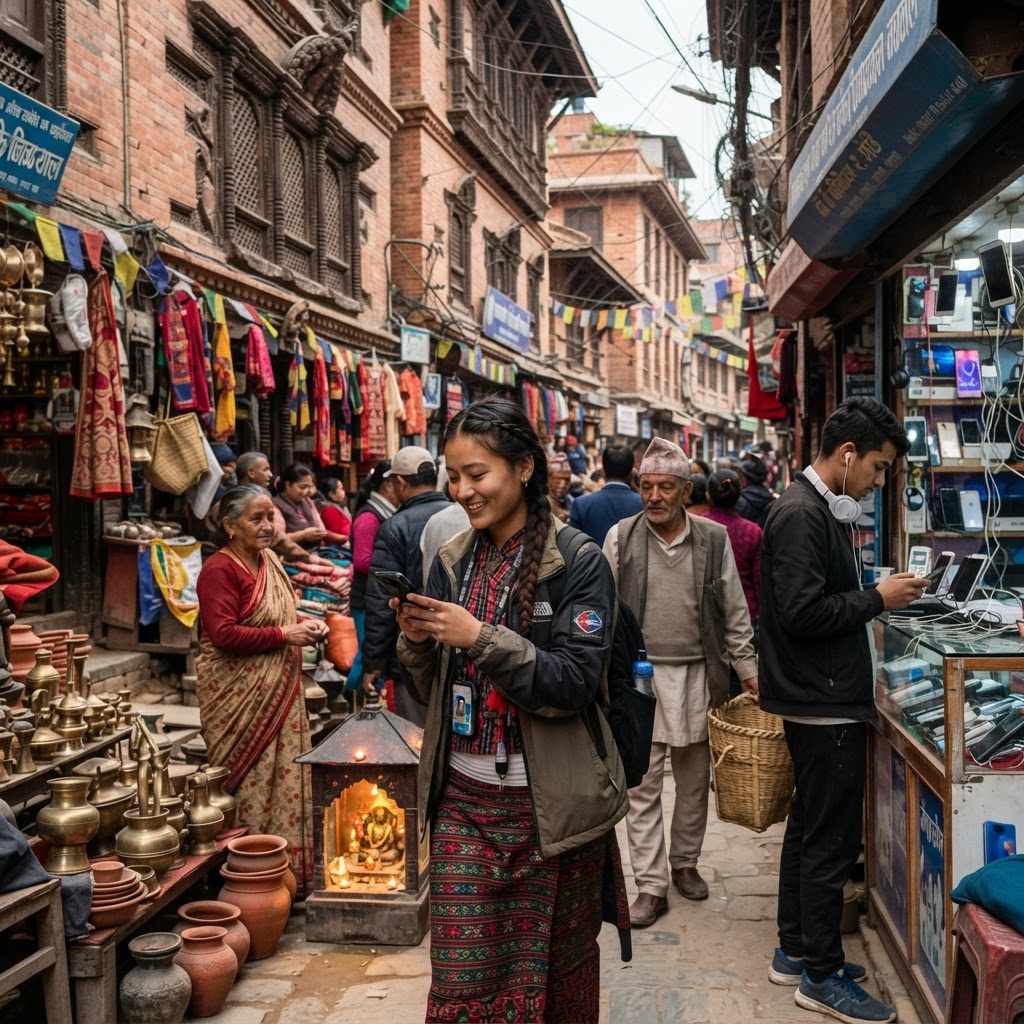
Cinematic Spectacle and Reflective Storytelling in East Asia
The cinematic and literary arts in East Asia are undergoing a notable period of artistic reflection paired with unprecedented commercial vitality. In Japan, director Takashi Yamazaki has captured global attention with the launch of his latest production, Godzilla Minus Zero, reported by The Japan Times to have achieved the highest single-day box office revenue for a live-action release in Japanese history. Filmed natively for IMAX, the production utilizes cutting-edge visual effects to frame the iconic creature as a mirror for contemporary societal anxieties, proving that classic cinematic traditions can evolve into fresh, resonant allegories for modern audiences.
Parallel to large-scale blockbusters, character-driven narratives across the region are receiving widespread critical praise. Korean cinema highlighted this nuanced shift with actor Jeon Do-yeon earning acclaim for her poignant performance in director Lee Chang-dong’s Possible Love, exploring themes of familial strain and economic displacement, as detailed by Yonhap News Agency. Simultaneously, traditional formats are embracing structural innovation. Tokyo’s print industry witnessed the unveiling of Kaqreal, an experimental journalistic manga imprint established by publishing giant Kodansha aimed at revitalizing longform graphic storytelling during an era of changing print habits.
Reinventing Heritage on Stage and in Galleries
Across visual and performance disciplines, contemporary creators are actively dismantling barriers between regional heritage and modern experimentation. In the performing arts, groundbreaking productions such as an avant-garde adaptation of traditional Japanese noh theater incorporating the persona of Elvis Presley demonstrate how classical structures can engage with international pop-culture mythologies, as noted by The Japan Times Culture desk. At the same time, regional institutions throughout the Middle East and Central Asia are establishing new creative corridors, evidenced by events like the Design Doha Prize celebrations reported by Arab News and Azerbaijan's Baku Art Weekend, where conceptual artists transformed traditional weaving patterns and mixed media into bold social commentary.
Major gallery retrospectives are likewise highlighting visionary legacies. Contemporary icon Mariko Mori has made a prominent return to Japan's exhibition spotlight with major retrospectives addressing futuristic aesthetics and ecological harmony, alongside newly mounted installations celebrating the enduring visual language of Yayoi Kusama. Across the literary world, storied achievements were celebrated with author Cristina Fernández Cubas being awarded Spain’s prestigious Miguel de Cervantes Prize, honoring decades of mastery in speculative and short-form fiction covered by Euronews Culture.
The Collision of Technological Disruption and Cultural Policy
Even as creative mediums flourish, the rapid proliferation of synthetic media and artificial intelligence continues to spark intense friction throughout the creative arts. Prominent recording artists and creators, including Australian songwriter Nick Cave, have voiced stark apprehensions, warning that algorithmic and generative music risks eroding the raw human vulnerability essential to authentic artistic endeavor. Visual photographers and designers have echoed similar sentiments, cautioning against the commodification of visual aesthetics by automated tools.
These existential questions have escalated from studios into the halls of international diplomacy. As highlighted by UNESCO during parliamentary deliberations over national creative frameworks, global institutions are grappling with urgent questions surrounding intellectual property, fair compensation, and the exploitation of regional heritage data used to train proprietary machine-learning models. With the United Nations adopting a dedicated framework for culture as a central tenet of sustainable development, cultural practitioners worldwide are standing at a historic crossroads—balancing the immense potential of innovative platforms with the vital imperative to preserve human expression.
Recommended for you
Similar to “Culture”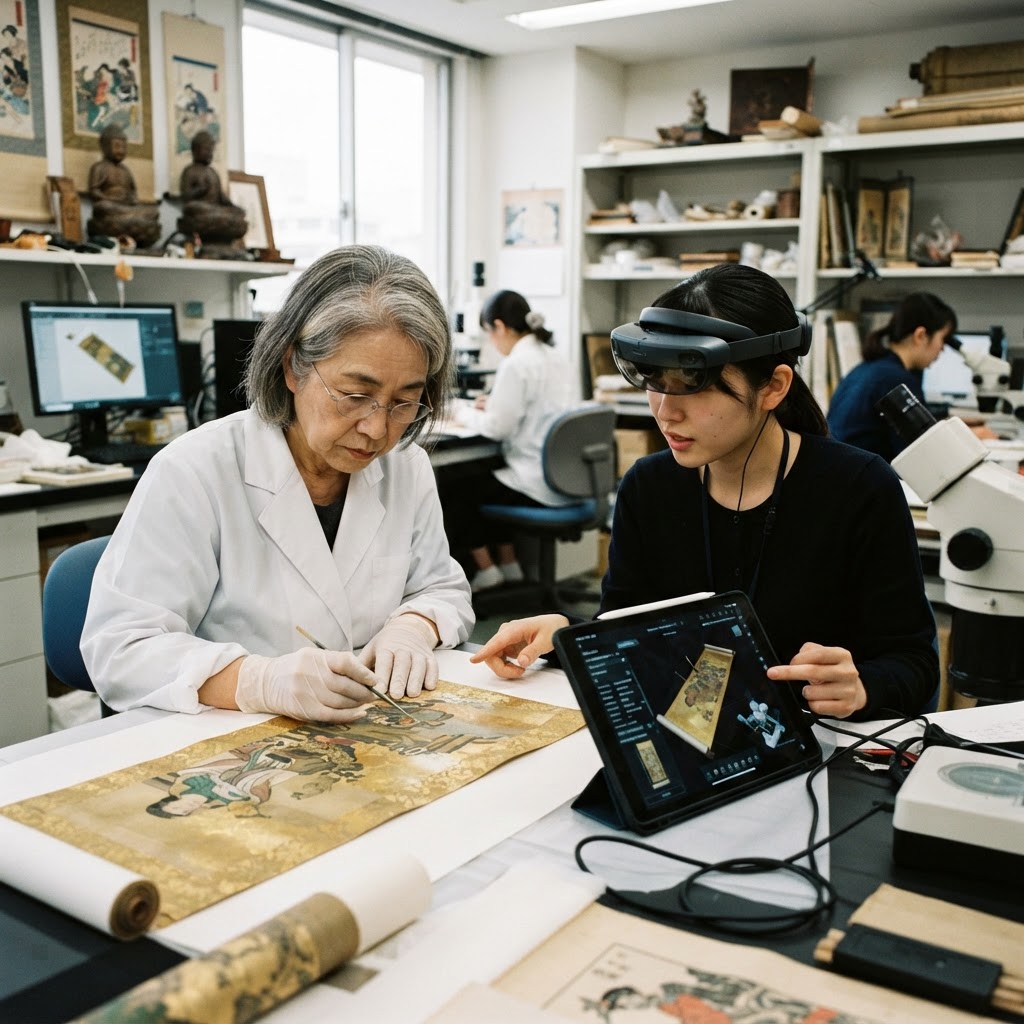
Between Preservation and Innovation: Global Culture Navigates Heritage Safeguards and the AI Frontier
Recent cultural developments across Europe, the Middle East, and Asia spotlight a delicate balance between conserving historical heritage, safeguarding public access, and confronting the disruption of generative artificial intelligence in the arts.
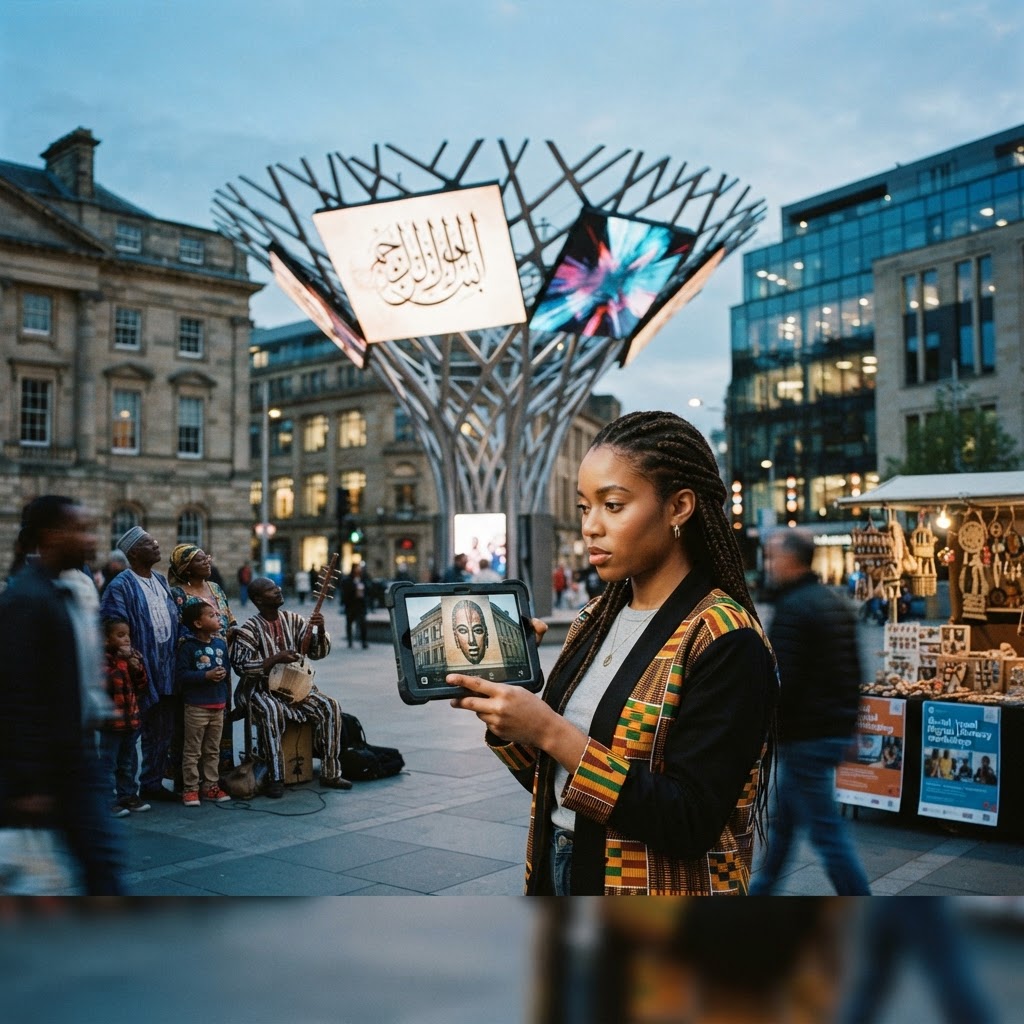
Global Culture Enters a Transformative Epoch: Navigating Soft Power, Technological Disruption, and Grassroots Resilience
From the halls of international governance to dynamic grassroots festivals, the global cultural sphere is redefining its economic and artistic frontiers amid digital disruption and shifting institutional support.
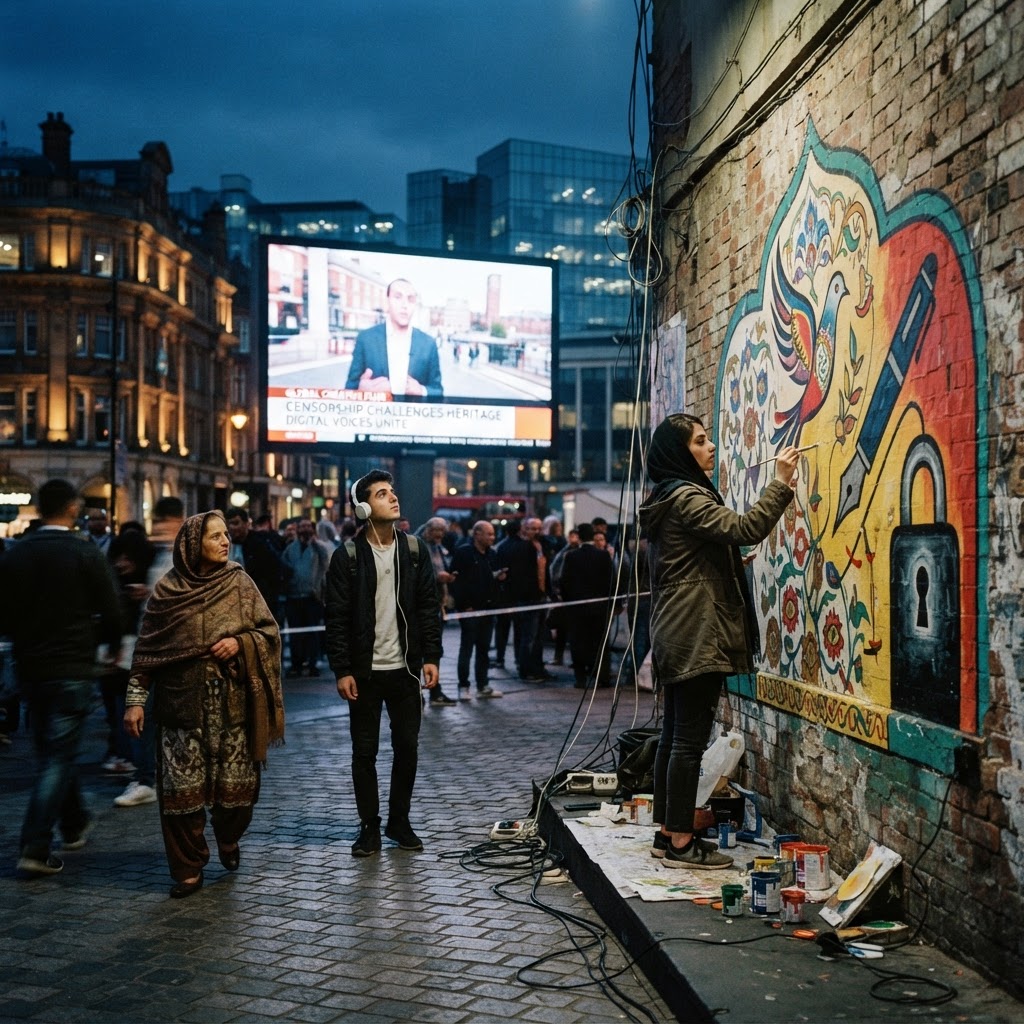
A World in Creative Flux: Heritage, Digital Expression, and Censorship Collide on the Global Stage
From groundbreaking archaeological finds and shifts in modern lexicon to mounting struggles over artistic freedom and artificial intelligence, global cultural landscapes are navigating a profound era of transformation.