Fragile Frontlines: Escalating Middle East Hostilities and Shifting Geopolitics Test Global Stability
Heightened tensions across the Persian Gulf, high-stakes political contests, and parallel diplomatic initiatives underscore an increasingly interconnected and volatile international arena.
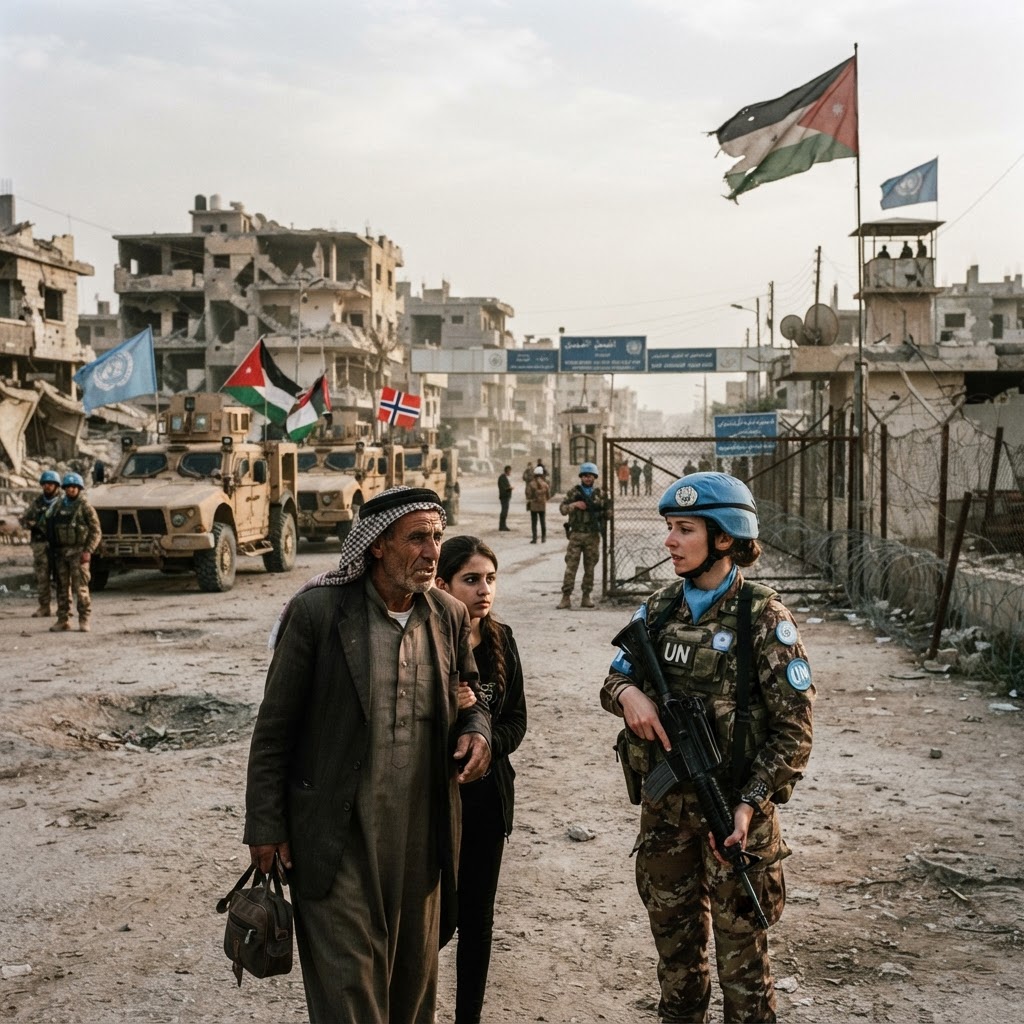
The global geopolitical landscape is enduring a critical test as multiple intersecting security crises and political contests reshape regional dynamics. From military standoffs across the Persian Gulf to pivotal elections in the Americas and shifting security dialogues in Europe, international diplomacy is operating under intense friction. Policymakers find themselves balancing immediate conflict containment with long-term realignments in trade, alliances, and energy security.
Turbulence Across the Persian Gulf
In the Middle East, the security architecture has been placed on high alert following escalating cross-border military strikes and rising rhetoric between Tehran, Washington, and regional defense blocs. Recent reports indicate that members of regional security alliances have initiated high-level diplomatic outreach in Tehran to de-escalate tensions stemming from ongoing hostilities involving Yemen's Houthi movement and regional infrastructure (Al Jazeera). The persistent attacks targeting maritime corridors and energy installations have raised alarms among international shipping conglomerates and energy markets, demonstrating the precarious state of Gulf security (US News).
Despite repeated calls for restraint, regional tensions remain elevated. Defense analysts note that proxy skirmishes continue to threaten vital logistics lanes, putting international pressure on both Washington and Gulf capitals to craft a sustainable deterrence strategy that prevents full-scale regional escalation while safeguarding global energy supplies.
Electoral Milestones and Democratic Friction
Parallel to military friction, the domestic political landscape in several key nations is confronting severe tests of institutional resilience. In Latin America, international leaders have been closely tracking the political fallout following national elections in Brazil, where electoral outcomes have drawn widespread global reactions and political scrutiny from external critics (News24). The contest highlights the enduring ideological polarities shaping governance across the Americas.
Meanwhile, in the Middle East, Israel has headed into a consequential general election under the shadow of prolonged conflict and strategic uncertainty (NPR). With early projections and exit polls indicating tightly contested parliamentary margins, the incoming government will face urgent choices regarding military doctrine, internal political cohesion, and international alliances (NBC News). Such electoral outcomes are widely expected to exert a profound influence on ongoing ceasefire negotiations and broader regional realignment.
European Security Reassessment and Global Governance
In Europe, the ongoing conflict in Ukraine continues to dominate foreign policy agendas, prompting continuous reassessments among continental leaders. Nordic leaders from Finland and Norway have engaged in frank diplomatic exchanges regarding potential pathways out of the prolonged war, while European defense ministers maintain a skeptical posture regarding Moscow's willingness to commit to durable peace accords (Hürriyet Daily News, POLITICO). European capitals continue to explore coordinated strategies with North American partners to bolster international law, collective defense, and multilateral institutions.
At the same time, multilateral cooperation faces mounting strain in addressing systemic global crises. A recent United Nations assessment warned that existing national climate pledges remain insufficient to avoid critical warming thresholds ahead of forthcoming international negotiations (Hürriyet Daily News). With climate-induced resource stress, ongoing territorial wars, and electoral instability converging, global institutions find their crisis-response mechanisms stretched thin across multiple theaters.
The Road Ahead for International Diplomacy
As governments navigate these simultaneous shocks, the coming months will likely test whether existing diplomatic channels can withstand compounding pressures. The ability of major powers to prevent isolated crises from coalescing into wider global conflicts depends heavily on revitalized multilateral engagement, strategic communication, and pragmatic statecraft. Until durable security frameworks are established, the international system remains vulnerable to sudden disruptions across trade, defense, and cross-border governance.
Recommended for you
Similar to “World Affairs”
Fragile Diplomacy and Escalating Fronts: Global Tensions Test International Order
High-stakes diplomatic negotiations in the Middle East and Eastern Europe face mounting strain as battlefield strikes, political shakeups, and maritime friction disrupt peace efforts across multiple continents.
Fragile Frontlines: Global Diplomacy Strains Under Shifting Balances of Power and Humanitarian Shocks
From escalating military frictions across the Middle East to deep security anxieties in Europe and worsening crises across the Global South, the international order faces a turbulent test of diplomatic resilience.
Diplomatic Realignments and Shifting Frontlines: How Energy Deals and Economic Tailwinds Are Reshaping Global Geopolitics
Recent policy reversals in Washington and escalating security friction across Eastern Europe and the Middle East highlight an increasingly fragmented international order, even as technology investment propels global trade forecasts.