The Fracture Lines of 2026: Midterm Aftershocks, Climate Reckonings, and Algorithmic Anxiety
Global commentators and editorial pages are grappling with a trifecta of historic shifts: the political fallout of the US midterm elections, the governance limits laid bare by COP31, and the escalating moral panic over unregulated artificial intelligence.
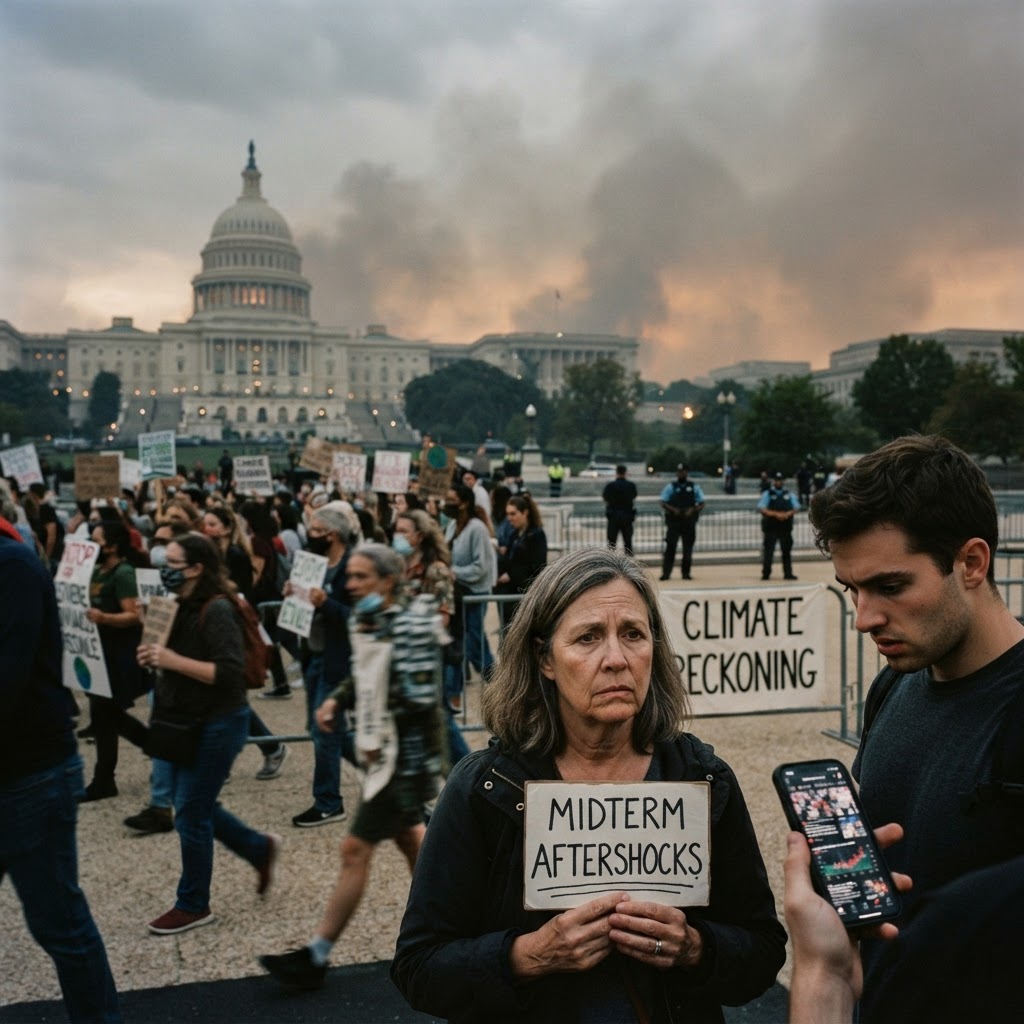
A Watershed Moment on Global Editorial Pages
In the opening weeks of November 2026, the international commentary landscape has pivoted from localized debate to sweeping reassessments of global governance. Across prestigious opinion forums, from Washington and London to Riyadh and Dhaka, a discernible convergence has emerged among thinkers and essayists. Opinion writers are parsing three interconnected phenomena: the reverberations of dramatic US midterm election results that have shaken both domestic institutions and foreign alliances, the acute institutional weariness surrounding the COP31 climate negotiations in Antalya, and the increasingly sober public reckoning with artificial intelligence.
The Repercussions of America's Electoral Fault Lines
Commentary analyzing the United States midterm elections has dominated international columns over the past several days. Commentators writing in American regional newspapers and international broadsheets alike describe an electoral earthquake that dramatically reshaped the balance of power on Capitol Hill and across state legislatures. Columnists note that voters, driven largely by intense cost-of-living concerns and household affordability squeezes, delivered sweeping rebukes to the status quo, empowering robust legislative opposition majorities. International analysts, notably in Middle Eastern publications like Arab News, emphasize that this political pivot introduces profound uncertainties into global diplomacy. Observers warn that international adversaries and partners, particularly in discussions surrounding Iran and Caspian geopolitics, risk misreading Washington's internal deadlock as either paralysis or sudden disengagement. At the same time, cultural and political columnists caution that while the global right may be re-evaluating its strategies, the populist currents that redefined modern Western governance remain deeply embedded within civic consciousness.
Climate Exhaustion and the Demand for State Capacity
Concurrently, the world's leading policy essayists have trained their focus on COP31, convened in Antalya, Türkiye. The tone across major think tanks and research platforms has shifted sharply away from diplomatic platitudes toward pointed structural critiques. Experts writing for the Institute of Development Studies observe that international climate summits continue to suffer from a dangerous disconnect between high-level plenary pronouncements and the lived experiences of frontline communities, such as regional pastoralists and vulnerable agrarian populations. Rather than merely expanding early-warning mechanisms or technical fixes, commentators argue that climate adaptation requires deep social investment and community trust. Writing for Project Syndicate, leading economic thinkers have similarly underscored that sustainable ecological transition cannot rely exclusively on private market corrections or voluntary financial disclosures. Instead, effective mitigation demands genuine state capacity—the revival of proactive public capabilities capable of directing industrial transformation and securing resilient public infrastructure.
The Existential Grief and Geopolitics of Artificial Intelligence
Rounding out this period of intense editorial reflection is a palpable evolution in how intellectuals discuss emerging technologies. The breathless optimism that characterized early algorithmic adoption has given way to what prominent economists and policy analysts describe as stages of societal and technological grief. Columnists at outlets such as the Global Policy Journal argue that international regulatory frameworks are falling drastically behind the realities of an increasingly algorithmic planet. With automated systems driving new forms of asymmetric cybercrime and transforming the strategic race between major powers, commentators are challenging the assumption that modern multilateralism is intelligent enough to manage technology that outpaces existing legal doctrines. Taken together, the editorial currents of late 2026 paint a portrait of a world at an inflection point, where voters demand domestic affordability, citizens demand competent governance amidst environmental crisis, and societies confront the disruptive march of autonomous technologies.
Recommended for you
Similar to “Global Opinion”
A Fractured World Weighs Governance, Technology, and Democratic Volatility
Across international editorial boards and opinion columns, commentators are grappling with mounting electoral unease in Western democracies, escalating regulatory debates over artificial intelligence, and deep geopolitical fractures.
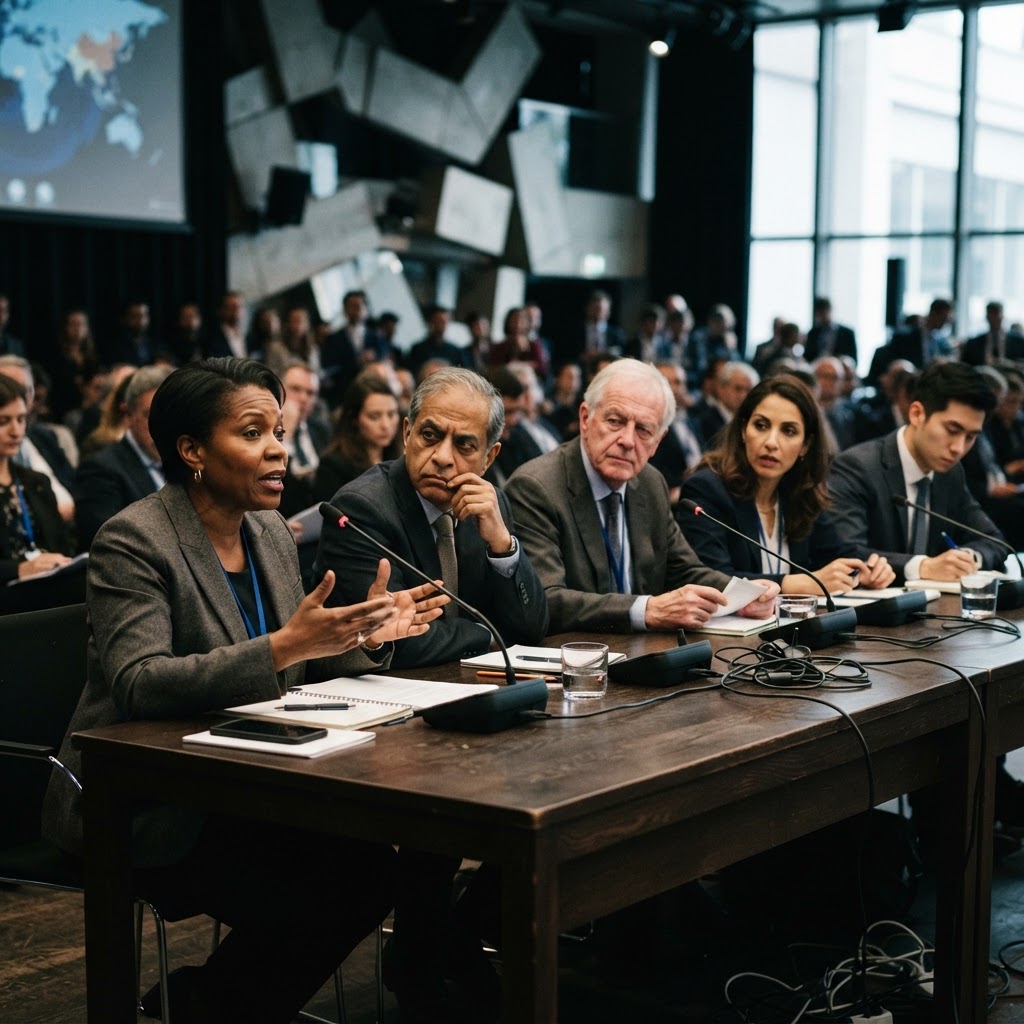
Gridlock, Multipolarity, and Fragile Norms: Global Commentators Confront a Fractured Order
In the wake of sweeping midterm elections and escalating international tensions, political analysts and commentators across the globe are sounding alarms over looming governance paralysis and the breakdown of established multilateral rules.
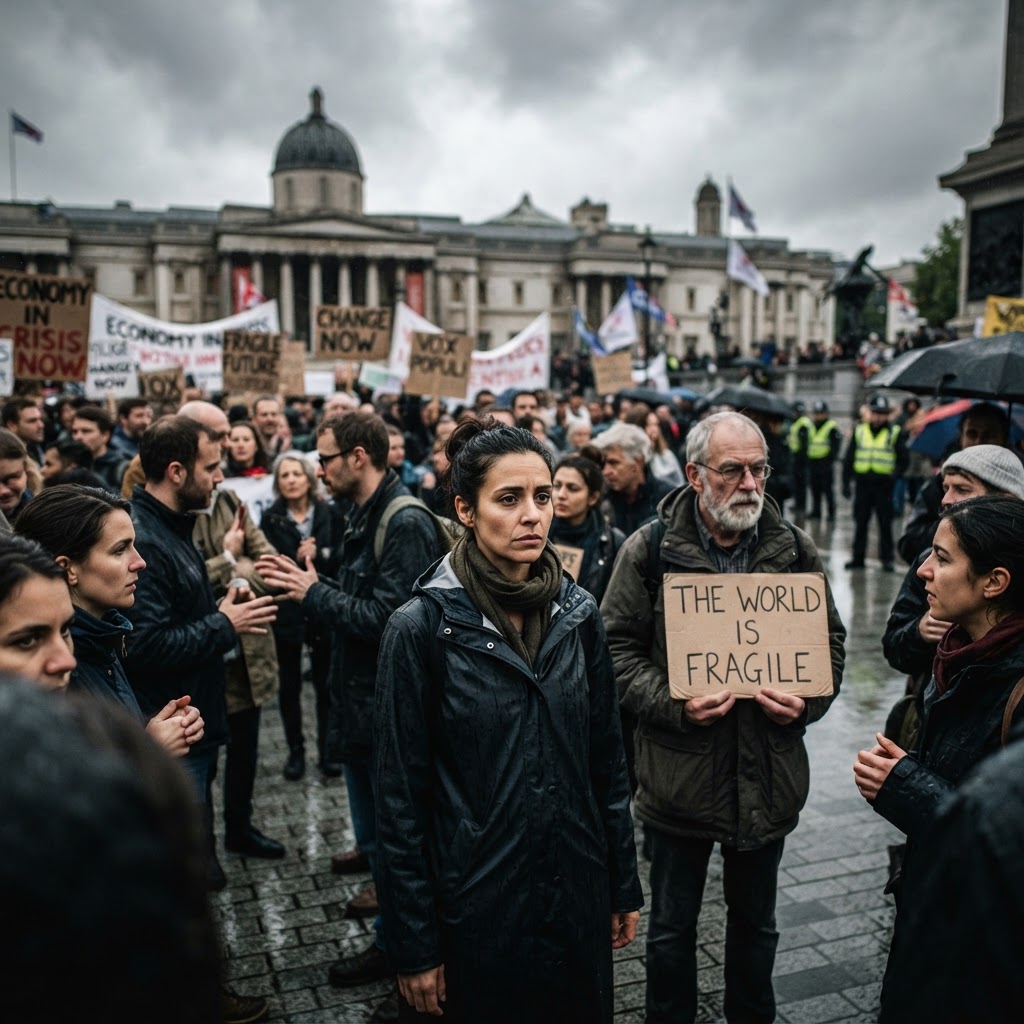
A Confluence of Cracks: Global Opinion Weighs Political Backlash and Economic Fragility
Recent commentary across leading global publications reflects a world reassessing political overreach and speculative economic exuberance, marked by historic electoral shifts and growing skepticism over the artificial intelligence boom.