Global Health at a Crossroads: Tackling Chronic Crises, Emerging Pathogens, and Diagnostic Shifts
Recent major announcements across international public health spotlight urgent new clinical guidelines for diabetes and oncology alongside critical discoveries in pathogen transmission and neurodegenerative disease.
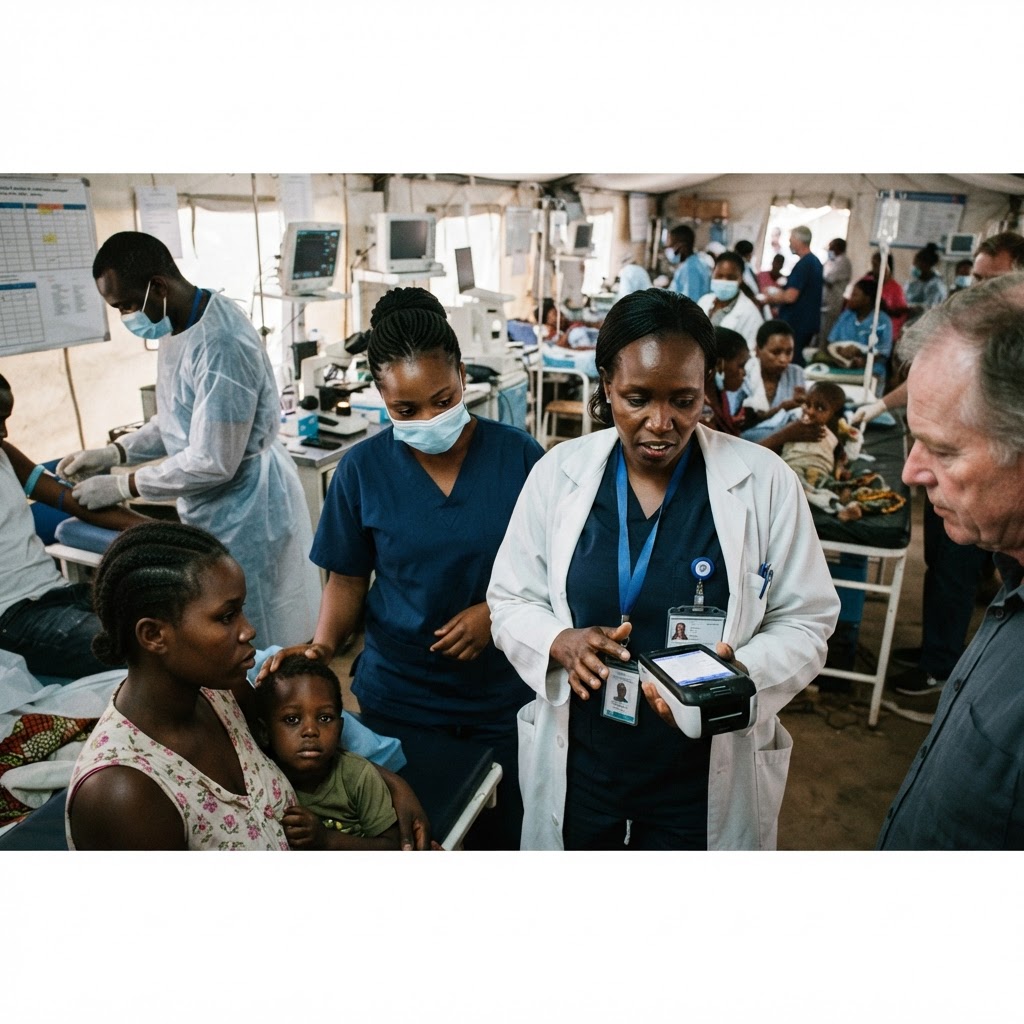
A Dual Burden: Escalating Chronic Diseases and Systemic Gaps
International health authorities have redoubled their focus on the rapidly expanding burden of chronic noncommunicable illnesses. Ahead of annual global awareness milestones, the World Health Organization released stark updated data illustrating that hundreds of millions of people currently live with diabetes worldwide. A critical concern highlighted by epidemiological assessments is that more than half of those diagnosed in low- and middle-income regions remain unable to access or adhere to essential ongoing medications. The downstream complications—ranging from cardiovascular failure and stroke to irreversible kidney damage—impose an unsustainable strain on vulnerable public hospital systems.
To combat disparities in care delivery, global bodies recently rolled out consolidated guidance addressing juvenile Type 1 diabetes as well as emergency protocols for managing adult insulin regimens in humanitarian contexts. These unified clinical frameworks underscore that effective chronic care is not merely a matter of drug discovery, but of distribution equity and primary care readiness. Concurrently, broader metabolic and cardiovascular health initiatives are wrestling with shifting clinical standards, challenging healthcare providers to prioritize early intervention before complex organ failures materialize.
Reframing Early Detection: Shifting Guidelines in Oncology and Neurodegeneration
In clinical oncology, prevention strategies are undergoing significant recalibration. Major advocacy and professional medical groups, including the American Cancer Society, have introduced updated screening guidance for prostate cancer, urging earlier discussions and risk-stratified testing protocols. These updated approaches are aimed at balancing the benefits of life-saving early detection against the historical hazards of overtreatment and unnecessary invasive biopsies. Rather than relying on rigid universal age thresholds, clinicians are increasingly encouraged to adopt nuanced strategies that factor in genetic markers, family history, and targeted baseline prostate-specific antigen screenings.
Parallel diagnostic and mechanistic breakthroughs are emerging in neurodegenerative research. High-resolution positron emission tomography (PET) imaging trials tracking cognitive decline have confirmed that tau protein aggregates build up significantly faster in patients diagnosed with early-onset Alzheimer’s disease compared to older cohorts. These findings help unravel the biological mechanisms behind the aggressive clinical trajectory observed in patients under the age of 65. By pinpointing distinct regional variations in tau pathology, researchers hope to refine patient selection for emerging monoclonal antibody treatments and novel disease-modifying therapies.
Emerging Outbreaks and Genomic Surveillance in Infectious Disease
Even as chronic conditions dominate long-term public health planning, infectious disease specialists remain on high alert against zoonotic threats and shifting patterns of transmission. A major focus of scientific inquiry in recent days has centered on confirmed human-to-human transmission of Andes hantavirus linked to an outbreak on a cruise vessel. While hantaviruses are predominantly considered rodent-borne pathogens acquired through aerosolized rodent excreta, genomic sequencing and epidemiological contact tracing have verified that specific lineages of Andes virus can spread directly between individuals in confined environments. The incident highlights the growing necessity of rapid pathogen sequencing in high-density travel corridors.
At the same time, regional surveillance networks are monitoring respiratory threats and endemic transmission vectors. In Europe, animal health ministries have reinstituted strict biosecurity perimeters and culling orders after detecting high-pathogenicity avian influenza strains in domestic flocks. Meanwhile, researchers across Africa and international global health consortia are pushing forward advanced trials for combined trivalent vaccines targeting invasive Salmonella and typhoid strains, as well as next-generation long-acting interventions for malaria elimination. Public health leaders stress that climate disruptions, vector migration, and international mobility demand integrated surveillance architectures that bridge environmental monitoring, veterinary health, and human clinical infrastructure.
The Policy Imperative: Financing Resilient Primary Care
These concurrent clinical and epidemiological developments reveal a common bottleneck: the capacity of localized health systems to absorb scientific progress and translate it into sustained community outcomes. National governments are increasingly taking steps to shore up primary care networks. Initiatives across sub-Saharan Africa, including comprehensive healthcare reform frameworks and regional medicine procurement pacts, point toward growing regional self-reliance in medicine manufacturing and clinical workforce retention. Simultaneously, European healthcare systems are directing multi-million-pound funding injections into frontline general practice to keep vulnerable chronic patients out of overloaded emergency wards.
Ultimately, modern public health is operating on multiple fronts. From managing complex autoimmune and metabolic conditions in childhood to catching aggressive cancers early and tracing rare viral transmission chains, the divide between innovation and survival rests on execution. Sustainable domestic financing, robust primary clinics, and transparent scientific communication remain the indispensable pillars required to withstand the next wave of global health threats.
Recommended for you
Similar to “Global Health”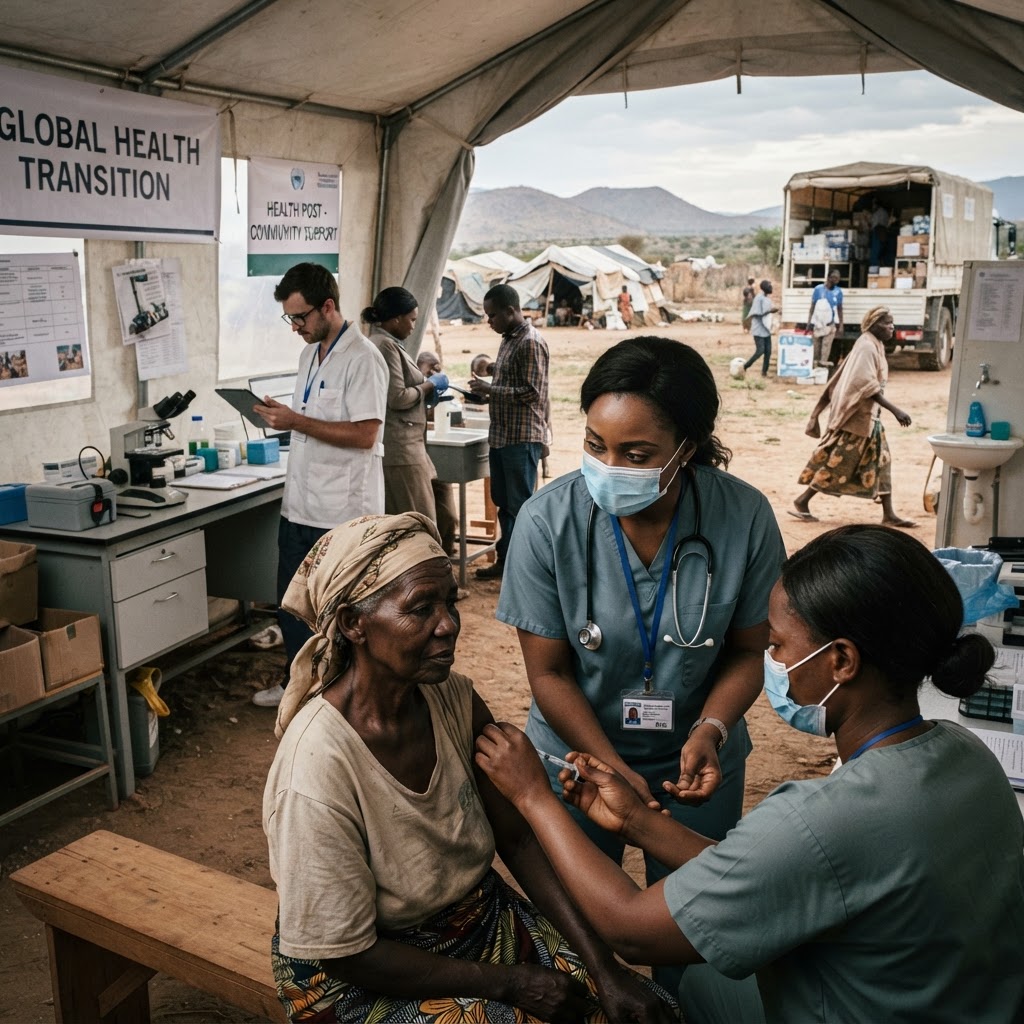
Global Health in Transition: Shifting Guidelines, Environmental Alarms, and Emerging Epidemic Hurdles
Recent major developments across international public health highlight transformative shifts in screening standards, growing alarms over environmental contaminants, and persistent challenges facing disease containment.

Frontiers in Global Medicine: Tackling Emerging Outbreaks, Metabolic Threats, and Epidemic Preparedness
Recent international health updates spotlight concerted actions against infectious disease outbreaks, innovative strategies for epidemic surveillance, and major scientific insights into chronic metabolic disorders.

Frontiers in Global Health: Resurgent Pathogens, Breakthrough Diagnostics, and Emerging Environmental Threats
Recent developments across public health reveal a stark contrast between accelerating medical innovations—including blood tests for CTE and shortened tuberculosis regimens—and escalating threats from infectious resurgences, microplastics, and chronic disease.