A Fractured Planet: Why Climate Governance and Geopolitics Are Colliding at COP31
As global commentators debate the stakes of COP31 in Antalya alongside shifting geopolitical tides, international opinion increasingly points toward a structural breakdown in traditional multilateralism.
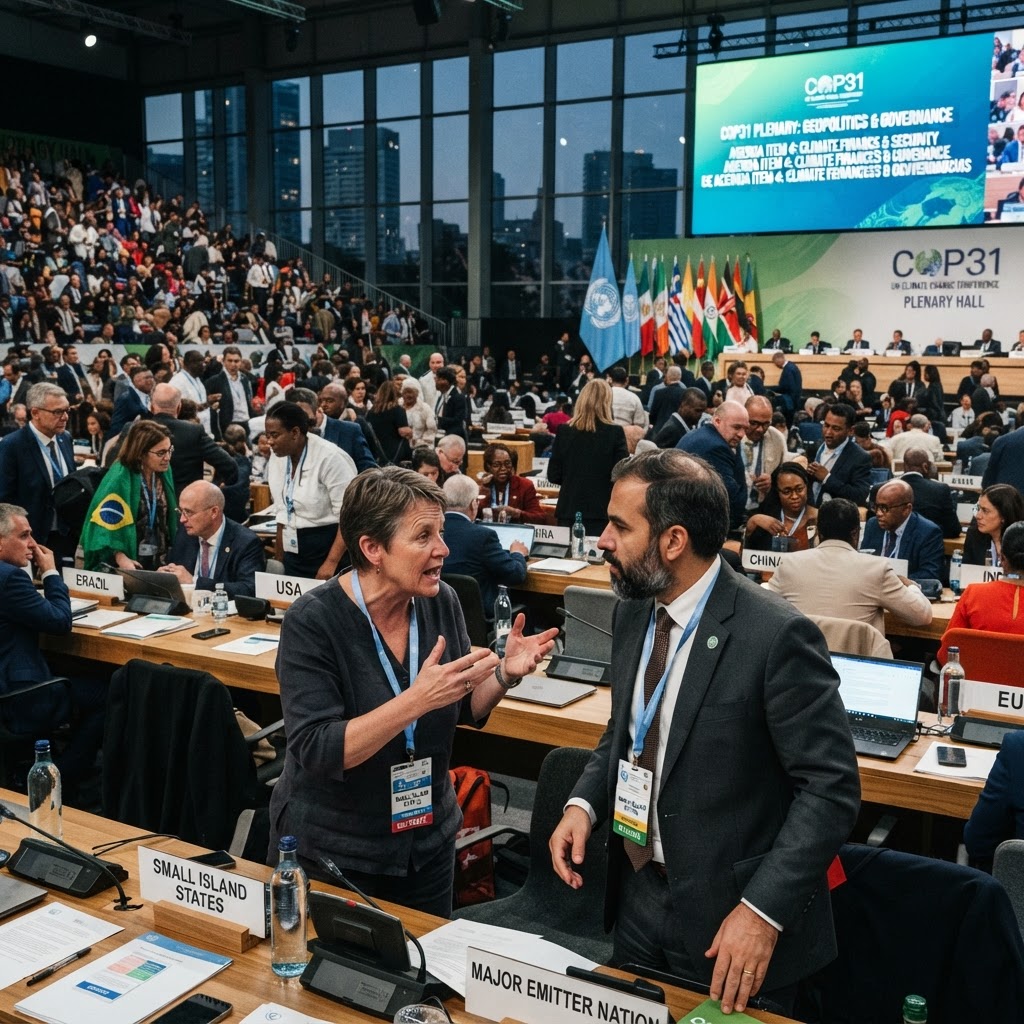
The Shifting Fault Lines of Global Order
In opinion columns across leading international journals and policy publications, a unifying theme has emerged over recent days: the architecture of global governance is straining under the weight of simultaneous climate crises and intense geopolitical competition. Rather than seeing climate diplomacy as a neutral, cooperative space isolated from national rivalries, leading analysts increasingly view talks such as COP31 in Antalya through the prism of fragmentation, strategic industrial policy, and rising North-South tensions.
As commentators at Project Syndicate argue, successful environmental transitions demand deep, capable state capacity rather than mere market mechanisms or speculative private capital. For years, international summits operated under the assumption that financial markets could bridge the gap between national climate goals and planetary realities. Yet the commentary surrounding current negotiations underscores how debt-heavy financing mechanisms have alienated developing countries, particularly across Africa and the Global South, where leaders are calling for grants and local-currency funding rather than instruments that deepen fiscal vulnerability.
The Critical Mineral Race and Industrial Realpolitik
The green transition has also collided with classic geopolitical balance-of-power calculations. Analysis in Institute of Development Studies and economic platforms emphasizes that the clean energy transition cannot be decoupled from access to critical minerals, supply chain security, and sovereign technological rivalry. Commentators note that discussions on renewable deployment are fundamentally arguments over manufacturing dominance, mineral stockpiles, and trade protectionism.
At the center of this debate is the strategic dilemma facing Western capitals and emerging economies alike. As analysts highlight, trade friction between the United States and China over semiconductor supremacy, artificial intelligence inputs, and mineral supply lines has transformed everyday economic decisions into national security flashpoints. The race for technological sovereignty is no longer confined to technical laboratories or fabrication facilities; it dictates diplomatic leverage at climate negotiations and multilateral gatherings.
Midterm Fallout and Multilateral Uncertainty
Compounding the diplomatic friction is domestic political volatility across major democracies. The recent aftermath of the U.S. midterm elections has prompted intensive reflection across editorial pages, including The Guardian, The Japan Times, and Arab News. Commentators point out that while electoral shifts may curb immediate executive actions or recalibrate legislative priorities, they rarely eliminate the deeper currents of populist skepticism toward international commitments.
Diplomats and columnists warn that inconsistent domestic policy creates a climate of uncertainty for international partners who must make multi-decade capital allocations based on treaty pledges. When global superpowers lurch between multilateral engagement and unilateral retrenchment, the credibility of collective governance frameworks erodes, incentivizing mid-sized powers to seek regional coalitions or strategic non-alignment.
Grassroots Pushback and Grassroots Realities
Crucially, elite diplomatic gatherings face a parallel crisis of legitimacy from below. Opinion pieces focusing on on-the-ground vulnerability note that high-level communiqués often fail to reflect the immediate realities of pastoralist communities, agricultural workers, and populations suffering from record extreme heatwaves. Technical fixes like early warning sensors and algorithmic dashboards, while useful, fall short if basic civic infrastructure, community autonomy, and democratic voice are sidelined.
The global consensus among opinion writers is unmistakable: the era of polite, technocratic multilateralism has given way to an age of contested realpolitik. Whether addressing sovereign debt relief, green energy transition costs, or technological export curbs, modern diplomacy can no longer treat climate survival and geopolitical contest as separate spheres. If multilateral institutions fail to reconcile equity with sovereign interests, alternative coalitions will inevitably fill the void.
Recommended for you
Similar to “Global Opinion”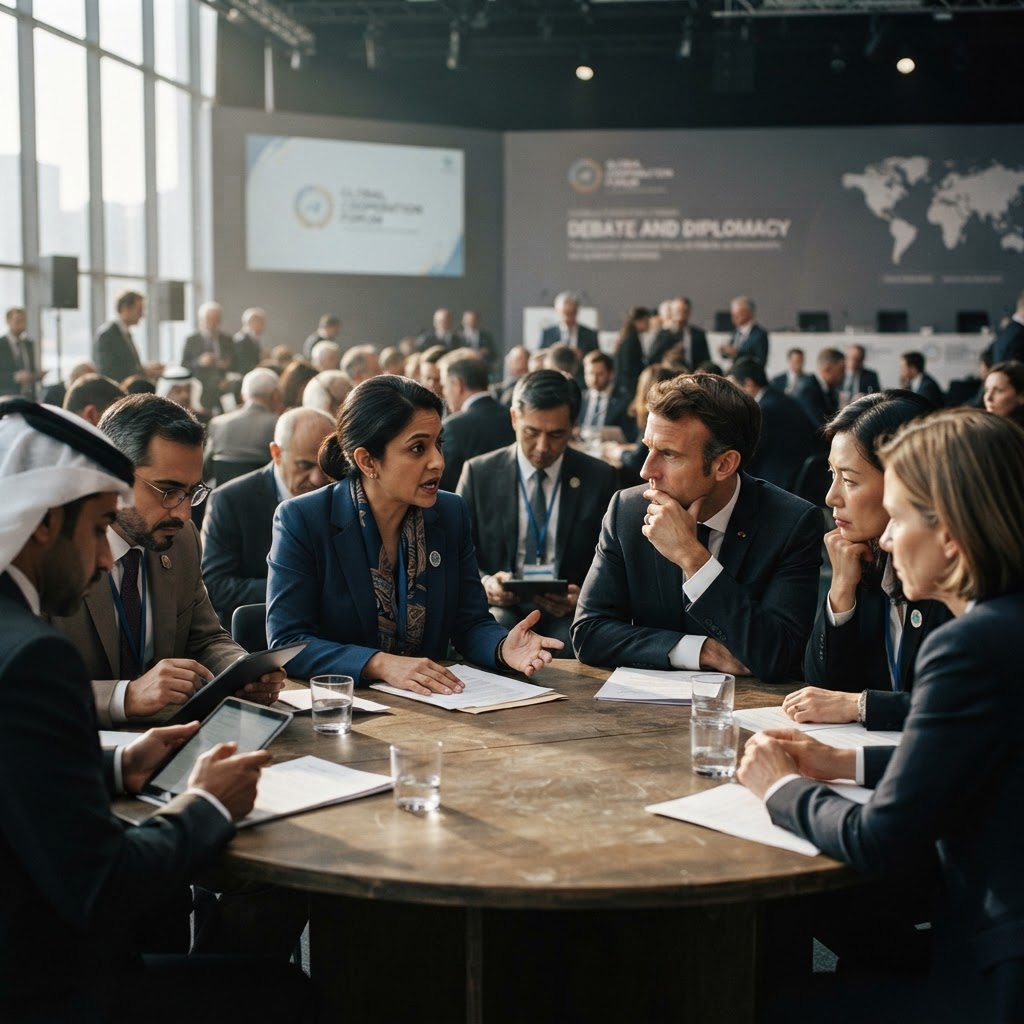
The Fracture of Multilateralism: Why Global Opinion Is Shifting Away from Hegemony Toward Pragmatism
Recent international commentary and worldwide opinion research reveal an escalating disillusionment with traditional Western leadership, as global publics increasingly demand measurable security and tangible economic development over ideological rhetoric.
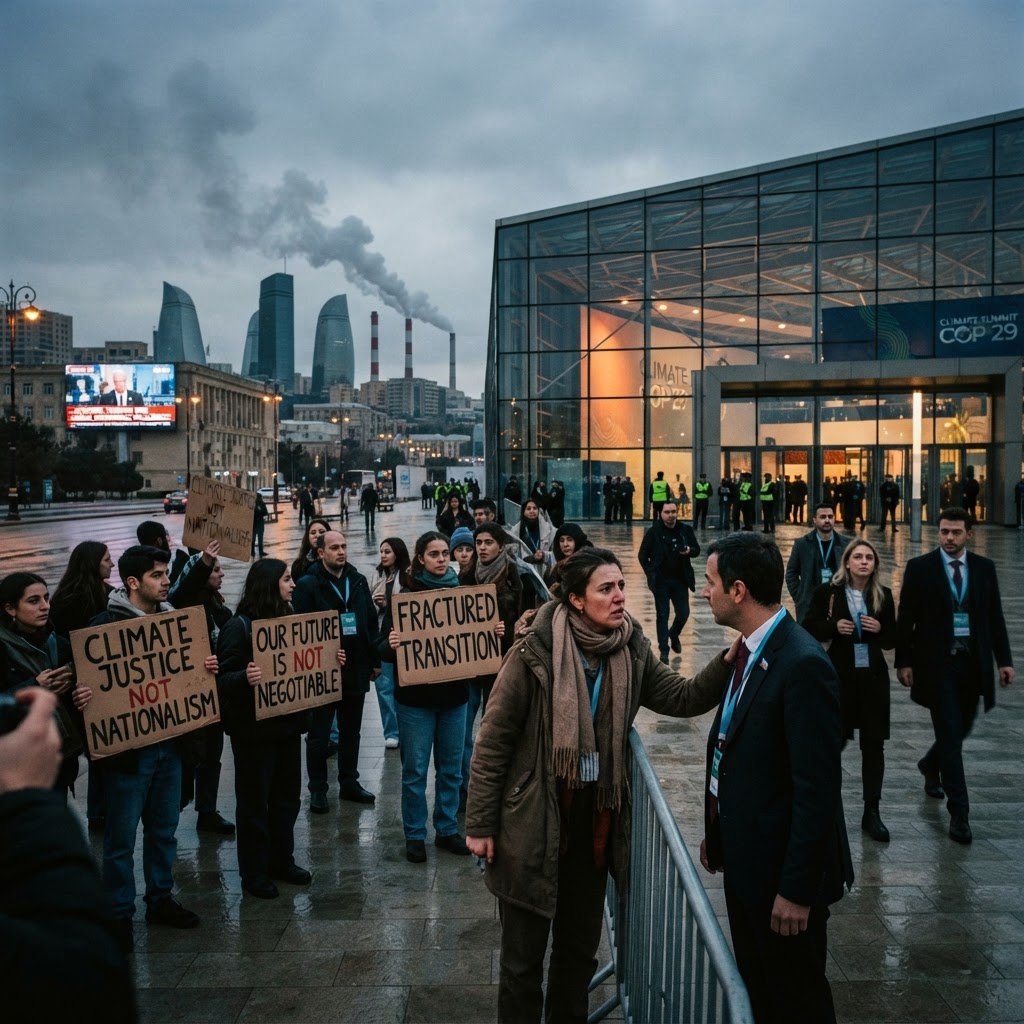
A Fractured Transition: Climate summits, economic nationalism, and the reordering of global governance
As global commentators reflect on recent political shifts and diplomatic summits, international opinion reveals an overarching convergence: the old frameworks of global governance and climate cooperation are buckling under the weight of geopolitical fragmentation.

A Fractured Accord: Shifting Public Sentiments and the Erosion of Institutional Trust
Recent commentary and opinion research reveal an escalating crisis of confidence in public governance alongside deep re-evaluations of international alliances. As domestic institutions face plummeting approval, global opinion indicates an increasingly wary and fragmented populace.