A Global Cultural Crossroads: Between Heritage Revival and Structural Turmoil
From West Africa's vibrant fashion runways to shifting arts tourism and economic strain on classical stages, the global cultural sphere is redefining how traditions survive in a digital age.
Traditions Reimagined Across Continents
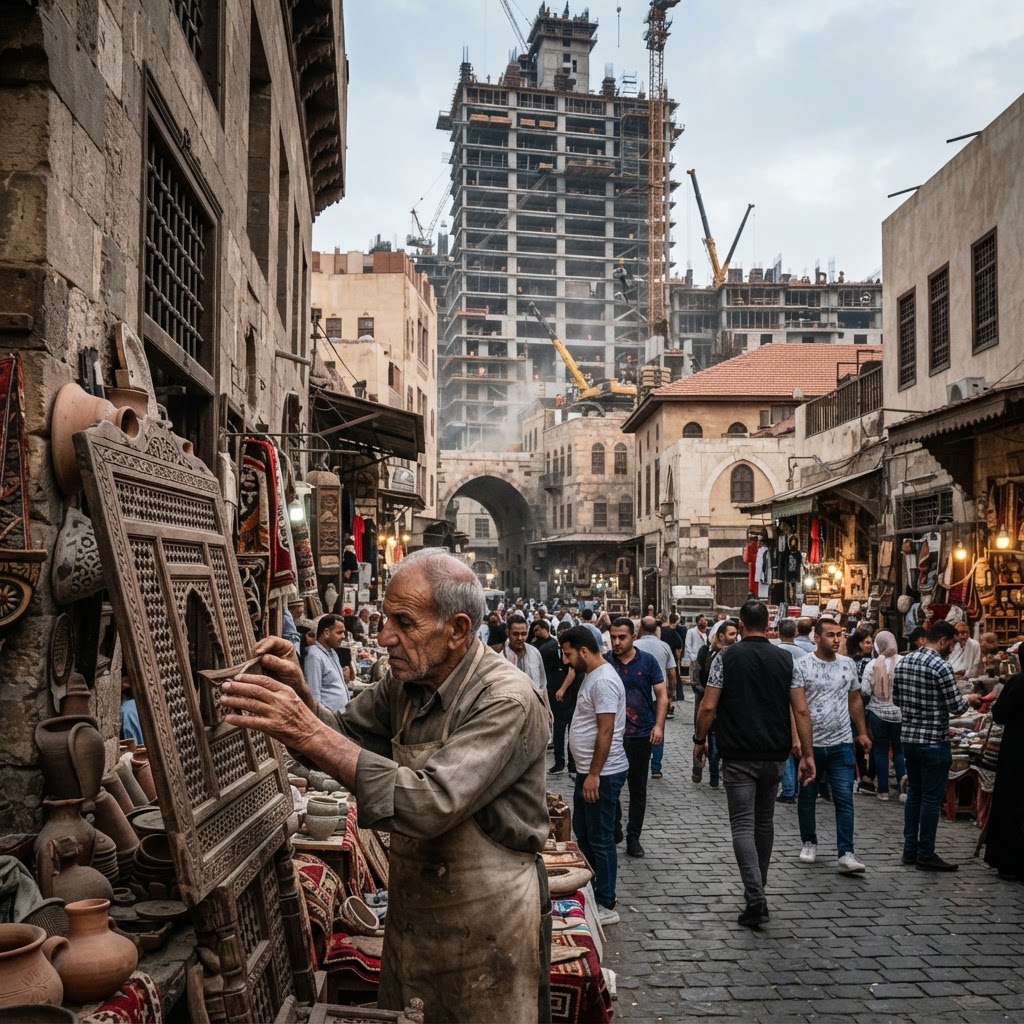
The international cultural calendar has witnessed an energetic renaissance of artisanal identity and regional craft in recent days. In Lagos, the ninth edition of the GTCO Fashion Weekend underscored how traditional techniques are securing central billing on global stages, as highlighted by Premium Times Nigeria. The event launched dedicated markets for indigenous textiles such as Aso-oke and Adire, demonstrating how heritage weaving and dye traditions can directly empower local makers while capturing international runway attention alongside contemporary streetwear.
This drive toward tactile heritage is echoed in the Middle East and East Asia. In Jeddah, community and civic programs have introduced focused efforts to restore ancestral handicrafts, while regional art hubs celebrate both emerging visual talent and classic forms, according to coverage by Arab News. Similarly, Japan continues leveraging its historic cultural landmarks for diplomatic and public engagement, combining Zen Buddhist philosophy with modern anime iconography at the Kyoto City Kyocera Museum of Art, as detailed by The Japan News. Across these initiatives lies a common thread: modern audiences and artisans are refusing to view ancestral craftsmanship merely as museum relics, choosing instead to integrate them into modern design, identity, and commerce.
The Shifting Geography of Cultural Travel
Simultaneously, the global appetite for cultural immersion is driving significant realignment in international tourism. Fresh findings from the Arabian Travel Market (ATM) 2026 Travel Trends Report reveal that travellers are increasingly prioritizing authenticity and unscripted discovery over conventional sightseeing, according to Arabian Travel Market research. A remarkable 70 percent of outbound travellers from the United Arab Emirates and Saudi Arabia actively look for spontaneous encounters with local customs upon arrival, while prospective visitors to the Gulf combine luxury expectations with a dedicated intent to engage with local populations and attend cultural festivals.
This shift reflects broader global metrics compiled by industry observers like Skift, which indicate that cultural immersion consistently ranks ahead of pure adventure or luxury tourism across Asia, Europe, and North America. Tourism boards and cultural institutions worldwide are consequently reshaping programming, moving away from passive heritage tours toward participatory workshops, vernacular culinary experiences, and neighborhood-level interactions that forge deeper intercultural bonds.
The Live Performance Crisis and Digital Disruption
Yet, while tourism and commercial design embrace living heritage, legacy performing arts are confronting profound structural headwinds. Analyses of public arts funding and attendance across North America, Japan, and Western Europe illustrate an escalating crisis in live performance, reported by Impakter. Historic institutions—including symphony orchestras, opera houses, and regional repertory theatres—find themselves caught between persistent inflation and shifting household entertainment priorities.
Even in nations like France, where cultural production has traditionally enjoyed substantial state subsidies, looming public budget cuts threaten institutions that cannot rely solely on box-office returns. High admission costs have increasingly turned live theatre outings into exclusive luxuries for affluent demographics, while digital streaming and on-demand media provide abundant domestic alternatives. This economic tension has sparked urgent debate among arts administrators, who argue that public access to live acoustic and theatrical arts is foundational to social cohesion and cannot be sustained without modernized public-private support models.
New Frontiers: Technological Anxiety and Digital Growth
The collision between emerging technology and artistic creation continues to test the creative industries. Prominent figures across music and literature have voiced escalating concerns regarding synthetic creativity, with legendary musicians warning against the unchecked normalization of artificial intelligence in songwriting and intellectual property, as featured by Euronews. These critiques stress that algorithmic shortcuts risk diminishing the existential depth and spontaneous human connection that define cultural expression.
Conversely, the economic footprint of digital culture continues to expand dramatically. Industrial reporting indicates that digitally native cultural services, smart arts platforms, and virtual entertainment now generate substantial portions of creative sector revenue worldwide, outpacing traditional sectors by substantial margins. As creators, institutions, and consumers navigate this landscape, the challenge ahead remains clear: protecting human heritage and live collective experience while harnessing the unprecedented scale of the digital sphere.
Recommended for you
Similar to “Culture”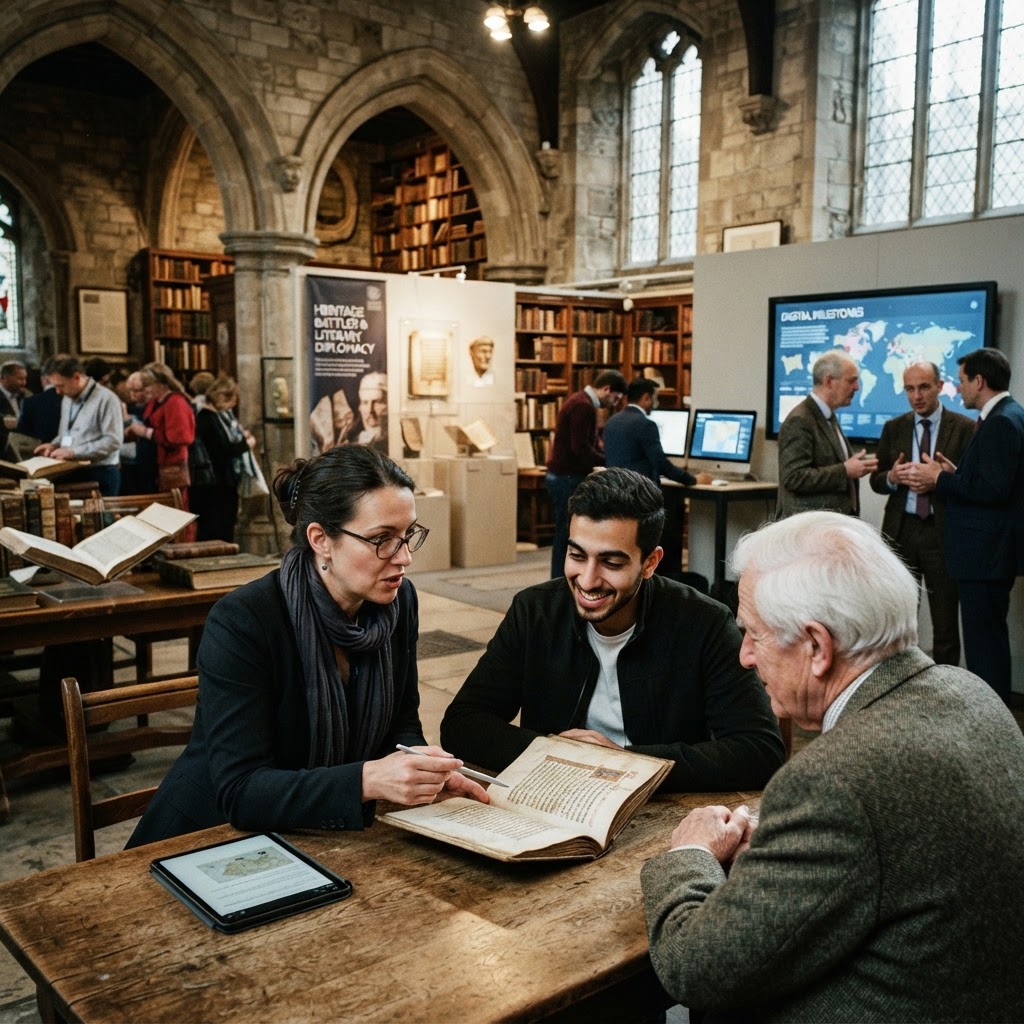
Crossroads of Culture: Heritage Battles, Literary Diplomacy, and Digital Milestones
Recent cultural developments highlight a global landscape navigating the friction between national heritage disputes, shifting publishing dynamics, and record-breaking digital arts consumption.
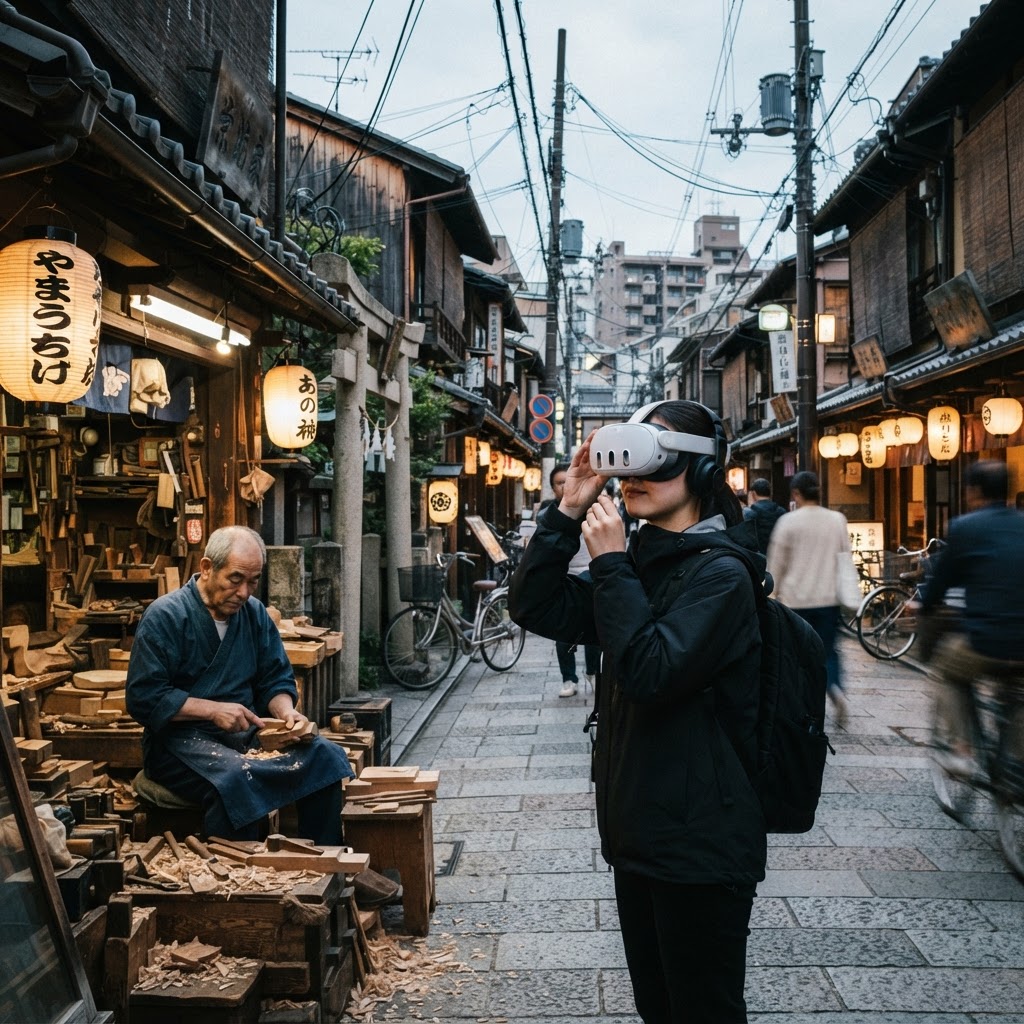
Between Heritage and Innovation: How Global Culture Is Navigating Modern Shocks
From digital streaming milestones and museum thefts to shifting youth vernaculars and disputes over artificial intelligence in art, the global cultural arena is grappling with dramatic transformations.
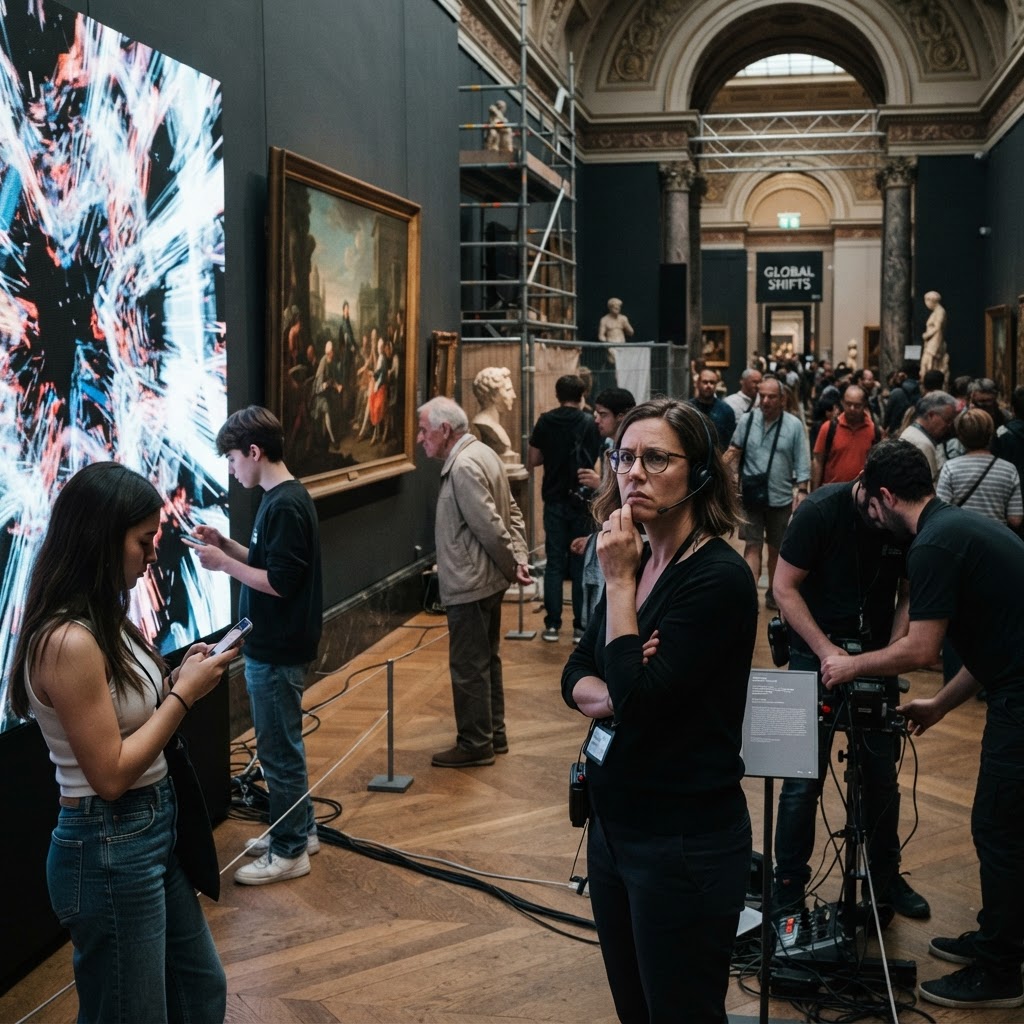
Culture at the Crossroads: Institutional Strain, Algorithmic Drift, and Global Shifts Redefine Global Arts
The international cultural sector is navigating profound transformations as institutional governance battles, artificial intelligence homogenization concerns, and new hubs of heritage diplomacy challenge established traditions.