Diplomatic Realignments and Shifting Frontlines: How Energy Deals and Economic Tailwinds Are Reshaping Global Geopolitics
Recent policy reversals in Washington and escalating security friction across Eastern Europe and the Middle East highlight an increasingly fragmented international order, even as technology investment propels global trade forecasts.
A Fracture in Transatlantic Alignment
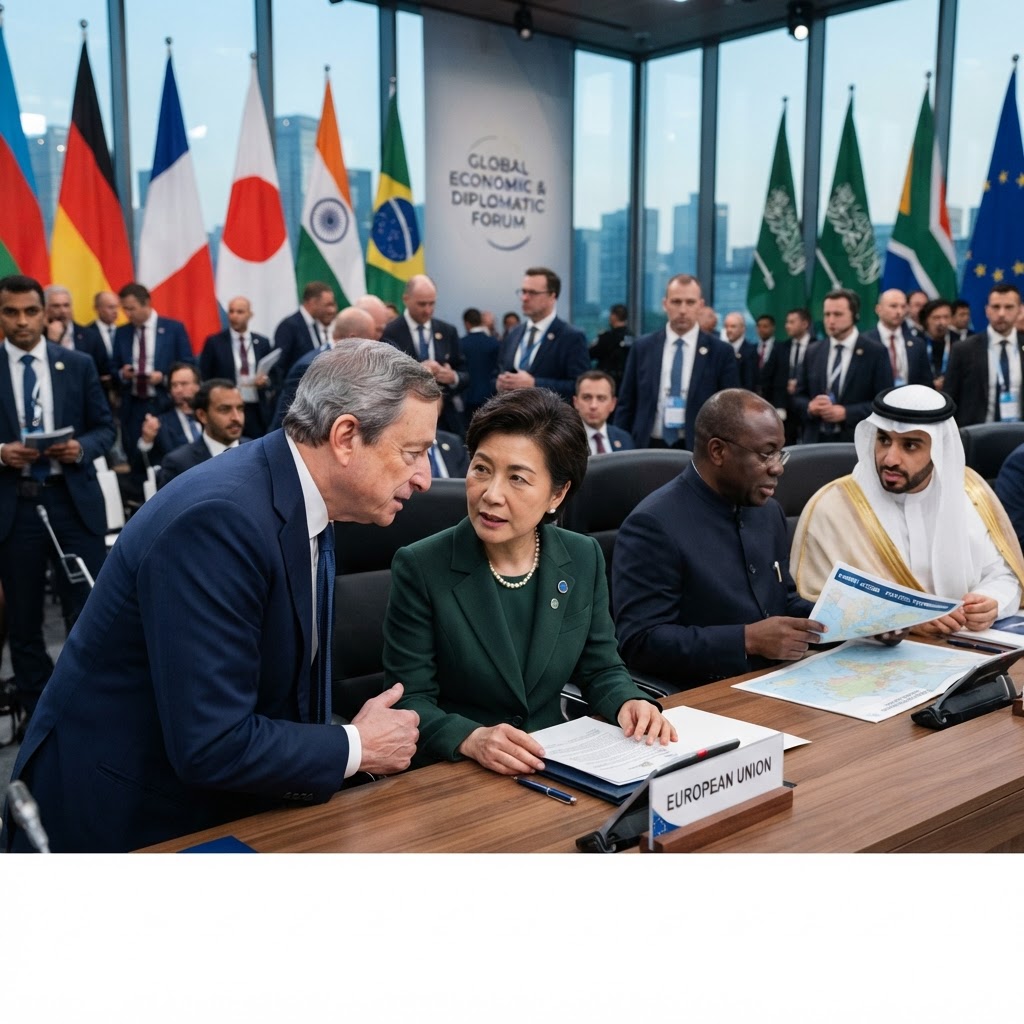
In international diplomacy, few dynamics have evolved as rapidly over recent days as the bilateral relationship between Washington and Kyiv. Recent decisions by the United States administration to waive several sanctions against the Russian Federation—linked in part to securing energy market stabilization through diesel supplies—have introduced sharp friction into Western cohesion. The move has triggered urgent diplomatic outreach across Europe, with Ukrainian leadership seeking strengthened bilateral backing from continental allies as concerns rise over the potential unraveling of long-standing sanctions regimes.
The controversy coincides with complex developments along the battlefield in Eastern Europe. Ukrainian units have continued targeted strikes against strategic infrastructure, relying heavily on satellite communications networks such as Starlink to sustain forward operations. Amid heightened scrutiny regarding communication infrastructure access and shifting American foreign policy priorities, traditional allied alignments face unprecedented stress tests. European leaders are increasingly caught between maintaining unified security commitments to Eastern Europe and confronting domestic inflationary pressures tied to persistent energy market volatility.
Renewed Escalations Across the Middle East
The geopolitical landscape across the Middle East remains similarly fraught with volatile security developments. Heightened aerial attacks launched by Houthi forces targeting infrastructure around Riyadh have re-energized fears over regional security frameworks in the Arabian Peninsula. Coupled with periodic strikes against energy transit corridors and international discussions surrounding broader military engagements in the region, the fragility of regional ceasefires has come back into sharp focus.
These confrontations carry immediate consequences far beyond the borders of individual states. The persistence of localized conflict has begun exerting measurable pressure on global aviation fuel costs and commercial maritime routes. The combination of targeted strikes and diplomatic impasses underscores the persistent challenge of establishing durable security architectures in strategically vital supply corridors.
Global Commerce and the Technological Pivot
In contrast to the geopolitical turbulence rattling diplomatic capitals, international trade bodies have offered an unexpectedly buoyant economic prognosis. In its updated forecasts, the World Trade Organization upgraded its projections for global merchandise trade growth to nearly four percent, outperforming earlier, more conservative estimations. The primary engine behind this unexpected expansion is not traditional industrial production, but a massive acceleration in cross-border investments centered on artificial intelligence and modernized, adaptable supply chains.
However, this economic recovery remains distinctly asymmetrical. While advanced technology manufacturing and goods shipments have surged, global trade in services has experienced notable downward revisions. International analytical organizations trace this slowdown directly to elevated logistical costs, particularly aviation fuel expenditures driven higher by sustained unrest in West Asia. The contrast illustrates a defining paradox of the current global economy: structural technological transformations are propelling trade forward, even as conventional energy and geopolitical bottlenecks constrain services and travel.
Internal Dissidence and Civil Strife
Parallel to intergovernmental tensions, national domestic politics across several continents are experiencing intense friction. In Europe, mass civic demonstrations have led to confrontations in major metropolitan centers, testing police readiness and highlighting deep socioeconomic grievances among the public. Meanwhile, in Latin America, political authorities are grappling with environmental and governance challenges ahead of pivotal electoral contests, ranging from significant reductions in deforestation rates to renewed judicial inquiries into state corruption.
In South Asia, shifting party politics and emerging grassroots movements continue to confront entrenched governing structures. Broad attempts to recalibrate electoral registries and restrict opposition demonstrations have spurred debates concerning the resilience of democratic institutions and civil rights. The synchronization of these internal pressures across varied regions indicates a broader trend: as macroeconomic realignments and technological changes alter national priorities, ordinary citizens and civic organizations are increasingly taking to the streets to challenge policy directions, demanding transparency and systemic reform.
Navigating an Era of Multipolar Uncertainty
The developments unfolding across the international arena demonstrate that the post-Cold War architecture of predictable multilateral cooperation is accelerating toward a multipolar, transactional model. Major powers are demonstrating an increasing willingness to adjust strategic commitments in pursuit of short-term economic stability, while regional coalitions attempt to forge autonomous diplomatic paths. With global trade heavily leveraged on frontier technologies and the global energy matrix continually disrupted by localized violence, international institutions will find their diplomatic toolkits severely tested in the months ahead.
Recommended for you
Similar to “World Affairs”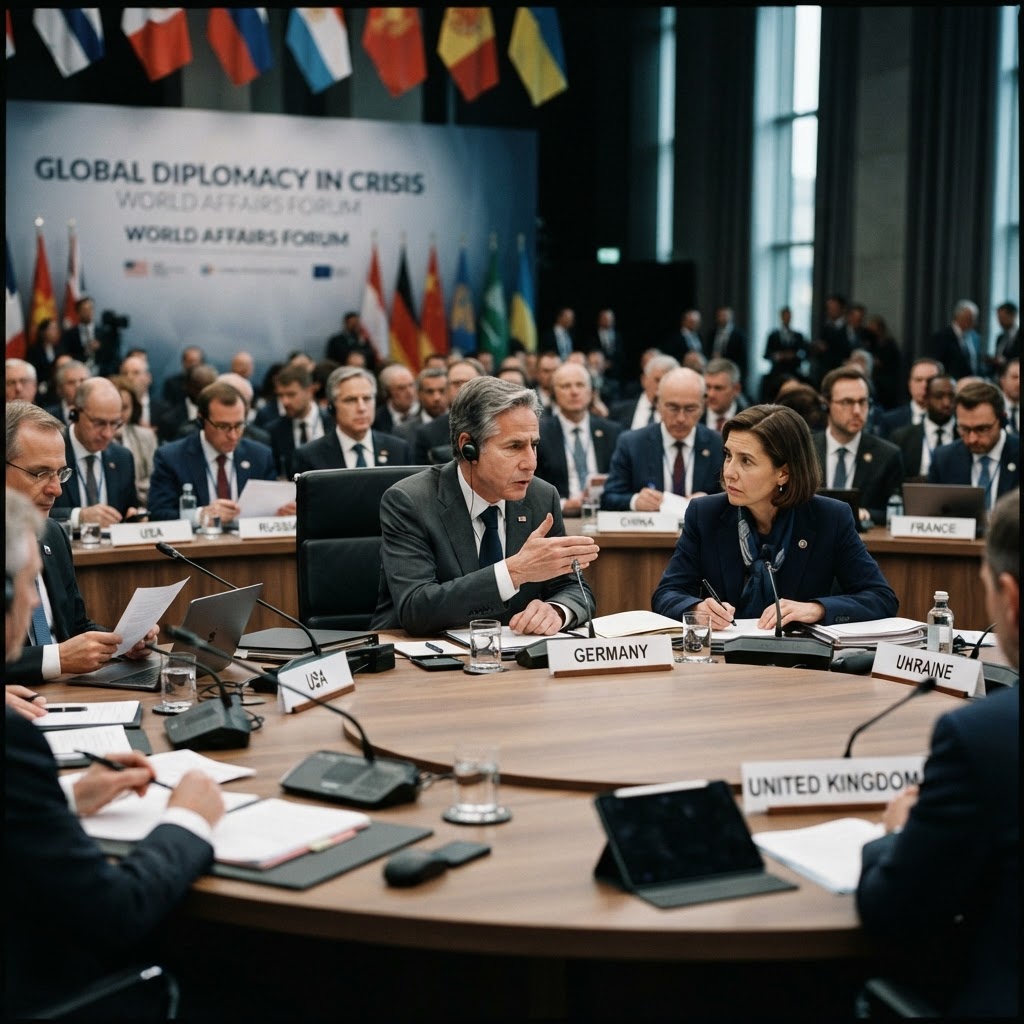
Global Diplomacy Strained as Energy Pacts, Weapon Shortages, and Political Fractures Reshape World Order
Recent diplomatic realignments, shifting energy agreements between major powers, and escalating regional tensions across Eastern Europe, the Middle East, and Asia are testing long-standing geopolitical alliances.
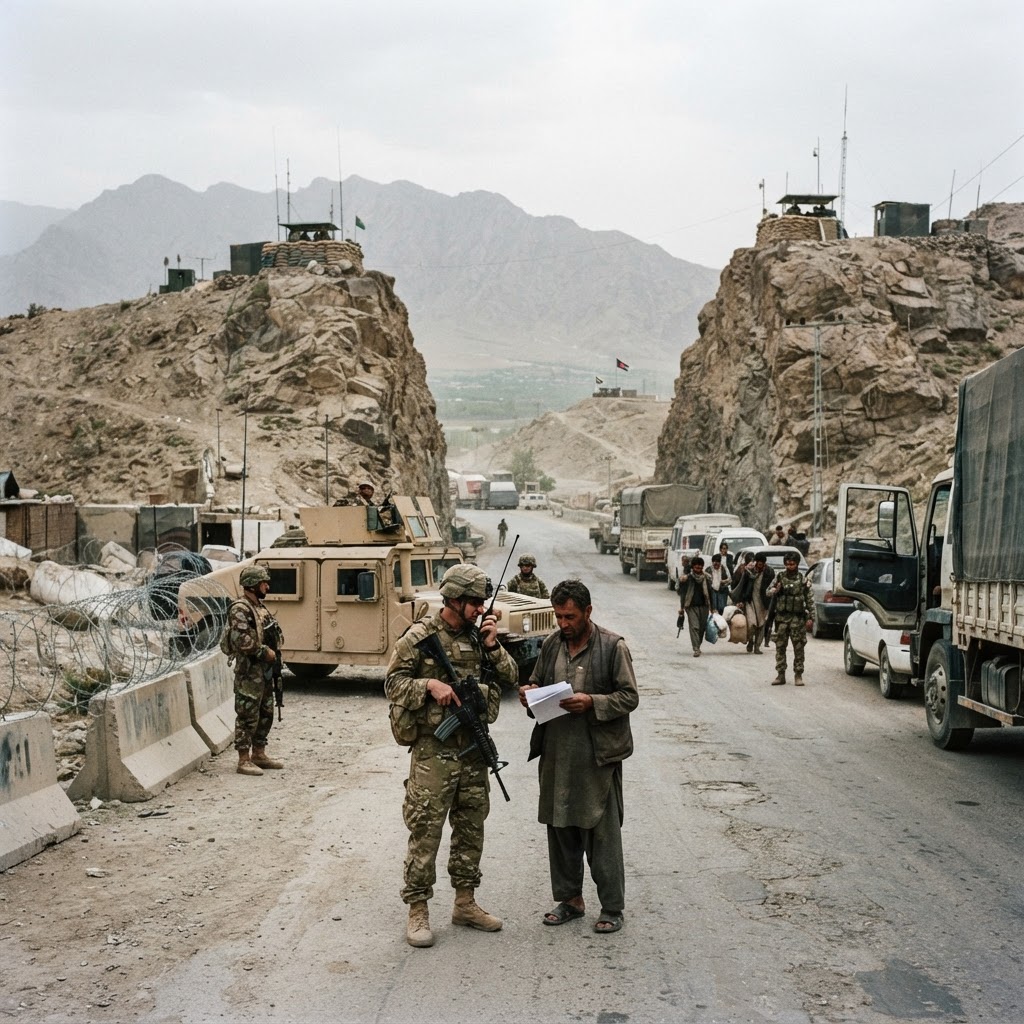
Strained Frontlines and Strategic Chokepoints: A Shifting Multipolar Order Faces New Security Tests
Escalating clashes near vital maritime passages in the Middle East and intensified strikes across Eastern Europe underscore the delicate balance of an increasingly fragmented global security landscape.
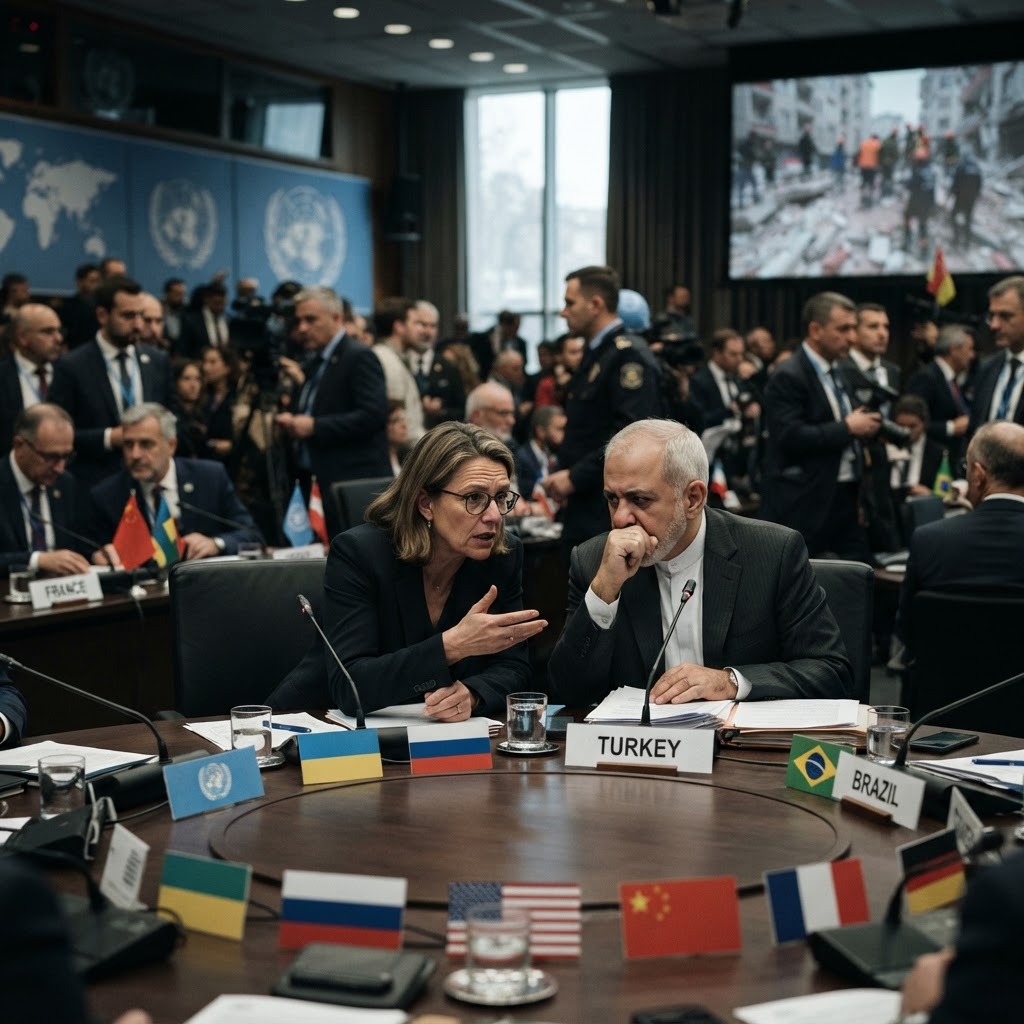
Fragile Frontlines: Global Diplomacy Strains Under Shifting Balances of Power and Humanitarian Shocks
From escalating military frictions across the Middle East to deep security anxieties in Europe and worsening crises across the Global South, the international order faces a turbulent test of diplomatic resilience.