Fragile Frontlines: Global Diplomacy Strains Under Shifting Balances of Power and Humanitarian Shocks
From escalating military frictions across the Middle East to deep security anxieties in Europe and worsening crises across the Global South, the international order faces a turbulent test of diplomatic resilience.
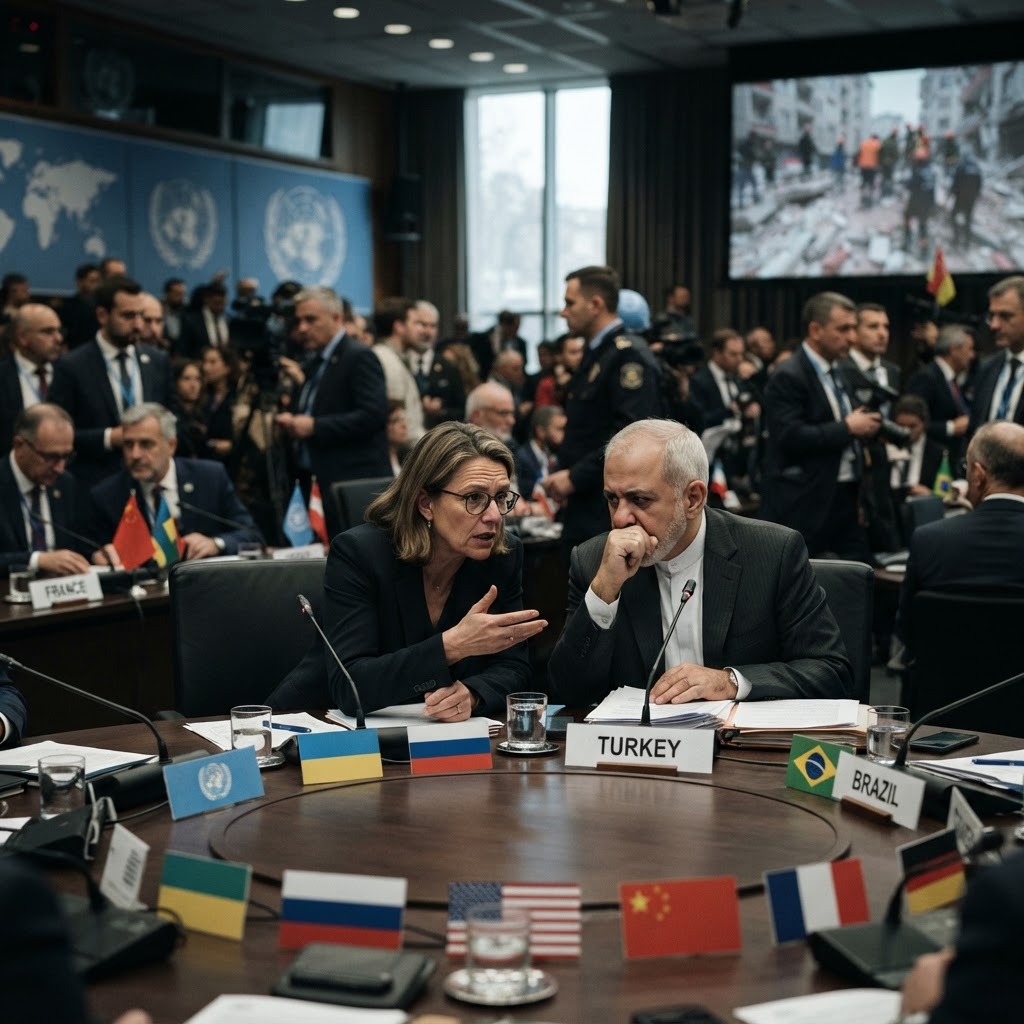
A Complex Web of Geopolitical Realignment
In recent days, the landscape of global affairs has grown increasingly volatile as regional confrontations, domestic political realignments, and mounting humanitarian emergencies test international institutions to their limits. Across key strategic theaters, world leaders are grappling with rapidly mutating security realities and the fragile limits of conventional diplomacy.
Heightened Tensions and Brinkmanship in the Middle East
The Middle East remains on edge following fresh military exchanges and heightened diplomatic friction between the United States and Iran, as reported by outlets covering the standoff such as News24 and Al Jazeera. Recent strikes targeting Iranian defense installations have sent shockwaves across regional capitals, even as mediators in Doha work tirelessly to keep lines of communication open. Qatari officials note that indirect dialogues remain technically alive, yet Iranian defense forces have issued fierce public warnings against foreign military posture shifts in the Persian Gulf. Coupled with growing concerns regarding vital commercial shipping lanes in the Strait of Hormuz, these security frictions threaten to disrupt global energy flows and drag neighboring regional powers into deeper strategic entanglements.
European Security Anxieties and the War in Ukraine
In Europe, security concerns have intensified amid debates over the future architecture of continental defense. Ukrainian President Volodymyr Zelenskyy delivered a pointed warning regarding proposed European security agreements, stressing that any diplomatic frameworks conceived without fully resolving the war and safeguarding territorial integrity present severe risks for European stability, according to NewKerala. This warning comes as leaders across the continent wrestle with long-term military assistance commitments, sustained infrastructure strikes in Ukraine, and renewed political realignments following the United States midterm elections. As reported by POLITICO, European policymakers are closely assessing how shifts in Washington will affect transatlantic security cooperation, defense procurement, and unified responses against authoritarian aggression.
Compounding Humanitarian Emergencies and Institutional Warnings
Beyond high-level statecraft, international organizations face historic operational strains in responding to compounding crises. In recent briefings, United Nations officials and agencies highlighted acute humanitarian emergencies spanning several continents, as detailed by UN News. In Sudan, millions of internally displaced persons face dire shortfalls in emergency assistance, critical nourishment, and clean water amidst ongoing armed conflict. Concurrently, deadly attacks in the Democratic Republic of the Congo’s eastern provinces have claimed dozens of civilian lives, renewing scrutiny over civilian protection mechanisms. The UN Secretary-General has sharply decried what he described as an alarming 'normalization of force' in resolving cross-border disputes, pointing to systemic erosion of international law and multilateral treaties.
Climate Resilience and Cross-Regional Pressures
Compounding these political and humanitarian stressors are ongoing climate vulnerability debates ahead of global environmental summits, covered widely by Global Issues. Developing nations and vulnerable island communities are demanding that major industrialized economies back rhetoric with tangible financial equity, noting that climate-induced displacements and geohazards now intersect directly with local conflicts and resource security. Whether addressing maritime choke points, fragile peace architectures, or vulnerable populations bearing the brunt of regional conflicts, global leaders are confronting an urgent mandate: without cohesive, multilateral governance, the risk of systemic fracture will only intensify.
Recommended for you
Similar to “World Affairs”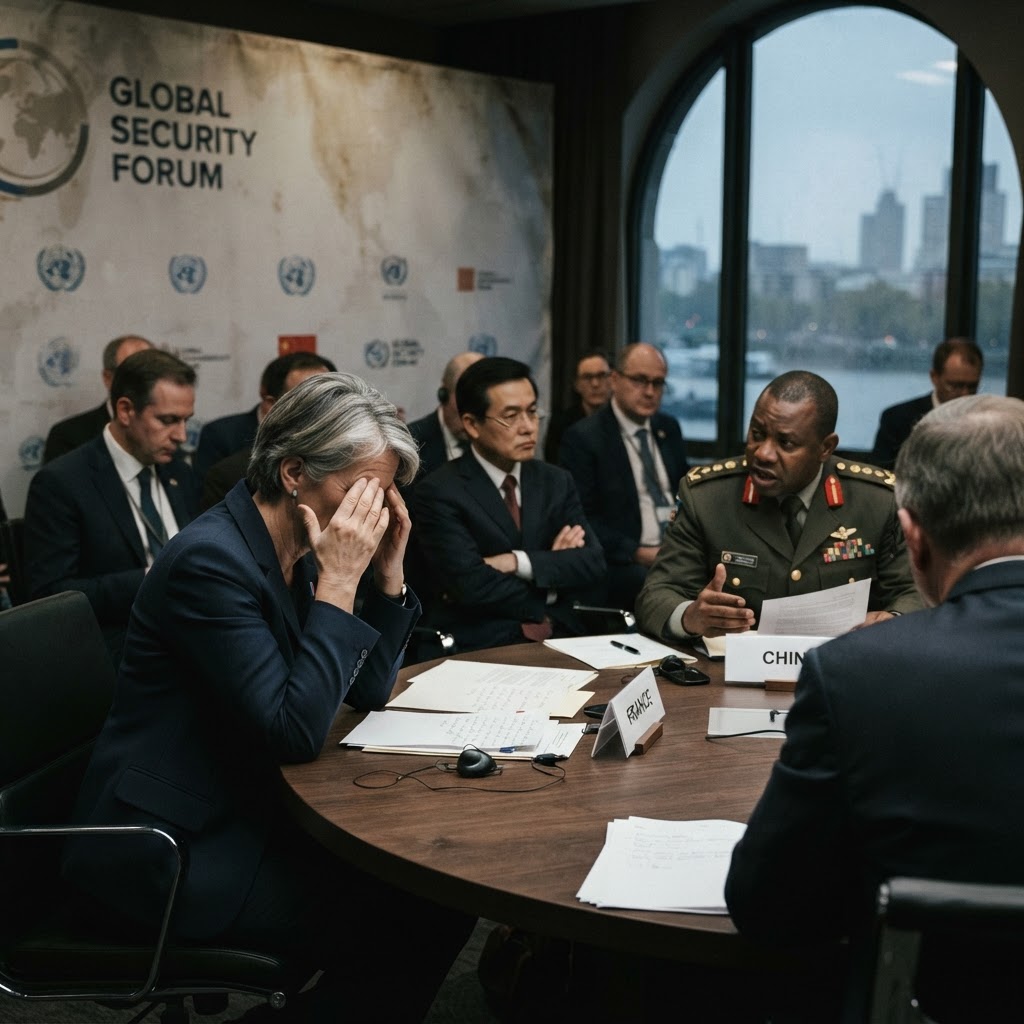
Fractured Frontlines and Strained Diplomacy: The Shifting Architecture of Global Security
Escalating regional clashes in Eastern Europe and the Middle East, coupled with mounting climate shocks, are testing the resilience of international diplomatic frameworks and humanitarian capacity.
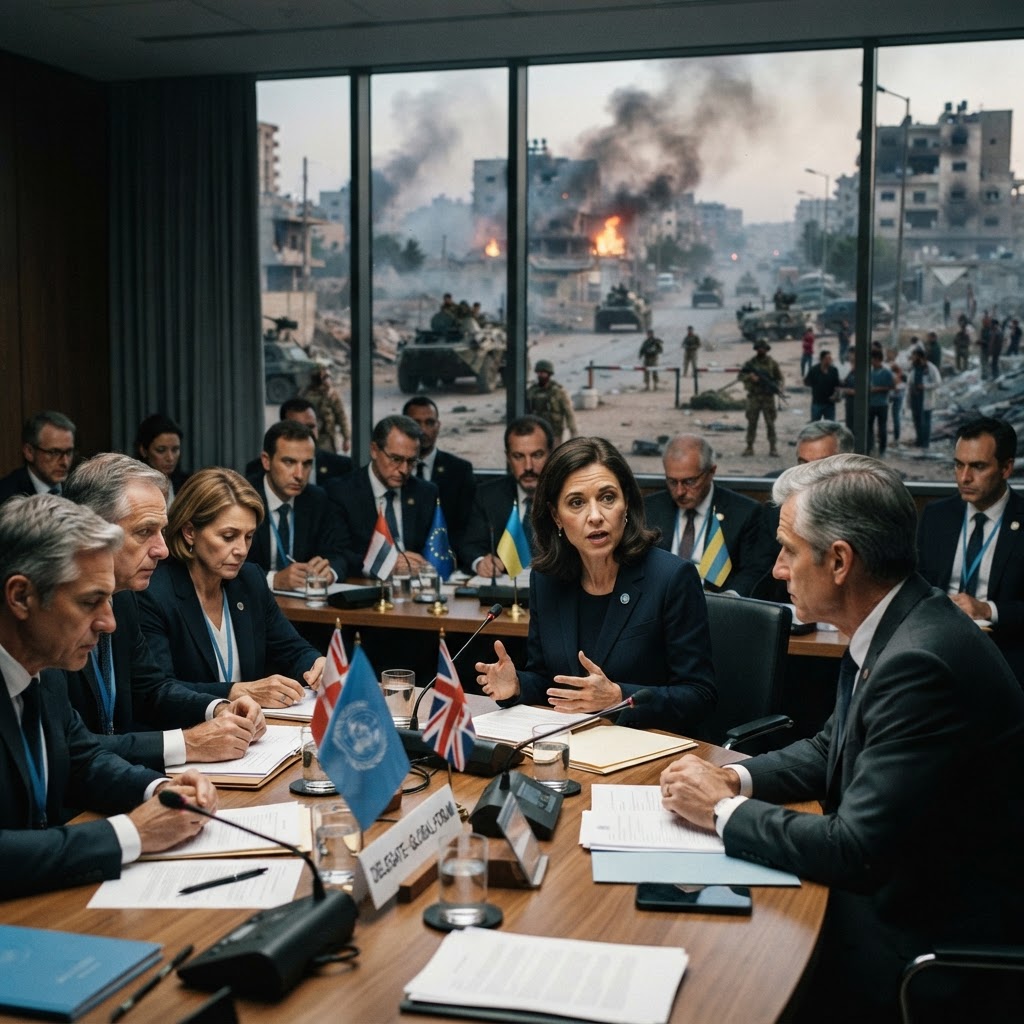
Fragile Diplomacy and Escalating Fronts: Global Tensions Test International Order
High-stakes diplomatic negotiations in the Middle East and Eastern Europe face mounting strain as battlefield strikes, political shakeups, and maritime friction disrupt peace efforts across multiple continents.
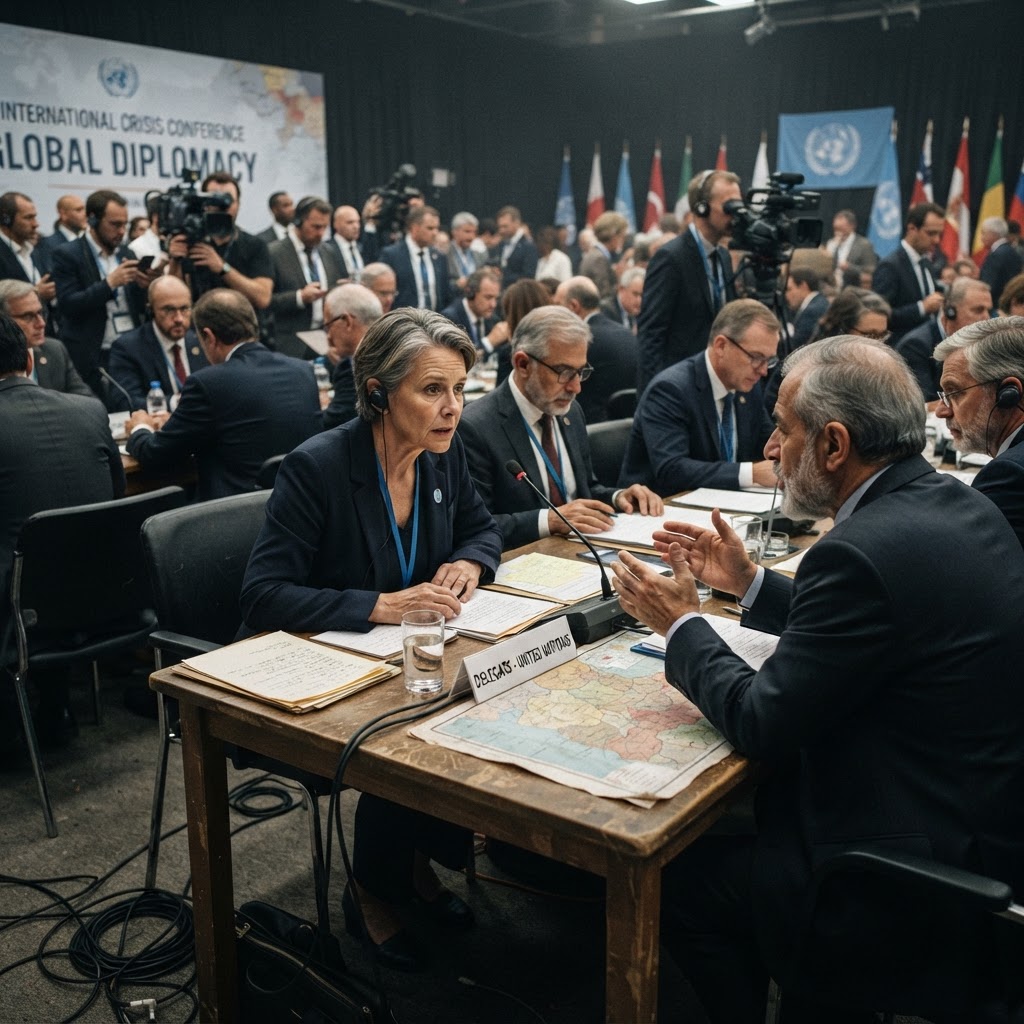
Fragile Frontlines: Global Diplomacy Strains Under Multiplying Crises
As multilateral institutions mark milestones amid mounting regional conflicts and atomic uncertainties, shifting alliances test the resilience of the international order.