Fragile Peace Diplomacy in Eastern Europe Collides with Rising Escalation in the Gulf
While high-stakes diplomatic negotiations over the war in Ukraine face deadlock over territorial sovereignty, escalating maritime clashes and strategic strikes across the Persian Gulf threaten to spark a broader regional conflict.
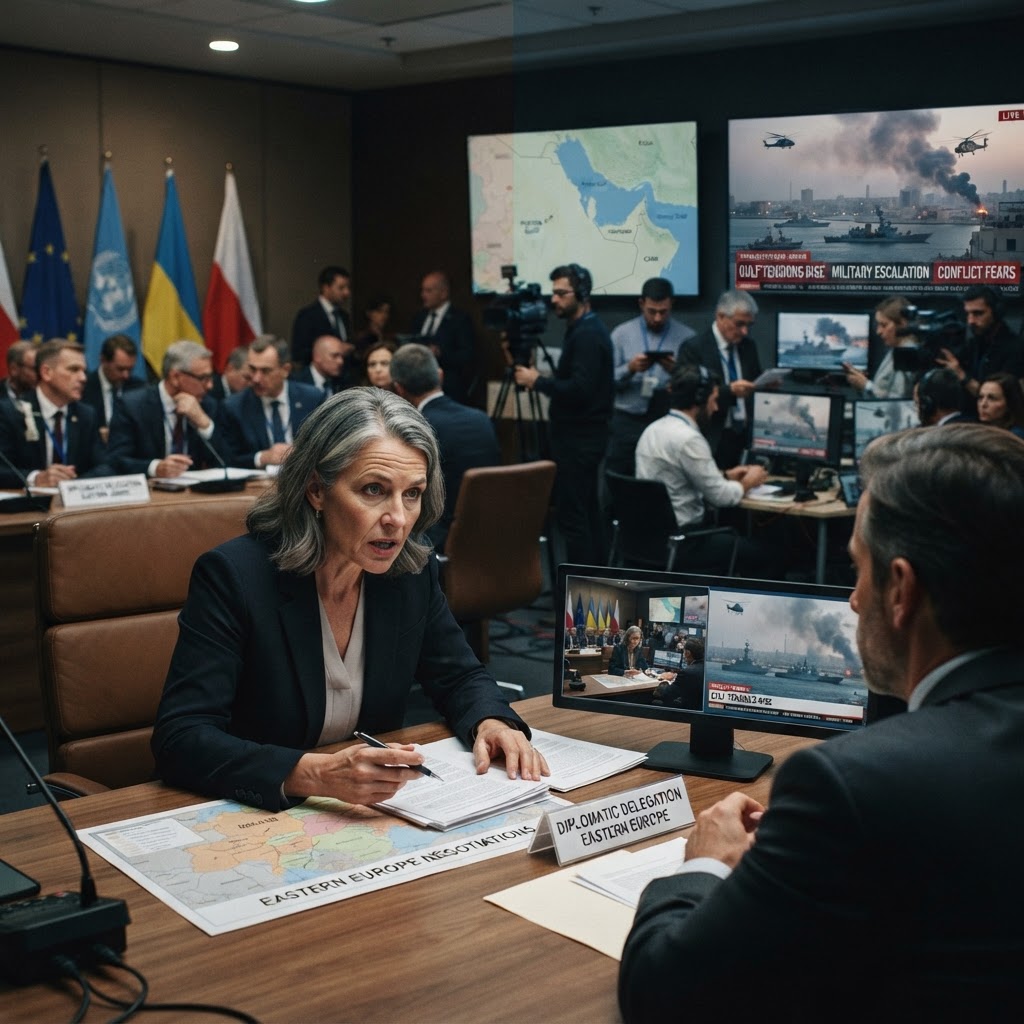
Stalled Diplomatic Overtures in Abu Dhabi and Moscow
In one of the most concentrated diplomatic drives in recent months, negotiators representing the United States, Ukraine, and the Russian Federation concluded multi-day discussions in Abu Dhabi before key envoys transitioned to Moscow for high-level consultations. The talks, mediated by American representatives including Jared Kushner and Steve Witkoff, sought to explore potential frameworks for ending the protracted conflict in Eastern Europe. While discussions yielded limited humanitarian progress—most notably an agreement on an extensive bilateral prisoner exchange—fundamental structural obstacles continue to prevent any immediate cessation of hostilities.
The principal divide remains the sequence and core terms of any enduring settlement. Moscow has maintained an unyielding stance, demanding Ukrainian territorial concessions across the Donbas while insisting that broader European security guarantees be resolved prior to finalizing bilateral agreements with Kyiv. In contrast, Ukrainian officials, supported by European partners, argue that a verifiable peace agreement and respect for sovereign territory must precede continent-wide security revisions. As American envoys signaled intentions to formally integrate European representatives into prospective future rounds, skepticism remains pronounced among European capitals, where diplomats have warned that tactical posturing should not be confused with genuine de-escalation.
Energy Infrastructure Strikes Complicate Negotiations
Compounding the diplomatic impasse, military operations have continued unabated, directly targeting the economic lifelines that sustain both war efforts. Over recent days, an intensified wave of targeted Ukrainian drone attacks struck vital Russian oil facilities, heavily impacting major refining plants across the country. Independent trade estimates indicate that the campaign has temporarily curtailed significant portions of Russia's processing capacity, placing severe logistical strains on refined fuel distribution.
These strategic disruptions underscore the increasingly attritional character of the war. Rather than functioning as a lull, the period surrounding the Abu Dhabi meetings witnessed heightened battlefield pressures as both sides seek leverage at the bargaining table. The targeting of high-value energy nodes reflects a calculated effort to force structural economic concessions, even as negotiators debate the constitutional and geographical parameters of potential buffer zones.
The Persian Gulf Approaches a Dangerous Threshold
Parallel to the tensions in Eastern Europe, security conditions across the Middle East have deteriorated sharply amid an expanding confrontation centered around Iran and regional maritime corridors. Over the past week, multiple commercial oil tankers traversing the strategic Strait of Hormuz reported explosions and drone strikes, generating extensive environmental concerns and unsettling international shipping markets. Simultaneously, maritime incidents were matched by direct military claims, with Iran's Islamic Revolutionary Guard Corps announcing strikes on a regional American early-warning radar post following earlier precision strikes against telecommunications infrastructure in southern Iran.
Regional security dynamics are rapidly reconfiguring in response to the escalating threats. Member states of the Gulf Cooperation Council have moved to bolster shared defense coordination, advancing initiatives to establish forward command centers to streamline crisis response. At the same time, shifting domestic politics within Israel have added new complexities to potential operations, with coalition leaders debating the timing and scope of potential retaliatory military action. In Washington, the administration has paired hawkish rhetoric with targeted economic sanctions, declaring a hardline posture that discounts traditional treaty frameworks in favor of sustained financial coercion and deterrence.
A Fractured Geopolitical Landscape
These simultaneous flashpoints in the Persian Gulf and Eastern Europe highlight a global order grappling with deeply interrelated security crises. Diplomatic channels remain active yet heavily constrained by irreconcilable strategic objectives and ongoing military offensives. As global assemblies address long-term systemic challenges, including the international climate summit underway in Turkey, the immediate attention of major world powers remains locked on preventing regional volatility from spiraling into open-ended, systemic conflict.
Recommended for you
Similar to “World Affairs”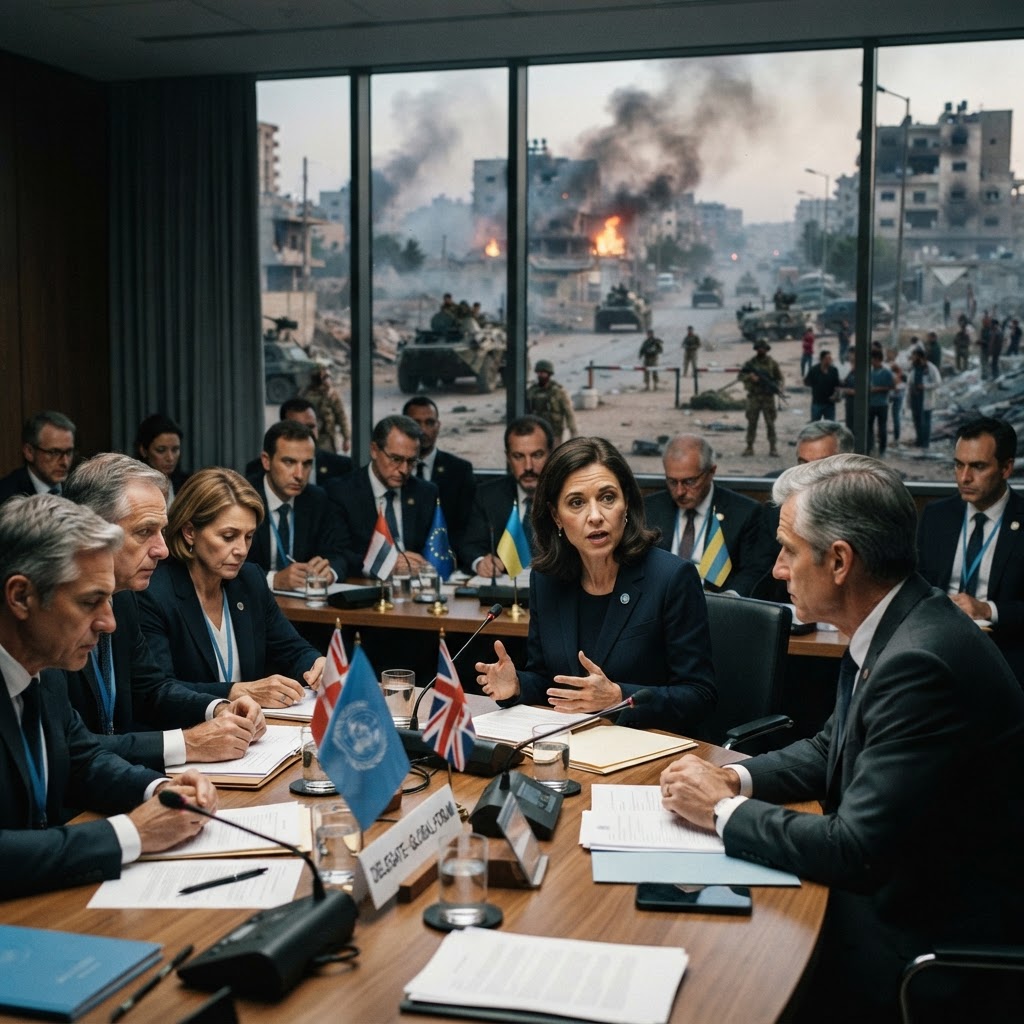
Fragile Diplomacy and Escalating Fronts: Global Tensions Test International Order
High-stakes diplomatic negotiations in the Middle East and Eastern Europe face mounting strain as battlefield strikes, political shakeups, and maritime friction disrupt peace efforts across multiple continents.
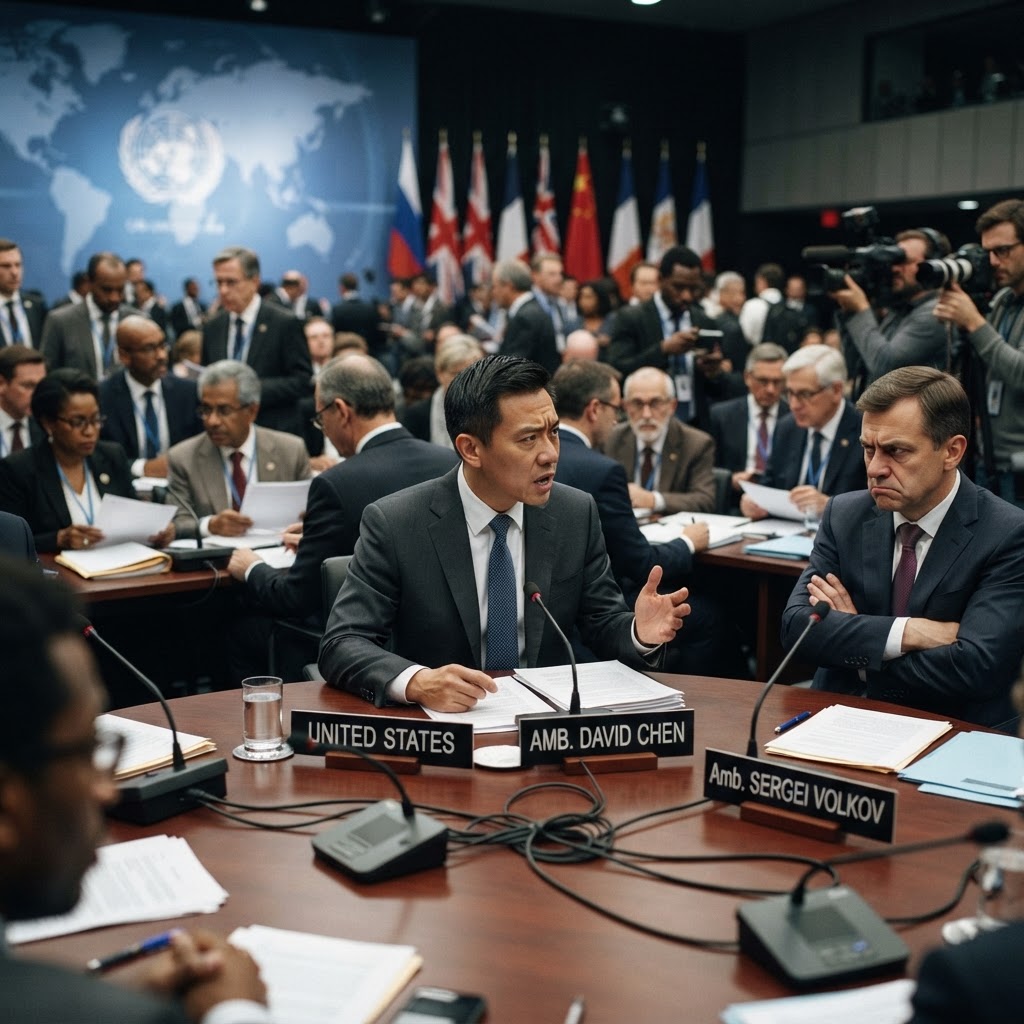
Diplomatic Deadlocks and Rising Brinkmanship: Global Flashpoints Converge on the World Stage
Escalating maritime and military skirmishes across the Persian Gulf, high-stakes arms control diplomacy in Asia, and contentious multilateral negotiations over autonomous weapons highlight a turbulent week in international relations.
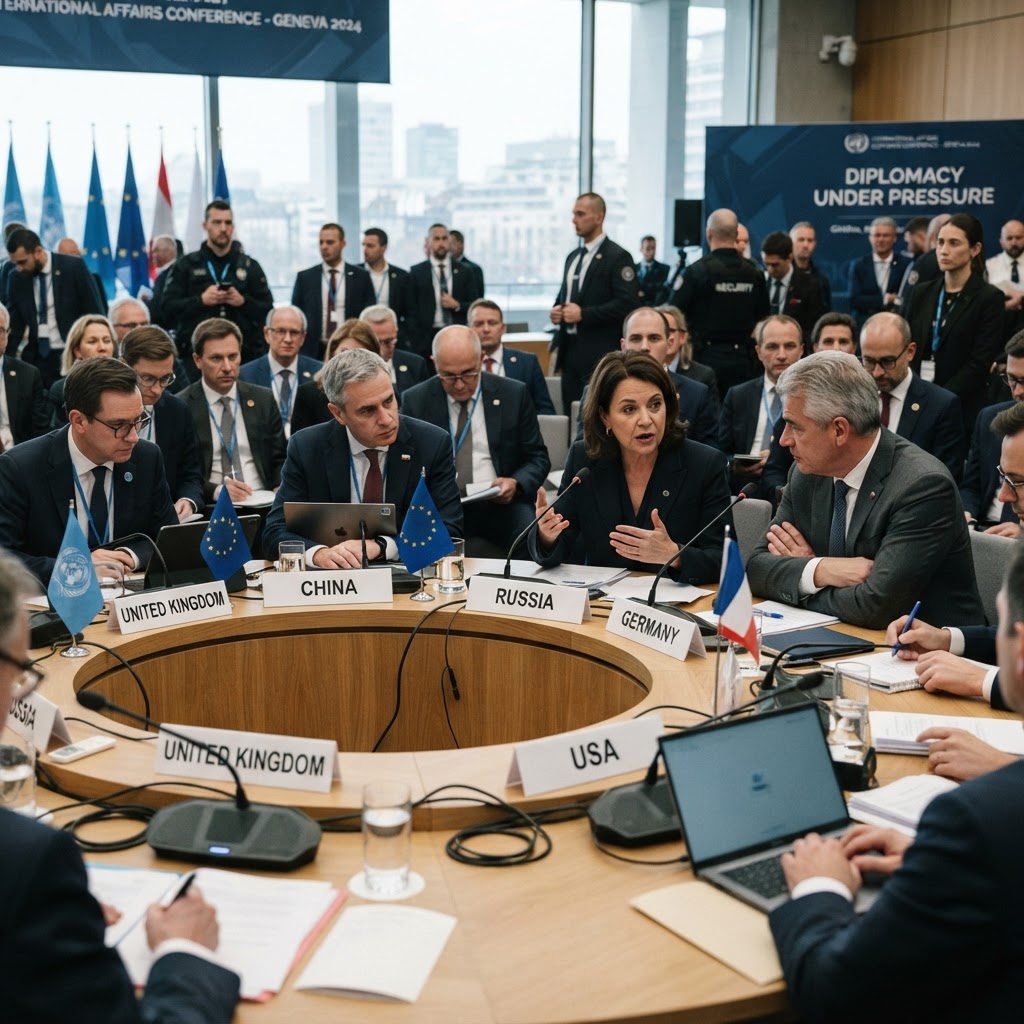
Fragile Fronts and Shifting Treaties: World Affairs Under Pressure Across Energy, Conflict, and Diplomacy
Escalating aerial assaults in Eastern Europe, volatile confrontations in the Persian Gulf, and high-stakes multilateral talks in Geneva and Antalya highlight a deepening strain across global geopolitical institutions.