A World Under Compounding Pressures: Global Climate Summit Opens Amid Mounting Ecological and Meteorological Crises
As negotiators assemble at COP31 under warnings from the United Nations regarding sluggish adaptation and fossil fuel expansion, newly released research reveals how climate change is creating dangerous compound feedback loops in global weather systems.
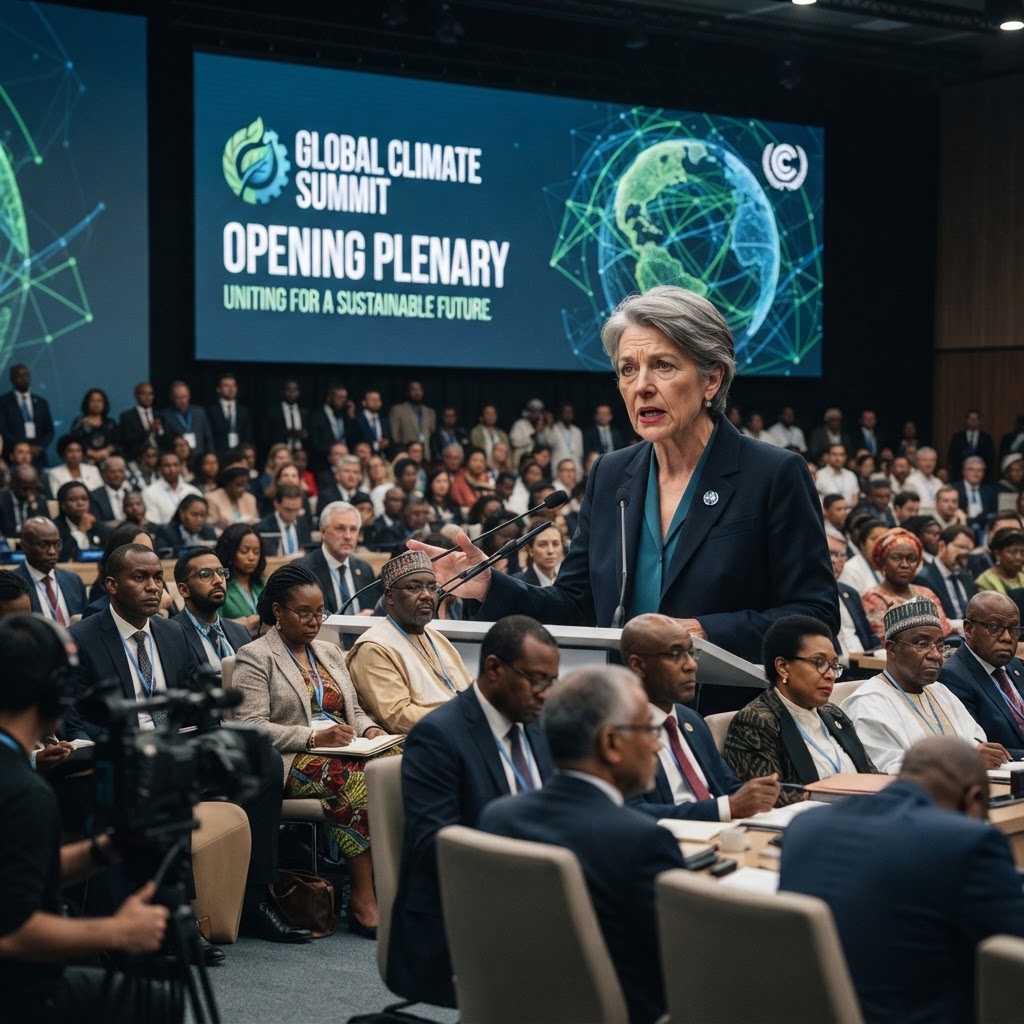
Turbulent Negotiations Begin in Antalya
International climate negotiations have reached another decisive juncture as delegates and negotiators gathered for the opening sessions of the COP31 climate conference in Antalya, Türkiye. Convening under an increasingly fractured geopolitical landscape, diplomats face an urgent agenda dominated by the realities of a rapidly warming world, intractable disputes over fossil fuel phase-outs, and a growing financial chasm separating vulnerable states from necessary adaptation resources.
Opening the summit, United Nations Secretary-General António Guterres directed unsparing criticism at persistent reliance on hydrocarbons, cautioning world leaders that entrenched fossil fuel industries continue to prioritize short-term profit over the stability of Earth's life-support systems, as reported by The New York Times. Alongside warnings from United Nations climate officials regarding fossil fuel price volatility inflaming global inflation, discussions at the talks immediately centered on the glaring deficit in climate finance. Developing countries, particularly across Africa and low-lying island states, are pressing wealthy nations for binding funding mechanisms as the cost of confronting climate destruction rapidly outstrips domestic capacities.
The Growing Adaptation Deficit
The imperative for financial mobilization was underscored by findings highlighted by the United Nations Environment Programme, documented by the UNEP. Current emissions pathways indicate the globe is heading for warming well beyond the 1.5°C ceiling envisioned by the Paris Agreement, pushing planetary systems toward significant overshoot scenarios. More critically, the UNEP Adaptation Gap evaluations reveal that developing economies will require up to $420 billion annually by 2035 to protect communities against intensifying climate risks, yet existing public finance pipelines deliver only a fraction of those resources, as reported by the Mail & Guardian.
While international conferences continue to deliver piecemeal commitments—such as architectural standards designed to curb building sector emissions and newly coordinated measures targeting fugitive methane—the broad implementation of climate defense measures remains perilously slow. Observers point out that while mitigation efforts have prevented some of the worst-case runaway scenarios of past decades, institutional barriers and insufficient resource transfers leave billions of people vulnerable to escalating extremes.
The Compound Physics of Extreme Weather
Compounding the diplomatic tensions is a steady stream of scientific studies demonstrating that ecological impacts are accelerating through complex, self-reinforcing mechanisms. Recent findings from climate scientists have illuminated how human-induced warming alters physical processes far beyond simple temperature rises.
Research published in Science Advances led by institutes including the Potsdam Institute for Climate Impact Research (PIK) revealed that atmospheric heating triggers severe feedback loops between soil moisture, air pressure, and ambient surface temperatures, according to the Potsdam Institute for Climate Impact Research. Under prolonged periods of severe warmth, desiccated soils lose the ability to cool surrounding environments via evaporation. This process supercharges high-pressure atmospheric domes, effectively intensifying extreme heatwaves by roughly 10 percent above baseline expectations and generating dangerous 'mega-heatwave' events.
Parallel hydrological modeling has revealed an equally alarming trend regarding floods. An analysis evaluating extreme European precipitation events in Science Advances found that human-induced climate change amplifies river flooding far more than it amplifies raw rainfall volume, detailed by Phys.org. Because warmer atmospheres drive altered precipitation patterns that saturate catchment basins prematurely, river discharge surges non-linearly. The study noted that while climate change elevated rainfall by single digits during major storm systems, resulting peak flood levels were amplified by as much as 14 to 22 percent due to saturated terrain.
Regional Flashpoints and Ecological Strains
Across the globe, the consequences of these compounded stresses are playing out in real time. In the Southern Hemisphere, parts of South Africa have experienced unprecedented late-spring temperature spikes, with attribution studies indicating that anthropogenic warming has made such heat anomalies up to five times more likely, as reported by the Mail & Guardian. Concurrently, southern African urban hubs such as Cape Town are preparing for compounding threats of drought, brushfires, and water strain fueled by emerging El Niño conditions.
Meanwhile, across northern India and eastern Pakistan, seasonal transitions have once again brought catastrophic levels of urban air pollution. Meteorological inversions combined with agricultural residue burning and industrial exhaust have repeatedly engulfed urban centers including Lahore and New Delhi under blankets of toxic smog, prompting emergency measures, school shutdowns, and sharp judicial reviews regarding groundwater contamination and urban vehicle controls, according to Perspecta News.
In the oceanic and polar spheres, automated marine technologies, such as autonomous Saildrone vessels navigating the Southern Ocean, are being deployed to monitor how oceanic carbon sinks behave amid violent Antarctic storms, as covered by the Mail & Guardian. Yet natural barriers are eroding rapidly elsewhere; in central Europe, glaciologists confirmed the complete disappearance of remnant glaciers in regions such as the Allgäu Alps, underscoring the irreversible shifts taking place across temperate mountain ranges.
Energy Realities and the Geopolitical Crossroads
The environmental landscape remains fundamentally entangled with economic systems. While clean energy technologies continue to expand, legacy fossil fuel projects still spark fierce local and national resistance. In Australia, environmental advocates have launched coordinated campaigns against expanded offshore gas exploitation near fragile marine environments, including Scott Reef, citing severe risks to migrating whale habitats and calling out corporate carbon accounting practices, as documented by the Conservation Council of WA.
Simultaneously, comprehensive macroeconomic assessments from institutions like PIK suggest that the long-term economic risks of fossil fuel phase-outs are concentrated in a relatively small share of global GDP, while the expansion of decentralized solar and renewable infrastructure offers significant strategic dividends to developing regions. Yet, translating these economic incentives into binding international policy remains the primary obstacle at COP31. As climate-induced physical feedbacks intensify and adaptation deficits widen, the window for bridging the gap between planetary science and intergovernmental action continues to narrow.
Recommended for you
Similar to “Environment”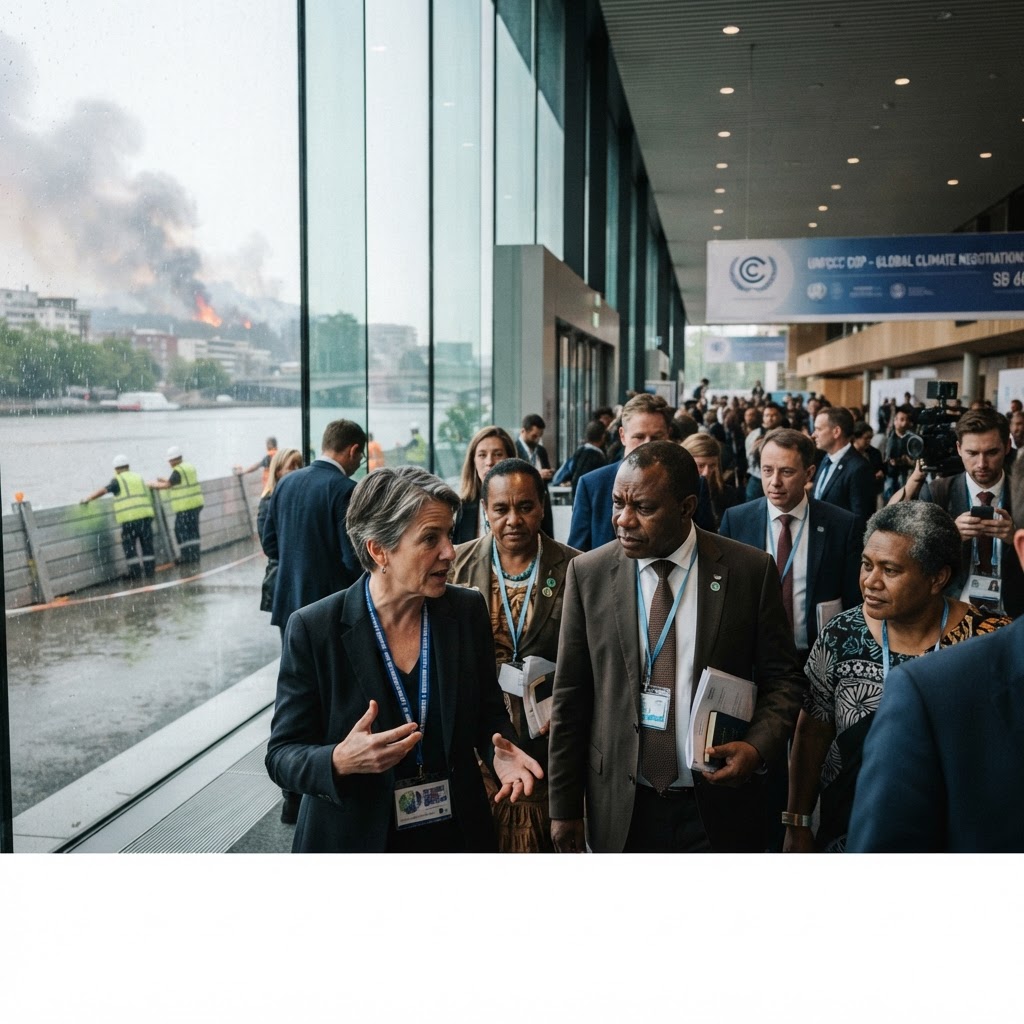
Compounding Cascades: Global Climate Negotiations Reopen Amid Escalating Ecological Crises
As negotiators assemble for the COP31 climate summit amidst contentious funding debates, groundbreaking science highlights how soil-atmosphere feedbacks and compound extremes are multiplying the costs of climate delay.
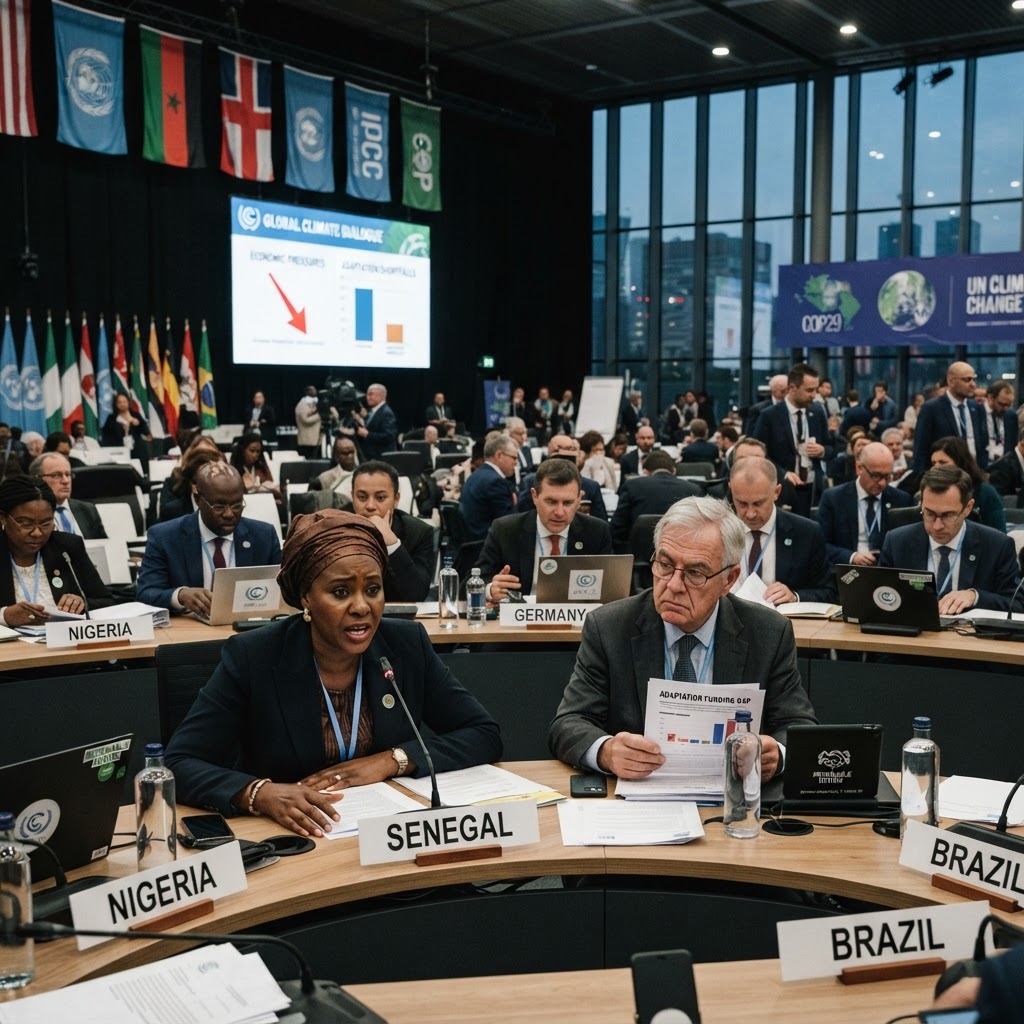
Global Climate Diplomacy Confronts Economic Pressures, Adaptation Shortfalls, and Technological Dilemmas
As negotiators assemble in Antalya for COP31 amidst warnings that global warming will overshoot vital thresholds, international environmental policy faces severe tests ranging from national vehicle policy rollbacks to the ecological burdens of the artificial intelligence boom.
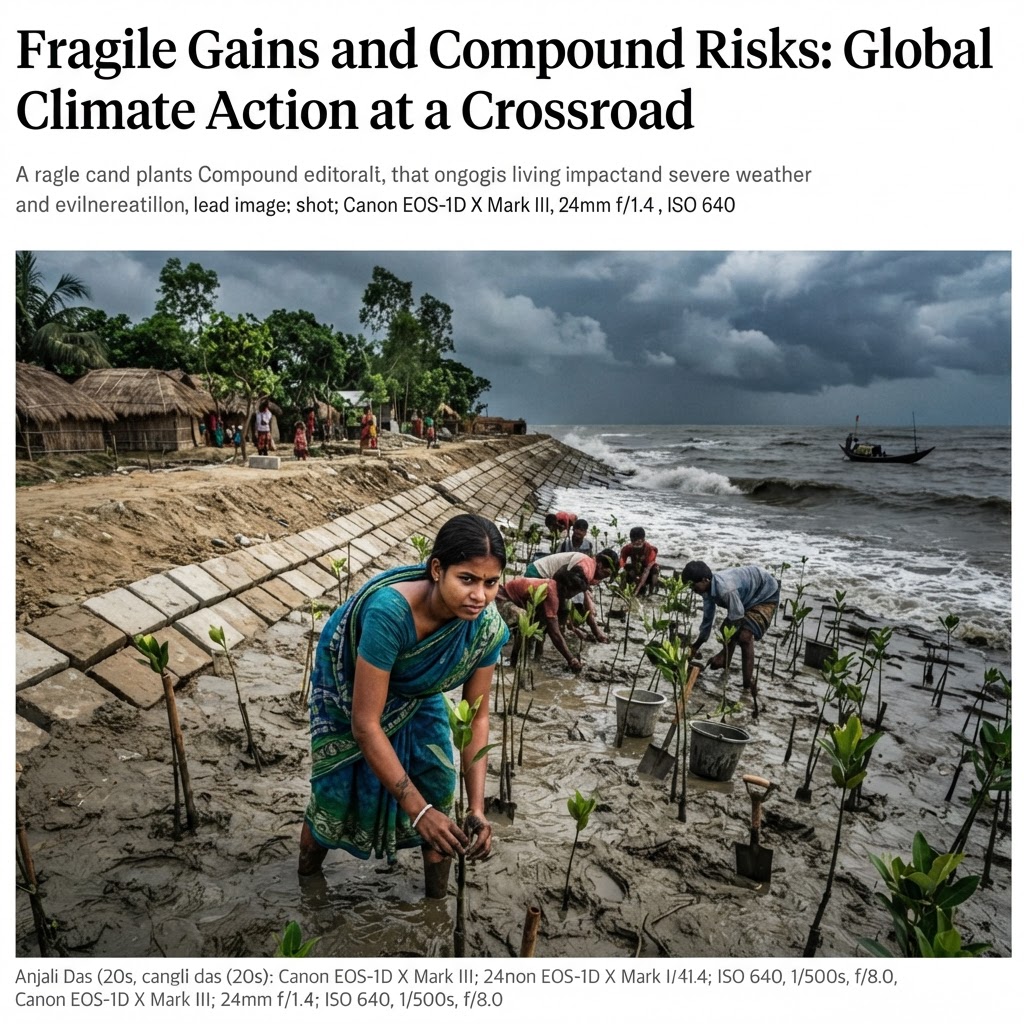
Fragile Gains and Compound Risks: Global Climate Action at a Crossroad
Recent data reveals an unexpected slight dip in fossil fuel emissions, yet escalating extreme weather disasters, adaptation funding deficits, and surging industry influence underscore a precarious moment for global climate diplomacy.