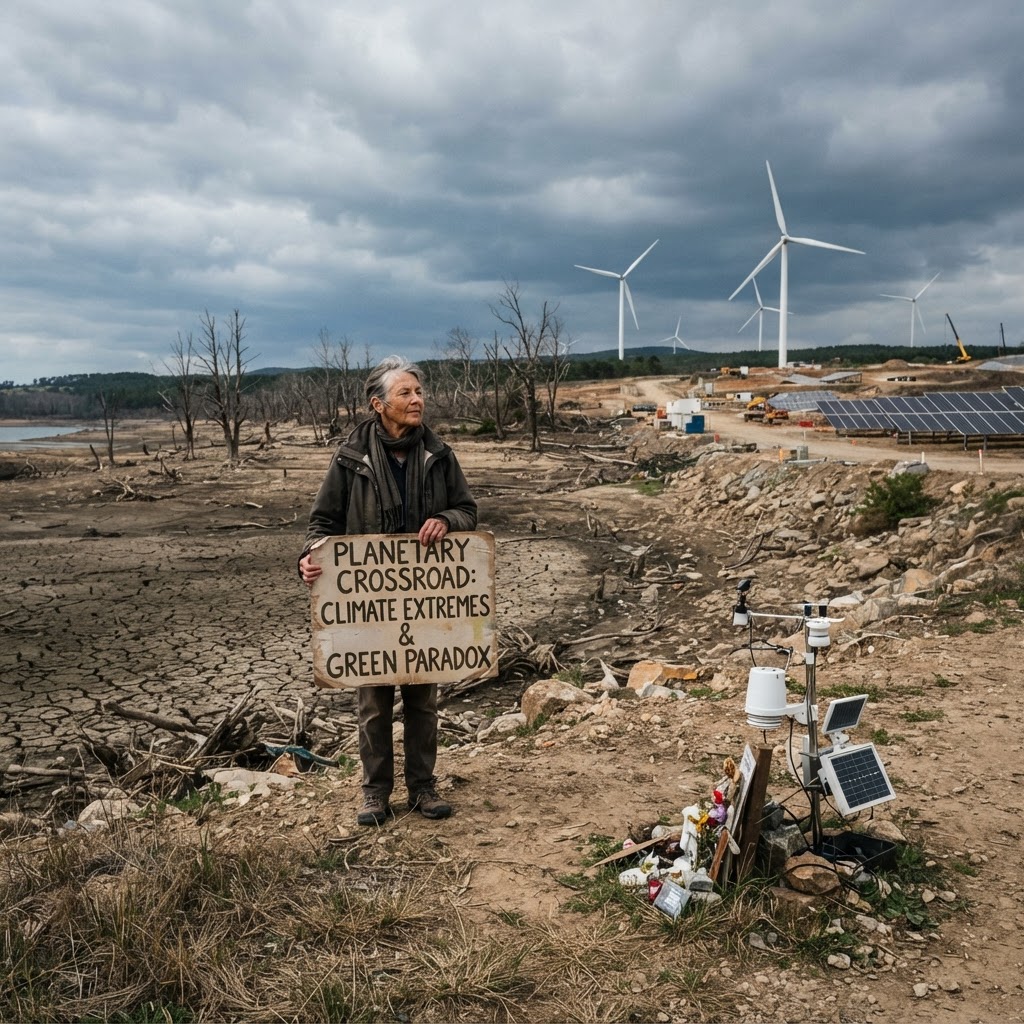
A Planetary Crossroad: Escalating Climate Extremes and the Paradox of Green Technology
As high-stakes climate negotiations unfold at COP31, new scientific assessments reveal intensifying climate feedback loops, while environmental leaders confront the twin challenges of trade barriers and the soaring resource appetite of green technologies.
The Escalating Reality of Global Warming
International environmental policy and atmospheric science have converged around a sobering milestone as leaders gather for the COP31 climate summit in Turkey. According to recent scientific assessments from the United Nations Environment Programme (UNEP) and research bodies such as the Potsdam Institute for Climate Impact Research, current national policy trajectories place the Earth on course for roughly 2.6 to 2.8 degrees Celsius of warming by century's end. With the global average temperature already resting roughly 1.4 degrees Celsius above pre-industrial baselines, crossing the 1.5-degree threshold is widely evaluated as unavoidable in the near term, sparking serious debates over potential temperature overshoot scenarios.
Addressing delegates at COP31, United Nations Secretary-General António Guterres delivered a stern warning on the continued proliferation of fossil fuel infrastructure, emphasizing that expanding emissions continue to devastate global ecosystems even as international attendance at high-level summits shows signs of strain. The warnings coincide with fresh empirical studies highlighting how rapidly human-induced warming is altering regional microclimates and weather dynamics across the globe.
Emerging Science on Weather Amplification and Cascading Risks
Beyond abstract temperature increments, scientists are mapping how warming fundamentally warps physical Earth systems. Research led by the Potsdam Institute for Climate Impact Research and the International Institute for Applied Systems Analysis recently identified a self-reinforcing atmospheric cycle that supercharges extreme heatwaves. The study found that higher temperatures interact with declining soil moisture and localized atmospheric pressure domes to make mega-heat events up to 10 percent hotter than traditional models predicted.
A companion phenomenon was documented in studies examining Central European flooding events, where hydrological research demonstrated that anthropogenic warming amplifies runoff peaks far more severely than it increases sheer precipitation. Because soils become saturated earlier in major storm cycles, subsequent deluges flow straight into river catchments, magnifying flood crests and exposing infrastructure to catastrophic failure. Simultaneously, reporting from the European Environment Agency underscores that natural buffers—from inland river basins to European woodlands—are facing cumulative degradation from urban sprawl, agricultural runoff, and climate stress, reducing their inherent resilience precisely when natural protection is most urgently needed.
The Trade Bottleneck in Renewable Deployment
Mitigation efforts are struggling against economic friction. A fresh Global Trade Update from the UN Trade and Development organization (UNCTAD) underscored that clean energy supply chains, notably for solar and wind power, now exceed $1.8 trillion in annual export value. Yet, the physical dispersion of these low-carbon technologies remains hindered by cross-border trade friction.
While more than half of multilateral trade agreements signed in recent years incorporate environmental or climate-related clauses, UNCTAD observed that merely seven percent of these provisions actively target the reduction of non-tariff or tariff barriers on essential environmental equipment. Water harvesting tools, resilient seed varieties, grid components, and renewable generation assets are manufactured through complex international value chains. Without dedicated trade cooperation, emerging economies—which face the greatest physical vulnerabilities and projected gross domestic product losses from unchecked warming—risk being priced out of the critical tools required for energy transition and climate adaptation.
The Digital Dilemma: Environmentalism Meets Artificial Intelligence
At the intersection of technological innovation and ecological stewardship, another structural contradiction has surfaced: the conservation sector's deepening reliance on artificial intelligence. Across wildlife reserves and remote forests, environmental organizations are widely adopting automated image analysis, sensor arrays, and predictive machine-learning tools to count endangered populations, monitor deforestation, and dispatch emergency wildfire responses in real time.
However, the underlying infrastructure powering advanced artificial intelligence brings an enormous ecological footprint. Estimates compiled by international energy and water research institutions highlight that data centers could double their power and water intake by 2030. Annually consuming near a terawatt-hour of electricity and trillions of liters of water for server cooling, these facilities represent a rapidly expanding source of carbon emissions and localized resource competition. The environmental community now finds itself attempting to harness digital automation to protect nature while cautioning that uncontrolled computing infrastructure risks undermining global decarbonization goals.
Forging Coordinated Action
The convergence of physical climate feedbacks, economic hurdles, and technological trade-offs underscores that addressing the planetary crisis requires moving beyond voluntary declarations. Mitigating climate overshoot requires dramatic near-term emissions reductions across transport, power generation, and land use, coupled with unified regulatory standards for emerging technologies and trade. As ecological thresholds approach, the margin for fragmented, uncoordinated action is disappearing.
Recommended for you
Similar to “Environment”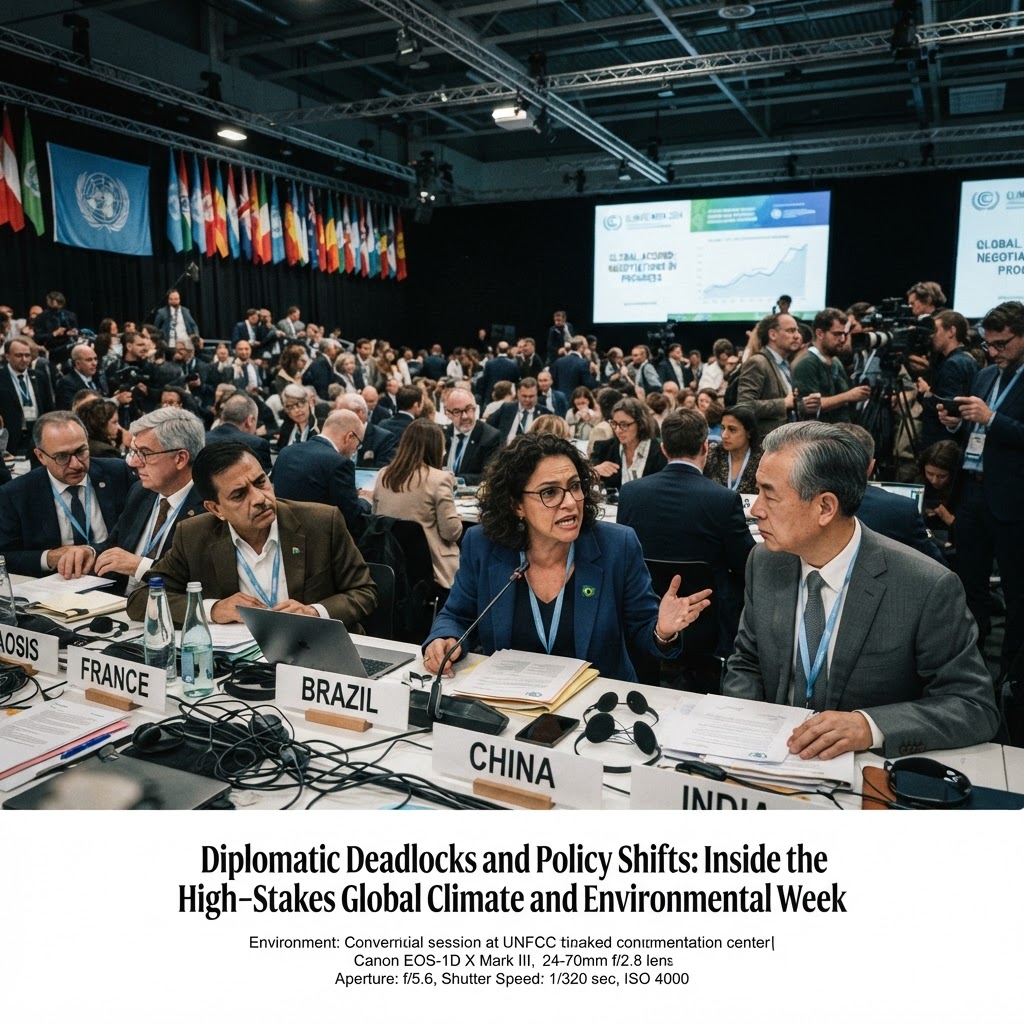
Diplomatic Deadlocks and Policy Shifts: Inside the High-Stakes Global Climate and Environmental Week
As high-stakes COP31 negotiations in Antalya reach a contentious climax over fossil fuels and climate finance, parallel decisions in Europe and fresh scientific assessments underscore the complex balancing act between environmental ambition and political pragmatism.
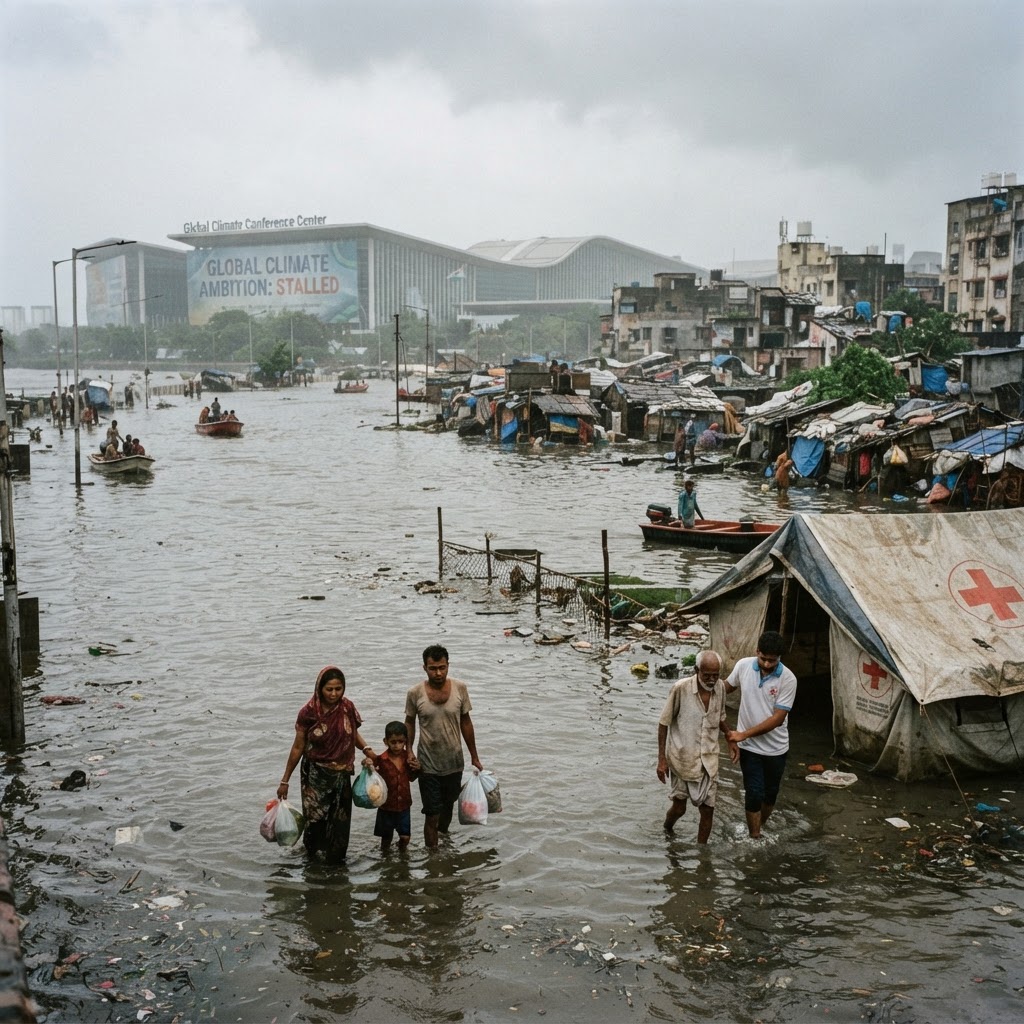
A Convergence of Ecological Crises: Escalating Floods, Health Threats, and Stalled Global Ambition
Recent scientific assessments and diplomatic negotiations reveal a widening gulf between accelerating climate shocks—from intensified flood peaks to rising health burdens—and stalled international environmental action.
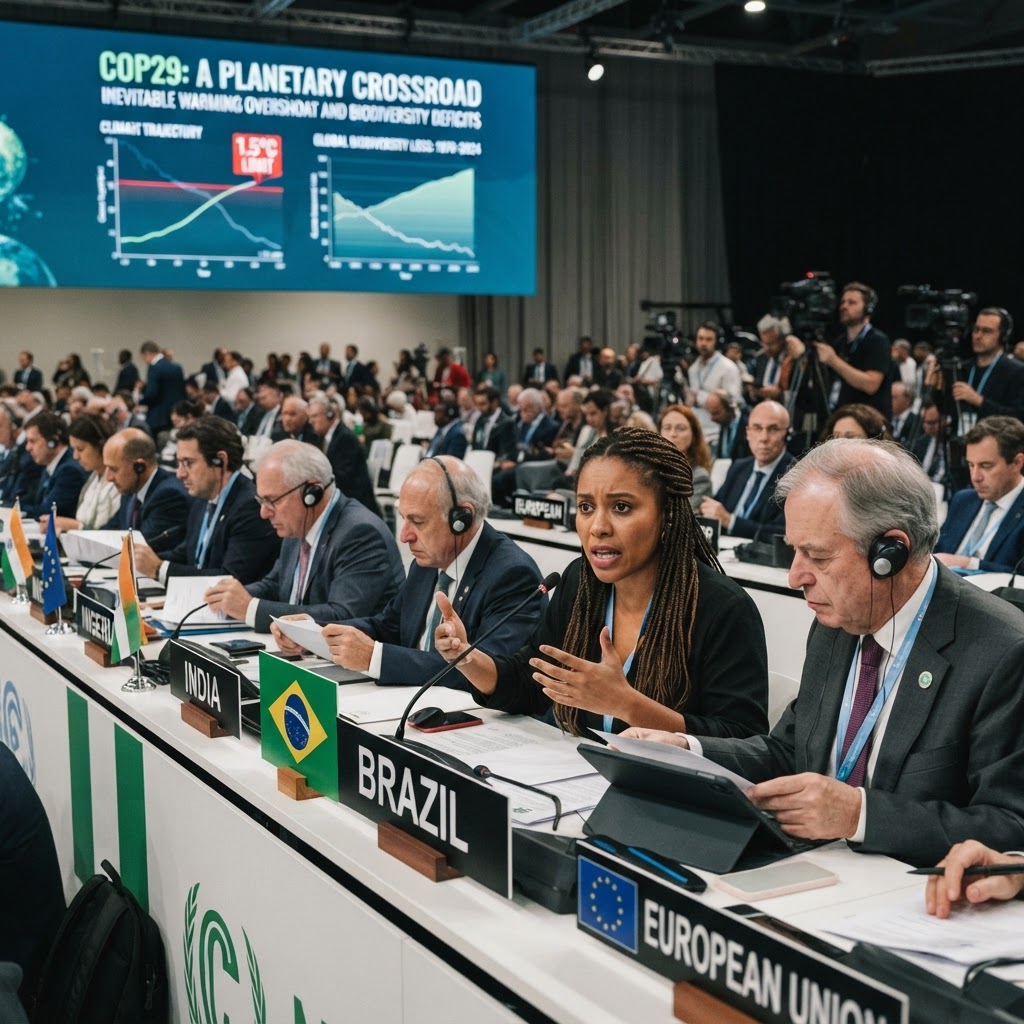
A Planetary Crossroad: Global Climate Talks Confront Inevitable Warming Overshoot and Biodiversity Deficits
As negotiators assemble in Antalya for COP31 amid warnings that a temporary breach of the 1.5°C threshold is now unavoidable, new findings reveal deepening pressures on ecosystems, climate financing deficits, and urban vulnerability.