Preserving the Past, Questioning the Future: A Shifting Global Cultural Landscape
From significant museum acquisitions and underwater archaeological discoveries to algorithmic debates in literature and corporate patronage, the cultural sector is negotiating an evolving boundary between historical heritage and digital innovation.
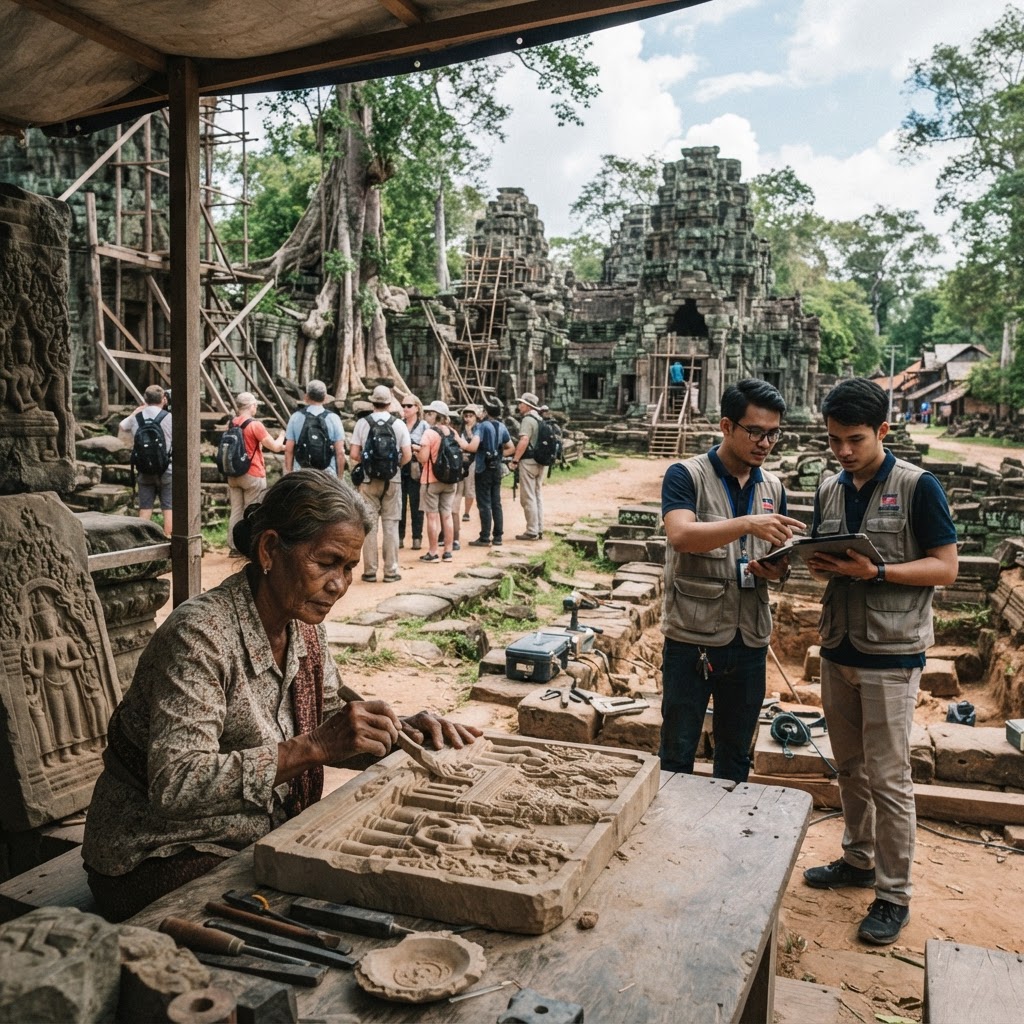
The Shifting Frontiers of Global Heritage
In cultural hubs around the world, the intersection of antiquity, museum stewardship, and technological innovation is reshaping how society curates and values its shared heritage. Across European institutions, major historical collections are changing hands, expanding public access to previously contested and intertwined colonial narratives. In London, a landmark donation has enriched national archives: art historians have transferred an exceptional fifty-work collection of 18th- and 19th-century Anglo-Indian art to the Tate gallery, as highlighted by The Art Newspaper. Featuring works by master painters such as Sita Ram and Ghulam Ali Khan alongside British artists including Johan Zoffany, the acquisition reflects a sustained curatorial commitment to revisiting imperial history through nuanced artistic dialogues.
Simultaneously, historical exploration continues to uncover forgotten civilizational ties beneath the Mediterranean. Marine archaeologists carrying out excavations around Kekova Island in southern Turkey have documented preserved cultural artifacts underwater, as reported by Al Jazeera. These discoveries add crucial physical records to an ongoing global rediscovery of maritime migration and ancient trade networks, paralleling modern sociological reflections on cross-cultural identities and ancestral roots across the Mediterranean basin.
Technological Disruptions and the Ethics of Authorship
While classical institutions focus on preservation, contemporary creative sectors are grappling with profound questions surrounding authorship, authenticity, and machine intelligence. The literary landscape faced fresh friction when Canadian publishing house Les Éditions du Boréal confirmed that author Thélyson Orélien utilized generative artificial intelligence in the drafting of his recent novel, sparking international debate across European cultural media including Euronews. The admission highlights an uneasy evolution in the literary arts, where readers and traditional publishers must determine how algorithmic assistance affects artistic legitimacy, copyright, and emotional resonance.
This tension between technology and tangible history is also altering the art market. From high-profile private auction liquidations to discussions about museum security and art recovery following museum thefts, cultural institutions are being urged to redefine how artwork is protected and verified in an era where digital reproduction and advanced tooling blur the lines of authenticity. The contemporary museum is increasingly expected to serve not merely as a passive repository of masterworks, but as an active defender of human creativity.
Global Patronage and Sustainable Frameworks
Recognizing the precarity facing modern artistic practitioners, major philanthropic programs and international coalitions are mobilizing resources to reinforce cultural ecosystems. The Chanel Culture Fund has accelerated its global patron initiatives, providing structured grants through honors such as the Chanel Next Prize to back multidisciplinary artists who challenge contemporary boundaries, as observed by London Daily. Such private patronage seeks to counteract economic instability within the creative community by directly backing individual creators across all disciplines and backgrounds.
On an institutional level, multilateral agencies are positioning culture as a foundational pillar of societal resilience. Building upon global agreements such as the United Nations Pact for the Future, UNESCO is coordinating international frameworks to integrate cultural preservation into broader environmental and economic policies, noted by UNESCO. By bridging regional traditions, contemporary ethical questions around artificial intelligence, and proactive international patronage, the global cultural arena is actively establishing its value as both an anchor to our collective past and a critical instrument for future progress.
Recommended for you
Similar to “Global Arts”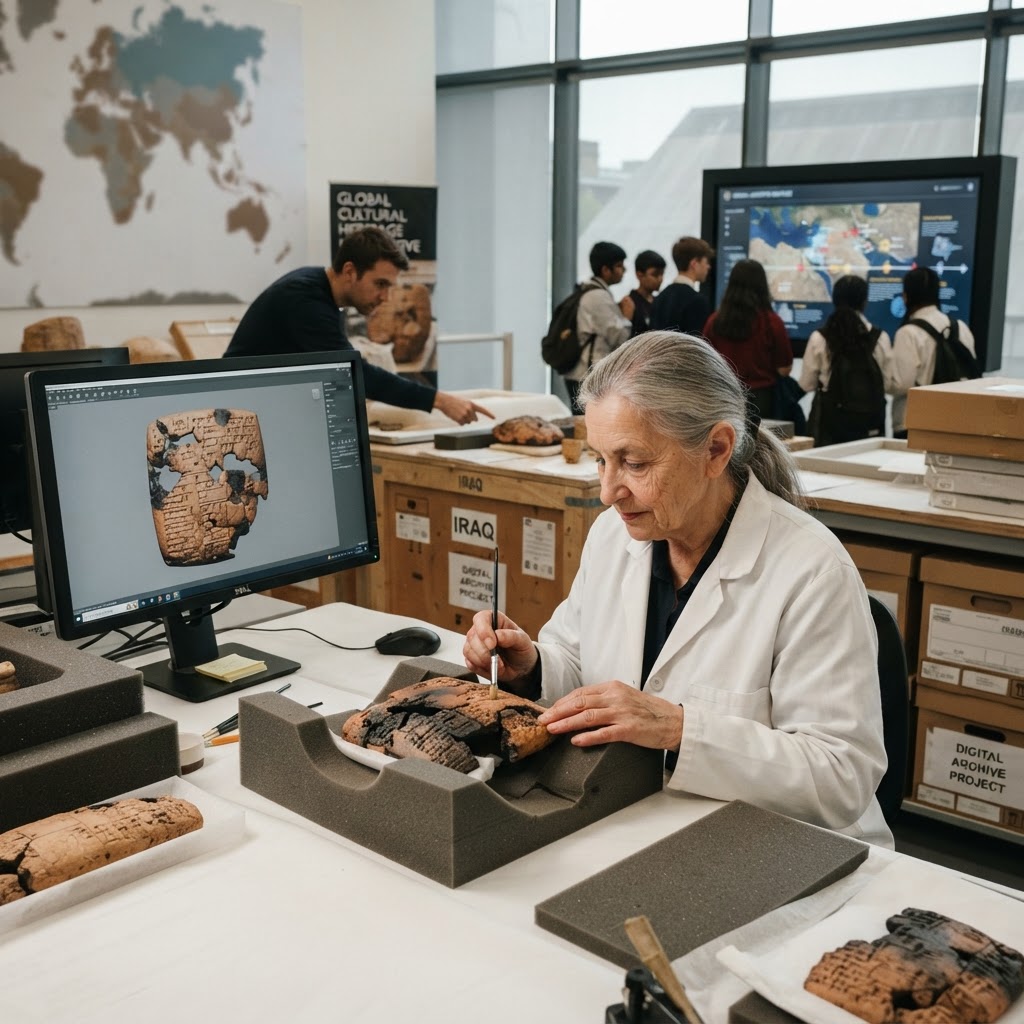
Preserving the Past, Curating the Future: Global Culture Faces Geopolitical Strife and Digital Evolution
From safeguarding heritage amidst active conflict zones to pioneering digital preservation and navigating museum transformation, international cultural institutions confront a rapidly evolving landscape.
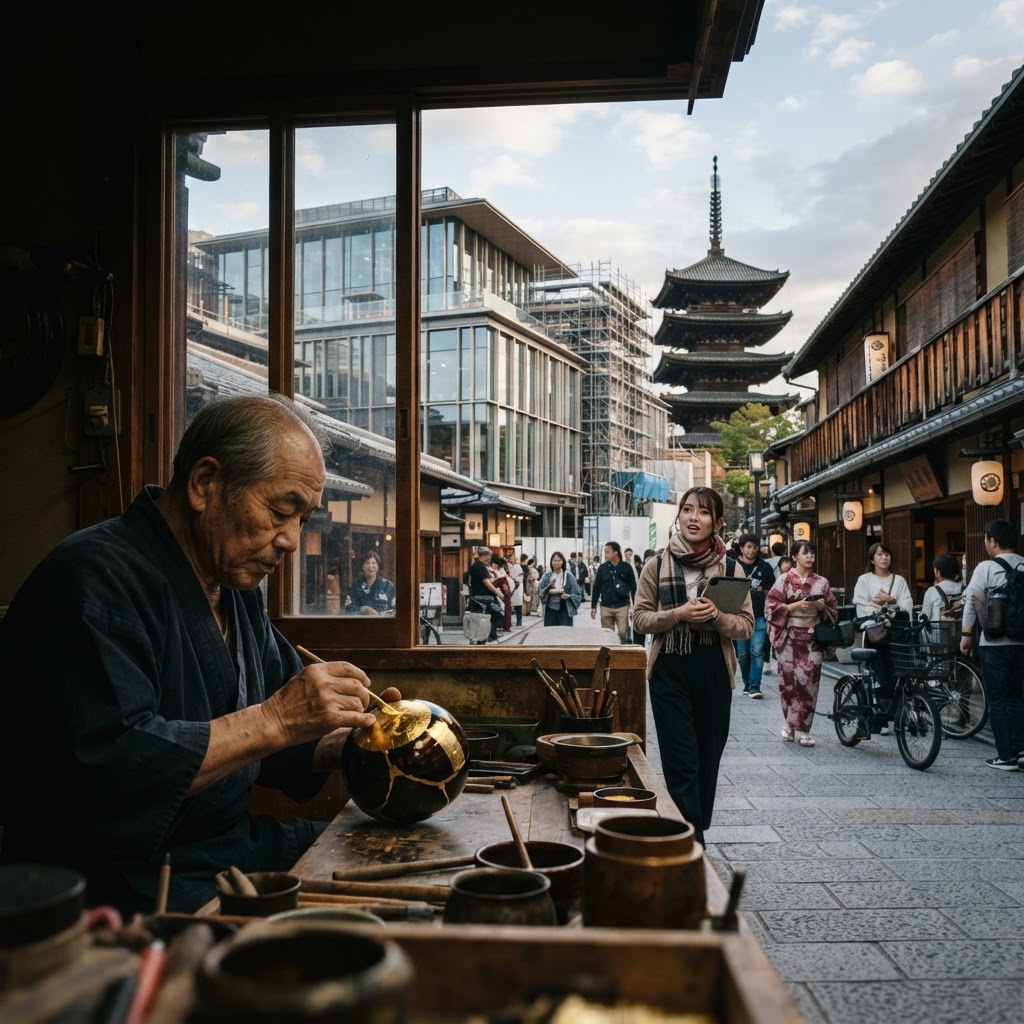
Preservation, Innovation, and Economic Crosscurrents: Global Culture Adapts to a Shifting Landscape
From historical discoveries and institutional financial strains to corporate patronage and modern technological reckonings, the global arts and culture sector navigates a complex transition.

Between Heritage and Innovation: How Global Culture Navigates Technological Disruption and Shifting Frontiers
From generative artificial intelligence scandals in literature to the diplomatic restitution of antiquities, recent events highlight a dynamic cultural landscape balancing heritage preservation with modern technology.