Preservation, Innovation, and Economic Crosscurrents: Global Culture Adapts to a Shifting Landscape
From historical discoveries and institutional financial strains to corporate patronage and modern technological reckonings, the global arts and culture sector navigates a complex transition.
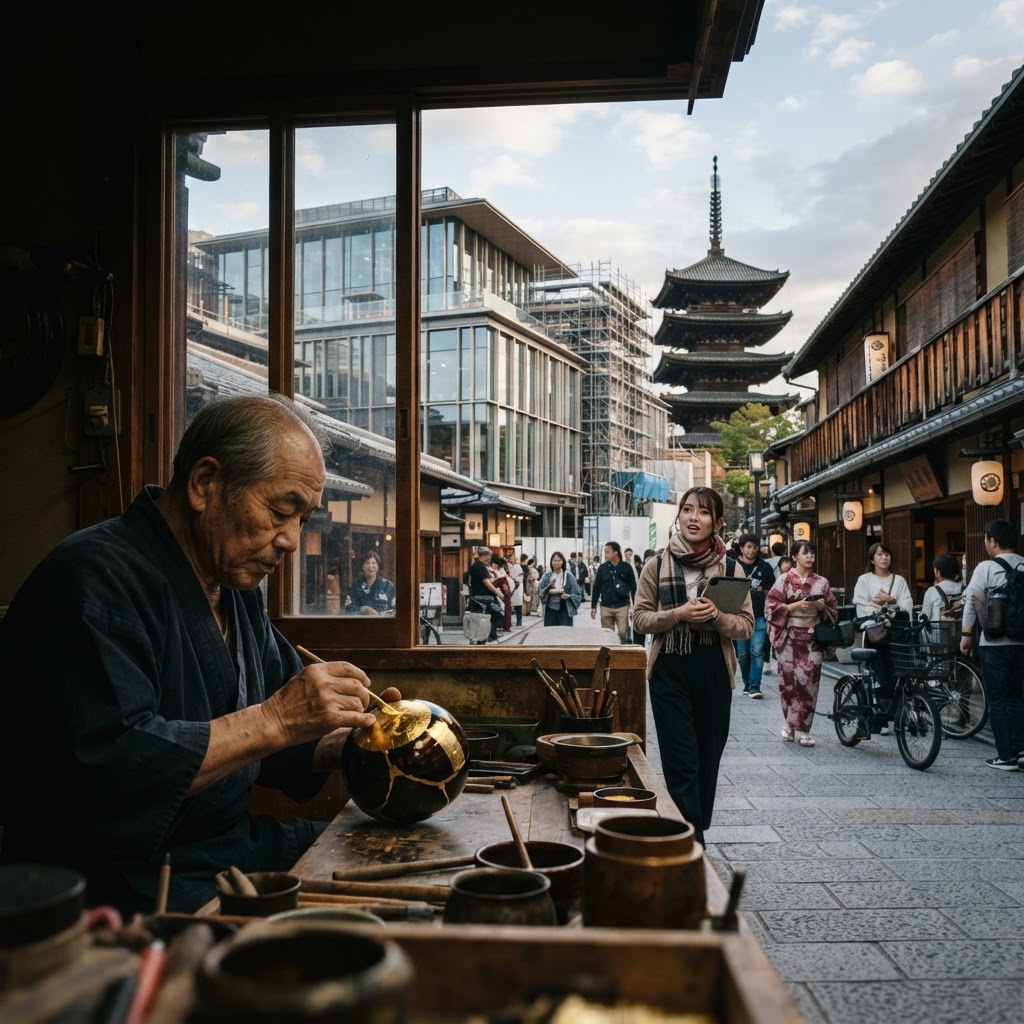
A Complex Moment for Global Arts and Heritage
The landscape of global arts and culture is undergoing an intense period of transformation, marked by fresh archaeological revelations, shifting financial foundations, and deep debates surrounding technology and heritage. Major institutions, artists, and international bodies are confronting the challenge of preserving long-standing traditions while adapting to modern economic realities and evolving technologies.
Archaeological Feats and Heritage Reconsidered
Recent archaeological breakthroughs continue to recontextualize our understanding of ancient societies. Excavations in Mexico, for instance, revealed a 2,500-year-old solar observatory featuring ceramic and obsidian artifacts that illustrate extensive prehistoric networks across the region, as reported by The Art Newspaper. At the same time, classical antiquities frequently spark reappraisals in modern aesthetic dialogues, such as ongoing discussions surrounding a 2,700-year-old Egyptian statuette of Ptah sold at Frieze Masters in London, which highlighted the enduring stylistic influences ancient artifacts exert over 20th-century iconographies.
Heritage is also serving as an anchor for identity and communal memory in broader social dimensions. Cultural reporting from Al Jazeera highlights how historical legacies in southern Spain continue to draw individuals seeking belonging among centuries-old cultural footprints. Meanwhile, large-scale community celebrations, such as regional folklore festivals, are serving dual purposes: preserving intangible customs while driving vital tourism and micro-enterprise revenue for local populations.
Financial Strains and Shifting Models of Patronage
Despite strong public interest in cultural activities, traditional institutions are facing substantial financial friction. Prestigious venues such as the Victoria and Albert Museum have encountered fiscal pressures forcing proposals to curtail in-person adult-learning programmes, according to reports by The Art Newspaper. Elsewhere, shifts in public arts funding frameworks have prompted anxiety among flagship performing arts companies reliant on governmental subsidies, as highlighted by ArtsJournal.
In response to funding shortfalls and evolving priorities, private and corporate patrons are stepping into critical gaps. Luxury houses and private funds are launching ambitious cultural initiatives; for instance, the Chanel Culture Fund has introduced programs like the Chanel Next Prize to back individual artists and underrepresented voices, reported by London Daily. Simultaneously, the private art market is witnessing notable realignments, underscored by landmark private collection dispersals and institutional reorganizations across Europe.
The AI Frontier and Creative Authenticity
Perhaps no topic is as hotly contested across cultural corridors today as the impact of artificial intelligence on human authorship. In the literary world, debates ignited following revelations regarding AI usage in recent publications, such as controversies documented by Euronews involving contemporary novels where publishers acknowledged the deployment of generative tools in the writing process. These developments have accelerated urgent ethical questions about intellectual ownership, creator labor, and reader trust.
Yet, amidst technological disruption, international bodies are reaffirming culture’s central role in societal well-being. Looking forward, the United Nations and UNESCO have set the groundwork for the upcoming International Decade of Culture for Sustainable Development, emphasizing that creative ecosystems are not merely decorative, but essential drivers of economic, social, and environmental resilience, according to UNESCO.
Looking Ahead
As cultural ecosystems look toward the coming years, balancing the safeguarding of authentic historical legacies with the demands of economic sustainability will remain paramount. Whether through grassroots community heritage, international policy milestones, or independent artistic endeavors, the creative sector continues to prove its adaptability in an uncertain world.
Recommended for you
Similar to “Culture”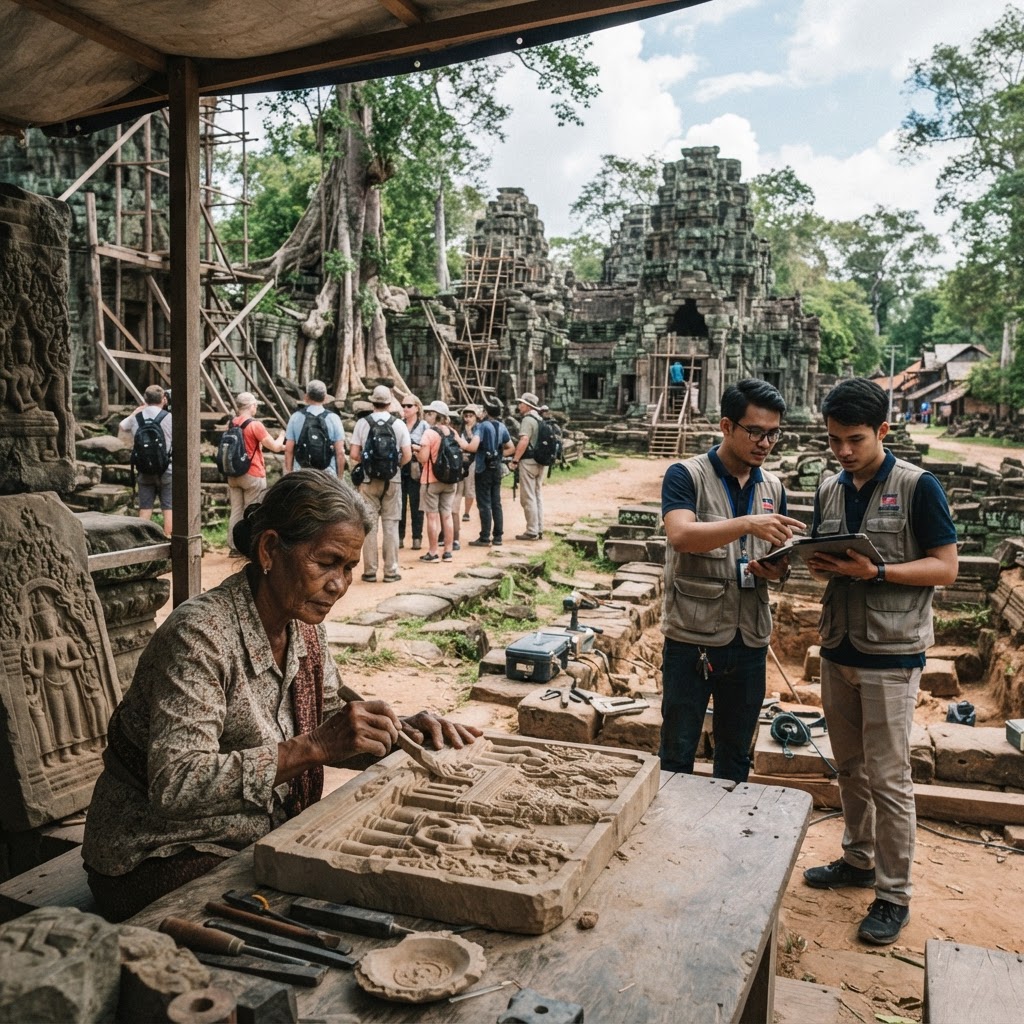
Preserving the Past, Questioning the Future: A Shifting Global Cultural Landscape
From significant museum acquisitions and underwater archaeological discoveries to algorithmic debates in literature and corporate patronage, the cultural sector is negotiating an evolving boundary between historical heritage and digital innovation.
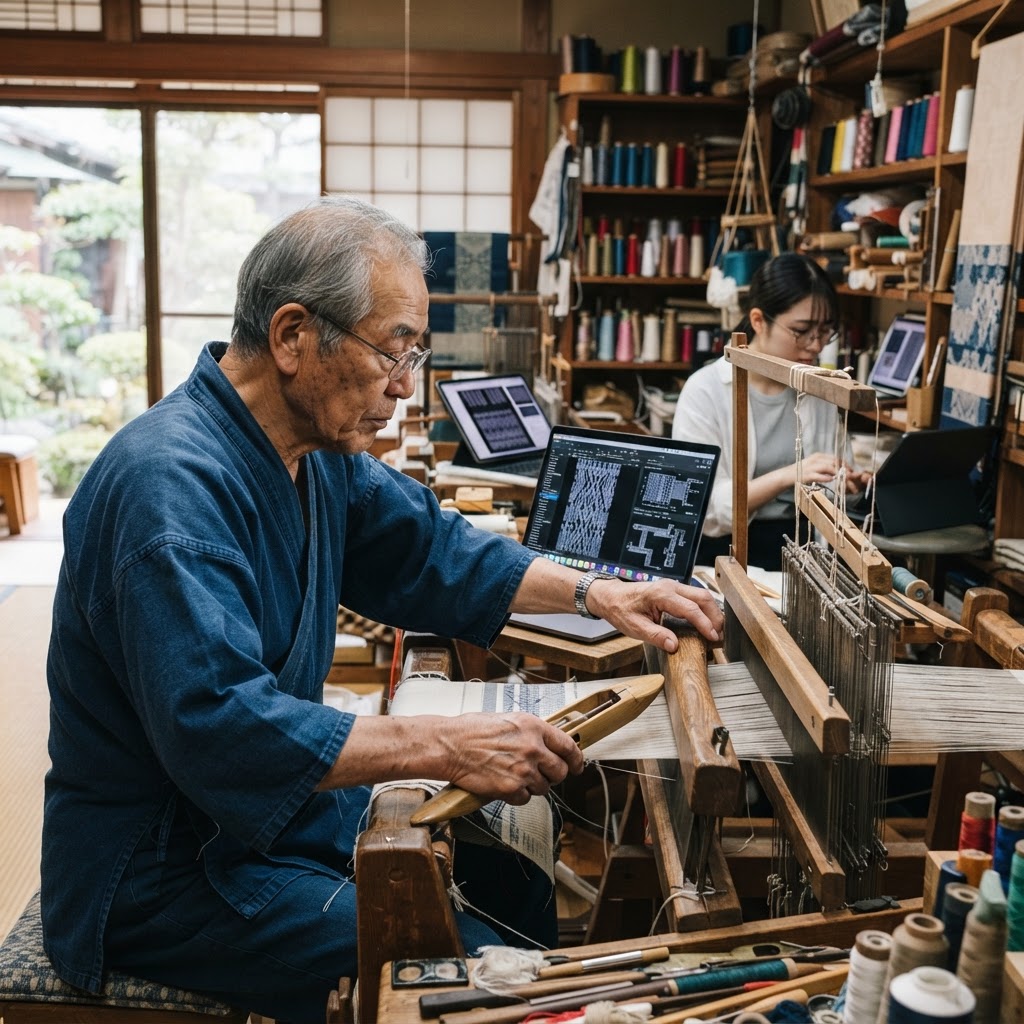
Between Heritage and Innovation: How Global Culture Navigates Technological Disruption and Shifting Frontiers
From generative artificial intelligence scandals in literature to the diplomatic restitution of antiquities, recent events highlight a dynamic cultural landscape balancing heritage preservation with modern technology.
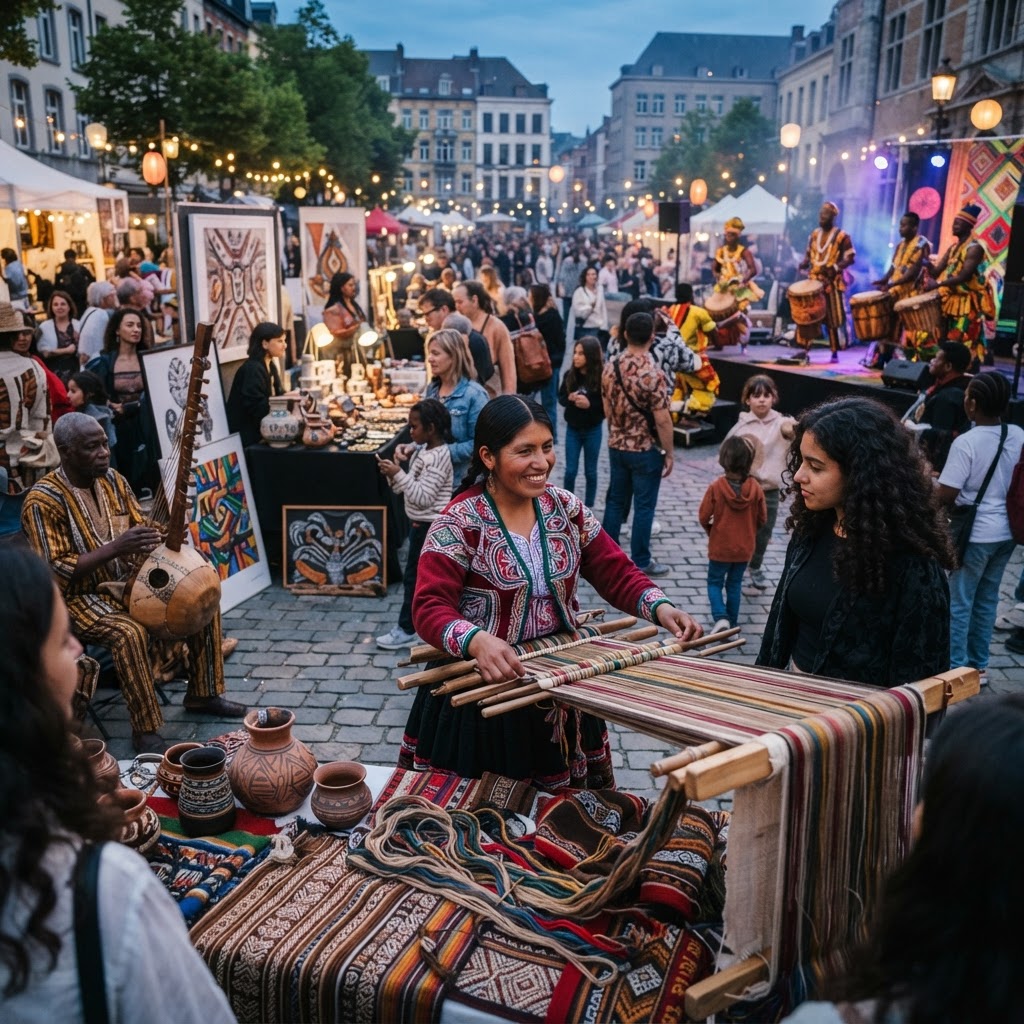
A Tapestry of Heritage, Provenance, and Reinvention: Global Culture in Focus
From significant archaeological milestones in Europe to institutional reckonings and shifts across contemporary arts and music, the international cultural landscape is navigating the balance between deep history and modern reinvention.