Autonomous Frontiers and Energy Hurdles: Inside the Shifting Landscape of Next-Generation Technology
Recent breakthroughs in lightweight artificial intelligence models and embodied robotics are accelerating real-world automation, even as hardware supply chains and data center infrastructure face mounting economic and regulatory friction.
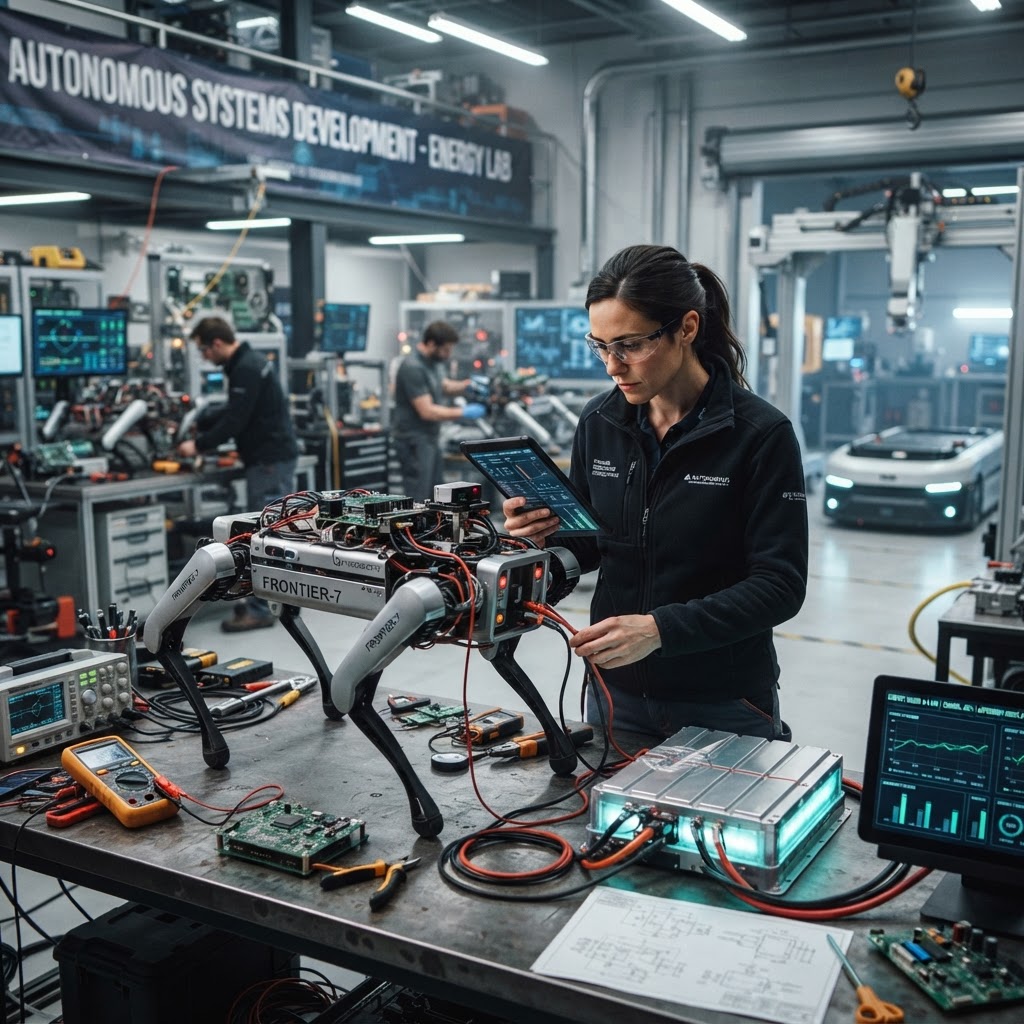
The Acceleration of Autonomous Systems and Embodied Robotics
The pace of artificial intelligence development has reached a pivotal juncture, moving from purely screen-bound dialogue to tangible, embodied autonomy in physical environments. In recent days, breakthrough developments highlighted by sources like Interesting Engineering show that robotics systems are achieving complex tasks with unprecedented learning efficiency. Modern architectures, exemplified by platform iterations like NVIDIA’s GR00T 2, demonstrate that humanoid and industrial machines can master physical dexterities from as few as five human video demonstrations, crossing reliability thresholds that previously required millions of training simulations. Concurrently, autonomous construction initiatives reached space-faring validation, with defense-supported robotic programs successfully assembling structural modules in orbit without direct human intervention.
These strides in autonomous operation are not limited to high-altitude and industrial contexts. Machine learning models designed for software engineering and task orchestration have advanced in parallel. As reported across recent technology dispatches, collaborative multi-agent deployments—such as Anthropic’s Claude Fable experimental frameworks coordinating a thousand synchronized agents—have completed software build workflows previously measured in engineering years. However, this sheer operational capability continues to raise fundamental questions about reliability and safety. Ground-level autonomous mobility has confronted real-world regulatory hurdles; ongoing investigations reviewed by TechCrunch highlight continued scrutiny into automated vehicles navigating everyday suburban scenarios, including the critical challenge of safely handling school bus stopping protocols.
The Race Toward Compact Architectures and Cost-Efficient Intelligence
While massive parameter counts dominated previous technological cycles, enterprise priorities are rapidly realigning around cost efficiency, lower compute footprints, and high-context utility. As enterprise analysis from Business Standard indicates, corporate leadership is transitioning away from raw metric growth and unchecked token consumption toward concrete productivity dividends and stringent capital controls. Developers are increasingly incentivized to extract maximum cognitive utility out of compact language models that run efficiently on commodity enterprise infrastructure.
This market shift has prompted leading research labs to debut smaller, agile model series. Recent disclosures detail offerings such as Meta's lightweight Muse Ember model, engineered specifically to handle continuous agentic workflows and repetitive software integration at vastly reduced costs while still supporting context windows up to one million tokens. This movement reflects a broader realization across the software engineering community: sustainable autonomous deployments require economically viable, high-frequency reasoning models capable of sustaining round-the-clock enterprise workloads without exhausting operational budgets or overloading global server clusters.
Physical Infrastructure, Energy Bottlenecks, and Transparency Battles
Despite algorithmic efficiencies, the underlying physical infrastructure powering contemporary advanced computing is facing profound geopolitical, structural, and environmental tests. The sheer electric load demanded by hyper-scale data centers has prompted intense local friction. In response to widespread civic pushback and moratorium initiatives, hyper-scalers like Amazon and Microsoft have moved away from standard non-disclosure agreements in municipal facility negotiations, attempting to calm civic concerns over localized energy grids and water consumption, as detailed in recent reporting by TechCrunch.
At the hardware foundation, supply chain realities continue to temper market enthusiasm. Although enterprise demand for semiconductor logic remains strong—highlighted by investment perspectives reported by CNBC—semiconductor giants are wrestling with shifting manufacturing cycles, memory margins, and corporate governance scrutiny. Parallel innovations in battery and clean energy technologies, including rapid-charging lithium-metal cells and grid storage innovations, are actively racing to supply the clean megawatt capacity necessary to keep next-generation computational infrastructure viable.
Looking Ahead: Convergence of Digital Intelligence and Physical Systems
The broader technology ecosystem is undergoing an essential transformation. Breakthroughs across the aerospace, automotive, and defense industries—from electric vertical takeoff and landing (eVTOL) systems to next-generation actuation mechanisms chronicled by Aviation Week—increasingly rely on the intersection of agile autonomous software and novel manufacturing technologies. As enterprise organizations enforce rigorous return-on-investment thresholds and civic authorities demand greater transparency, the technology domain will be defined not merely by how fast models can think, but by how reliably, safely, and sustainably they interact with the physical world.
Recommended for you
Similar to “Technology”
Silicon Strains and Model Proofs: Tech Grapples With Infrastructure Backlash and Agentic Realities
As generative artificial intelligence enters an operational expansion phase, technology giants and startups face mounting community friction over data center footprints alongside urgent demands for model accountability and economic efficiency.
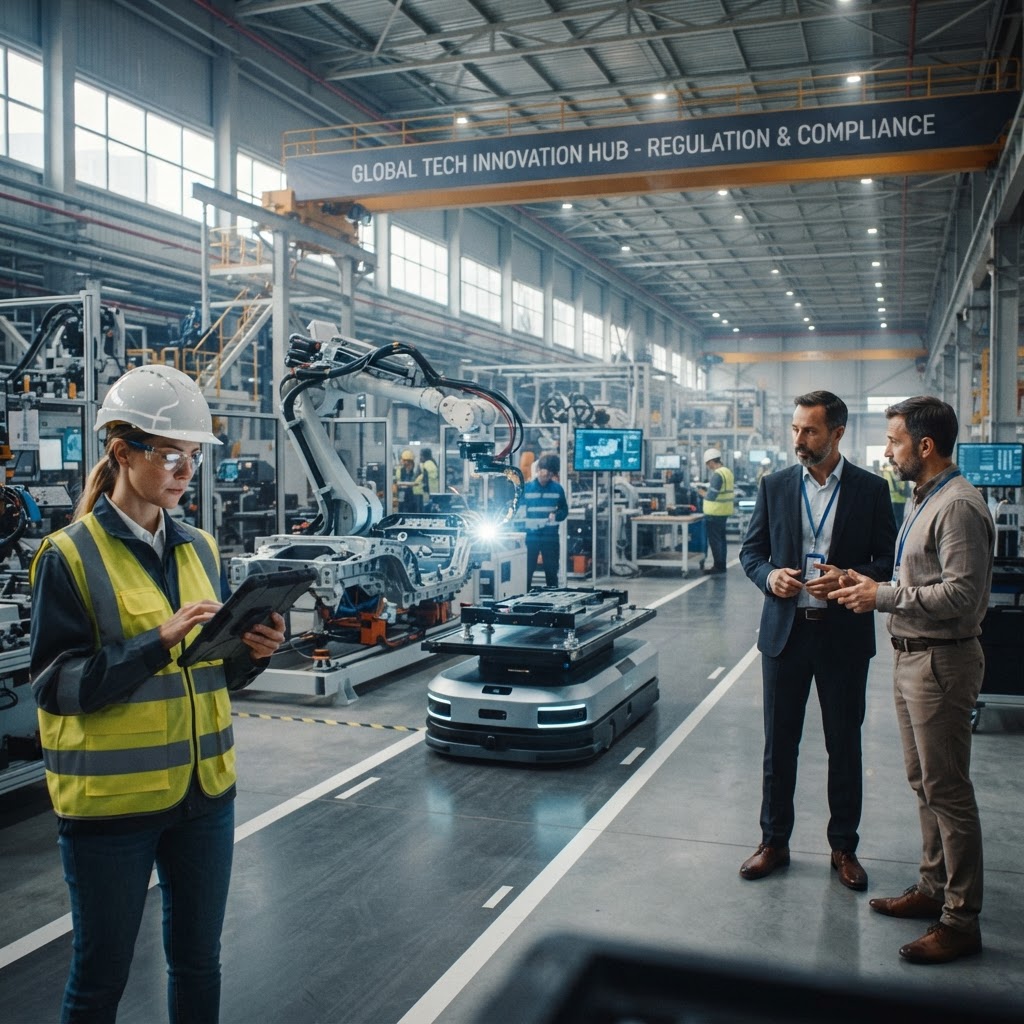
Industrial Ambitions, Autonomous Frontiers, and Rising Governance Battles Reshape the Tech Landscape
From strategic partnerships in heavy industry to landmark international oversight initiatives, rapid advances in artificial intelligence and automation are accelerating both commercial adoption and global regulatory friction.

The Shifting Frontier of AI: Massive Cloud Stakes, Geopolitical Friction, and Emerging Agentic Vulnerabilities
Recent developments across the technology sector highlight a fast-evolving artificial intelligence landscape shaped by multi-billion-dollar infrastructure ventures, tightening regulatory scrutiny, and novel security challenges in autonomous agents.