A Fractured World Order: Power Shifts, Diplomatic Realignments, and Crises Reshape Global Politics
Recent high-stakes diplomacy at regional summits, leadership transitions across major capitals, and escalating confrontations from the Middle East to Eastern Europe mark a defining moment of global realignment.
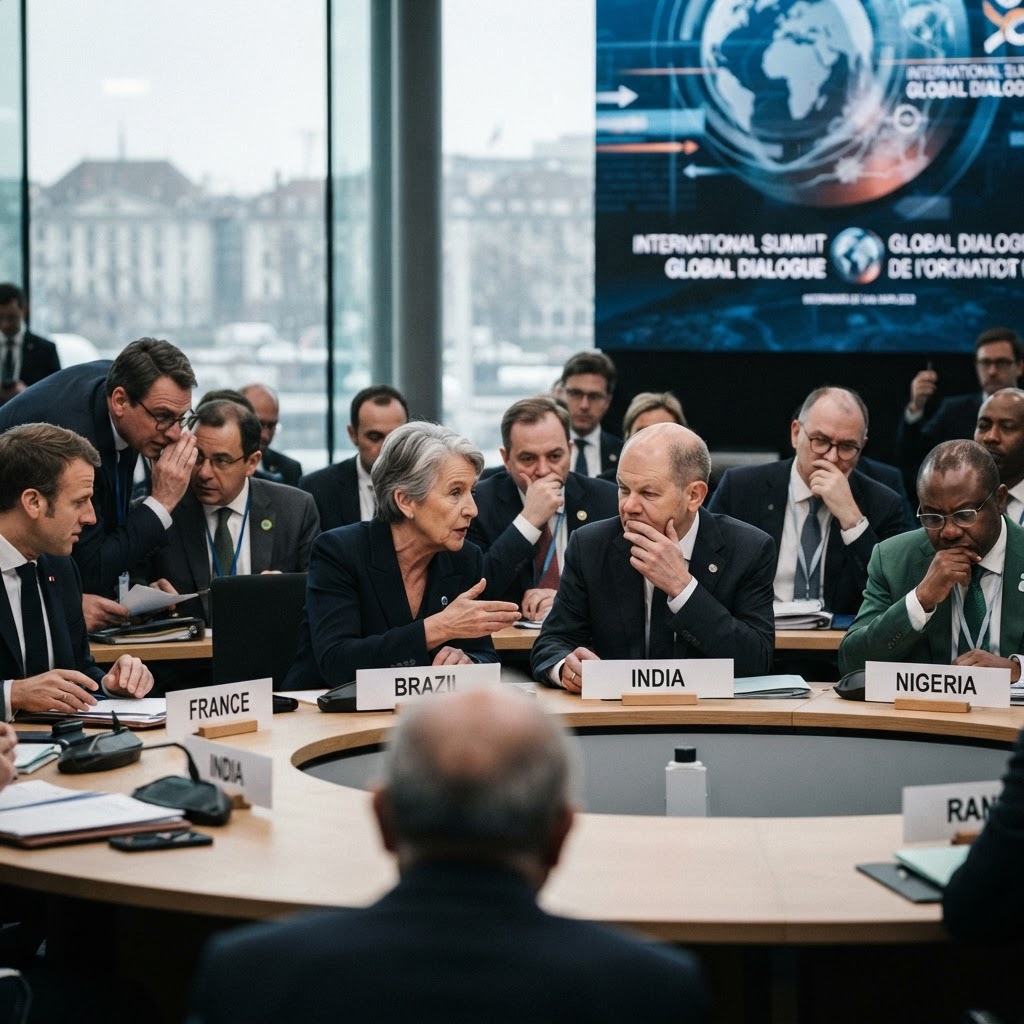
The Great Power Reset: Unprecedented Engagement in Shenzhen
In a dramatic realignment of global diplomacy, world leaders converged at the Asia-Pacific Economic Cooperation (APEC) summit in Shenzhen, setting off shockwaves across the international order. Highlighting the forum was an extraordinary trilateral meeting between U.S. President Donald Trump, Chinese President Xi Jinping, and Russian President Vladimir Putin, culminating in discussions on United Nations reform, energy markets, and arms control, as reported by The Japan Times. While Chinese hosts greeted foreign dignitaries with elaborate ceremony, the overtures between Washington, Beijing, and Moscow have triggered significant unease among traditional allies and national security establishments, according to analyses from The Japan Times.
The gathering also served as a testing ground for regional detente and trade recalibrations. Japanese Prime Minister Sanae Takaichi held initial cordial encounters with President Xi and met with President Putin on the summit sidelines—marking the first bilateral dialogue between Japan and Russia in seven years, as detailed by The Japan Times. Simultaneously, nations caught in the crosscurrents of superpower friction sought strategic hedging: Canadian Prime Minister Mark Carney engaged both Beijing and Washington to ease trade barriers, while Southeast Asian leaders recalibrated security partnerships amid shifting geopolitical tides.
Domestic Upheaval and Legislative Maneuvers
Beyond high-level diplomatic summits, pivotal political transitions are transforming national governance worldwide. In Washington, legislative leadership underwent a historic milestone as House Democrats voted overwhelmingly to nominate Representative Hakeem Jeffries as the next Speaker of the House, putting him on track to become the first African American lawmaker to lead the chamber, according to reporting by Democracy Now!. However, internal fissures over progressive domestic priorities and international human rights policy underscore the persistent pressures facing new congressional leadership.
Across the Atlantic and the Mediterranean, parliamentary shifts continue to dismantle established political arrangements. In Israel, parliament elected Matan Kahana as Knesset Speaker in a significant setback for Benjamin Netanyahu, paving the way for Prime Minister-elect Gadi Eisenkot's coalition to recalibrate state institutions and initiate institutional investigations, according to Just Security. Meanwhile, in Europe, governments in Central Europe and the Iberian peninsula grapple with immigration policy debates, archival declassifications, and political fragmentation that threaten the stability of traditional governing coalitions.
Escalating Conflicts and Regional Flashpoints
Despite diplomatic overtures among top tier powers, protracted regional wars continue to intensify. In the Middle East, military skirmishes expanded following U.S. strikes against targets on Iran's Qeshm Island, prompting retaliatory drone and missile barrages toward Gulf military installations, as documented by Just Security. Concurrently, ground incursions in the Gaza Strip pushed past established boundary lines, exacerbating humanitarian crises and generating renewed international condemnation.
In Eastern Europe, the war in Ukraine remains locked in fierce tactical engagements. A major Ukrainian operation inflicted severe structural damage on the strategic Kerch Bridge linking Crimea to Russia, yet diplomatic channels for a comprehensive peace settlement remain heavily constrained as military deployments brace for winter offensives. Parallel tensions also simmer along the Horn of Africa, where border troop concentrations raise fears of renewed cross-border hostilities.
Stalled Multilateralism: Climate Clashes and Institutional Stalemate
The intensifying ideological competition has severely paralyzed multilateral institutions. At the United Nations, the Security Council has found itself deadlocked through successive rounds of voting to elect a successor to Secretary-General António Guterres, leaving the world body vulnerable to prolonged leadership vacuums, according to reporting by The Japan Times. In legal arenas, landmark rulings by the International Court of Justice concerning atrocities committed against the Rohingya in Myanmar have renewed debates over compliance, sovereign immunity, and regional bloc recognition.
Meanwhile, the COP31 climate conference in Antalya, Türkiye, stands at a critical juncture. Negotiators launched the second five-yearly Global Stocktake to assess collective emission pledges under the Paris Agreement, but ministerial talks remain deeply gridlocked over climate finance, fossil fuel phase-outs, and equitable transition frameworks, as detailed by The European Sting. As bilateral realignments supersede collective agreements, the international architecture appears increasingly divided, leaving the trajectory of global governance in an unprecedented state of flux.
Recommended for you
Similar to “Global Politics”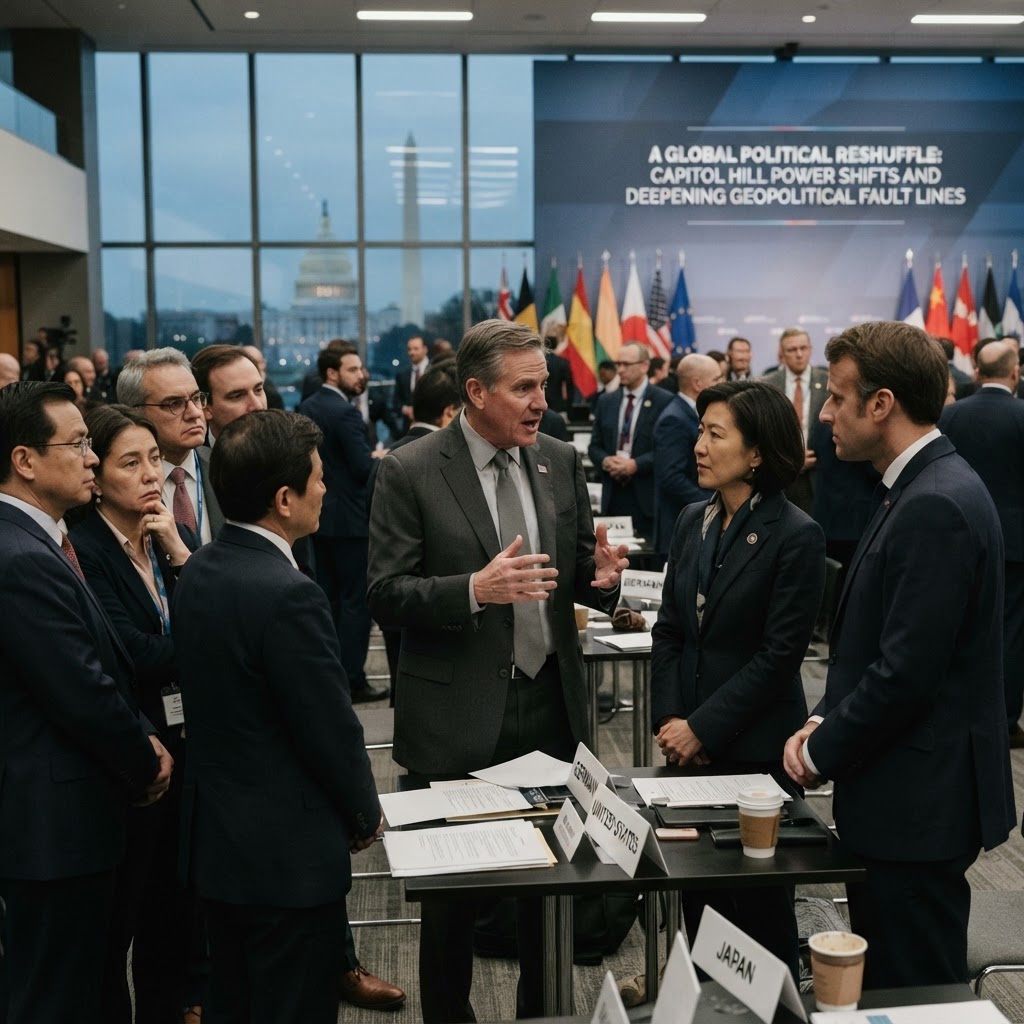
A Global Political Reshuffle: Capitol Hill Power Shifts and Deepening Geopolitical Fault Lines
Recent electoral upheavals in the United States and intense diplomatic realignments across the Middle East, Eastern Europe, and South Asia mark a transformative moment in international politics.
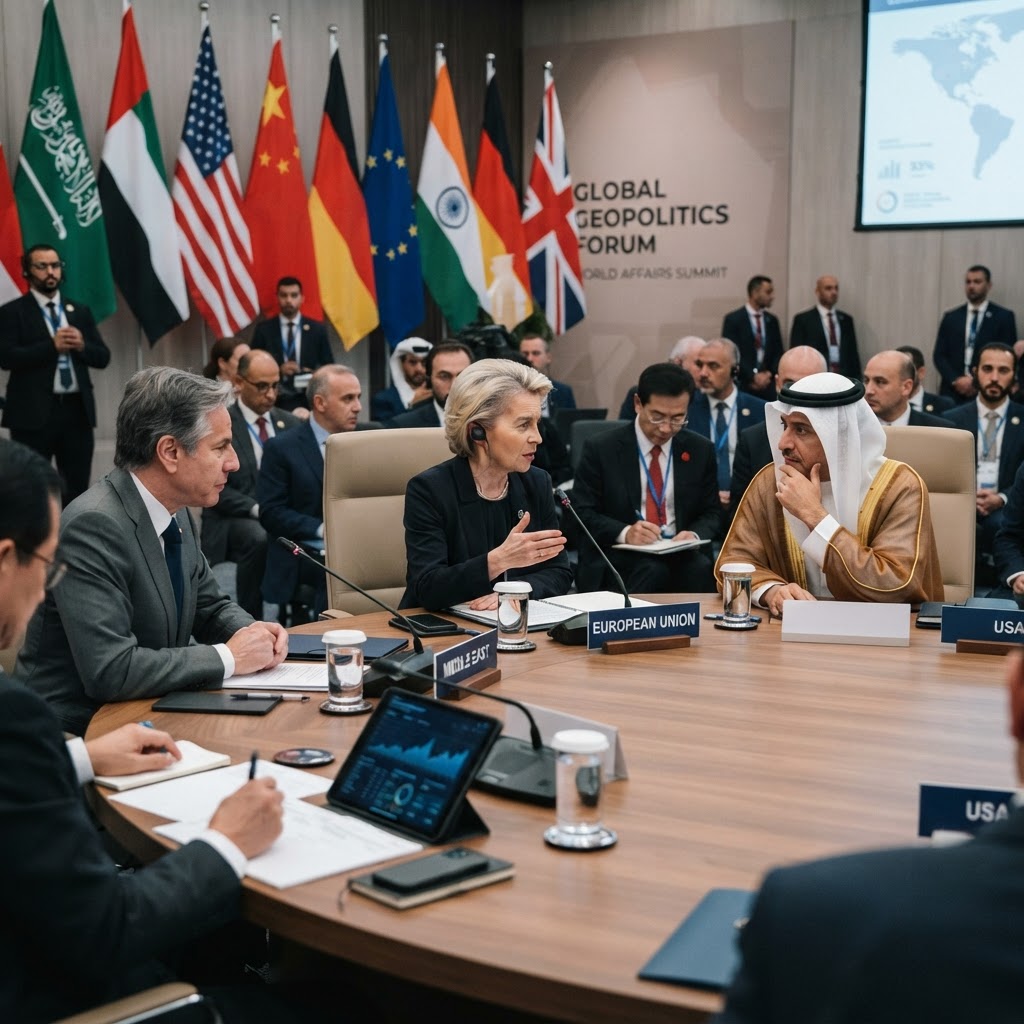
Global Power Shifts: Middle East Realignment, Tech Governance, and Trade Tensions Reshape World Politics
Recent major diplomatic milestones, including the complete withdrawal of U.S. forces from Iraq and high-stakes trade disputes, are driving significant shifts across global political landscapes and emerging technology policy.
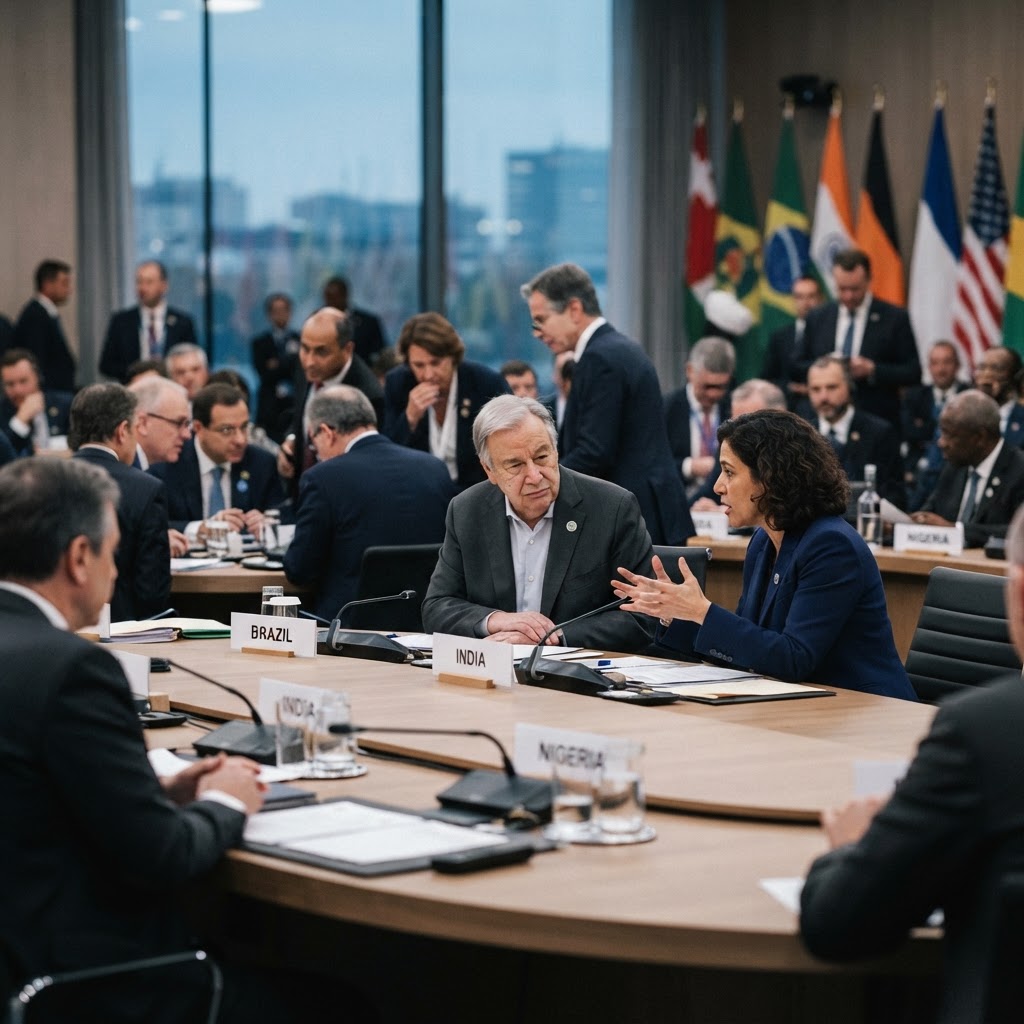
A Multipolair World in Flux: Great Power Summits, Shifting Coalitions, and Regional Cracks
Recent high-stakes trilateral diplomacy among global superpowers highlights deep structural shifts, prompting middle powers to adapt their security alliances amid escalating friction in the Middle East and the Horn of Africa.