Global Power Shifts: Middle East Realignment, Tech Governance, and Trade Tensions Reshape World Politics
Recent major diplomatic milestones, including the complete withdrawal of U.S. forces from Iraq and high-stakes trade disputes, are driving significant shifts across global political landscapes and emerging technology policy.
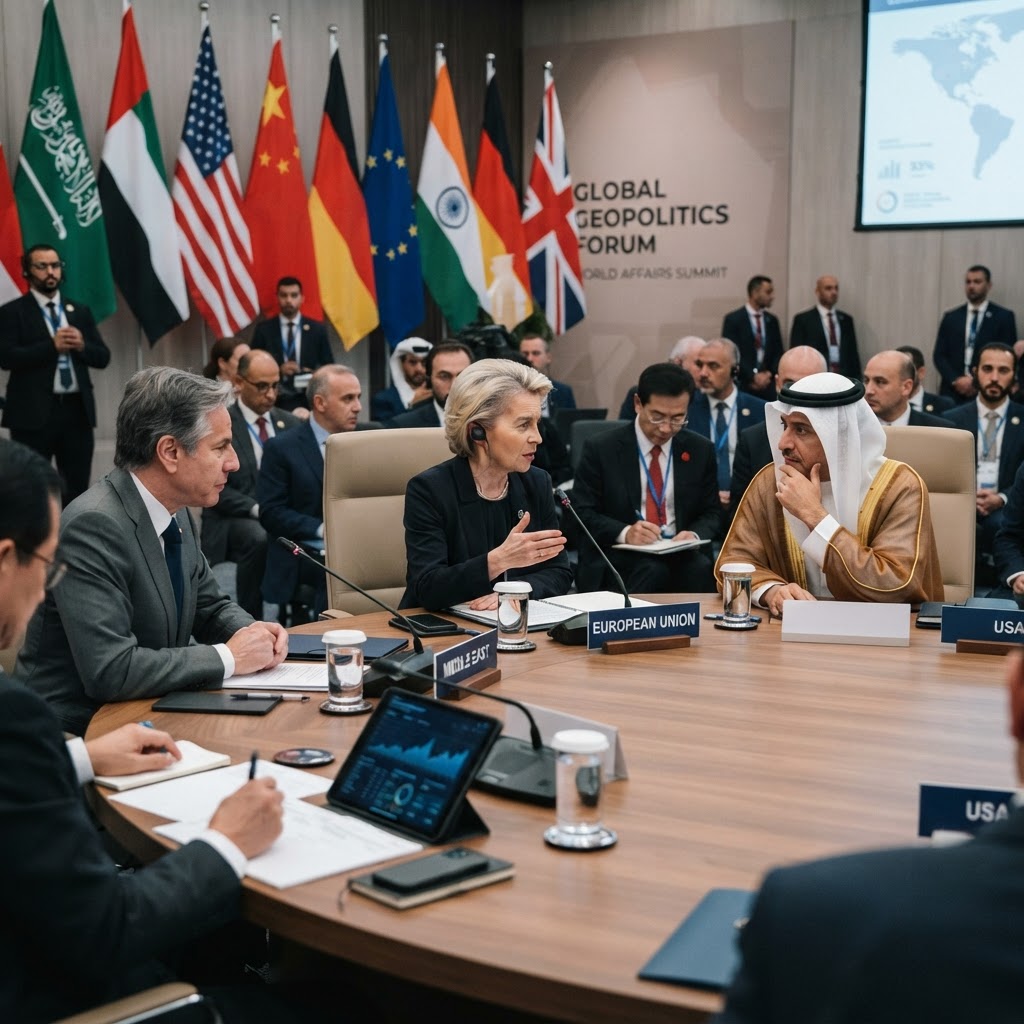
A Watershed Transition in Middle Eastern Security
International politics entered a consequential new chapter this week as the United States military officially completed the full withdrawal of its forces from Iraq, concluding a 12-year presence dedicated to countering Islamic State militants as reported by The US military says its withdrawal of troops from Iraq is complete. The final exit from air bases in northern Iraq carries profound implications for the region’s balance of power. Baghdad has characterized the pullout as a demonstration of institutional sovereignty and local security capability. However, regional authorities in the Kurdistan Region have expressed acute concern regarding potential defensive vulnerabilities, while Iran-aligned political and militia factions have hailed the exit as a strategic victory.
The realignment coincides with broader diplomatic maneuvers across the region, where economic pressures and sustained geopolitical friction continue to strain energy corridors and international trade routes. Concurrently, regional security dynamics remain deeply intertwined with international negotiations over maritime security and ongoing diplomatic dialogues.
Energy Costs and Rising Trade Frictions
Across North America and Europe, international tensions are continuing to produce significant domestic fallout. In the United States, lawmakers and state-level leaders in jurisdictions ranging from Georgia to Ohio and California have faced mounting pressure over elevated oil and living costs linked to protracted foreign disputes, as highlighted by Latest and breaking political news today - POLITICO. Elected officials have increasingly been compelled to explore targeted relief mechanisms as energy markets remain sensitive to foreign supply threats.
Meanwhile, trade relations between traditional allies have experienced renewed friction. Cross-border discourse between Washington and Ottawa has grown contentious amid rhetoric surrounding tariff regimes and protectionist economic policies, according to reporting from Political News | Local & Canadian Politics News and Headlines. Canadian leaders have pushed back against assertions that concessions or formal apologies would be made, stressing the necessity of mutual economic resilience in an era dominated by unilateral tariff strategies.
The Geopolitics of Artificial Intelligence and Governance
Beyond traditional territorial defense, technological governance has taken center stage in global capitals. In Washington, debates over artificial intelligence regulations have escalated into a fierce philosophical divide. While industry observers and ethics advocates continue urging the adoption of rigorous statutory guardrails to mitigate systemic societal risks, policymakers have increasingly favored frameworks centered around industry self-regulation, as noted by Political News | Local & Canadian Politics News and Headlines. Proponents argue that burdensome compliance could erode strategic technological advantages over global competitors, while critics contend that unchecked commercial rollout leaves national infrastructure susceptible to unintended vulnerabilities.
Foreign policy analysts emphasize that regulatory divergence among leading democracies threatens to fragment international standards for emergent technology, complicating cross-border intelligence sharing and cybersecurity alliances.
Electoral Pressures and Institutional Realignment
Domestic political establishments worldwide are simultaneously grappling with structural fractures and high-stakes electoral contests. From upcoming general elections across South America—where major political figureheads remain locked in bitter contests—to shifting legislative majorities in parliamentary democracies, public confidence in traditional governing institutions continues to face tests. Escalating cost-of-living concerns, paired with shifting strategic alliances abroad, suggest that domestic political agendas will increasingly be dictated by external geopolitical volatility in the months ahead.
Recommended for you
Similar to “World Politics”
A Fractured World Order: Power Shifts, Diplomatic Realignments, and Crises Reshape Global Politics
Recent high-stakes diplomacy at regional summits, leadership transitions across major capitals, and escalating confrontations from the Middle East to Eastern Europe mark a defining moment of global realignment.
Crossroads of Power: Deepening Geopolitical Conflicts and Domestic Turmoil Reshape the Global Political Order
As major geopolitical tensions escalate across the Middle East and Eastern Europe, domestic political battles and shifting economic pressures are testing governance across major world powers.

Diplomatic Alignments and Domestic Fractures Reshape the Global Arena
High-stakes diplomacy and major domestic political shifts are colliding worldwide, highlighted by planning for a trilateral great-power summit, evolving peace proposals in Eastern Europe, and significant internal friction within Southeast Asian and Western governments.