Diplomatic Reshuffles and Legislative Friction: Global Politics Enters a Volatile Transition Phase
From high-stakes diplomatic realignments in the Middle East to intensifying legislative oversight and constitutional debates in the United States and Europe, governments worldwide face mounting friction across domestic and foreign policy fronts.
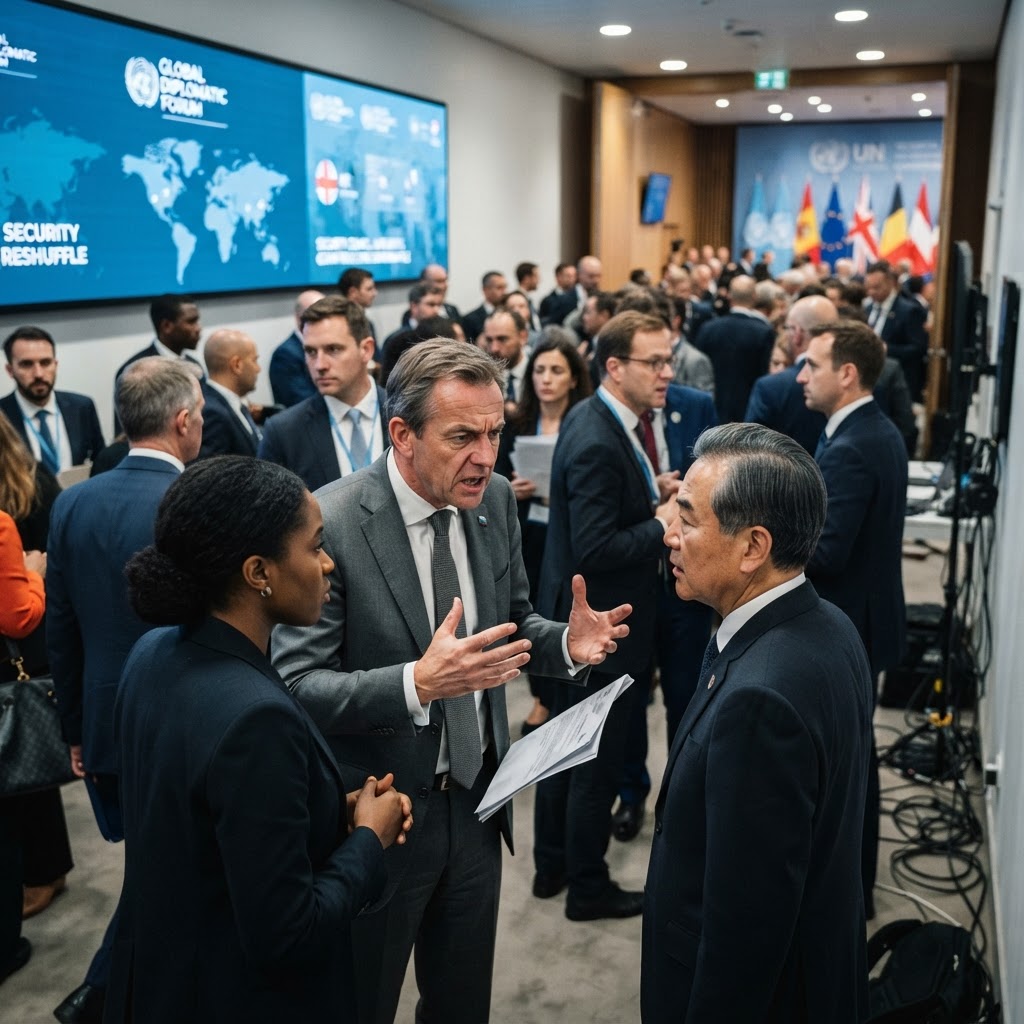
A Complex Geopolitical Landscape
International statecraft has entered a period of pronounced realignment, marked by high-stakes negotiations and fragile security balances. According to international diplomatic reporting highlighted by CNBC and regional analyses from TodayHeadline, regional tensions across the Middle East remain intensely fraught. Debates surrounding security guarantees, ceasefire frameworks, and the broader posture of major powers have complicated regional stability. Strategic partnerships are being renegotiated under acute pressure, as regional actors test the boundaries of Western commitments while simultaneously seeking security hedges against asymmetric regional threats.
Congressional Oversight and Domestic Polarization
Domestically, the legislative landscape within the United States continues to be defined by sharp partisan divisions and heightened institutional conflict. Recent reports from POLITICO and Al Jazeera point to escalating friction between the executive branch and congressional committees over discretionary spending, administrative authority, and statutory oversight. Lawmakers have zeroed in on federal allocations across border security, administrative media campaigns, and campaign finance ethics, reflecting deep institutional suspicion. Meanwhile, tense congressional hearings scrutinizing past executive probes and ongoing legal mandates demonstrate the persistent shadow that judicial scrutiny casts over national legislative agendas.
Shifting Political Frontlines Across Europe
Across the Atlantic, European political leadership is contending with its own distinct wave of structural transitions and domestic scrutiny. In the United Kingdom, political dynamics have seen substantial shifts as institutional leadership and parliamentary representations evolve amid debates over public policy, judicial reviews, and resource management reported by sources including the BBC and The Guardian. As European administrations grapple with rising economic pressures, energy costs, and contentious debates surrounding state intervention versus fiscal austerity, governing coalitions are feeling the strain of an increasingly restless electorate demanding immediate answers to complex systemic challenges.
Sanctions, Financial Instruments, and Global Diplomacy
Economic diplomacy has become an ever-more decisive battleground. As covered by Bloomberg and News Block, policymakers are actively seeking to leverage expanded sanctions regimes, banking restrictions, and trade curbs to exert geopolitical leverage without deploying conventional force. Bipartisan momentum in Washington to re-energize sanctions enforcement against foreign adversaries runs parallel to tightening financial scrutiny over private sectors and regional trade conduits. Yet, these measures have sparked broader deliberations among economists and policymakers regarding the long-term impact on global supply networks, currency reserve stability, and retaliatory economic countermeasures.
The Road Ahead for Democratic Institutions
As governments navigate these cross-cutting geopolitical, legislative, and economic pressures, the capacity of democratic institutions to maintain public trust is being tested worldwide. Whether reconciling internal legislative gridlock, negotiating multilateral climate and energy transitions, or managing shifting security alliances, state leaders are operating in an environment of diminished consensus. The coming months will likely see these political fault lines deepen, demanding greater strategic coherence from executive leadership and enduring vigilance from parliamentary watchdogs.
Recommended for you
Similar to “Politics”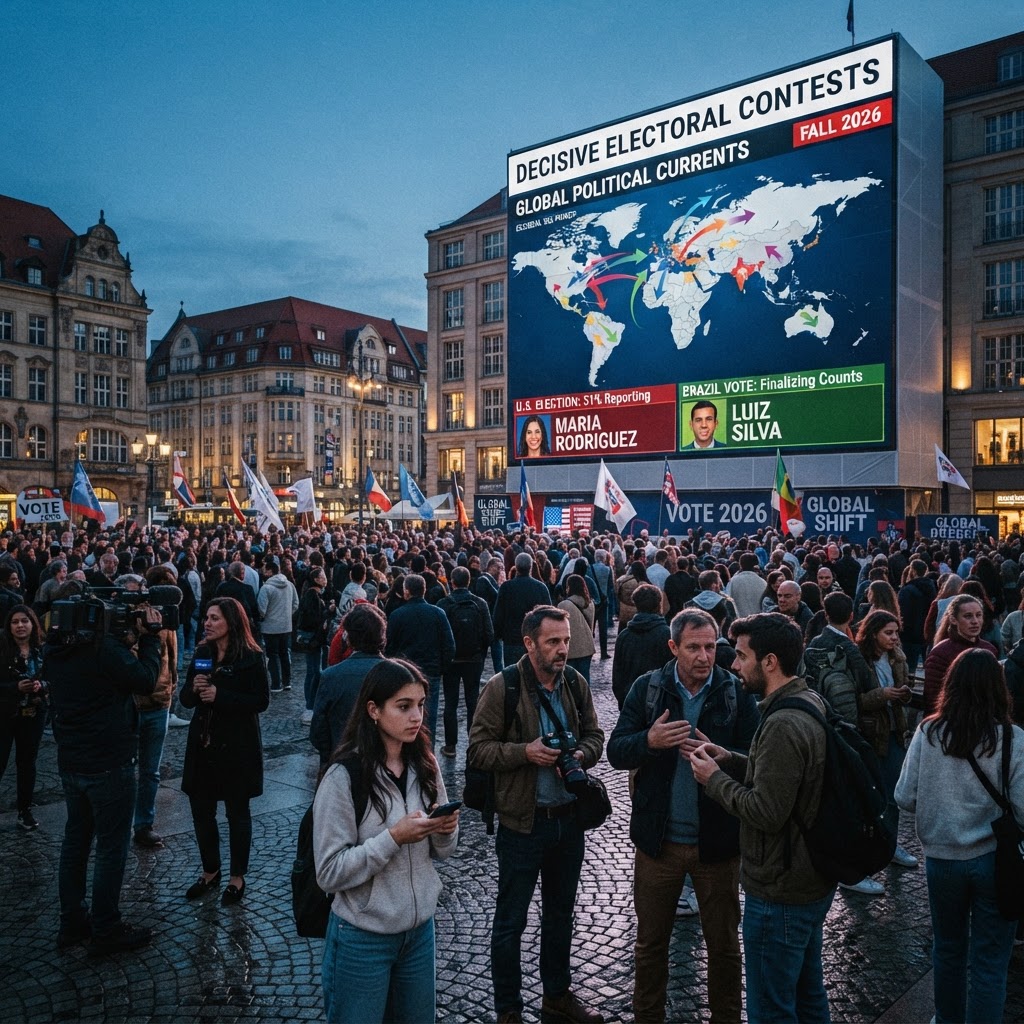
Global Political Currents: Decisive Electoral Contests and Shifting Power Dynamics Shape Fall 2026
From high-stakes electoral upsets across Latin America and Europe to mounting midterm campaign friction in the United States and Southeast Asian political rifts, global leadership enters a turbulent transitional phase.
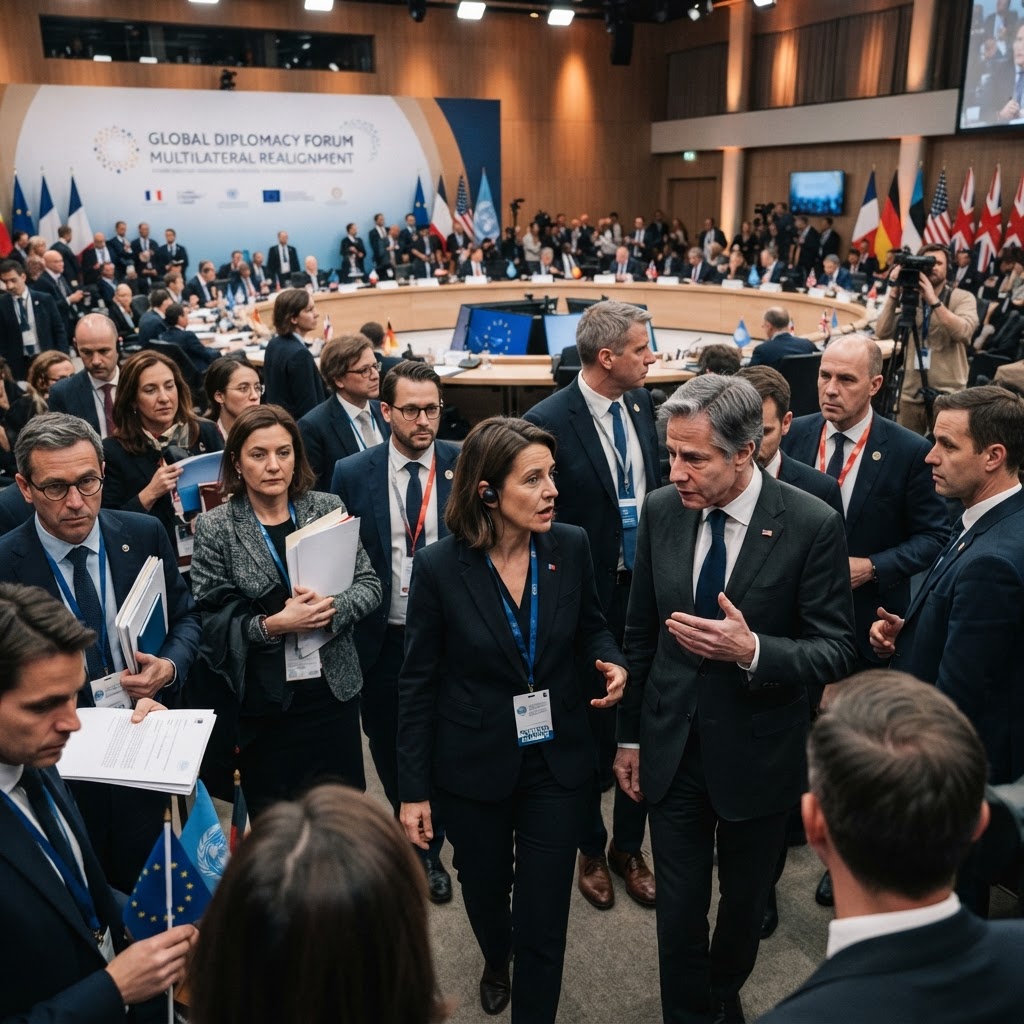
Global Diplomacy and Domestic Divides: Navigating Election Friction and Multilateral Realignment
From escalating debates over electoral integrity and legislative strategy across key U.S. states to transformative energy diplomacy in Europe and international climate compacts, political institutions worldwide face mounting pressure to balance ideological divides with governance.
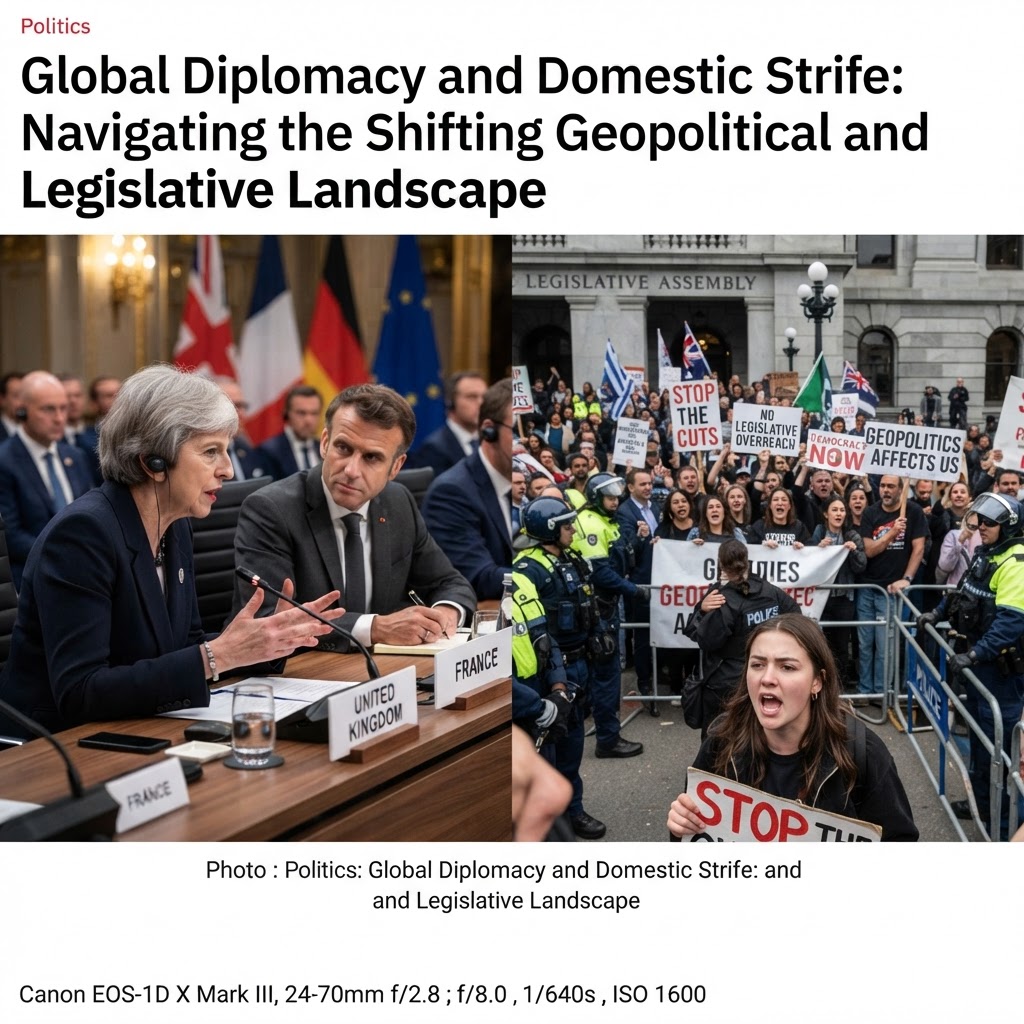
Global Diplomacy and Domestic Strife: Navigating the Shifting Geopolitical and Legislative Landscape
As high-stakes international summits and escalating trade challenges test the limits of foreign policy, governments face rising friction across domestic institutions, courts, and economic sectors.