Global Diplomacy and Domestic Divides: Navigating Election Friction and Multilateral Realignment
From escalating debates over electoral integrity and legislative strategy across key U.S. states to transformative energy diplomacy in Europe and international climate compacts, political institutions worldwide face mounting pressure to balance ideological divides with governance.
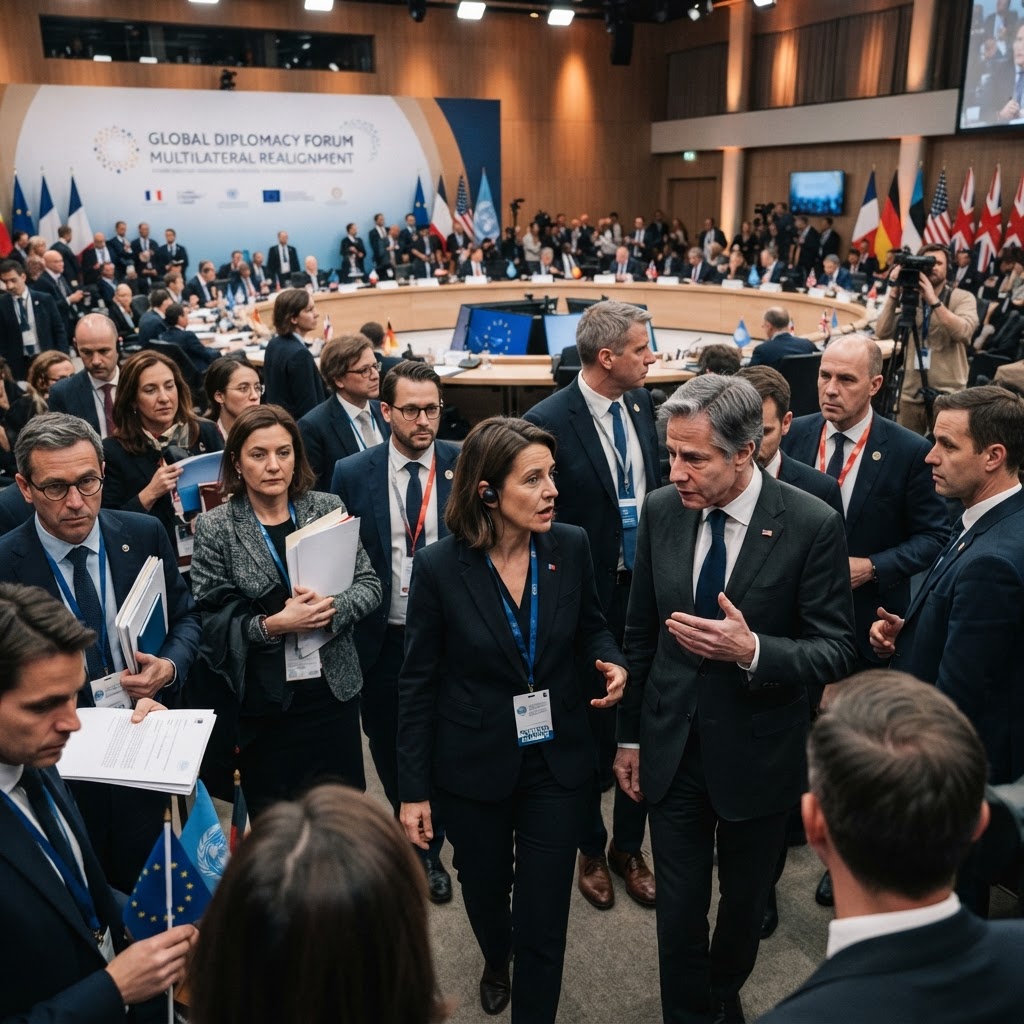
The Shifting Landscape of Electoral Governance
Representative democracies are grappling with intensified public scrutiny surrounding the mechanics of governance, voting systems, and political messaging. In the United States, debates over election administration have moved from technical bureaucratic discussions into prominent public debates. Recent polling reflects an enduring public appetite for structural impartiality, with strong voter majorities demanding independent oversight of election boards free from partisan entanglements. At the same time, regional party primaries and legislative contests reveal deep intra-party debates over ideology, as both major parties weigh whether centrist moderation or activist discipline is required to secure competitive swing districts in pivotal battlegrounds.
Legislative Stalemates and Shifting Campaign Strategies
Beyond institutional mechanics, major policy impasses continue to define national political narratives. The inability of party leaderships to forge durable compromises on high-profile domestic issues, such as comprehensive immigration reform and energy tariffs, has left legislative bodies in statehouses and national capitals increasingly polarized. Tactical analyses highlight that an unwillingness to seek middle ground often exposes party flanks during election cycles, turning policy deadlocks into immediate campaign liabilities. Meanwhile, public backlash against rapid technological disruptions—such as environmental debates over high-consumption artificial intelligence infrastructure—is creating unexpected political crosscurrents, forcing candidates to recalibrate their economic and regulatory platforms.
Pragmatism and Realpolitik in Foreign Policy
Across the international arena, traditional multilateral norms are rapidly giving way to strategic pragmatism. European foreign policy demonstrates this evolution as regional bodies adjust their diplomatic engagements in the Caucasus and Eastern Europe. Confronting urgent energy diversification goals, international institutions have increasingly pivoted away from rigid political conditionality toward targeted strategic partnerships. These initiatives reflect broader geopolitical calculations, as governments balance foundational human rights priorities against immediate energy security needs and cross-border trade dependencies amid shifting alliances.
Global Coalitions and Economic Transition
Despite deep regional rivalries and bilateral frictions spanning maritime corridors and defense pacts, multilateral diplomacy continues to carve out areas of coordination. Comprehensive global agreements, including expansive multilateral transition funds aimed at assisting developing nations with green energy transitions and standardized carbon mechanisms, illustrate that coordinated policymaking remains achievable. Moving forward, the enduring challenge for political leaders will be sustaining public trust at home while navigating an international order defined by both economic rivalry and essential cross-border cooperation.
Recommended for you
Similar to “Politics”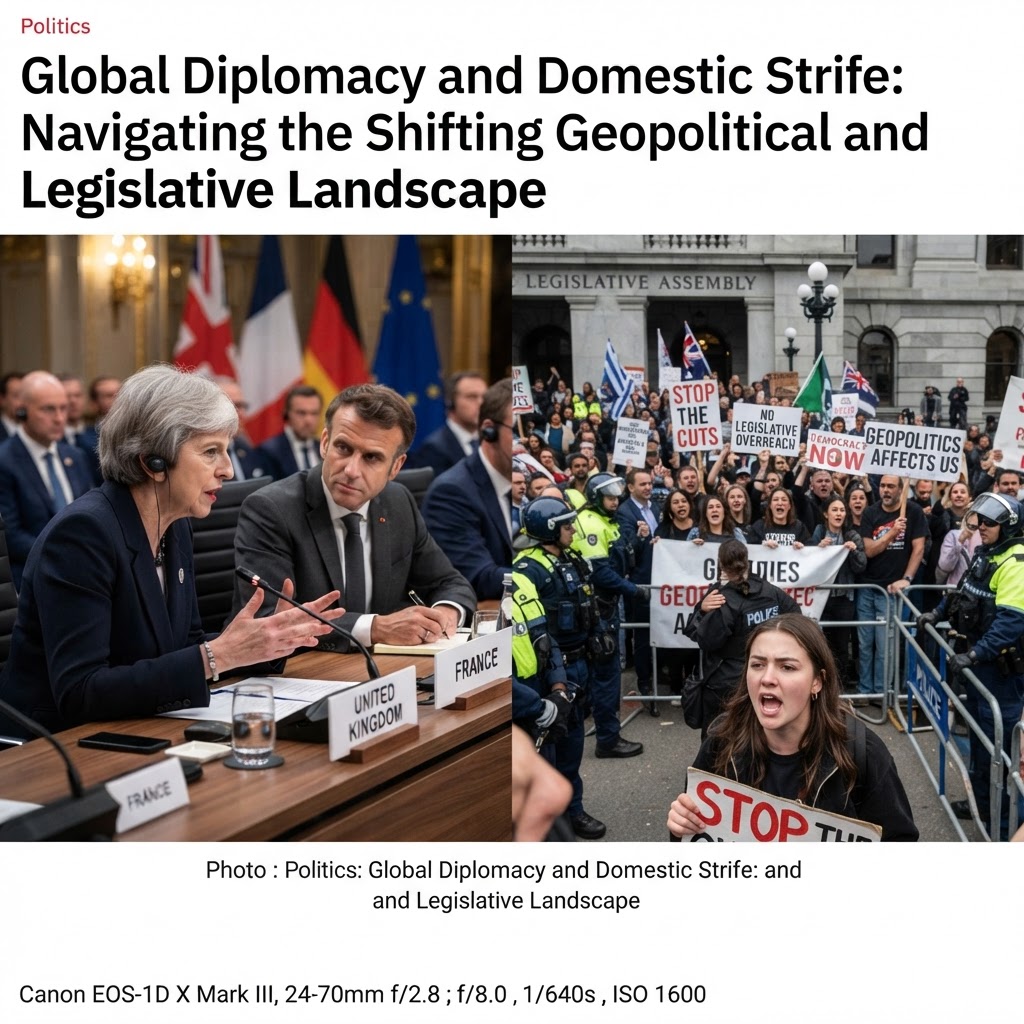
Global Diplomacy and Domestic Strife: Navigating the Shifting Geopolitical and Legislative Landscape
As high-stakes international summits and escalating trade challenges test the limits of foreign policy, governments face rising friction across domestic institutions, courts, and economic sectors.
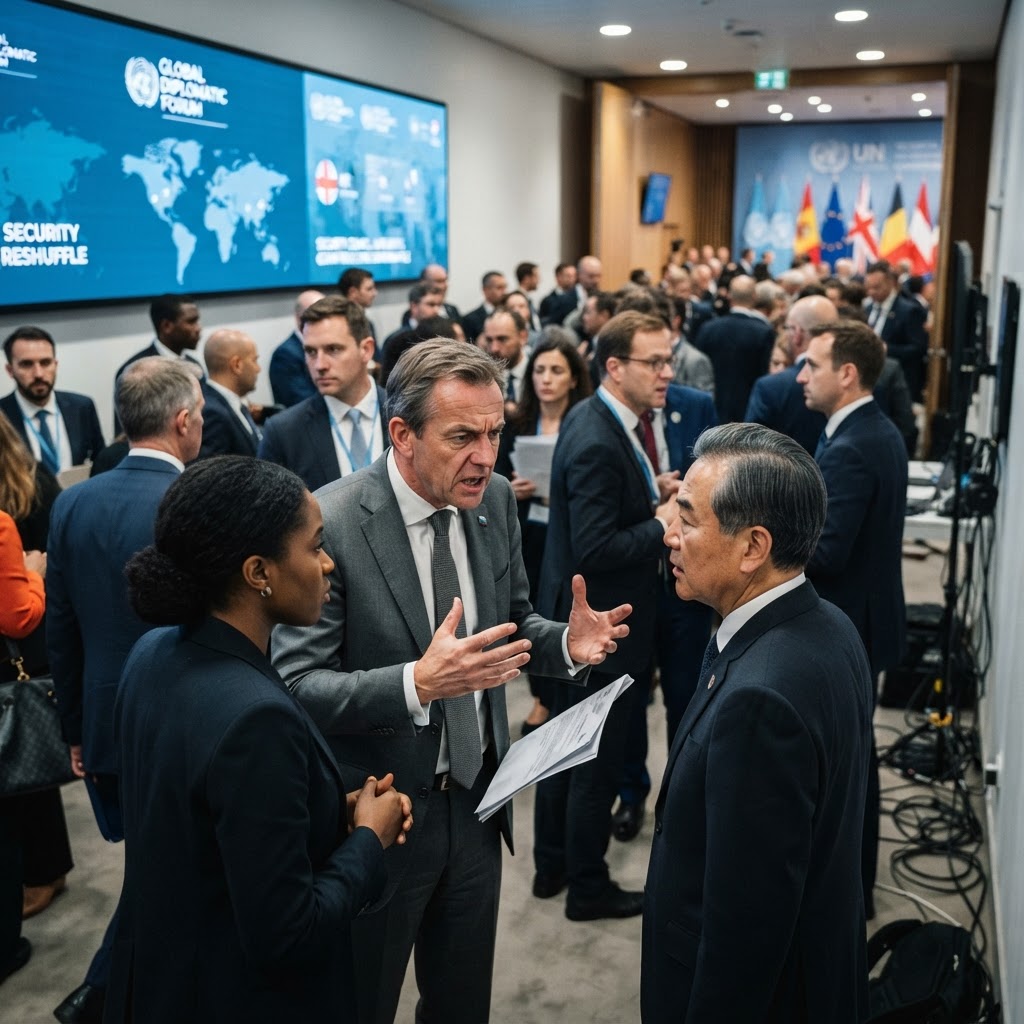
Diplomatic Reshuffles and Legislative Friction: Global Politics Enters a Volatile Transition Phase
From high-stakes diplomatic realignments in the Middle East to intensifying legislative oversight and constitutional debates in the United States and Europe, governments worldwide face mounting friction across domestic and foreign policy fronts.

Diplomatic Realignments and Domestic Turmoil: The Shifting Currents of Global Politics
As high-stakes international summits navigate rising tensions over Taiwan and regional conflicts, domestic political institutions confront fresh judicial debates, contentious legislative hearings, and critical electoral milestones across the globe.