Global Diplomacy and Domestic Strife: Navigating the Shifting Geopolitical and Legislative Landscape
As high-stakes international summits and escalating trade challenges test the limits of foreign policy, governments face rising friction across domestic institutions, courts, and economic sectors.
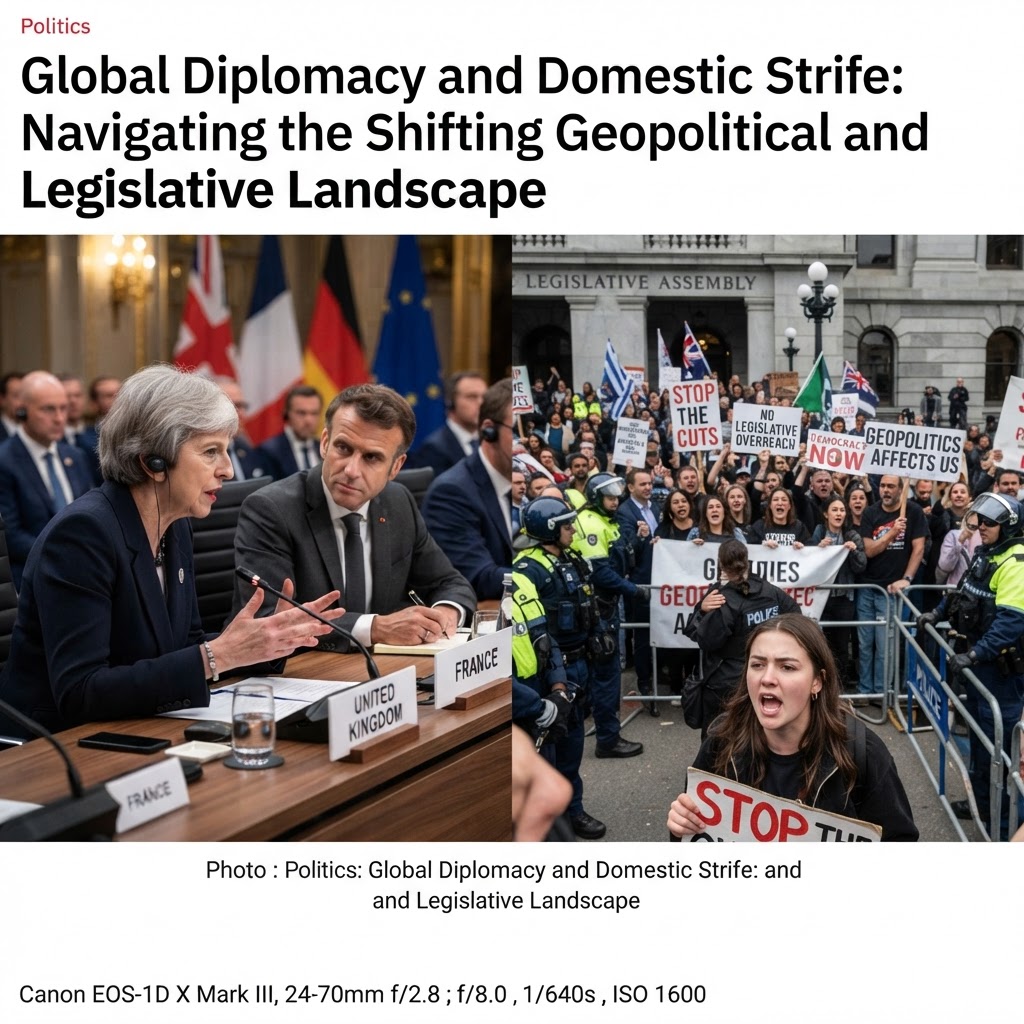
A Complex Crossroads in International Relations
In recent days, the international diplomatic arena has witnessed dramatic realignments and confrontations as global leaders grapple with energy security, escalating regional standoffs, and bilateral trade conflicts. In the United States, foreign policy maneuvers have taken center stage, highlighted by Donald Trump's firm rejections of negotiations with Iran and aggressive posturing over critical maritime corridors such as the Strait of Hormuz, according to reports in The Economist. Simultaneously, the White House hosted Chinese President Xi Jinping for a high-profile summit that yielded public displays of amity but few substantive breakthroughs, even as critical questions linger regarding whether Washington and Beijing can manage mutual threats surrounding emerging artificial intelligence technology, as reported by The Week.
These geopolitical moves extend far beyond rhetoric. As reported by CNBC, broader economic policy has come under immediate legal pressure, with fresh global tariffs encountering swift challenges in international trade courts. At the same time, intelligence and security chiefs are warning that technological supremacy and superintelligence have evolved into urgent national security battlegrounds, further complicating relations between traditional allies and strategic adversaries alike.
Domestic Policy Clashes and Judicial Battles
Domestically, executive decisions are generating substantial resistance across the political spectrum and inside the court system. Sweeping policy rollbacks have drawn immediate scrutiny, notably in environmental and economic regulation where contested shifts in fuel-economy baselines have triggered fierce criticism from opposing political figures, detailed by coverage on ECIKS. These domestic flashpoints illustrate the growing difficulty administrations encounter when attempting to dismantle established industry standards through unilateral administrative directives.
Simultaneously, aggressive administrative maneuvers targeting social safety nets have provoked intense controversy. Recent executive actions saw hundreds of thousands removed from Affordable Care Act rolls under allegations of noncompliance and improper enrollment, provoking widespread debate over the humanitarian and fiscal ramifications of abrupt welfare enforcement, per The Week. Meanwhile, the legal branch remains a crucial check; federal courts have intervened against restrictive media policies, temporarily halting attempts to deny access to journalists on White House grounds despite ongoing friction between government public relations offices and independent media outlets.
Bipartisanship Amid Deep Polarization
Despite persistent ideological divisions, isolated instances of cross-party collaboration continue to surface on Capitol Hill. Lawmakers from both sides of the aisle have coalesced around select public health priorities, introducing targeted bipartisan measures such as recent legislation focused on ovarian cancer prevention, as noted in ECIKS. These targeted efforts demonstrate that while sweeping legislative programs remain hindered by partisanship, narrow avenues for constructive cooperation remain open where public health and institutional stability overlap.
Nevertheless, internal discord among major factions indicates a volatile climate. Both major political camps are actively preparing for upcoming electoral cycles, with prominent figures testing endorsement strategies in competitive regional contests and realigning coalitions ahead of key national races. With voter priorities shifting amid fluctuating economic conditions and contentious public debates, institutional resilience will face sustained tests in the months ahead.
European Instability and Shifting Governance Abroad
Beyond the borders of North America, political volatility is reshaping traditional governance structures in Europe and across the globe. In the United Kingdom, political analysts and pollsters continue to project complex electoral outcomes, pointing to the rising likelihood of hung parliaments and fractured coalitions as traditional parties struggle to command firm majorities, as observed in The Week. This erosion of traditional political mandates mirrors trends seen across the European continent, where domestic defense budgets are facing unprecedented strain due to broader regional security commitments, as detailed by CNBC.
In Germany, prominent financial figures have publicly sounded alarms regarding political realignment, warning that structural policy shifts and rising political instability could erode investor confidence and destabilize regional supply chains. As established systems navigate escalating security concerns, judicial oversight, and popular discontent, leaders worldwide must navigate an increasingly polarized and interdependent political landscape.
Recommended for you
Similar to “Politics”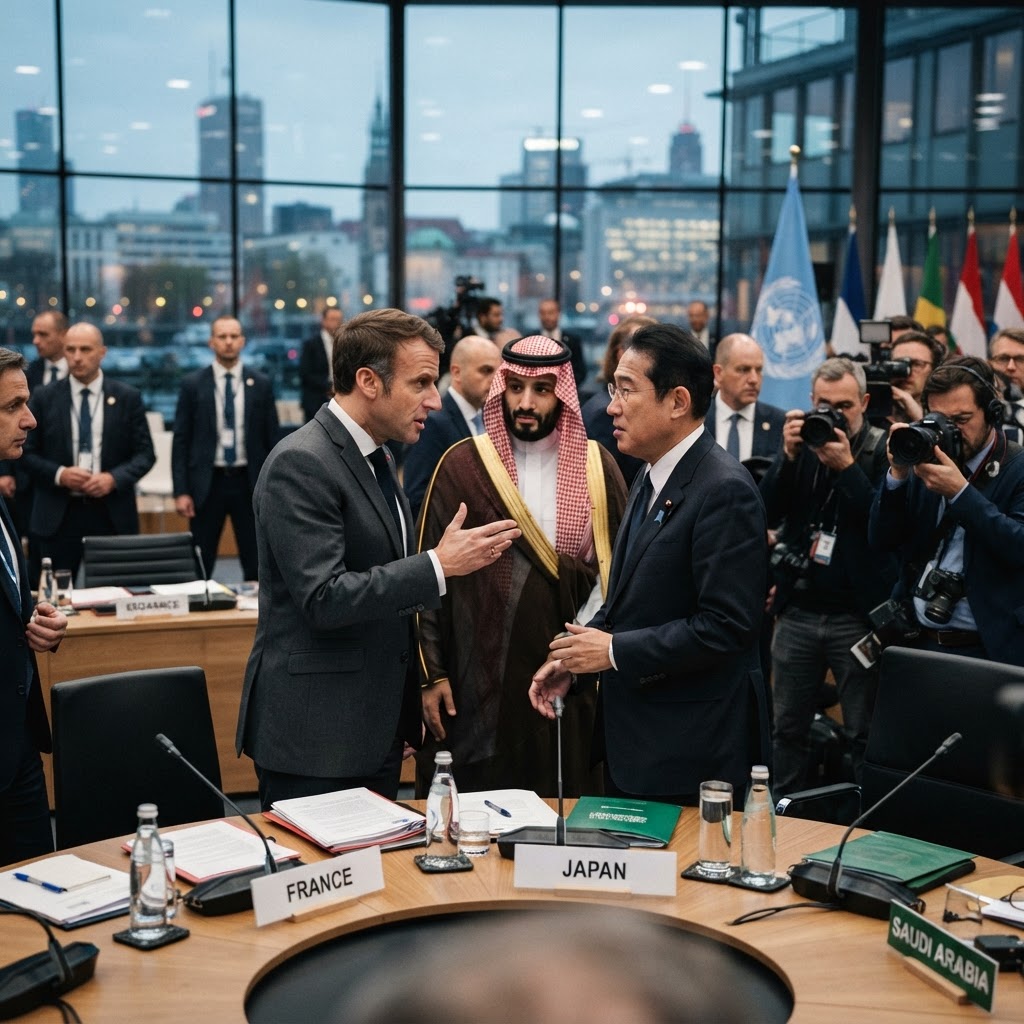
Diplomatic Realignments and Security Fractures: Global Politics Navigates High-Stakes Summits and Geopolitical Friction
As international leaders reconvene for vital summits amid shifting security alliances and economic strain, high-stakes diplomacy tests transatlantic ties and domestic political stability across major capitals.
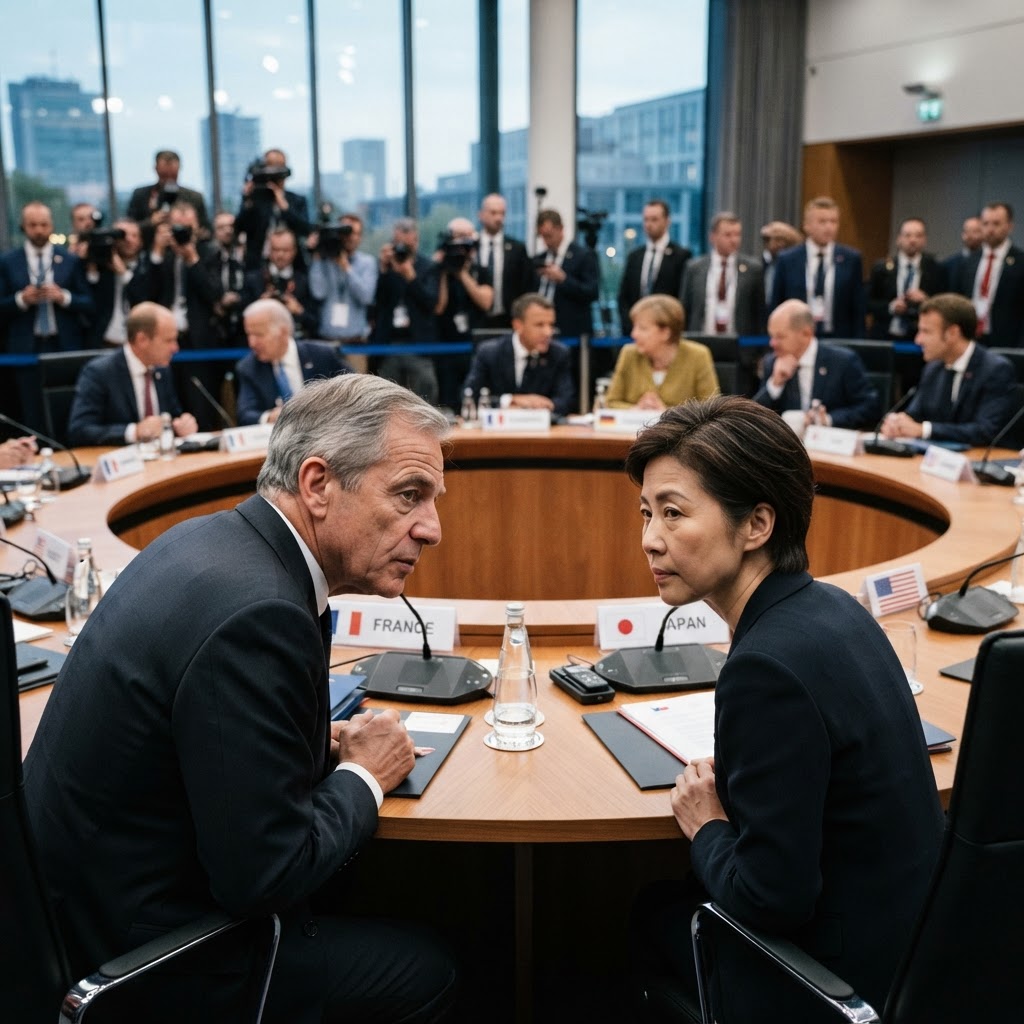
Diplomatic Chessboards and Shifting Alliances: High-Stakes Summits Unfold Amid Rising Geopolitical Friction
As major world leaders converge across Asia for a critical series of regional forums and an unprecedented trilateral summit, intensifying military tensions and domestic political battles test global stability.
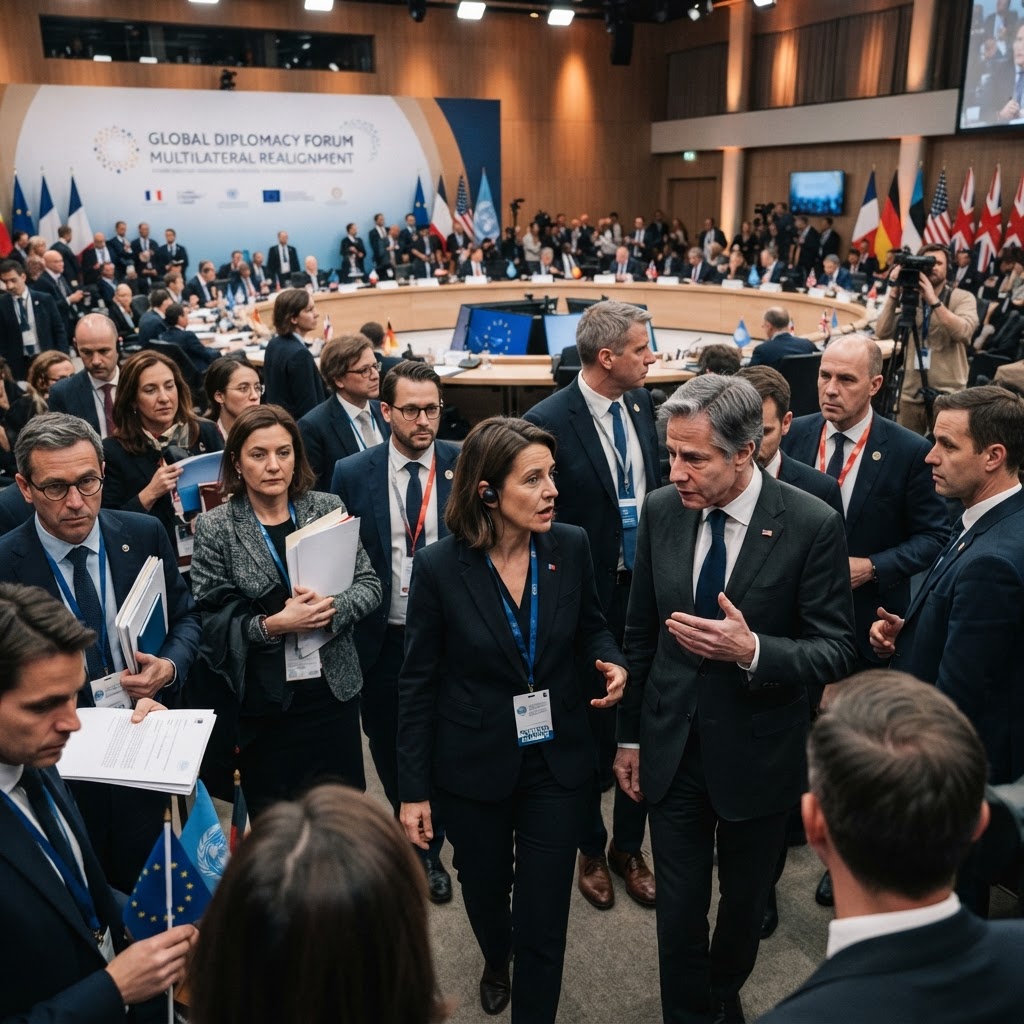
Global Diplomacy and Domestic Divides: Navigating Election Friction and Multilateral Realignment
From escalating debates over electoral integrity and legislative strategy across key U.S. states to transformative energy diplomacy in Europe and international climate compacts, political institutions worldwide face mounting pressure to balance ideological divides with governance.