Crossroads of Power: Deepening Geopolitical Conflicts and Domestic Turmoil Reshape the Global Political Order
As major geopolitical tensions escalate across the Middle East and Eastern Europe, domestic political battles and shifting economic pressures are testing governance across major world powers.
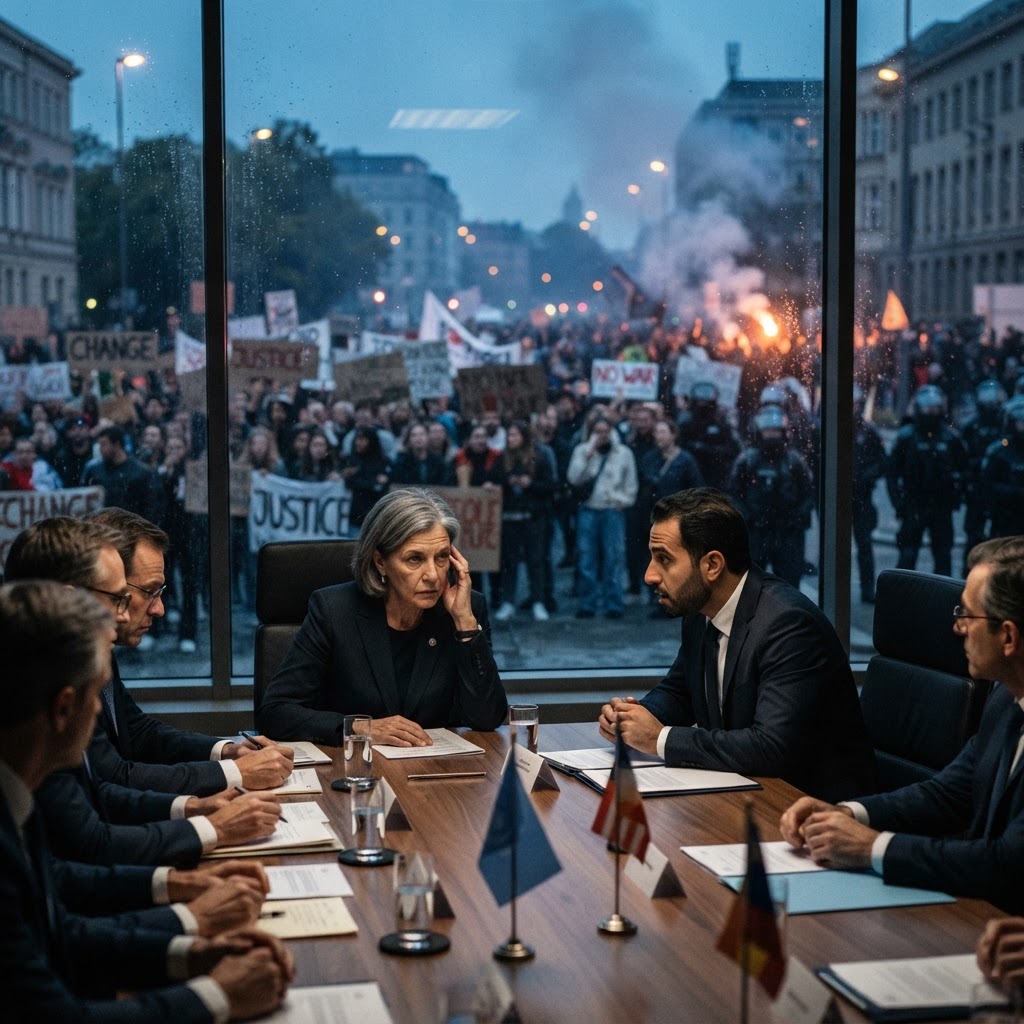
Turbulence in the Global Geopolitical Order
The international political landscape has entered a volatile phase as regional conflicts and strategic confrontations intersect with global economic fragility. Across multiple theatres, diplomatic institutions are struggling to contain spiraling disputes that threaten international stability. Recent security developments in the Middle East, including widespread military strikes and structural shocks to energy distribution, continue to impose heavy humanitarian costs and upend global markets, as highlighted by tracking of major confrontations on Major Events of 2026. At the same time, the protracted war in Ukraine and heightened military postures across Europe have accelerated defense realignments, forcing Western capitals and NATO allies to balance extensive foreign commitments against mounting fiscal and domestic political pressures.
Domestic Strains and Approaching Midterm Confrontations
On the domestic front, political contestation in key democracies has intensified as public anxiety over inflation, energy prices, and structural governance takes center stage. In the United States, campaigning ahead of critical congressional midterm elections has placed the administration's policy trajectory directly in the crosshairs of the electorate. According to political reporting by Politics : NPR, political rallies have increasingly turned toward economic grievances and healthcare controversies, with voters weighing the burden of living costs against legislative achievements. The balance of power in Washington hangs in the balance as both parties clash over economic priorities, regulatory appointments, and executive oversight, turning state-level and national races into referendums on national leadership.
Strategic Trade and Diplomatic Realignments
Concurrently, major economic powers are recalibrating their strategic trade frameworks to mitigate geopolitical risk. Diplomatic consultations between the European Union, China, and the United States have spotlighted ongoing friction over industrial policy, clean technology subsidies, and automotive trade balance, as outlined in global reporting by Politics and Government News. European capitals face the difficult task of reconciling ambitious climate transition mandates with surging consumer fuel costs and industrial competitiveness concerns reported across the continent by Video. Latest news bulletin | October 14th, 2026 – Morning. In Beijing, high-level policy directives continue to emphasize technological self-reliance, advanced manufacturing, and engagement with the Global South to offset Western regulatory friction and sanctions architectures.
The Trajectory Forward
As governments worldwide confront these intertwined challenges, the margin for policy miscalculation continues to narrow. Whether through voter verdicts at the ballot box, diplomatic negotiations over trade quotas, or high-stakes defense postures, the decisions enacted in the coming months are set to define the geopolitical boundaries of the decade.
Recommended for you
Similar to “Politics”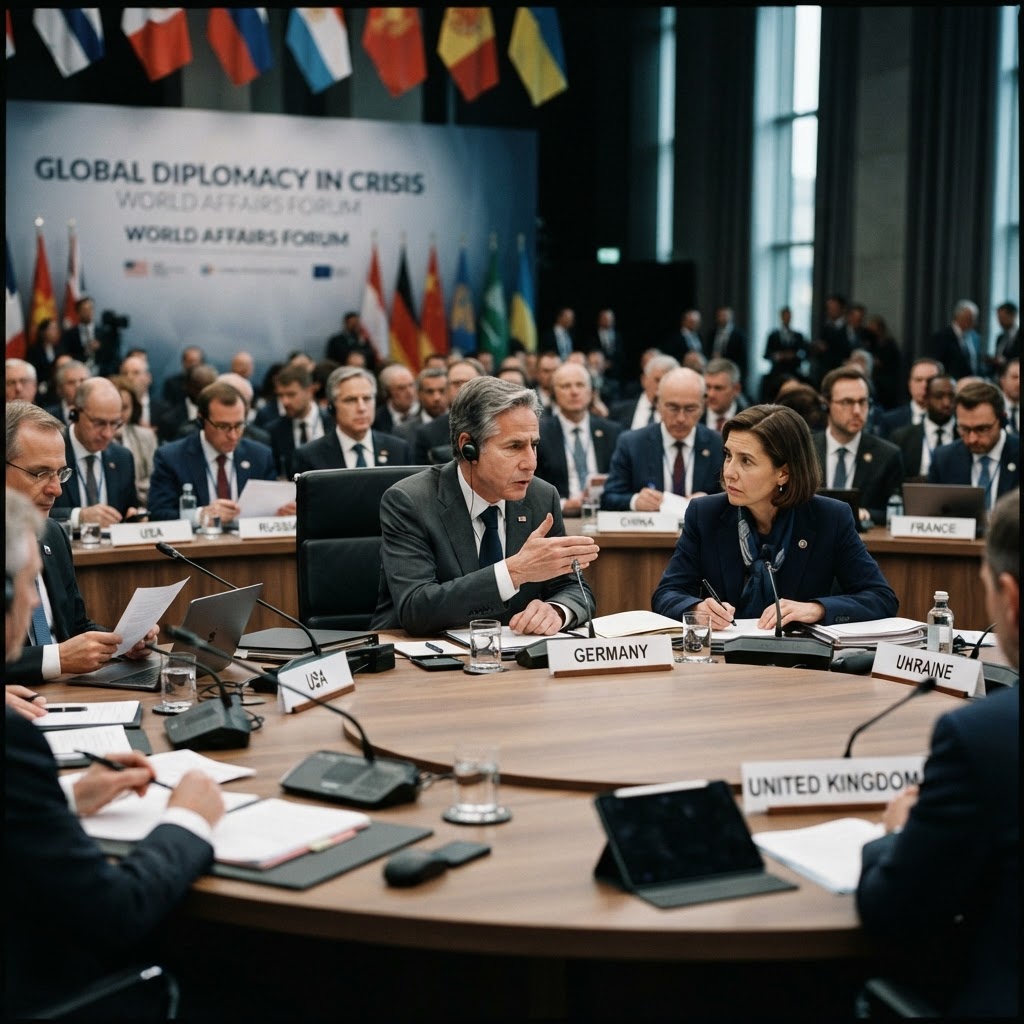
Global Diplomacy Strained as Energy Pacts, Weapon Shortages, and Political Fractures Reshape World Order
Recent diplomatic realignments, shifting energy agreements between major powers, and escalating regional tensions across Eastern Europe, the Middle East, and Asia are testing long-standing geopolitical alliances.
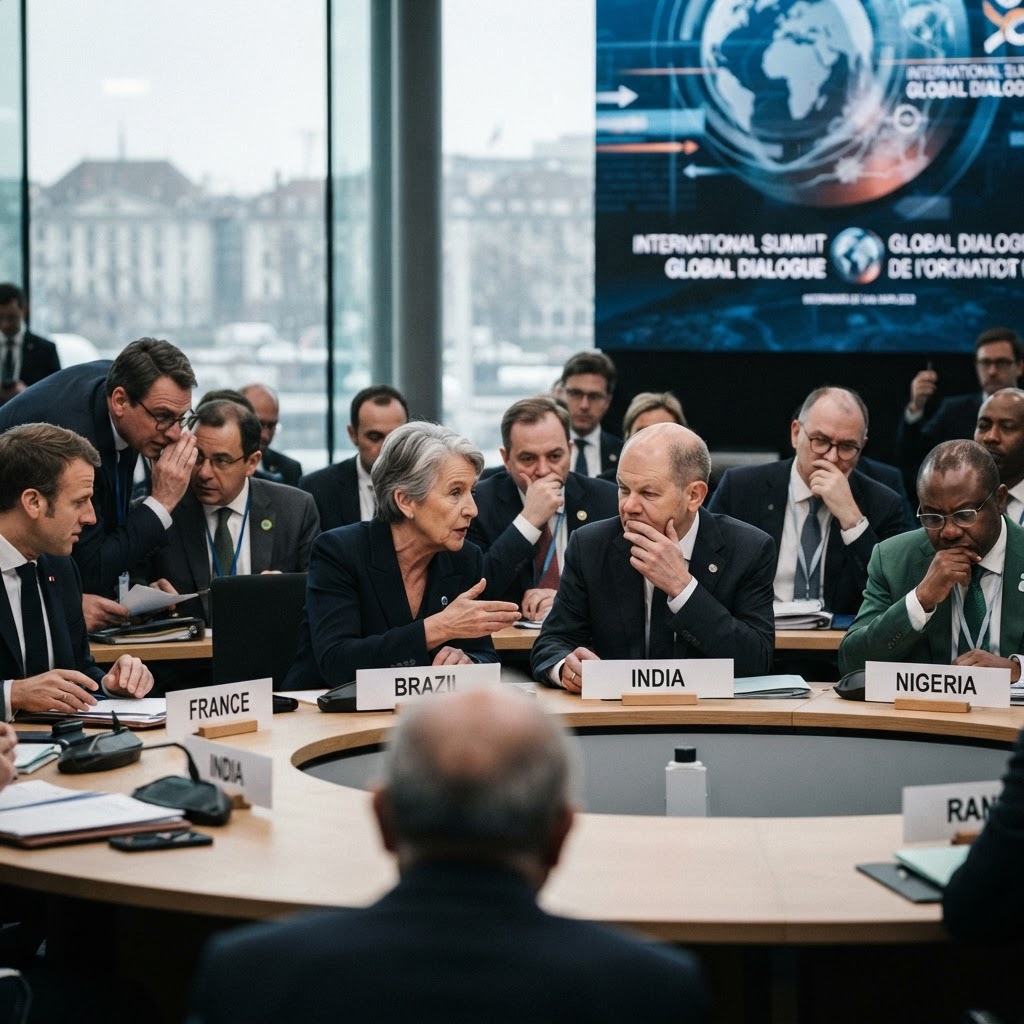
A Fractured World Order: Power Shifts, Diplomatic Realignments, and Crises Reshape Global Politics
Recent high-stakes diplomacy at regional summits, leadership transitions across major capitals, and escalating confrontations from the Middle East to Eastern Europe mark a defining moment of global realignment.
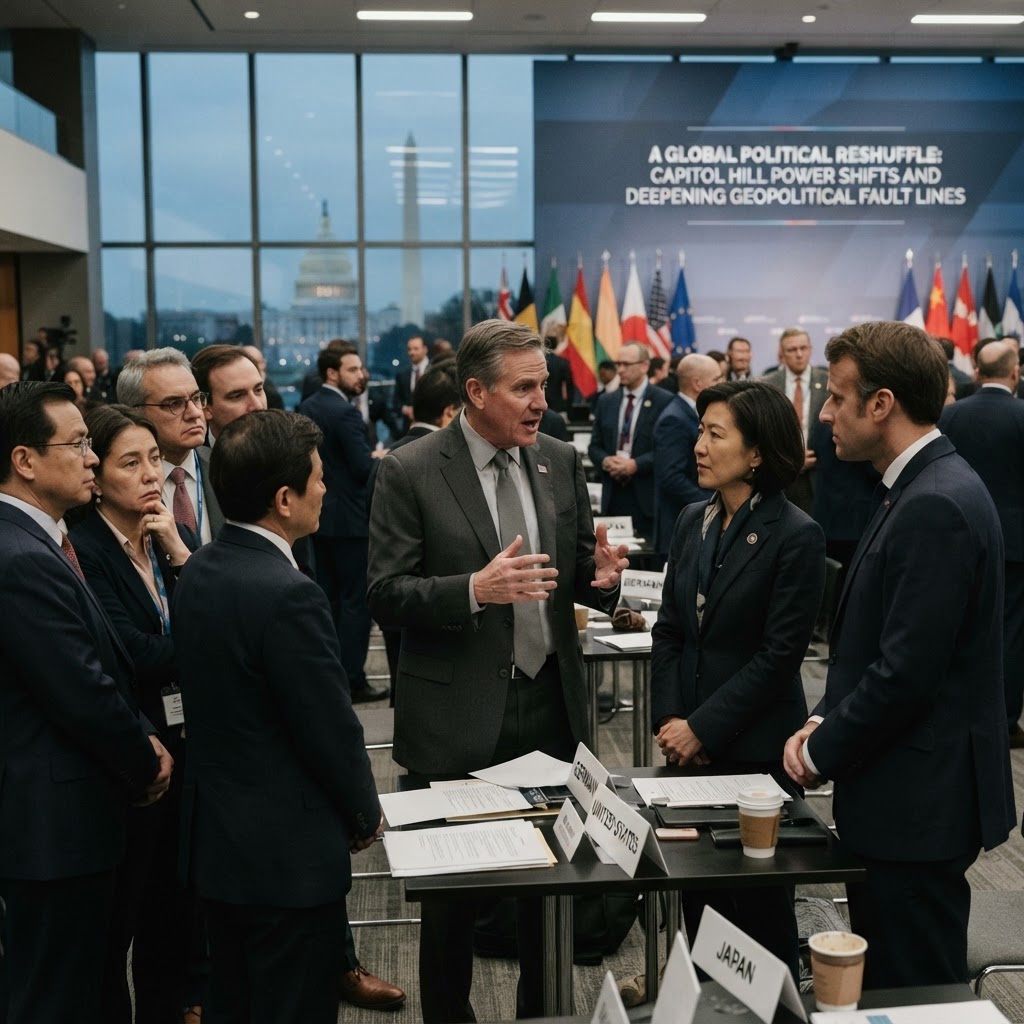
A Global Political Reshuffle: Capitol Hill Power Shifts and Deepening Geopolitical Fault Lines
Recent electoral upheavals in the United States and intense diplomatic realignments across the Middle East, Eastern Europe, and South Asia mark a transformative moment in international politics.