A Fragile Horizon: Midair Crisis and Shifting Geopolitical Alignments Challenge Global Stability
Recent high-stakes security emergencies, including a violent midair incident over the Middle East and ongoing strain across major conflict zones, underscore the precarious state of contemporary international relations.

Unprecedented Midair Security Crisis Shakes Regional Civil Aviation
International security agencies and civil aviation authorities were thrust into high alert following a violent midair emergency aboard a commercial flight en route from Dubai to Tel Aviv, as reported in recent dispatches by ABC News and the BBC. The flight was forced to divert unexpectedly into Saudi Arabian airspace after a violent cockpit altercation resulted in the stabbing of a pilot. Prompt intervention by passengers and crew prevented catastrophic descent, yet the incident has triggered extensive international counterterrorism investigations into how cockpit protocols were breached and whether the episode had broader geopolitical motivations.
The diplomatic repercussions of the diversion were immediate. While regional leaders urged restraint—with Israeli officials stating that it remains too early to definitively confirm state-backed links or broader insurgent sponsorship—the necessity of emergency landings across regional borders brought bilateral crisis communications to the forefront. Observers note that the crisis tests recently normalized diplomatic and commercial links across the Middle East, demonstrating how isolated security breaches can quickly reverberate through sensitive international corridors.
Entrenched Tensions and Defense Realignments Across Key Theaters
Beyond aviation security, broader global dynamics reflect deep fragmentation. Conflict zones across Eastern Europe and the Middle East continue to dominate diplomatic discussions, according to world coverage from NBC News and regional reporting compiled by Devdiscourse. In Ukraine, prolonged strikes on metropolitan centers such as Kyiv have renewed urgencies around air-defense stockpiles, with international coalitions weighing the pace and durability of anti-ballistic and heavy weapons supplies amidst domestic political shifts in key donor capitals.
Concurrently, maritime security across the Red Sea and adjacent shipping corridors remains volatile due to persistent asymmetric threats and missile strikes reported by CNBC. These persistent maritime vulnerabilities continue to disrupt global supply chains, forcing commercial vessels into longer, costlier detours and compelling maritime coalitions to reassess protection mandates for essential international waterways.
The Strained Architecture of Alliances and Multilateral Institutions
As crises multiply, international policy analysts writing in publications like Foreign Affairs emphasize that existing multilateral mechanisms are struggling to keep pace with rapid, overlapping security shocks. The modern geopolitical framework is increasingly defined by transactional partnerships rather than enduring institutional consensus, placing acute pressure on long-standing alliances to modernize industrial output and defense logistics.
From migration policy disputes straining cross-border coordination in Western Europe to internal political debates concerning foreign defense expenditures, national governments are navigating domestic discontent alongside external commitments. The contemporary international arena is increasingly characterized by a diffusion of leverage, where non-state actors, localized disruptions, and technological threats challenge traditional diplomatic diplomacy.
Looking Ahead: Navigating an Unpredictable Global Stage
The convergence of civil transit security shocks, prolonged territorial confrontations, and maritime disruptions illustrates the fragile state of modern world affairs. As international investigators conclude inquiries into recent cross-border incidents and world leaders recalibrate their security doctrines, the coming months will serve as a crucial test. Whether global institutions can develop more resilient cooperative frameworks will determine how effectively the international community manages an era defined by persistent volatility.
Recommended for you
Similar to “World Affairs”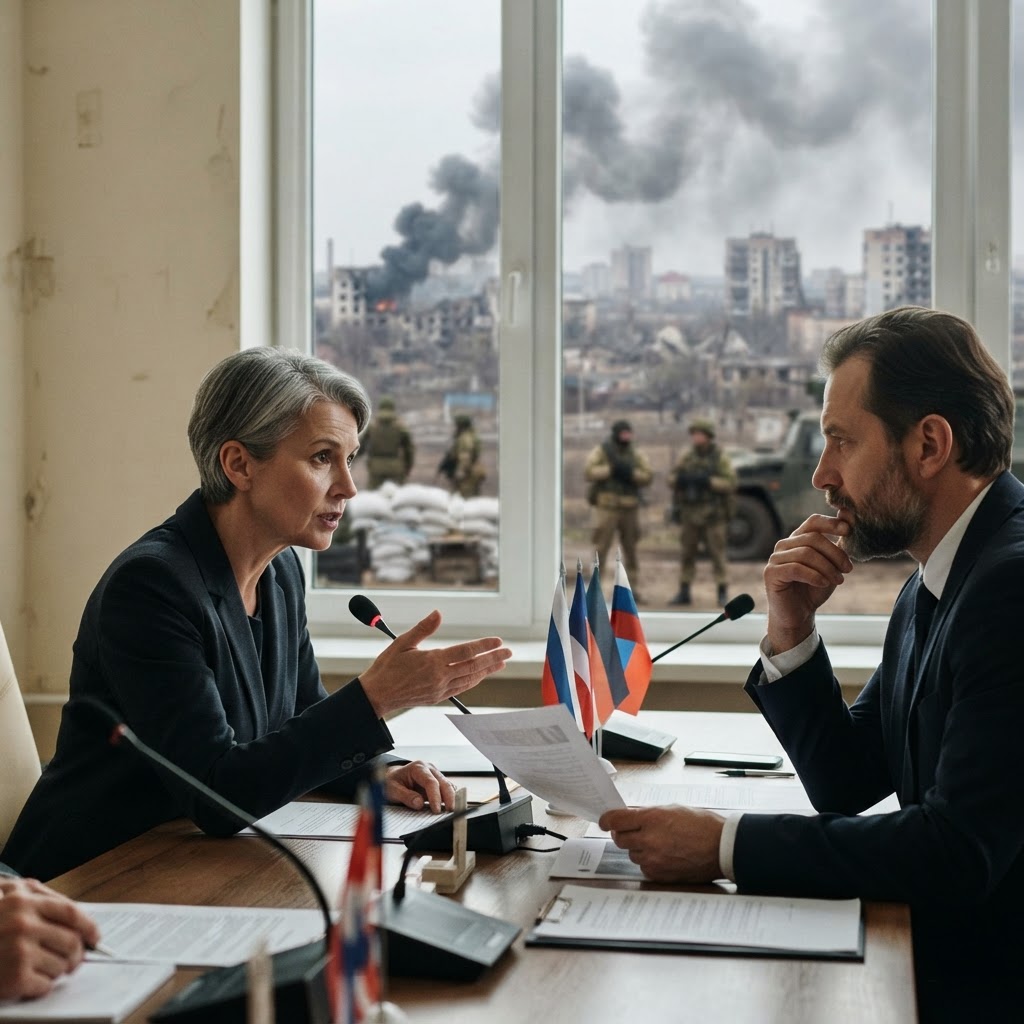
Diplomatic Openings Confront Battlefield Escalation: Global Affairs at a Critical Juncture
As high-stakes negotiations emerge across the Middle East and Eastern Europe, severe military strikes and maritime disruptions underscore the fragile balance of contemporary international relations.
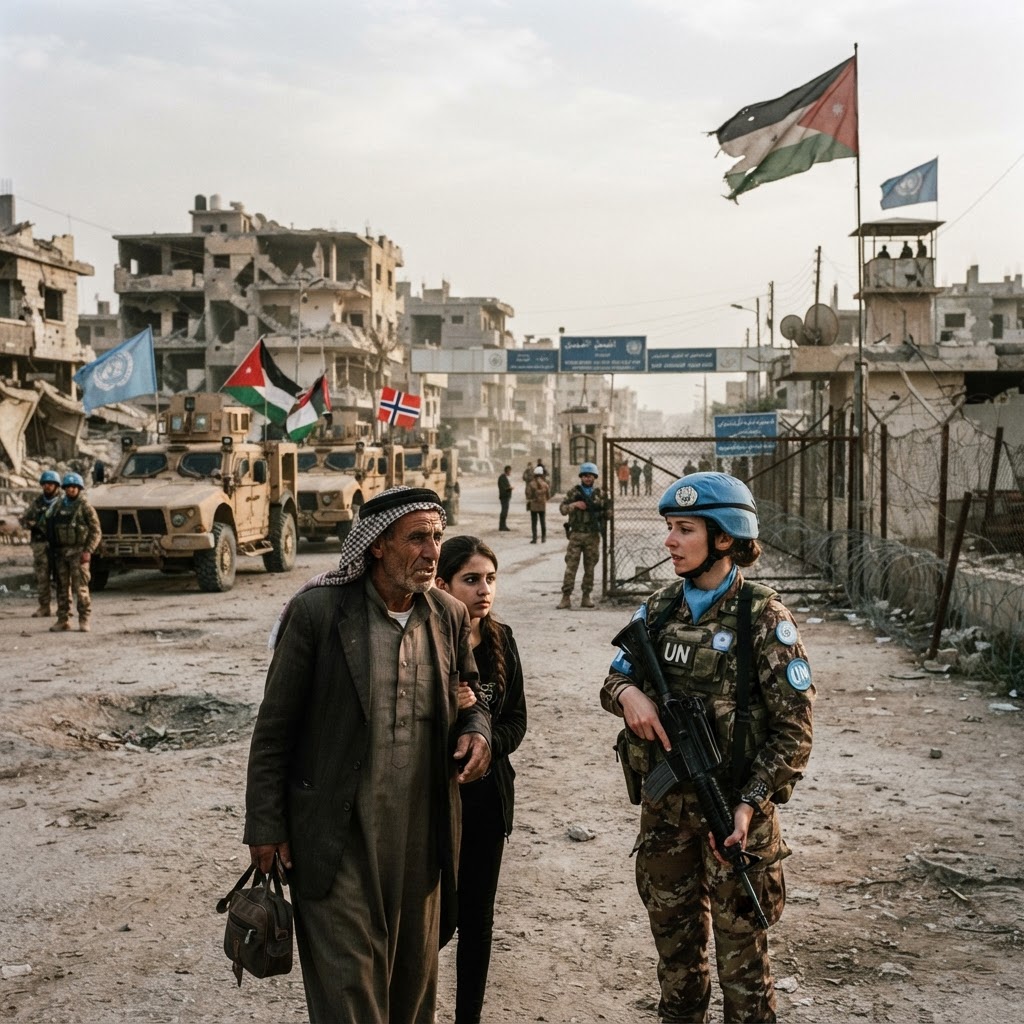
Fragile Frontlines: Escalating Middle East Hostilities and Shifting Geopolitics Test Global Stability
Heightened tensions across the Persian Gulf, high-stakes political contests, and parallel diplomatic initiatives underscore an increasingly interconnected and volatile international arena.
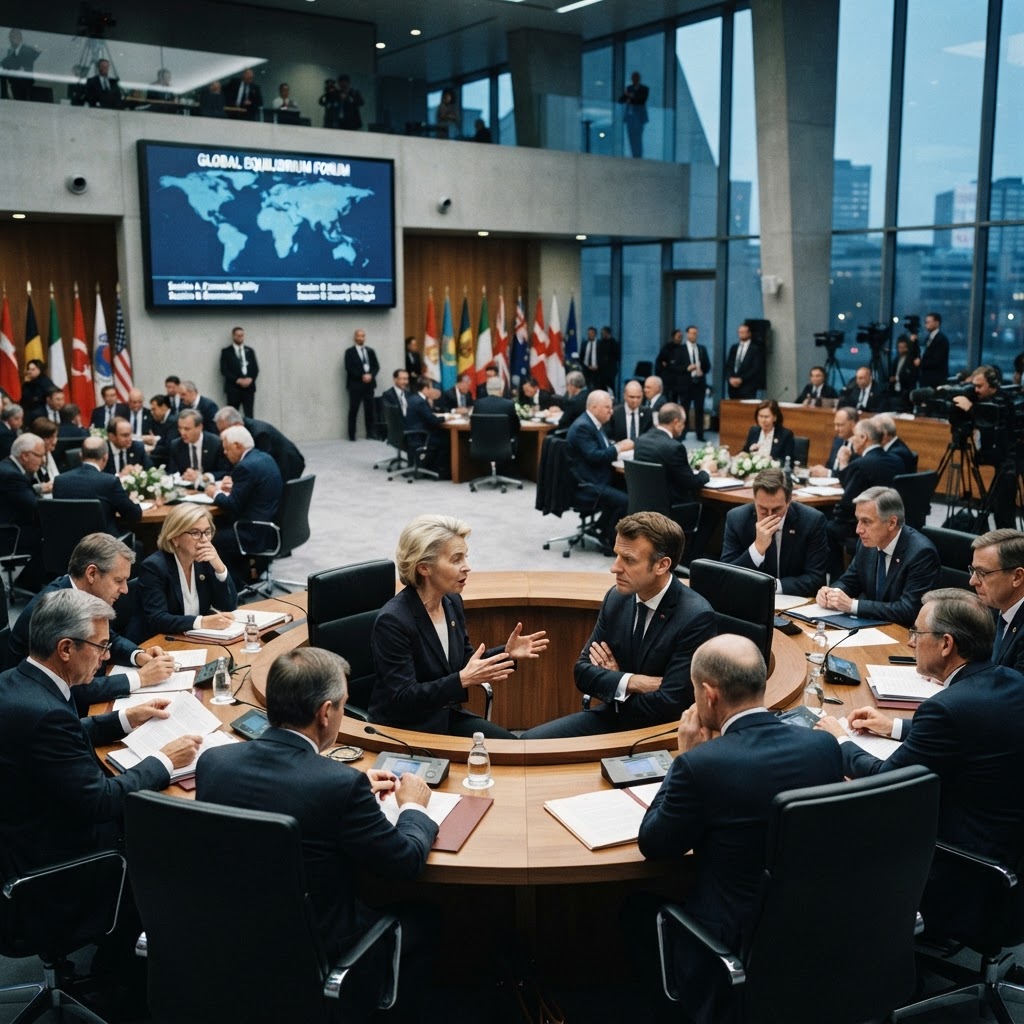
A Multiplying Global Equilibrium: Summits, Standoffs, and the Fragile Search for Stability
High-stakes diplomacy between major powers, escalating maritime tensions in the Middle East, and fraught multilateral negotiations over technology and climate underscore a deeply fragmented global landscape.