Diplomatic Openings Confront Battlefield Escalation: Global Affairs at a Critical Juncture
As high-stakes negotiations emerge across the Middle East and Eastern Europe, severe military strikes and maritime disruptions underscore the fragile balance of contemporary international relations.
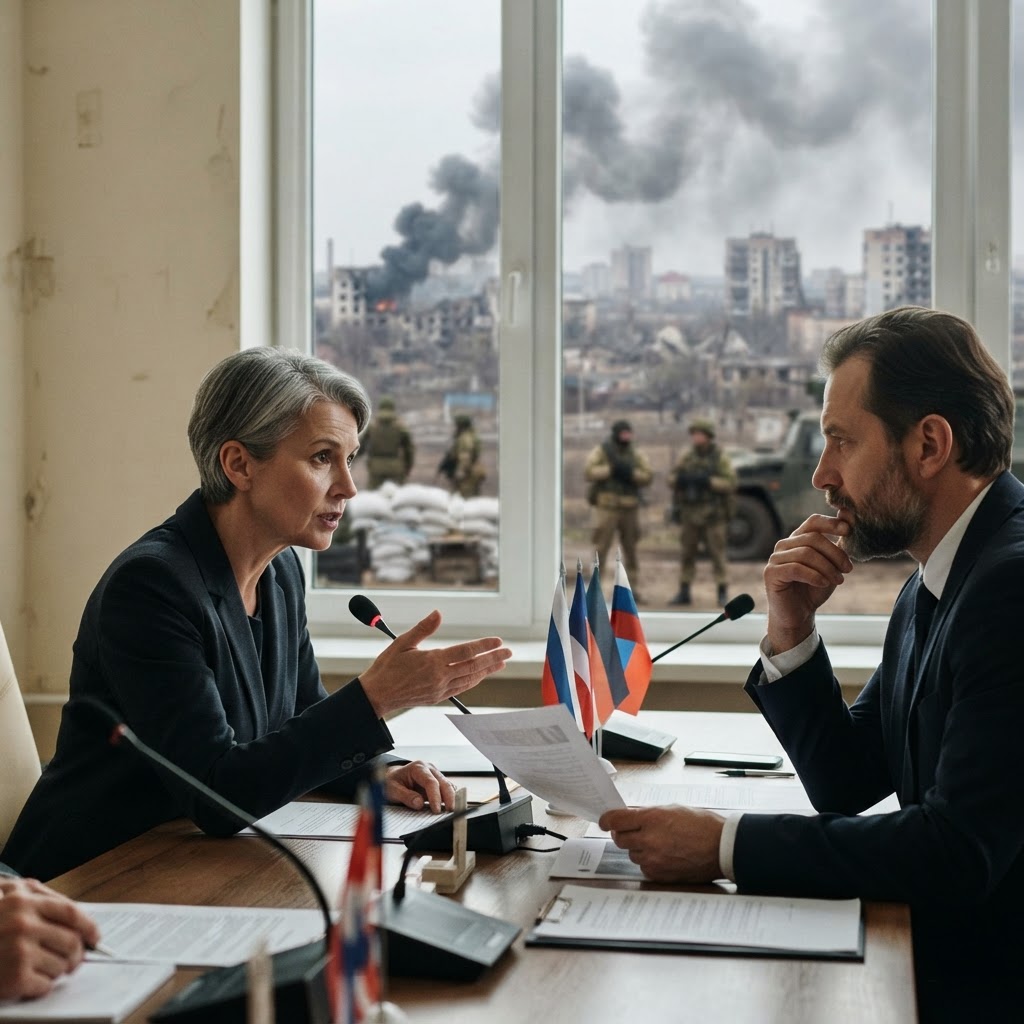
A Complex Convergence of Crisis and Dialogue
In recent days, the international landscape has entered an intensely volatile phase marked by competing trajectories of armed escalation and emergent diplomacy. Across key theaters in the Middle East and Eastern Europe, long-strained security architectures are facing severe stress tests. Even as tentative arrangements for mediation surface in international capitals, continuous strikes and supply-chain vulnerabilities demonstrate how easily political momentum can be overtaken by events on the ground.
Energy Security and Tensions Along Persian Gulf Chokepoints
A primary nexus of international concern centers on the Persian Gulf, where crucial maritime energy corridors have experienced acute instability. Armed clashes and naval operations surrounding the Strait of Hormuz have triggered immediate shockwaves throughout global commerce. Tensions escalated following maritime attacks targeting energy carriers, including incidents involving liquefied natural gas transports that prompted regional suppliers to declare extended force majeure measures. The disruption has sent gas prices surging across consumer markets in Europe and Asia, revitalizing fears of a persistent winter energy crisis.
Amid warnings and strikes reported near Iranian coastal installations, delicate diplomatic maneuvers are underway. Negotiators from regional powers and Western capitals have floated proposals for a potential multi-week pause in hostilities, conditional on maritime passage guarantees. Official statements from Tehran have signaled a readiness to restore unrestricted transit through the Strait of Hormuz provided reciprocal security and diplomatic terms are addressed. Observers note that while rhetoric remains fierce, the economic necessity of reopening key shipping lines may offer a narrow aperture for mediated de-escalation.
Eastern European Frontlines Ahead of Projected Talks
Simultaneously, the war in Eastern Europe remains locked in intense attrition, punctuated by civilian casualties and strategic maneuverings. Humanitarian and logistics hubs in southeastern Ukraine, particularly around Zaporizhzhia, have faced devastating bombardment in recent days, resulting in scores of casualties and extensive infrastructure damage. Ukrainian officials continue to warn of renewed pressure on national energy grids and transportation networks as winter approaches.
Despite the severity of ongoing combat operations, international mediators are preparing what could be a crucial diplomatic window. Working-level negotiations mediated under international auspices are scheduled to convene in Abu Dhabi, bringing delegations together for direct consultations aimed at exploring cessation frameworks and perimeter security. Yet, both parties face steep political hurdles. Ukrainian leadership has emphasized that any long-term normalization cannot compromise national sovereignty or economic integration into European markets, while European Union leaders debate enlargement pathways and trade safeguards against the backdrop of sustained geopolitical confrontation.
Electoral Shifts and Reshaped Foreign Policies
Domestic political developments across major democracies are accelerating shifts in global alliance structures. In Washington, recent legislative elections have shifted the balance of power, creating new friction over international aid, defense commitments, and trade policies. Adjustments to strategic assistance packages, including traditional security subsidies in the Levant, reflect an increasingly transactional orientation among key lawmakers. This evolving domestic consensus has injected substantial uncertainty into ongoing conflicts across the Levant and the wider Mediterranean.
Elsewhere, political transformations are rewriting regional alignments. In Southeastern Europe, grassroots and student-led political movements in Serbia have challenged longstanding leadership structures, resulting in parliamentary upsets and comprehensive reviews of state contracts and external alliances. In Bulgaria, presidential runoff elections reinforced an administration skeptical of expanded military aid programs, illustrating a deepening divergence in how European states approach collective security and regional defense burdens.
Global Resilience Tested by Asymmetric Pressures
Beyond traditional battlefields, non-military disruptions are testing global resilience. Health authorities across multiple continents have implemented heightened border screenings and quarantine protocols in response to isolated epidemic risks, while European and Asian infrastructure operators contend with sophisticated cyber operations targeting civic logistics and commercial distribution networks. Concurrently, severe weather patterns across South Asia have compounded supply-chain strains, demonstrating how environmental volatility intersects with geopolitical instability.
As diplomatic channels in Abu Dhabi and Gulf capitals prepare for pivotal meetings, the coming days will serve as a bellwether for whether diplomatic institutions can outpace expanding regional crises, or if the current wave of strategic friction will harden into prolonged instability.
Recommended for you
Similar to “World Affairs”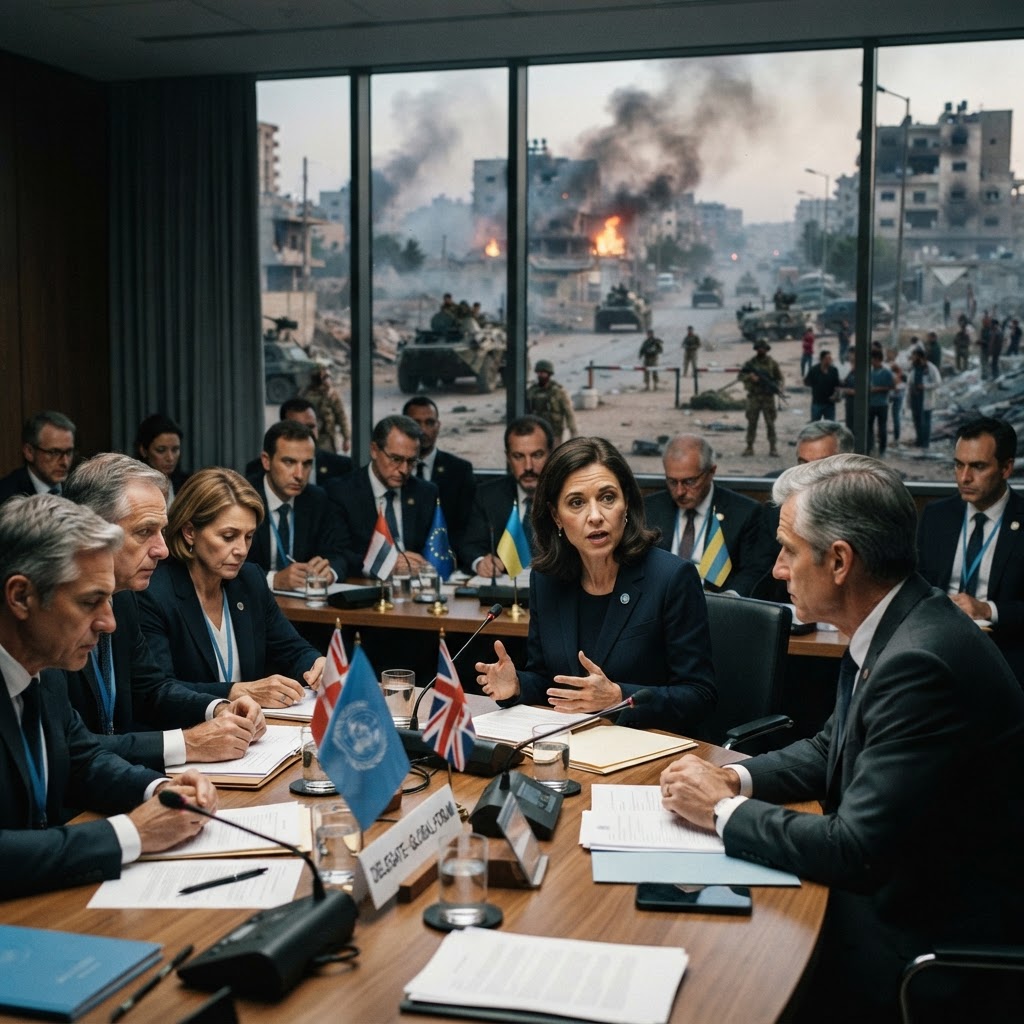
Fragile Diplomacy and Escalating Fronts: Global Tensions Test International Order
High-stakes diplomatic negotiations in the Middle East and Eastern Europe face mounting strain as battlefield strikes, political shakeups, and maritime friction disrupt peace efforts across multiple continents.
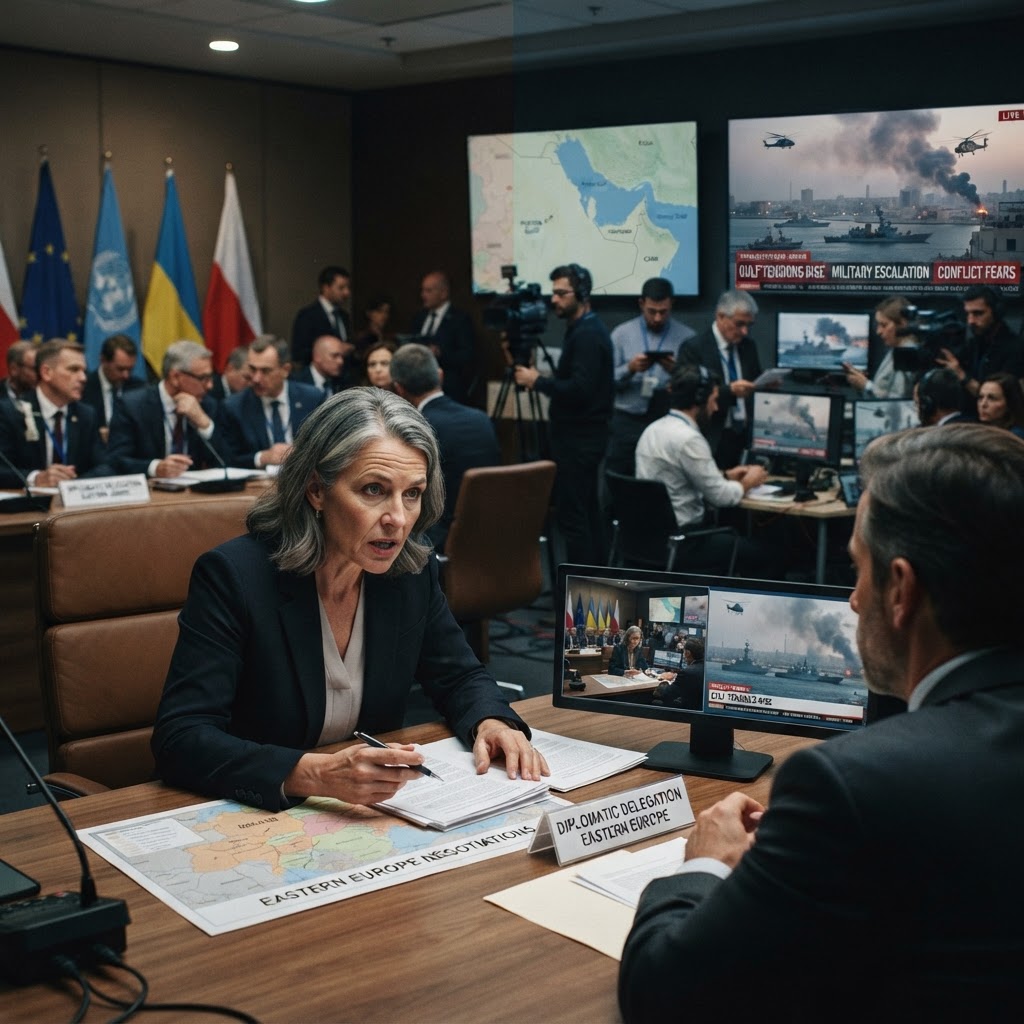
Fragile Peace Diplomacy in Eastern Europe Collides with Rising Escalation in the Gulf
While high-stakes diplomatic negotiations over the war in Ukraine face deadlock over territorial sovereignty, escalating maritime clashes and strategic strikes across the Persian Gulf threaten to spark a broader regional conflict.
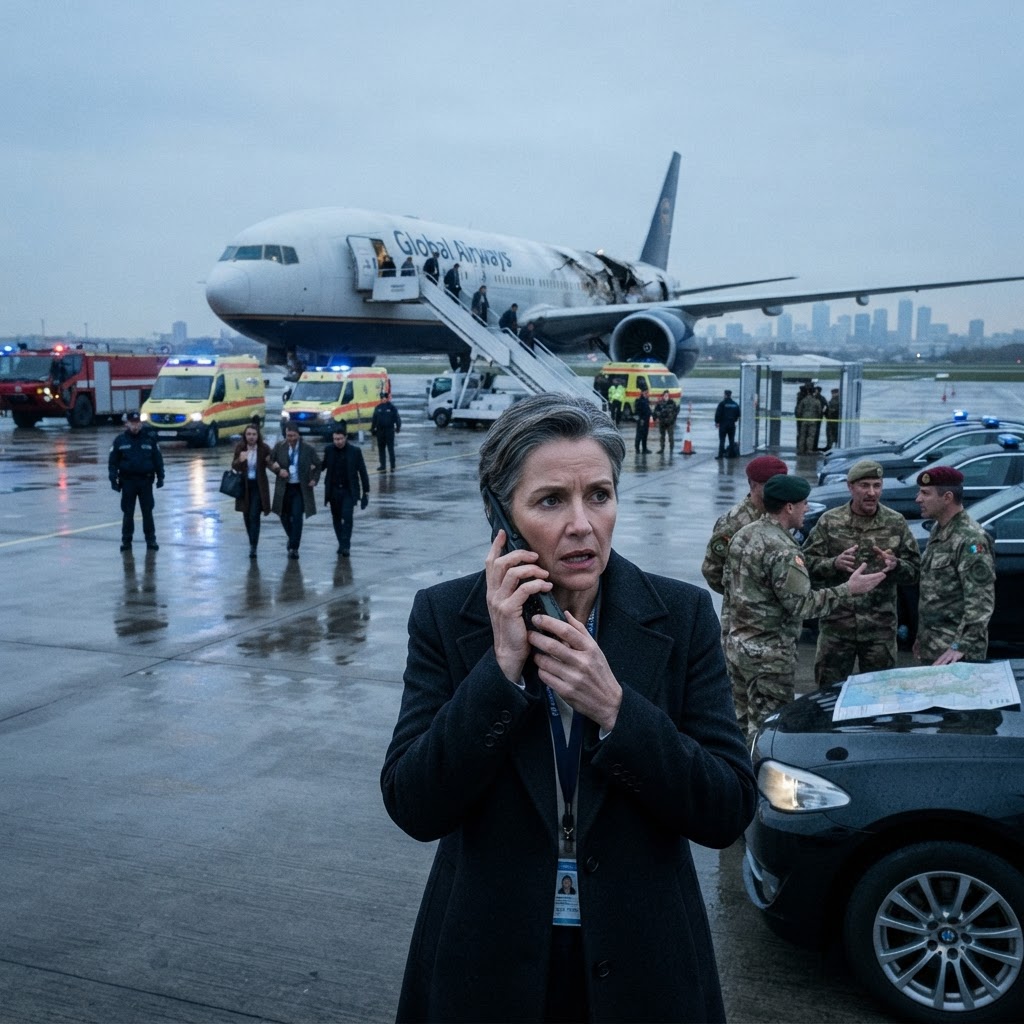
A Fragile Horizon: Midair Crisis and Shifting Geopolitical Alignments Challenge Global Stability
Recent high-stakes security emergencies, including a violent midair incident over the Middle East and ongoing strain across major conflict zones, underscore the precarious state of contemporary international relations.