A Fractured Horizon: Global Opinion Grapples with Trade Wars, Middle East Escalation, and Economic Disquiet
Recent commentary and opinion polling across major global outlets reflect acute public anxiety over persistent economic strain, escalating Middle Eastern confrontations, and the fragile state of international alliances.

The Shadow of Geopolitical Friction
In commentary desks and editorial pages across the globe, a singular theme has come into sharp focus over the past several days: the fragility of international order under compound political and economic strains. A survey of leading opinion platforms highlights deepening concerns over militarized friction in the Middle East, unpredictable trade measures among long-standing allies, and widespread economic dissatisfaction that cuts across both Western democracies and emerging economies.
A critical flashpoint in recent opinion discourse centers on escalating confrontations involving Iran and their broader ramifications. According to commentary from publications like Newsweek, analysts warn that Washington’s diplomatic and economic pressure strategies are complicated by Beijing's continued economic engagement with Tehran, challenging simplistic assumptions regarding international containment. Meanwhile, international commentators in outlets such as The Japan Times point out the volatile real-world consequences of these regional maneuvers, where elevated crude prices nearing triple digits undermine celebratory political narratives regarding naval dominance in key shipping corridors such as the Strait of Hormuz.
The Cost of Living and the Fracturing Social Contract
Beyond military grandstanding, global polling data and public opinion tracking underscore a pervasive sense of malaise among ordinary citizens. According to long-term demographic and social tracking by Ipsos, majorities across leading economies—including the United States, Great Britain, Germany, France, and Japan—express the pessimistic view that their countries are headed in the wrong direction and their national economies remain in distress. The persistent surge in living expenses has steadily eroded domestic confidence, amplifying voter volatility and fueling domestic political fragmentation.
This persistent economic friction is actively reshaping electoral dynamics. Columnists in North America and Europe observe that ongoing trade skirmishes—even between historically close allies such as the United States and Canada—risk penalizing domestic consumers and inflaming regional tensions at a time when citizens are least equipped to absorb rising consumer costs. Such policy stances, as noted across The Washington Post Global Opinions, illustrate how populist protectionism can backfire politically, driving wedge issues into legislative elections and straining regional diplomacy.
Allies, Adversaries, and the Search for Consensus
The broader institutional architecture meant to manage these global disruptions appears increasingly embattled. Essays appearing in international venues like Global Policy Journal and institutional trackers such as the Chicago Council on Global Affairs debate whether the post-war multilateral framework has reached an irreversible inflection point. Observers question whether established international bodies can retain legitimacy as coalitions like the expanded BRICS bloc challenge traditional governance, and diplomatic forums struggle to forge consensus on climate resilience, cross-border regulation, and security guarantees.
As these editorial perspectives show, the global mood is defined less by clear ideological consensus and more by a collective apprehension. With citizens fatigued by cost-of-living strains and wary of protracted international conflicts, the mandate for global leadership is shifting rapidly. The opinion landscape reflects a public demanding pragmatic, de-escalatory governance over confrontational rhetoric—a demand that institutions on both sides of the Atlantic and the Pacific will find increasingly difficult to ignore.
Recommended for you
Similar to “Global Opinion”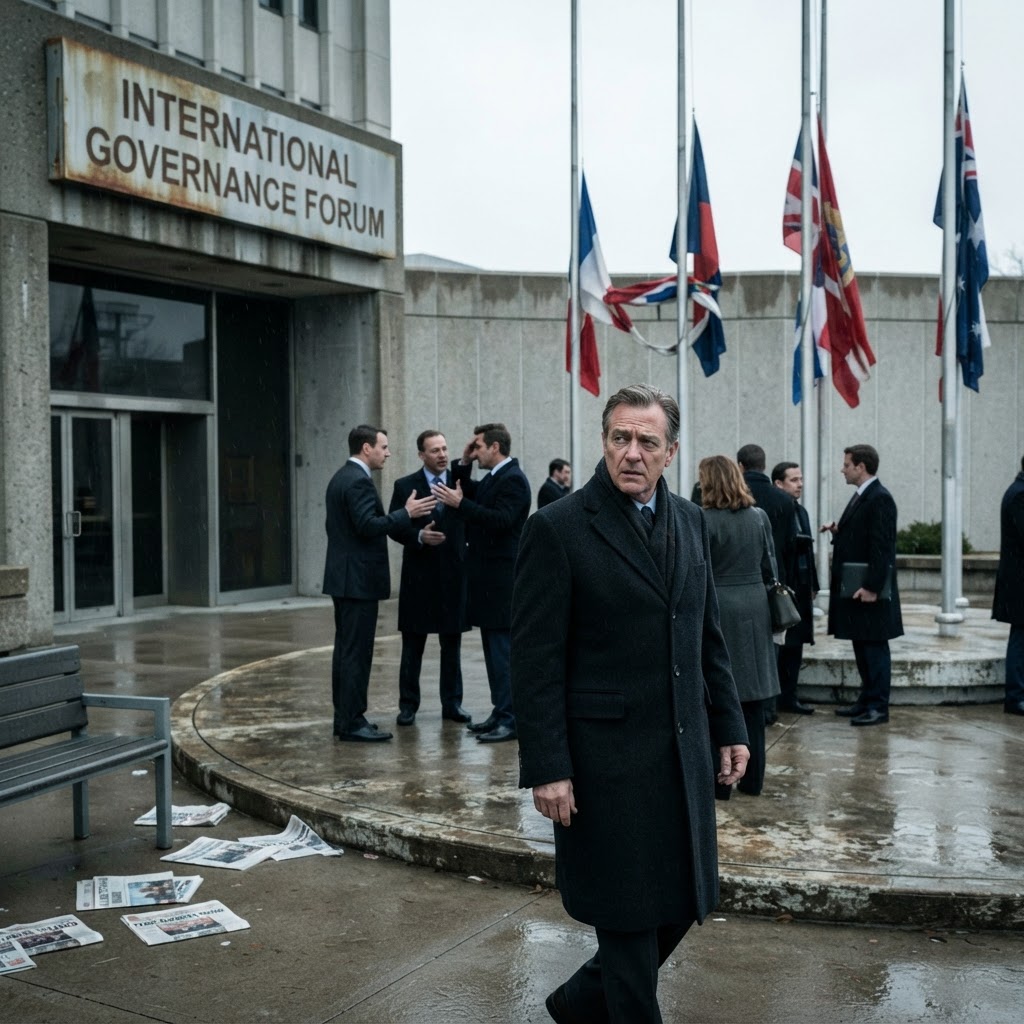
A World Turning Inward: How Fractured Alliances and Economic Nationalism Are Redefining Global Governance
Recent commentary across leading global editorial pages reveals an escalating anxiety over economic nationalism, shifting migration compacts, and the gradual disintegration of post-war international frameworks.

A Fractured Consensus: How Competing Editorial Visions Are Defining Modern Geopolitics
As global flashpoints intensify across the Middle East, Eastern Europe, and the Indo-Pacific, international editorial commentary reveals a deepening divide over deterrence, multilateral alliances, and domestic governance.
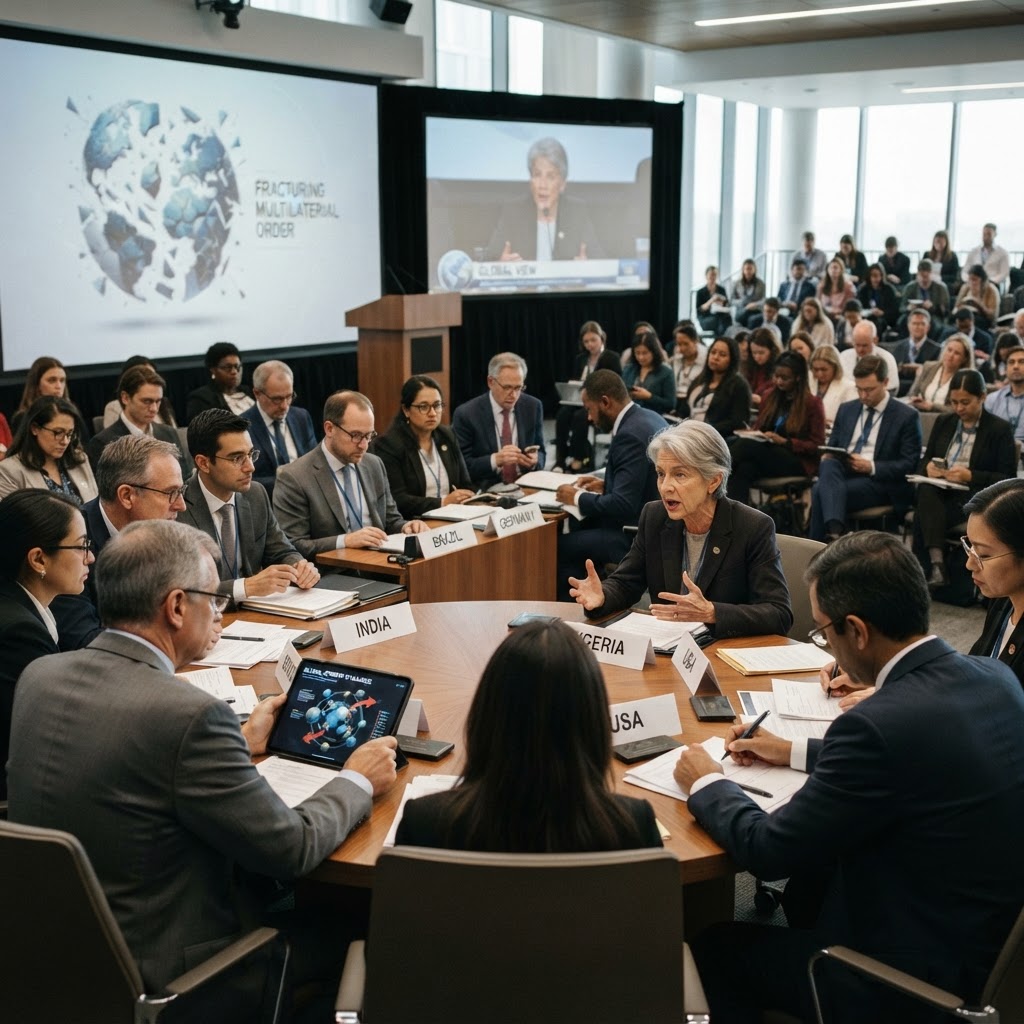
A World in Disjointed Motion: How Global Commentary Views the Fracturing Multilateral Order
Recent international opinion pages reflect growing anxiety over the retreat of major powers from climate commitments, shifting regional alliances, and the moral strains on global institutions.