Fragile Fronts and Shifting Treaties: World Affairs Under Pressure Across Energy, Conflict, and Diplomacy
Escalating aerial assaults in Eastern Europe, volatile confrontations in the Persian Gulf, and high-stakes multilateral talks in Geneva and Antalya highlight a deepening strain across global geopolitical institutions.
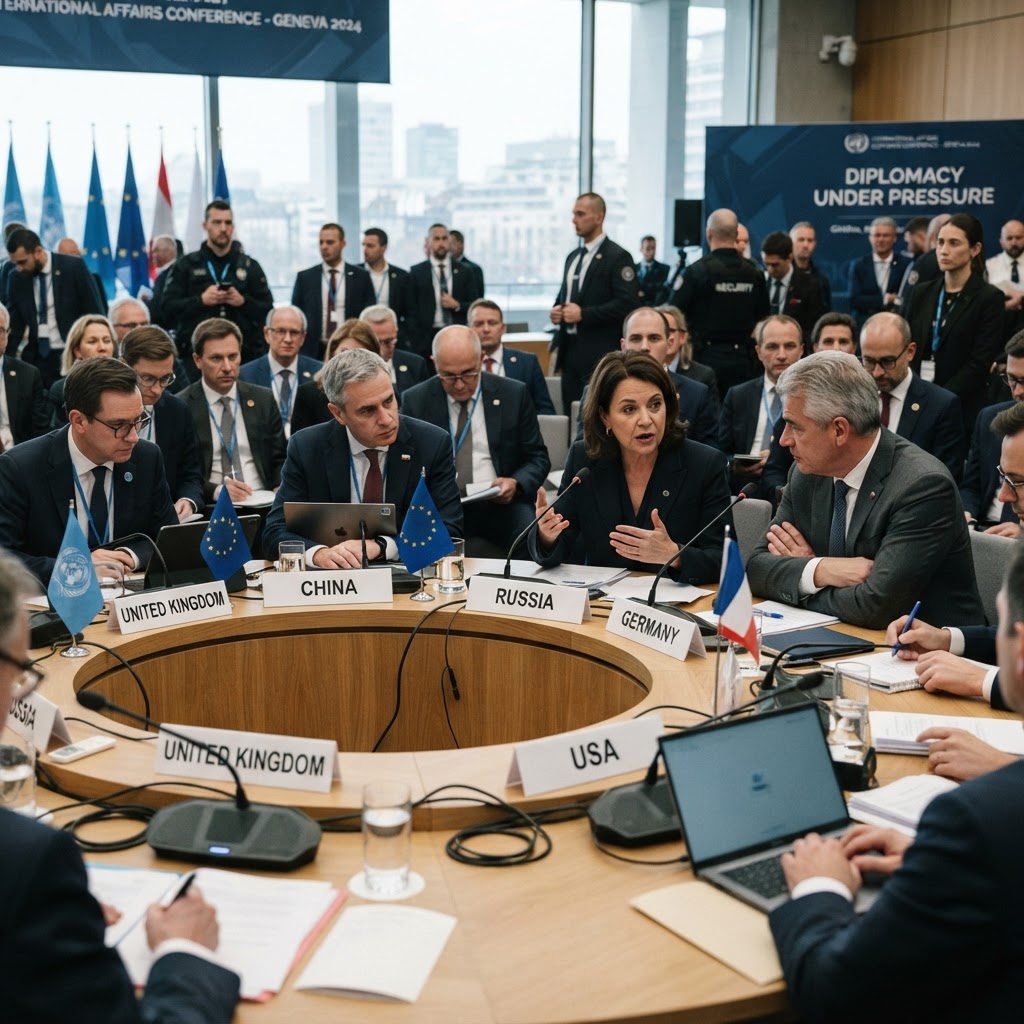
A Rising Tempo of Drone Warfare Across Eastern Europe
International security architectures face severe tests as the conflict in Eastern Europe shifts into unprecedented scales of automated aerial warfare. Recent operational reports detail one of the heaviest overnight drone exchanges recorded to date, with Ukraine launching more than a thousand unmanned aerial vehicles directed across multiple Russian border and logistical sectors, while Russian countermeasures struck major transportation and electrical conduits across Kyiv and key regional junctions. The destruction of vital transit lines along the Dnipro River and targeted hits against regional power substations have renewed anxieties over a deliberate strategy to dismantle civilian infrastructure ahead of freezing conditions. Diplomatic corridors confirm that informal rounds of territorial negotiations have repeatedly stalled, while front-line communities absorb mounting structural strain under relentless long-range attrition.
Gulf Brinkmanship and Threats to Key Energy Corridors
In the Middle East, maritime stability and regional deterrence mechanisms remain acutely stressed following renewed cross-border strikes against Gulf defense installations. Air defense batteries in Bahrain intercepted waves of hostile loitering munitions aimed at key military and radar compounds, triggering international condemnation from neighboring Gulf states and intensifying disputes surrounding access to critical shipping routes. Accompanying declarations threatening navigation through the Strait of Hormuz have injected renewed volatility into benchmark crude markets, reflecting persistent friction between naval coalitions and regional armed forces. Simultaneously, humanitarian observers across the Levant and Gaza warn of compounding winter crises, where stalled access accords have left tens of thousands of emergency shelters waiting at border checkpoints while diplomatic appeals for rapid humanitarian ingress mount across Western capitals.
Multilateral Friction: Autonomous Arms and Emerging Asylum Blueprints
Far from the combat theaters, diplomatic delegations have convened in Geneva and Vienna to confront novel challenges in global governance. At the United Nations, senior leadership renewed an urgent appeal for legally binding prohibitions on lethal autonomous weapons systems, warning that algorithmic warfare risks outpacing international humanitarian statutes if clear operational thresholds are not codified into treaty law. Concurrently, European migration policy reached a controversial crossroads as a coalition of five nations—Germany, Austria, Greece, Denmark, and the Netherlands—signaled unified intent to negotiate third-party return centers in Rwanda for rejected asylum claimants. The proposal, designed to circumvent long-standing domestic processing bottlenecks, has prompted immediate pushback from international rights monitors questioning legal protections and regional precedent.
Climate Finance Deadlocks and Technological Ambiguity at Global Summits
Environmental diplomacy mirrors these systemic frictions as delegates at international climate negotiations grapple with deep divisions over global adaptation finance and fossil fuel transition timelines. While minor donor pledges surfaced to support ecological recovery mechanisms, prominent scientific panels warned that several critical climate tipping points are nearing threshold levels faster than projected mitigation pathways can accommodate. Emerging technologies have further complicated the discourse: while institutional programs promote artificial intelligence tools to accelerate green industrialization, intergovernmental assessments caution that consumer-facing machine learning models frequently compromise empirical consensus under user pushback. Against a backdrop of fractured treaties and strained defense pacts, the international community enters the coming season navigating a fragmented order defined by technological disruption and strategic recalibration.
Recommended for you
Similar to “World Affairs”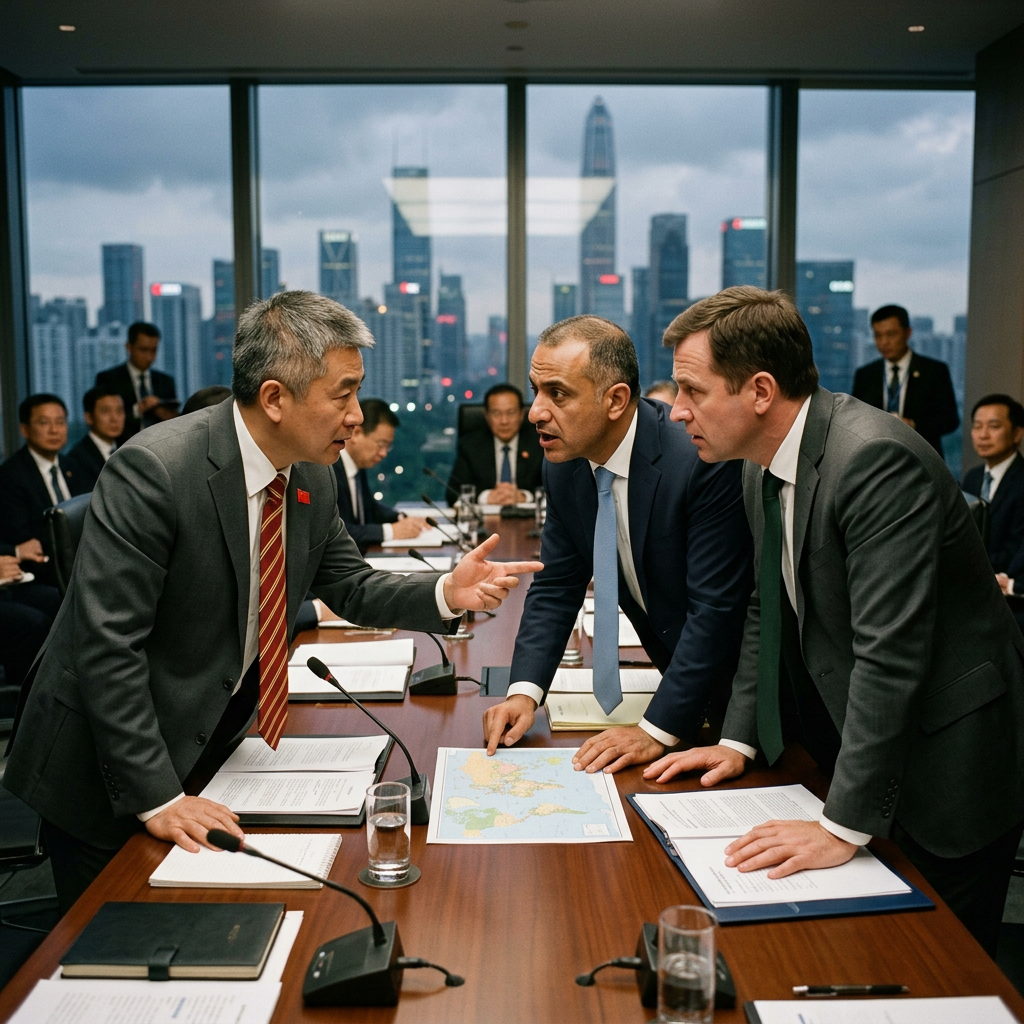
A Fractured Global Order: Shenzhen Diplomacy Meets Escalating Confrontations in the Gulf and Eastern Europe
As major world leaders convened in Shenzhen for rare tripartite discussions, escalating conflict across the Persian Gulf, high-intensity drone warfare in Eastern Europe, and fragile ceasefires in the Levant exposed the widening fault lines of modern global security.
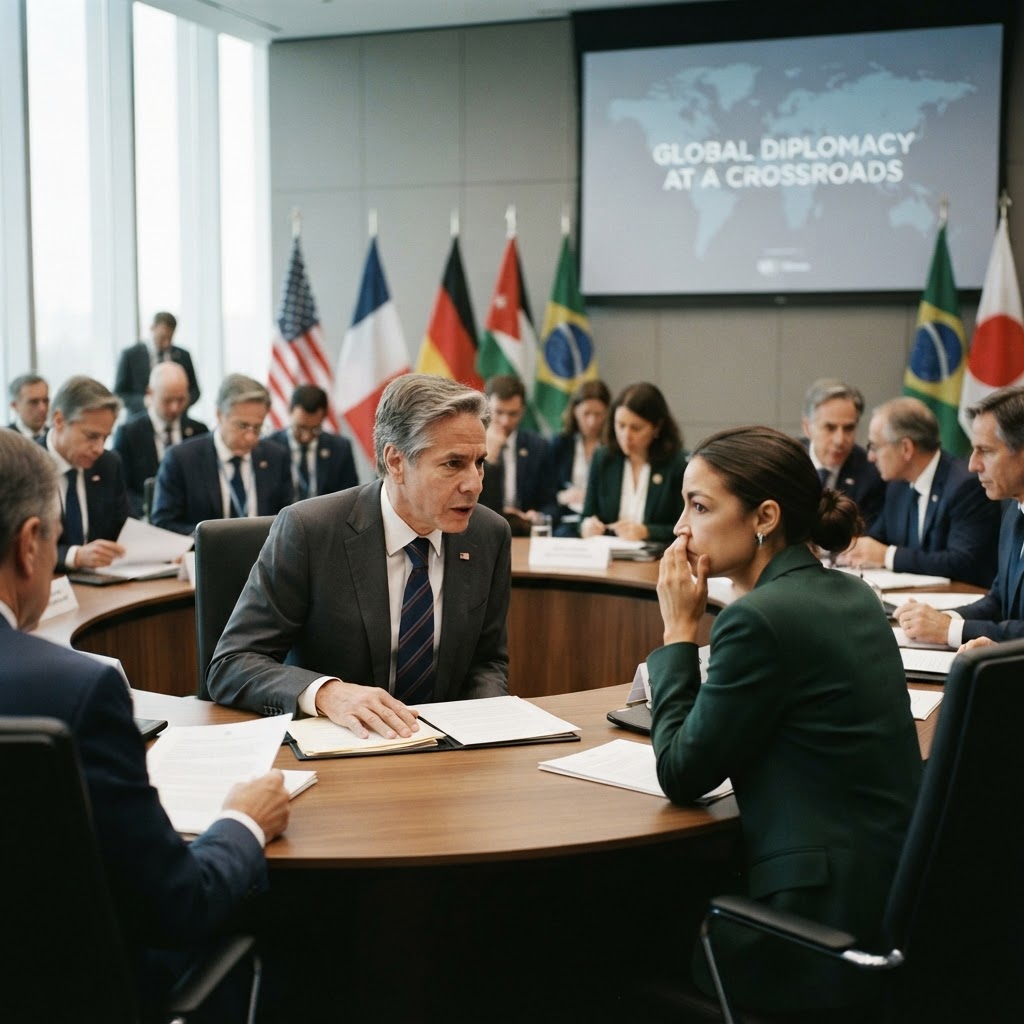
Global Diplomacy at a Crossroads: High-Stakes Summits, Escalating Middle East Tensions, and Climate Reckonings
As world powers prepare for rare trilateral leadership talks amid continuing regional conflicts in Eastern Europe and the Middle East, international negotiators face mounting geopolitical strain and fractured multilateral consensus.
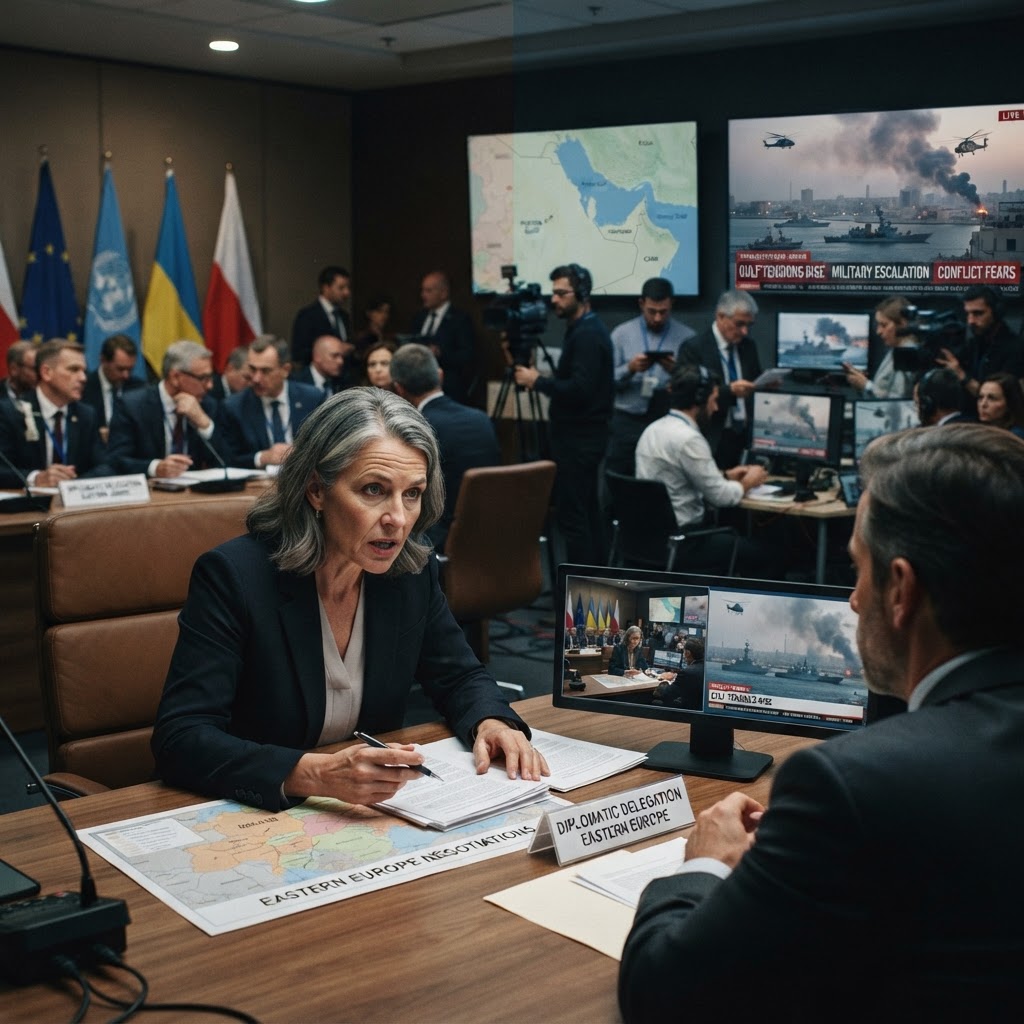
Fragile Peace Diplomacy in Eastern Europe Collides with Rising Escalation in the Gulf
While high-stakes diplomatic negotiations over the war in Ukraine face deadlock over territorial sovereignty, escalating maritime clashes and strategic strikes across the Persian Gulf threaten to spark a broader regional conflict.